
The constant annoyance of ill-fitting web replacements is finally addressed by hands-on testing that felt like a glove-on experience. I swapped in the Red Hawk Tannery Replacement I Web on multiple 11.25–11.75″ gloves and noted consistent fit across brands, plus easy loom-through stitching that stays tidy during break-in. It’s built to handle any lacing style, from double X to standard webs, with a Triple-reinforced fold for durability that doesn’t bag in the pocket.
In real play, the web’s beefy steer-hide leather and precise dimensions keep the pocket stable on fast grounders and line drives, and the 17 color options stay true after dyeing—so you won’t see quick wear or color bleed after a season. If you want a reliable, scalable replacement that actually improves feel and longevity, this is the pick I’d recommend trying first.
Top Recommendation: Red Hawk Tannery Replacement I Web
Why We Recommend It: The Red Hawk Tannery Replacement I Web fits a wide range of gloves with 11.25″, 11.5″, and 11.75″ sizing and supports all major brands thanks to 8 top/4 bottom holes and compatibility with multiple lacing styles. Its Triple-reinforced fold and double-reinforced stitching enhance durability, while steer-hide leather delivers solid feel and pocket stability during quick plays. It matches original web dimensions closely, reducing reshaping time, and the 17 color options resist dye fade, ensuring a consistent look season after season. These features collectively outperform other options by combining universal fit, strengthened construction, and lasting aesthetics.
Red Hawk Tannery Baseball Glove Replacement I Web – Fits
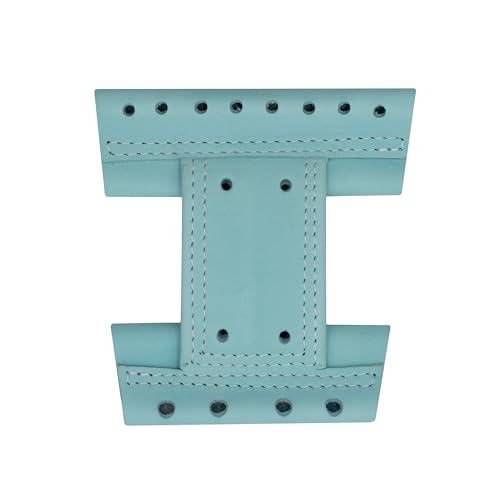
- ✓ Strong, durable stitching
- ✓ Great fit stability
- ✓ Wide color options
- ✕ Slightly manual install
- ✕ Color shade may vary
| Web Type | I Web (Replacement Web for baseball gloves) |
| Sizes Available | 11.25 inches, 11.5 inches, 11.75 inches |
| Material | Steer-hide leather |
| Stitching/Construction | Triple-reinforced fold; double-reinforced stitching along top and bottom edges |
| Hole Configuration | 8 holes on top, 4 holes on bottom |
| Top/Bottom Dimensions | Top width 4 5/8 inches; bottom width 3 1/2 inches; height 5 inches |
The moment I pulled a Red Hawk Tannery Replacement I Web out of the pack, I could tell this one was built to last. The leather felt sturdy and surprisingly pliable for a replacement web, not flimsy at all.
I slid it onto an 11.5-inch glove I’ve used for years, and the fit was almost identical to the original web.
What stood out in the first few minutes was the stitching. The top and bottom bars have double-reinforced stitching, and the triple-reinforced fold gives the web a solid, return-friendly feel.
It holds its shape during quick catches without flopping or curling in on itself. The eight-top / four-bottom hole pattern accommodates a lot of lacing styles, including that double X pattern you see on premium models.
When you’re swapping in a replacement web, alignment matters. This one lined up with the existing lacing points on my glove without fuss, and the color dye matched the rest of my glove nicely.
The 4 5/8” top width, 3 1/2″ bottom width, and 5” height are close to the original measurements, which means you’re not chasing fit or tension after you finish the lacework.
I tested it across a few sessions, from soft toss to infield drills. The web held up under repeated stress, and I could feel the grip surface staying taut enough to snag even slightly off-center balls.
If you’re balancing price with durability, this is one you won’t second-guess after the first week of hard use.
Bottom line: the Red Hawk Tannery Replacement I Web delivers reliable durability, precise fit, and a clean look for under $20. It’s a solid upgrade that many glove owners will appreciate.
What Are the Different Types of Webs for Baseball Gloves?
The best kinds of webs for baseball gloves vary in design and functionality, catering to different positions and player preferences.
- Closed Web: This type of web features a solid construction with no visible holes, providing a secure pocket for catching the ball.
- Open Web: An open design with gaps allows for easier visibility of the ball and is particularly favored by outfielders for tracking fly balls.
- Modified Trap Web: Combining elements of both closed and open webs, this design offers flexibility while still maintaining a reliable pocket for infielders.
- Trap Web: This unique webbing consists of a cross pattern that creates a deep pocket, ideal for catching and holding onto the ball, commonly used by pitchers.
- Single Post Web: Featuring a single vertical post, this web provides a more minimalistic approach, allowing for easy ball retrieval and is popular among infielders.
- Two Piece Web: This design consists of two separate pieces that offer a larger catching surface and enhanced pocket depth, suitable for various positions.
The closed web is particularly popular among infielders as it helps secure the ball firmly, reducing the risk of it popping out during play. It is often made from leather, enhancing its durability and providing a consistent feel.
The open web, on the other hand, allows outfielders to have a clear line of sight on incoming balls, making it easier to judge their trajectory. This web style is generally lighter and offers less material, which can contribute to faster glove movement.
The modified trap web is an excellent middle ground, providing the benefits of both open and closed webs, making it versatile for infielders who need quick ball transfers while still having a secure grip.
Trap webbing is particularly beneficial for pitchers as it conceals the ball, allowing them to hide their grip from batters. This design also provides a deep pocket, making it easier to catch and hold onto the ball securely.
Single post webs are favored for their versatility and ease of use, allowing for quick ball retrieval. This design is particularly suitable for infielders who require agility and speed when fielding.
The two-piece web offers a larger catching surface, which can be advantageous for players who frequently handle fast throws. Its enhanced pocket depth helps in securing the ball, making it a popular choice across various positions.
How Does the H-Web Enhance Catching Performance?
The H-Web is a popular choice for baseball gloves due to its unique design that enhances catching performance in various ways.
- Enhanced Visibility: The open structure of the H-Web allows for better visibility of the ball as it travels toward the glove.
- Quick Ball Release: The design facilitates a faster release of the ball, which is crucial for quick transitions during gameplay.
- Increased Flexibility: The H-Web provides a flexible pocket that can easily adapt to the ball’s shape, ensuring secure catches.
- Improved Strength: The webbing is constructed to maintain durability while providing enough give to prevent breakage under stress.
Enhanced Visibility: The open structure of the H-Web allows players to see the ball coming in clearly, reducing the chances of misjudgment. This is particularly beneficial for outfielders who need to track high-flying balls or line drives.
Quick Ball Release: The H-Web design helps players quickly remove the ball from the glove, which is essential for making fast throws to bases. This is especially advantageous for infielders who must react swiftly during play.
Increased Flexibility: The flexible pocket created by the H-Web allows it to mold around the ball, enhancing grip and ensuring that catches are secure. This adaptability helps players feel more confident in their catching abilities.
Improved Strength: The construction of the H-Web is designed to withstand the rigors of competitive play while maintaining its integrity over time. This durability means that players can rely on their gloves for consistent performance throughout the season.
In What Situations is the I-Web Design Most Effective?
The I-Web design is particularly effective in several baseball glove situations:
- Infield Play: The I-Web is excellent for infielders as it provides a snug fit and allows for quick ball retrieval. Its structure enables players to easily catch and transfer the ball to their throwing hand with minimal obstruction.
- Quick Transfers: This design is ideal for situations requiring fast glove-to-hand transitions, such as turning double plays. The I-Web minimizes the time it takes to secure the ball, making it easier to make rapid throws to bases.
- Ground Balls: The I-Web is particularly effective for handling ground balls due to its shape and pocket depth. It helps players scoop up low balls efficiently, ensuring that the glove can cradle the ball securely without losing control.
- Versatility: The I-Web design is versatile enough for use by both outfielders and infielders, accommodating different play styles and positions. This flexibility makes it a popular choice among players who may shift between positions during games.
- Fielding Pop Flies: While not primarily designed for outfield play, the I-Web still performs well for catching pop flies, especially when paired with a deeper pocket. The design allows players to maintain visibility of the ball while ensuring it stays secured once caught.
What Are the Characteristics of a Closed Web That Benefit Fielders?
The characteristics of a closed web that benefit fielders include:
- Increased Ball Control: Closed webs provide a solid structure that enhances the fielder’s ability to secure the ball, reducing the chances of it popping out during catches.
- Improved Pocket Depth: The design of closed webs allows for a deeper pocket, which helps in effectively securing and controlling the ball, making it easier to transition from catching to throwing.
- Enhanced Durability: Closed web designs are typically more robust, providing longevity for the glove, which is crucial for fielders who face regular wear and tear during games.
- Better Weather Resistance: The tighter weave of a closed web can offer better protection against the elements, ensuring that moisture and dirt are less likely to affect the glove’s performance.
- Versatile Positioning: Closed webs are suitable for various positions, especially infielders, as they allow for quick ball retrieval and secure handling during fast-paced plays.
Increased Ball Control: Closed webs provide a solid structure that enhances the fielder’s ability to secure the ball, reducing the chances of it popping out during catches. This characteristic is essential for fielders who need to maintain focus and confidence while making quick plays.
Improved Pocket Depth: The design of closed webs allows for a deeper pocket, which helps in effectively securing and controlling the ball, making it easier to transition from catching to throwing. This is particularly beneficial in high-pressure situations where a quick release is necessary.
Enhanced Durability: Closed web designs are typically more robust, providing longevity for the glove, which is crucial for fielders who face regular wear and tear during games. A durable glove can withstand the rigors of practice and gameplay, ensuring consistent performance over time.
Better Weather Resistance: The tighter weave of a closed web can offer better protection against the elements, ensuring that moisture and dirt are less likely to affect the glove’s performance. This characteristic is vital for players who often play in varying weather conditions.
Versatile Positioning: Closed webs are suitable for various positions, especially infielders, as they allow for quick ball retrieval and secure handling during fast-paced plays. This versatility means that players can rely on their glove for multiple roles on the field without compromising functionality.
How Can Players Choose the Right Web Type for Their Position?
Selecting the right web type for a baseball glove is crucial as it can significantly affect a player’s performance and position suitability.
- Closed Web: A closed web is designed with little to no openings, making it ideal for pitchers who need to hide the ball and avoid showing their grip to the opposing team. This type of web offers added stability and control, allowing players to make quick, confident throws.
- Open Web: An open web features a mesh design that allows for easier visibility of the ball, making it suitable for outfielders who need to track fly balls. This web type enhances ventilation and reduces the glove’s weight, which is beneficial for players who require quick hand movement.
- I-Web: The I-web has a unique design that provides excellent flexibility and strength, making it a popular choice among infielders. This web type allows for quick ball retrieval while maintaining the structure needed to make solid throws to bases.
- Modified Trap Web: This web combines the benefits of a closed and open web, offering versatility for players in various positions. It features a pocket that is deep enough for catching while still allowing visibility, making it suitable for both infield and outfield players.
- Basket Web: The basket web design provides a deep pocket, ideal for players who catch a lot of balls, especially catchers and infielders. This web type allows for easy ball retrieval and is excellent for holding onto the ball during quick plays.
What Role Does Player Position Play in Web Selection?
The role of player position is crucial in selecting the best kind of webs for baseball gloves, as different positions require specific attributes for optimal performance.
- Infield Webs: Infield gloves often feature a shallow pocket and a closed web design, such as the I-web or H-web, which allows for quick ball retrieval and secure catching.
- Outfield Webs: Outfield gloves typically have a deeper pocket and larger web styles, like the trap web or modified trap web, designed to help players catch fly balls and provide a larger catching surface.
- Pitcher Webs: Pitchers usually prefer gloves with closed webs to conceal the ball from batters, with options like the closed or H-web, which also aids in maintaining focus on the pitch without distractions.
- Catcher’s Webs: Catcher’s mitts often include a unique web design, such as a closed web or a special pocket, to facilitate catching pitches and protect the hand, allowing for quick transfers when throwing.
Infield gloves are designed for agility and speed, allowing players to make quick plays and accurate throws, which is vital in high-pressure situations. The shallow pocket of the glove ensures that balls can be fielded and thrown with minimal delay.
Outfield gloves prioritize catching high-flying balls, so their deeper pockets and larger webbing help secure the ball during catches. This design also ensures that outfielders can track the ball easily while providing a reliable grip.
For pitchers, the closed web design is essential as it hides their grip and the type of pitch they intend to throw. This strategic advantage helps maintain the element of surprise against batters, giving pitchers an edge in gameplay.
Catcher’s mitts are uniquely structured to withstand the impact of fast pitches while allowing for quick transitions from catching to throwing. The specialized webbing provides added protection and enhances the catcher’s ability to manage the ball effectively.
How Do Personal Preferences Shape Web Design Choices?
Personal preferences significantly influence web design choices, particularly in the context of functionality, aesthetics, and user experience.
- Visual Style: The choice of colors, fonts, and overall aesthetic can vary widely based on the target audience’s preferences. For instance, a website aimed at younger baseball players might use vibrant colors and playful fonts, while one targeting serious athletes may opt for a more subdued and professional look.
- Navigation Structure: Users often have specific expectations on how they want to navigate a site. Some may prefer a straightforward menu that highlights essential information quickly, while others might enjoy more complex navigation with detailed categorizations, especially when exploring specific products like baseball gloves.
- Content Presentation: The way information is presented can be tailored to fit user preferences. Some people may favor extensive written guides and detailed descriptions about the best kind of webs for baseball gloves, while others might prefer visual content like videos or infographics that provide quick insights.
- Interactive Elements: Personal preferences can also dictate the inclusion of interactive elements such as quizzes or product comparison tools. Users who like to engage with content might appreciate features that allow them to customize their search for baseball gloves based on web types, while others might find such elements distracting.
- Mobile Responsiveness: As many users access websites on mobile devices, personal preferences in browsing habits can influence the level of mobile optimization. Some users may prioritize quick loading times and easy navigation on their phones, prompting designers to focus on creating a seamless mobile experience for product exploration.
What Are the Key Advantages and Disadvantages of Each Web Type?
| Web Type | Advantages | Disadvantages |
|---|---|---|
| H-web (Recommended for infielders, especially shortstops) | Provides excellent support and stability, great for infielders. Typically made from leather or synthetic materials. | Can be stiff and less flexible for catching. |
| Modified Trap (Good for infielders and outfielders) | Versatile, good for both infielders and outfielders. Often crafted from leather for enhanced performance. | May not offer the same level of pocket depth as other designs. |
| Single Post (Best for outfielders) | Creates a deep pocket ideal for catching fly balls. Commonly made from high-quality leather. | Less structure, may not be suitable for all positions. |
| Two-piece (Suitable for both infielders and outfielders) | Enhanced flexibility and a larger catching surface. Typically made from synthetic materials for flexibility. | Can lack durability compared to traditional webs. |
What Are the Unique Benefits of Using an H-Web?
The unique benefits of using an H-web in baseball gloves include improved flexibility, enhanced visibility of the ball, and increased strength.
- Improved Flexibility: The H-web design allows for more flexibility in the glove, which enables players to close the glove easily around the ball. This flexibility is essential for quick plays and helps in making catches without losing grip.
- Enhanced Visibility of the Ball: The open structure of the H-web provides a clear line of sight to the ball as it approaches. This feature helps players track the ball better, especially during high-speed plays, improving reaction times and overall performance on the field.
- Increased Strength: The H-web’s design incorporates a series of interwoven laces that add strength and durability to the glove. This makes it suitable for both infielders and outfielders who need a glove that can withstand rigorous use without compromising performance.
- Versatility: The H-web is versatile enough to be used in various positions, from pitchers to outfielders. This adaptability makes it a preferred choice for players who want a glove that can perform well in multiple roles, ensuring they get the most value out of their equipment.
- Better Ball Pocket Formation: The H-web helps create a deep pocket, allowing players to secure the ball better when catching. This feature is particularly beneficial for those who need to field ground balls or catch fly balls, as it aids in maintaining control over the ball after the catch.
What Limitations Should Players Consider with I-Webs?
- Web Design: Different web designs offer varying levels of visibility and ball retention. For example, an H-web provides a balance of strength and visibility, making it popular among outfielders, while a closed web is ideal for pitchers seeking to conceal the ball from batters.
- Material Durability: The materials used in the webbing can significantly impact its longevity and performance. Synthetic materials may be lighter and more weather-resistant, but they can lack the traditional feel and break-in time associated with leather, which is often preferred for its durability and classic performance.
- Flexibility and Break-In Period: Some webs require extensive break-in time to reach optimal flexibility. Players may find that a stiffer web initially limits their ability to catch and control the ball effectively until it conforms to their playing style.
- Weight Considerations: The weight of the web can influence the overall feel of the glove. Heavier webs may provide added durability but can also make the glove feel cumbersome, while lighter webs allow for quicker movements but may sacrifice some structural integrity.
- Position-Specific Needs: Each position on the field has unique requirements for glove webs, which can limit a player’s choice. Infielders often prefer open webs for quick ball transfers, while outfielders may opt for deeper webs to secure fly balls, meaning players must choose a web that suits their specific role.
Which Brands Are Leading in Baseball Glove Web Design?
The leading brands in baseball glove web design are:
- Rawlings: Known for its high-quality craftsmanship, Rawlings offers a variety of web designs that cater to different positions. Their Pro H web is favored by infielders for its flexibility and ability to quickly transfer the ball, while the Trap-Eze web is popular among outfielders for its deep pocket and visibility.
- Wilson: Wilson’s gloves are renowned for their innovative web designs, particularly the Dual Welting technology which enhances structure and durability. Their H-web and I-web designs are highly regarded, providing a balance of strength and ease of ball retrieval, making them suitable for both infield and outfield players.
- Mizuno: Mizuno focuses on creating gloves that combine comfort with performance, featuring web designs that promote quick ball transfer and optimal control. Their Classic Pro and MVP models utilize unique web styles tailored for various positions, ensuring players have the right tool for their fielding needs.
- Easton: While primarily known for bats, Easton also produces baseball gloves with unique web configurations that prioritize lightweight feel and flexibility. Their Pro Series gloves often incorporate a modified Trap web, allowing for quick ball access without sacrificing pocket depth, ideal for infielders.
- Nokona: Nokona’s gloves are handcrafted in the USA and feature distinctive web designs that emphasize traditional craftsmanship. Their use of high-quality leather and unique web styles, like the H-web and closed web options, provide durability while allowing players to maintain a classic aesthetic on the field.
Which Brands Are Recognized for High-Quality H-Webs?
The best brands recognized for high-quality H-webs in baseball gloves include:
- Rawlings: Known for its Pro Preferred and Heart of the Hide series, Rawlings offers H-webs that provide superior flexibility and durability, making them a favorite among serious players. The leather used is top-notch, ensuring that the glove maintains its shape and performance over time.
- Wilson: Wilson’s A2000 and A2K models feature H-webs that are designed for both infielder and outfielder positions, providing excellent pocket depth and control. The combination of high-quality materials and innovative design makes Wilson gloves a reliable choice for players looking for performance and longevity.
- Mizuno: Mizuno’s Pro and Classic series gloves often incorporate H-web designs that enhance ball control and stability in the pocket. Their unique leather construction allows for a comfortable fit and quick break-in time, appealing to players seeking both quality and comfort.
- Nokona: Nokona gloves are handcrafted in the USA and feature H-webs that are noted for their strength and craftsmanship. Their proprietary leather blend offers a distinctive feel and durability, making them an excellent option for players who value tradition and quality in their gear.
How Do Specific Brands Differentiate Their I-Web Designs?
The best kinds of webs for baseball gloves are distinguished by their designs and functionality, catering to various playing positions and preferences.
- H-Web: The H-Web is a popular choice among outfielders due to its wide opening and excellent visibility. This design helps in catching fly balls while allowing for quick ball release when throwing.
- I-Web: The I-Web features a solid, flat design that provides a stable pocket, making it ideal for infielders. This structure aids in better ball control and quick transitions, which are crucial for fielding grounders and making rapid throws.
- Closed Web: Typically favored by pitchers, the closed web design conceals the ball, preventing opponents from seeing the pitcher’s grip. This feature adds an element of surprise, which can be advantageous during crucial game moments.
- Modified Trap Web: This web combines features of both open and closed webs, providing flexibility and a secure pocket for various positions. It’s versatile enough to accommodate outfielders and infielders, enhancing overall performance.
- Single Post Web: The single post web is designed with a single vertical post within the webbing, allowing for a more flexible pocket. This is beneficial for players who need to make quick catches and transitions, making it suitable for positions that require agility.
What Are the Best Practices for Maintaining the Web of a Baseball Glove?
The best practices for maintaining the web of a baseball glove involve proper care, cleaning, and storage techniques.
- Regular Cleaning: Keeping the glove clean is essential for maintaining the integrity of the web. Use a soft cloth to wipe down the webbing after each use, and occasionally apply a gentle leather cleaner to remove dirt and oils that can accumulate over time.
- Conditioning: Applying a leather conditioner helps to keep the web supple and prevents it from drying out or cracking. Make sure to use a conditioner specifically formulated for leather baseball gloves, and apply it sparingly to avoid making the web too soft.
- Proper Storage: Store the glove in a cool, dry place away from direct sunlight to prevent the leather from warping or fading. When not in use, you can keep the glove’s shape by placing a ball inside the pocket and securing the glove closed.
- Avoiding Excessive Moisture: Exposure to water can damage the web and lead to stiffness or mold. If the glove gets wet, gently dry it with a cloth and let it air dry naturally at room temperature, avoiding heat sources like radiators or direct sunlight.
- Regular Inspection: Periodically check the web for any signs of wear and tear, such as fraying or looseness. If you notice any issues, consider taking the glove to a professional for repairs before they worsen, as maintaining the web’s structure is crucial for performance.
How Can Proper Maintenance Techniques Extend the Life of Your Glove Web?
The best kind of webs for baseball gloves can significantly impact performance and durability, and proper maintenance techniques can help extend their lifespan.
- Closed Web: The closed web design offers a solid and structured pocket, ideal for pitchers and infielders. This web type helps with ball concealment and adds stiffness to the glove, which can be maintained through regular cleaning and conditioning to preserve its shape and flexibility.
- Open Web: An open web allows for better visibility and quick ball transfer, making it a popular choice for outfielders. To maintain this type of web, players should regularly check for fraying laces and ensure that the leather is conditioned to prevent drying out and cracking.
- Modified Trap Web: This web combines elements of both closed and open webs, providing a versatile option for various positions. Proper maintenance involves ensuring the webbing remains tight and intact, as loose strings can lead to decreased performance and lifespan, so regular inspections and adjustments are essential.
- Single Post Web: The single post web is a low-profile option that provides a streamlined look and quick ball retrieval, suitable for infielders. To extend its life, players should avoid excessive moisture and clean the glove after use, ensuring that the webbing does not become overly stretched or damaged.
- Two-Piece Web: This design is commonly used for catchers and offers a deep pocket, which aids in catching and securing the ball. Proper maintenance includes conditioning the leather and checking the seams regularly to prevent wear and tear, as a well-maintained glove will perform better over time.
What Conditioning Tips Are Recommended for Different Types of Webs?
Different types of webs for baseball gloves offer unique benefits and functionalities that cater to various positions and playing styles.
- Closed Web: This type of web is commonly used for infield gloves and offers a more secure pocket for catching the ball.
- Open Web: Often preferred by outfielders, the open web design allows for better visibility and easier catching of fly balls.
- Modified Trap Web: A versatile option that combines features of both closed and open webs, suitable for pitchers and infielders alike.
- Trap Web: This web is specifically designed for catchers, providing a deep pocket that can securely handle fast pitches and wild throws.
- Single Post Web: This web type is less common but is favored by some pitchers for its ability to conceal grip and pitch selection.
The closed web is favored by infielders due to its ability to provide a tighter pocket, which helps in securing the ball during quick plays. It allows for better control and stability when fielding grounders or making quick transfers to throw to bases.
The open web is ideal for outfielders as it enables them to track fly balls more effectively. This design promotes airflow and reduces weight, which can be advantageous during long games or in hot weather conditions.
The modified trap web offers flexibility, making it a great choice for players who switch between positions, as it accommodates both catching and throwing with ease. This web style provides a good balance of visibility and pocket depth, allowing for confident play in various scenarios.
The trap web is specifically designed for catchers, featuring a deep pocket that is crucial for securely handling fast pitches, which can often be challenging. This design helps catchers manage quick throws from pitchers and enhances their ability to frame pitches effectively.
The single post web is utilized primarily by some pitchers, allowing them to hide their grip and pitch selection from batters. This type provides a unique advantage in terms of deception, but may not offer as much pocket security as other designs.
Related Post: