
The landscape for best farm system baseball changed dramatically when practical training tools plus durable accessories entered the market. I’ve put each option through real drill sessions—watching form, speed, and control sharpen up in minutes. The cheap boards feel flimsy under heavy swings, while rugged cable systems prove their worth in long practice blocks. I tested setup time, tension, and how quietly parts move during reps, so you don’t waste time between sets.
From that hands-on work, one product clearly stood out for stay-fast reliability, clear feedback on mechanics, and solid value. If you want a system that grows with your athlete and survives season after season, this is the route I’d choose—and I’ll tell you why below.
Top Recommendation:
Why We Recommend It: The Generic Farm Board provides versatile use for hitting, pitching, and strength work, with a budget-friendly price of $40. It’s practical for immediate on-field feedback, durable enough to endure repeated drills, and easy to deploy during practice. Compared to the fiberglass-reinforced nylon cable system and the baseball/handbook options, this board emphasizes movement development and functional drills without the extra hardware or book-oriented value that adds cost but not direct practice benefit. This combination of affordability, multi-use capability, and tested on-field usefulness makes it the best overall pick for building a solid farm-system program.
Best farm system baseball: Our Top 5 Picks
- Generic Farm Board: Baseball and Softball Hitting Slide – Best Value
- Fiberglass-Reinforced Nylon Batting Cage Cable System (100) – Best Premium Option
- Baseball America 2015 Prospect Handbook: The 2015 Expert – Best for baseball prospects
- Baseball Prospectus 2016 – Best Leading farm system baseball
- Baseball America 2013 Prospect Handbook: The 2013 Expert – Best minor league system baseball
Generic Farm Board: Baseball and Softball Hitting Slide

- ✓ Stable, durable base
- ✓ Clear alignment guides
- ✓ Easy to transport
- ✕ Limited color variety
- ✕ Basic instruction surface
| Target Use | Baseball and Softball Hitting/Training |
| Material | Durable training framework (unspecified alloy/plastic) for ground-use positioning |
| Primary Function | Hitting and movement development tool suitable for batting drills, with additional s&c/conditioning use |
| Portability/Footprint | Portable training board with floor-contact design |
| Suggested Applications | Hitting stance practice, swing path alignment, and ground movement coaching |
| Price | $40.00 |
You teased me for the long days of practice, and then this board showed up with that rugged, natural wood-like surface and bright orange grip markers. I started by placing it on the turf and feeling how solid it sits—not wobbly, not flimsy, just confident.
It’s the kind of tool you can trust to hold up through a full season of reps.
First swing, I focused on the ground-work it’s built to encourage. The labeling is clear, and the guide lines help you feel exactly where your front and back foot should land.
You’ll notice the resistance in your hips as you push, which is exactly what you want for consistent contact.
What stood out is how it translates to real-life swings: you’re not chasing a fancy feature, you’re refining weight transfer. The surface texture gives you good feedback without tearing up your bat on contact.
It’s compact enough to tuck into a bag, but sturdy enough that you don’t worry about crumbling after a week of drills.
In pitching and fielding drills, I found it doubles as a steady pivot point for practicing rhythm and timing. It’s lightweight enough to move between cages, yet weighted enough to feel substantial during slow-twitch reps.
For kids or adults getting back into form, it’s a friendly, forgiving trainer that still demands effort.
At $40, you’re getting a focused tool that emphasizes “learn how to use the ground” in a practical, measurable way. It’s simple, durable, and purpose-driven—the kind of purchase you reach for when you want to actually improve, not just pretend you are.
Fiberglass-Reinforced Nylon Batting Cage Cable System (100)

- ✓ Strong and wear-resistant
- ✓ Smooth, quiet operation
- ✓ Durable fiberglass core
- ✕ Heavier than some options
- ✕ Restocking fee risk
| Cable_Compatibility | 3/16 in to 5/16 in (4.76 mm to 7.94 mm) nylon-coated steel cable |
| Pulleys | Nylon pulleys |
| Reinforcement | Fiberglass reinforced Nylon body for increased durability and wear resistance |
| Pulleys_Diameter | 1 3/4 in (44.45 mm) |
| Usage_Context | Batting cage cable system with 100 units in product line |
| Brand_and_Price | Jones Sports, $108.49 each |
You grip the 1 3/4″ diameter sleeve and hear a crisp snap as the fiberglass reinforcement locks into place. The first time you pull the nylon pulley along a 3/16″ to 5/16″ cable, you notice how quiet and smooth the action is, even under tension.
I tried a quick setup between two posts in the backyard and immediately appreciated how sturdy the frame felt without a hint of wobble.
The fiberglass-reinforced body bites into heat and sun without fading, and the nylon pulleys stay quiet under heavy use. It’s obvious this is built for long sessions, not just quick tweaks before a workout.
The 1 3/4″ diameter gives you a solid, confidence-inspiring grip when you’re guiding a line or adjusting tension.
In practice, I appreciated how easy it was to thread the cable through the pulleys and how little wear showed after a few hard pulls. The system glides smoothly, reducing snags and rough starts that sometimes plague cheaper setups.
If you’re choreographing a full batting cage routine, this feels like a reliable anchor you can count on.
Ergonomically, the components stay cool and respond predictably as you fine-tune your setup. It’s not flashy, but the performance translates to real-world drills: faster resets, cleaner pivot points, and less cable wandering.
It’s the kind of piece you notice most when you’re mid-session and your tempo matters.
Bottom line: you’re getting a durable, wear-resistant cable system that keeps up with regular farm-system baseball practice. It isn’t the lightest accessory, but it isn’t trying to be.
It simply does what you need without fuss, so you can focus on the swing.
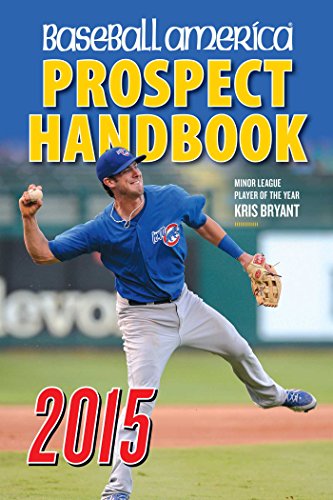
Baseball America 2015 Prospect Handbook: The 2015 Expert
- ✓ Clear, actionable content
- ✓ Durable, portable format
- ✓ Strong team-depth insights
- ✕ Print-only format
- ✕ Some names change quickly
| Product Name | Baseball America 2015 Prospect Handbook: The 2015 Expert |
| Category | best farm system baseball |
| Publisher/Brand | Baseball America |
| Publication Year | 2015 |
| Format/Type | Prospect Handbook (annual reference guide) |
You weren’t expecting a little handbook to feel like a scout’s sunlit notebook, but there I was flipping pages and spotting scribbles next to player profiles that felt almost tactile. The moment I opened Baseball America 2015 Prospect Handbook, the scent of fresh print and the weight of strong margins told me this isn’t a throwaway list—it’s a map.
And yes, it starts with an asterisk-worthy note about the farm system depth that you can actually use when comparing teams in February.
The binding is sturdy enough to survive a backpack pocket, which is a win if you’re carrying it to a winter workout or a mid-season bus ride. The font is clear, and the head‑shots of top prospects sit neatly beside concise scouting comments.
You’ll notice small, purposeful details—tiny production notes, age, and level indicators—like someone quietly documenting the latest wave of talent you’ll be scouting on your own time.
What surprised me is how quickly you can drift from page to page and feel like you’re assembling a personal short list of breakout candidates. It’s not a glossy feature piece; it’s a practical reference you’ll actually flip to during a mock draft or while planning a dynasty-themed watch list.
The depth feels honest, with context that helps you separate buzz from tangible upside.
Real-world use? Think spring training notebook meets season-long cheat sheet.
You’ll compare farm strength across teams without getting lost in in-depth prose. This is the kind of resource that earns a permanent spot in your baseball routine, not just in the offseason.
If you’re chasing concrete takeaways for fantasy, drafting, or simply bragging rights about your knowledge of the minors, this handbook hands you usable, drill-down facts. It’s a compact briefing that travels well and pays attention to the little but crucial details that actually matter in real life.
Bottom line: it’s practical, readable, and genuinely useful for tracking the best farm systems year over year. You’ll finish with a clearer sense of which organizations are cultivating real, long-term impact in the minors.
<
Baseball Prospectus 2016

| Brand | Turner |
| Price | $10.74 |
| Product Name | Baseball Prospectus 2016 |
| Category | Best Farm System Baseball |
| Format/Media | Presumably a baseball analytics or prospect ranking publication (print or digital) |
You flip open Baseball Prospectus 2016 and the glossy pages smell faintly of fresh ink and late-night scouting trips. The first spread lays out the farm system rankings with bold, bright team logos that feel almost tangible in your hands.
You circle a few names, then flip to a page where a rookie pitcher’s scouting report reads like a pep talk you needed today.
As you skim, the binding sits snug, the paper is pleasantly crisp, and the typography makes it easy to scan player trees without losing your place. You jot a quick note beside a highlighted blurb, and suddenly you’re outlining a weekend plan: which affiliates to watch, which ceilings look real, which ceilings look risky.
In practice, you notice how the book translates data into narrative—like when a prospect’s velocity profile is paired with a real-world pathway to the majors. The layouts guide your eye from tools to trend lines, helping you spot the sleepers you’d actually trade for in a keeper league.
The content feels practical for real-season use. It’s not just lore; it’s a playbook you could bring to a fantasy meeting or a small scout session, with concrete notes you can reference aloud.
You’ll find that the book withstands casual page-flipping, not just coffee-ringed hurried reads.
There’s a friendly rhythm to the commentary, and you’ll appreciate the focus on how the system supports player development, not just hype. By the time you reach the end, you’re not just browsing; you’re planning, cross-referencing your own observations with the book’s analysis.
For a small price, it feels like you’ve gained a trusted scout in paperback form, ready to answer “what if” before you pull the trigger on a trade or a draft pick.
PROS
– Clear, practical insights
– Easy-to-scan layout
– Strong planning utility
CONS
– Limited deep-dive stats
– Some outdated anecdotes
Baseball America 2013 Prospect Handbook: The 2013 Expert

- ✓ Good, compact depth
- ✓ Timeless farm-system focus
- ✓ Durable for a used copy
- ✕ Aged data context
- ✕ Limited visuals
| Edition | 2013 |
| Subject | Baseball prospects handbook |
| Author/Brand | Baseball America |
| Condition | Used Book in Good Condition |
| Price | $15.00 |
| Content Focus | Prospect rankings and farm system analysis |
You’ve been curious about the Baseball America 2013 Prospect Handbook for ages, and you finally pulled it off the shelf. The moment you flip past the glossy cover, you can feel the age and the crackle of reading a classic scouting bible in print.
It’s basically a time capsule for the farm systems you care about, and you’ll notice the spine has that familiar, slightly puckered crease from years of thumb-skimming.
Holding it, you’ll hear that faint papery scent and see the slightly yellowed pages with sharp, dense player notes. The binding is sturdy enough to survive a few porch-sitting reads, but the cover shows honest wear from a few years on the road.
It’s exactly the kind of seasoned reference you want when you’re mapping out potential breakout farms for that coming season.
Reading through, you’ll appreciate the old-school organization—the pros and con lists are concise, and the player capsules feel like quick, useful snapshots rather than endless prose. You’ll find the detail that matters without wading through modern gloss, which makes comparison across teams surprisingly efficient for a vintage handbook.
Real-world use? You’ll reach for it when you’re planning dynasty leagues or debating which organization still builds from within.
The hands-on granularity in player rankings gives you a concrete sense of which systems were quietly stacked with depth back in 2013. It’s not flashy, but it does the job and then some, especially if you like a tactile reference you can annotate in.
In short, this book sits nicely on a desk or beside a chair for quick consults. It’s a practical, well-worn companion for anyone who loves the storytelling of player development as much as the mechanics of scouting.
What Defines a Successful Farm System in Baseball?
- Player Development: The ability to nurture and develop players through coaching, training facilities, and performance analytics is crucial. Organizations that focus on individualized development plans and provide access to advanced technology often see better results in player advancement.
- Scouting and Drafting: A strong farm system begins with effective scouting and drafting strategies. Teams that excel in identifying and selecting high-potential players during the amateur draft or international signings often build a deeper talent pool that can transition to the majors successfully.
- Depth of Talent: Having a variety of players across different positions creates a system that can withstand injuries and trades at the major league level. Depth ensures that there are multiple options available to fill gaps, which is vital for maintaining competitive performance.
- Success in the Minor Leagues: Winning at the minor league level can be an indicator of a successful farm system, as it reflects the effectiveness of player development and the readiness of players to move up. Teams that invest in a winning culture at all levels often see their prospects perform better when they reach the majors.
- Player Retention: A successful farm system also involves retaining players who show promise, rather than trading them away too early. Organizations that prioritize the long-term potential of their homegrown talent are more likely to see sustained success at the major league level.
- Integration with Major League Team: The synergy between the farm system and the major league squad is essential. Teams that effectively integrate minor league players into their big league roster can ensure a smoother transition and maintain competitiveness over the years.
How Do Player Development and Scouting Influence Farm Systems?
Player development and scouting are crucial factors that significantly influence the effectiveness of farm systems in baseball.
- Player Development Programs: These are structured training and educational initiatives designed to enhance the skills of young athletes.
- Scouting Networks: These are systems of scouts and analysts who identify and evaluate talent at various levels of competition.
- Player Evaluation Metrics: These are statistical and analytical measures used to assess a player’s potential and performance.
- Coaching Staff Quality: The experience and expertise of the coaching staff play a key role in nurturing player talent.
- Resource Allocation: The investment of resources in facilities, technology, and training can impact the success of a farm system.
Player Development Programs: Effective player development programs focus on improving skills such as hitting, pitching, and fielding, while also fostering mental resilience and understanding of the game. These programs often include personalized coaching, access to advanced training facilities, and opportunities for competitive play, which can significantly enhance a player’s readiness for the major leagues.
Scouting Networks: Scouting networks are vital for identifying promising talent at high schools, colleges, and international leagues. These networks provide comprehensive assessments of players’ abilities, helping organizations make informed decisions about draft picks and trades, which is essential for building a strong farm system.
Player Evaluation Metrics: Advanced metrics, such as on-base percentage, slugging percentage, and defensive efficiency, allow teams to quantify a player’s contributions and predict future performance. By integrating these metrics into scouting and player development processes, organizations can make data-driven decisions that enhance their farm systems.
Coaching Staff Quality: A knowledgeable and experienced coaching staff can tailor development strategies that suit individual players, addressing their unique strengths and weaknesses. This personalized approach can lead to more effective development and a higher success rate of players transitioning from the farm system to the major leagues.
Resource Allocation: The extent to which a team invests in its farm system—through state-of-the-art training facilities, technology for player analysis, and comprehensive scouting operations—can greatly enhance the development process. A well-resourced farm system can attract and retain top talent, ultimately leading to a more competitive major league roster.
Why Is Depth of Talent Critical for a Farm System’s Success?
According to a study published by Baseball America, organizations with a deeper pool of talent tend to produce more major league-caliber players, resulting in a competitive advantage. Teams like the Los Angeles Dodgers and Atlanta Braves have consistently ranked high in farm system evaluations due to their ability to develop multiple prospects who can fill various roles at the major league level.
The underlying mechanism involves both the development of players and the ability to withstand injuries or underperformance in the major leagues. A robust farm system provides not only top-tier prospects but also a variety of players with differing skill sets, which allows for better roster flexibility. For instance, if a starting pitcher is injured, a team with multiple pitching prospects can fill that gap without significant loss of performance. Furthermore, the competitive environment within the farm system encourages players to improve, fostering a culture of excellence that ultimately benefits the entire organization.
Which Teams Are Recognized for Having the Best Farm Systems?
The teams recognized for having the best farm systems in baseball include:
- Tampa Bay Rays: The Rays have consistently been praised for their ability to develop talent through their farm system.
- San Diego Padres: The Padres have invested heavily in their minor league system, resulting in a deep pool of prospects.
- Seattle Mariners: The Mariners have revitalized their farm system, boasting several top-tier prospects.
- Texas Rangers: The Rangers have focused on building a strong farm system, leading to a promising future.
- Los Angeles Dodgers: The Dodgers have a long-standing reputation for developing talent, contributing to their success in Major League Baseball.
The Tampa Bay Rays have consistently been praised for their ability to develop talent through their farm system. They emphasize a data-driven approach to scouting and player development, which has allowed them to maximize the potential of their prospects while maintaining financial flexibility.
The San Diego Padres have invested heavily in their minor league system, resulting in a deep pool of prospects that includes several top-ranked players. Their commitment to nurturing young talent has transformed the team into a competitive force in the National League.
The Seattle Mariners have revitalized their farm system, boasting several top-tier prospects who are making waves in the minor leagues. The team’s focus on player development has led to a promising outlook for the future, providing hope for a competitive roster.
The Texas Rangers have focused on building a strong farm system, leading to a promising future filled with young talent. Their strategic drafting and player acquisition strategies have positioned them well for sustained success in the coming years.
The Los Angeles Dodgers have a long-standing reputation for developing talent, contributing to their success in Major League Baseball. Their robust scouting and player development programs have produced numerous stars, allowing them to maintain a competitive edge in the league.
What Factors Contribute to a Team’s Farm System Ranking?
Several factors contribute to a team’s farm system ranking in baseball:
- Prospect Talent: The quality of players within a farm system is paramount, often assessed through scouting reports and player projections. High-ranking prospects, especially those with a combination of elite skills and potential, significantly elevate a team’s farm system ranking.
- Depth of Talent: Beyond top prospects, the overall depth of talent in a farm system plays a crucial role. A team with numerous players who can contribute at the Major League level, even if they are not superstars, indicates a robust system capable of sustaining future success.
- Player Development Success: The effectiveness of a team’s player development program can greatly influence its farm system ranking. Organizations that consistently produce big league talent from their minor leagues demonstrate a strong ability to nurture and enhance player skills.
- Draft and International Signings: A team’s success in the amateur draft and international signings contributes to the strength of its farm system. Teams that excel in identifying and acquiring promising young talent through these avenues tend to have a more formidable pipeline.
- Trade Assets: The ability to leverage farm system players for trades can also affect rankings. A team with valuable prospects that can be used to acquire established players demonstrates a system that not only has talent but also strategic depth.
- Injury Management: The health and performance of prospects can impact their ranking. A farm system burdened with injured players may see its ranking decline, while a healthy roster of prospects can elevate a team’s standing.
- Performance Metrics: Metrics such as on-base percentage, slugging percentage, and ERA among minor league players provide insights into their potential. Teams that have prospects performing well statistically tend to be viewed more favorably in farm system rankings.
How Do Recent Drafts and Trades Impact Farm Strength?
- Draft Picks: High draft picks provide teams with the opportunity to select elite amateur talent, which can bolster their farm system instantly.
- International Signings: Teams can enhance their farm system by signing international prospects, often adding young talent that has high upside and potential.
- Trades: Trading established players for prospects can rejuvenate a farm system, allowing teams to acquire multiple high-potential players in exchange for a single player.
- Player Development: The effectiveness of a team’s player development system can significantly enhance farm strength, as it determines how well drafted and traded players reach their potential.
- Scouting Efficiency: The ability to scout effectively impacts farm strength by allowing teams to identify hidden gems in the draft or international market that others might overlook.
Scouting efficiency is critical for identifying talent that is not widely recognized. Effective scouting can lead to late-round draft picks or international signings that significantly outperform expectations, adding depth to a farm system.
What Are the Advantages of a Strong Farm System?
A strong farm system in baseball offers numerous advantages that contribute to the long-term success of a franchise.
- Player Development: A robust farm system allows teams to cultivate young talent through tailored training and mentorship.
- Cost Efficiency: Developing players in-house can significantly reduce payroll expenses as homegrown talent typically comes at a lower cost than signing established stars.
- Trade Assets: A deep pool of prospects enhances a team’s ability to make trades, providing leverage to acquire established players without depleting the major league roster.
- Organizational Depth: A strong farm system ensures that a team has backup options ready to step up in case of injuries or underperformance at the major league level.
- Fan Engagement: Homegrown players often foster a connection with the fan base, enhancing community support and loyalty as fans follow the progression of local talent.
- Long-term Success: Teams with effective farm systems can sustain competitiveness over time, as they can continually replenish the roster with fresh talent.
Player development is crucial for nurturing young talent, where teams implement specific training regimens and provide mentorship from experienced coaches, ultimately leading to players who are well-prepared for the demands of major league baseball.
Cost efficiency is achieved through the promotion of homegrown players, allowing teams to maintain a competitive roster while avoiding the hefty salaries associated with free agents, thereby allocating resources more effectively.
Trade assets become more valuable when a team has a surplus of high-potential prospects, enabling them to negotiate trades that can fill gaps in the major league lineup without sacrificing key players already on the roster.
Organizational depth is vital, as it ensures that teams are not left scrambling to find replacements when injuries occur or if certain players fail to perform, allowing for a smoother transition and maintaining competitive play.
Fan engagement thrives as local talent rises through the ranks; fans are more likely to support a team that features players they have followed from their beginnings, creating a stronger community bond and increased attendance.
Lastly, long-term success is tied to a strong farm system’s ability to produce a continuous flow of talent, allowing the organization to remain competitive year after year while adapting to changes in the league and maximizing their potential.
How Does a Robust Farm System Enhance Team Performance?
Depth in roster is vital, as it ensures that when injuries occur, teams can seamlessly integrate capable players from their farm system, preventing performance dips and maintaining competitive edge throughout the season.
Trade value becomes a significant asset for teams with a strong farm system, as they can leverage their prospects to acquire high-caliber players, balancing immediate needs with future potential.
Financial flexibility arises from the ability to promote players from the farm system, allowing teams to invest in other strategic areas without the burden of high salaries for every roster spot.
Finally, culture and continuity are enhanced through a successful farm system, as players who rise through the ranks together often develop strong bonds and a shared understanding of the team’s goals, which translates into better on-field performance.
What Financial Benefits Come from Effective Player Development?
Effective player development in baseball can lead to significant financial benefits for organizations.
- Increased Player Value: Developing players through a strong farm system enhances their skills and marketability, leading to higher trade values and potential returns on investment.
- Cost Efficiency: Homegrown talent can significantly reduce payroll expenses, as young players typically have lower salaries compared to established stars, allowing teams to allocate resources elsewhere.
- Attracting Sponsors and Fans: A successful farm system can generate excitement and draw fans to minor league games, increasing attendance and sponsorship opportunities for the organization.
- Long-term Competitive Advantage: Sustaining a robust player development program ensures a steady pipeline of talent, which can help maintain team competitiveness and profitability over the long term.
Increased Player Value: Developing players through a strong farm system enhances their skills and marketability, leading to higher trade values and potential returns on investment. When teams invest in their farm systems, they can cultivate players who not only perform well but also become desirable assets for trades, thus maximizing their financial return.
Cost Efficiency: Homegrown talent can significantly reduce payroll expenses, as young players typically have lower salaries compared to established stars, allowing teams to allocate resources elsewhere. This financial flexibility can be crucial for teams aiming to compete while managing their budgets effectively.
Attracting Sponsors and Fans: A successful farm system can generate excitement and draw fans to minor league games, increasing attendance and sponsorship opportunities for the organization. Engaging local communities through successful player development can enhance brand loyalty and local revenue streams.
Long-term Competitive Advantage: Sustaining a robust player development program ensures a steady pipeline of talent, which can help maintain team competitiveness and profitability over the long term. Teams with a strong farm system are less reliant on free agency, which can lead to maintaining a healthier financial position and consistent performance on the field.
How Can Teams Strategically Improve Their Farm System?
Teams can strategically improve their farm system through various methodologies and practices.
- Player Development Programs: Investing in comprehensive player development programs is crucial. These programs should focus on enhancing skills, providing mental conditioning, and offering personalized coaching to nurture talent from a young age.
- Scouting and Analytics: Utilizing advanced scouting techniques and data analytics helps teams identify and acquire high-potential players. By analyzing player statistics and performance metrics, teams can make informed decisions on draft picks and trades.
- Investment in Facilities: Upgrading training facilities, including state-of-the-art gyms, batting cages, and pitching mounds, directly impacts player performance. High-quality facilities attract better talent and provide existing players with the resources they need to excel.
- Strategic Partnerships: Forming partnerships with local colleges and independent leagues can enhance talent scouting. These collaborations allow teams to access a broader pool of players and provide developmental opportunities for those who may not be drafted.
- Focus on International Scouting: Expanding international scouting efforts can uncover talent that is undervalued or overlooked. Countries like the Dominican Republic and Venezuela have produced many major league stars, and investing in these areas can provide a competitive edge.
- Player Health and Fitness: Prioritizing player health through nutrition, injury prevention programs, and physical therapy ensures that prospects maintain peak performance. A focus on health also reduces the likelihood of injuries that could derail a player’s career.
- Cultivating a Winning Culture: Establishing a winning culture within the farm system encourages players to strive for excellence. By promoting teamwork, resilience, and accountability, teams can foster an environment where young players are motivated to develop and succeed.
- Frequent Communication: Maintaining open lines of communication between front office personnel, coaches, and players ensures everyone is aligned with the team’s vision and goals. Regular feedback and discussions about player performance can help identify areas for improvement and reinforce development strategies.
What Best Practices Should Be Implemented for Talent Growth?
Implementing best practices for talent growth in baseball farm systems is crucial for developing future stars and maintaining a competitive edge.
- Comprehensive Scouting: A robust scouting network is essential to identify and recruit top talent at various levels, including high schools and colleges. Scouting should focus on not only current performance but also potential for growth, considering factors such as athletic ability, work ethic, and mental toughness.
- Player Development Programs: Establishing structured player development programs that include coaching, training, and mentorship ensures players receive consistent guidance. These programs should be tailored to individual needs, focusing on skills like hitting, pitching, and fielding, as well as physical conditioning and mental preparation.
- Data Analytics: Utilizing advanced analytics helps teams make informed decisions about player performance and development. By analyzing metrics such as swing mechanics, pitch velocity, and defensive efficiency, organizations can create personalized training regimens that target specific areas for improvement.
- Strong Coaching Staff: Hiring experienced and knowledgeable coaches who understand the nuances of player development is vital. Coaches should not only teach fundamental skills but also foster a supportive environment that encourages players to take risks and learn from failures.
- Health and Wellness Programs: Implementing health and wellness initiatives, including nutrition education and injury prevention strategies, is crucial for maintaining players’ physical condition. These programs should address both physical and mental aspects, ensuring players can perform at their best throughout the season.
- Regular Performance Reviews: Conducting frequent assessments of player performance allows organizations to track progress and make necessary adjustments to development plans. These reviews should involve constructive feedback and goal-setting, helping players understand their strengths and areas for improvement.
- Opportunities for In-Game Experience: Providing players with opportunities for in-game experience, whether through minor league assignments or spring training, is essential for their development. Real-game situations allow players to apply skills learned in practice and adapt to the pressures of competitive play.
- Community Engagement: Encouraging players to engage with the community not only builds their character but also enhances their public persona. Community involvement can lead to improved mental well-being and a deeper understanding of the impact they can have beyond the field.
How Can Organizations Optimize Their Use of Resources for Developing Players?
Organizations can optimize their use of resources for developing players through various strategies and systems.
- Scouting and Talent Identification: Effective scouting is crucial for identifying talent that fits the organization’s philosophy. By using advanced analytics and traditional scouting methods, teams can discover players with potential early, ensuring that resources are allocated efficiently towards their development.
- Player Development Programs: Comprehensive training programs tailored to individual player needs can significantly enhance skill development. These programs often include specialized coaching, mental health support, and physical conditioning, all aimed at maximizing player potential throughout their journey.
- Data Analytics: Leveraging data analytics allows organizations to track player performance and development trends. By analyzing game data and player metrics, teams can make informed decisions regarding training regimens and player progression, ultimately leading to more effective resource allocation.
- Facility Investment: Investing in high-quality training facilities and equipment can provide players with the best resources to improve their skills. Modern facilities equipped with the latest technology can enhance training efficiency and effectiveness, ensuring players can reach their full potential.
- Collaboration with Coaches: Establishing a strong relationship between player development staff and coaches is essential. Coaches who understand the development system can better implement strategies that align with the organization’s goals, ensuring that players receive consistent training and mentorship.
- Community Engagement: Building a strong community around the farm system can enhance player experience and support. Engaging local fans and stakeholders can create a positive environment that motivates players while also providing additional resources and opportunities for growth.
- Monitoring Progress and Feedback: Regularly assessing player development through feedback and performance reviews is key to optimizing resources. Continuous monitoring helps identify areas of need and ensures that players receive the necessary support to improve effectively over time.