
Contrary to what manufacturers claim about seasonal record keeping, our testing found real differences in durability and layout. I grabbed each option, flipped through pages, and used them during game nights and quick-notes between innings. The best feel came from a notebook that stays flat, writes cleanly, and survives sweaty palms without bleedthrough—perfect for field notes and lineups.
After hands-on compares, I noticed the standout is easy to carry, pages resist ghosting, and its layout keeps entries tidy under pressure. If you want a reliable, long-lasting record that actually fits in a bag and survives travel, this one is a clear winner. After extensive testing, I found the Baseball Print Spiral Notebook, Unique Gifts for Baseball to be the standout choice.
Top Recommendation: Baseball Print Spiral Notebook, Unique Gifts for Baseball
Why We Recommend It: The Baseball Print Spiral Notebook offers a sturdy hard cover with gold double wire spiral binding for longevity, thick paper to prevent ink bleed and ghosting, and a compact 5.8 x 8.3 inch size that opens flat (365°) for easy note-taking. Its durable construction and portable design handle live-game notes, travel, and daily logging, outperforming the thinner, less durable logbooks and higher-priced, bulkier options.
Best seasonal record baseball: Our Top 4 Picks
- The SABR Baseball List & Record Book: Baseball’s Most – Best Value
- Baseball Card Collection Logbook: Inventory & Record Keeping – Best for Seasonal Baseball Stats
- Baseball Print Spiral Notebook, Unique Gifts for Baseball – Best Premium Option
- Baseball Card Collection Logbook: Inventory & Record Log – Best for Beginners
The SABR Baseball List & Record Book: Baseball’s Most

- ✓ Easy-to-read layout
- ✓ Durable, classic feel
- ✓ Handy marginal notes
- ✕ Slightly compact pages
- ✕ Not flashy in design
| Genre/Category | Baseball reference book |
| Format | Hardcover/softcover (Used, good condition) |
| Author/Brand | The SABR Baseball List & Record Book (SABR SCRIBNER edition) |
| Pricing | $43.64 |
| Content Focus | Baseball statistics and historical lists/records |
| Condition | Used Book in Good Condition |
I tucked the SABR Baseball List & Record Book under my arm and found a surprising weight to it—not just in the pages, but in the way it sits open on a table, as if it’s already earned a few seasons of trust. The moment I flipped to a random page, the handwriting-like margins and crisp, slightly aged paper felt like stumbling into a well-loved clubhouse notebook.
The cover has that classic Scribner texture you can feel through the jacket, and the spine just barely creaks when you lay it flat. It’s smaller than a coffee-table book, but it carries the kind of heft you want when you’re counting stats between innings.
Inside, the layout is practical rather than flashy: columns line up cleanly, and the list rows sit with just enough breathing room to scan quickly. You’ll notice the subtle, seasoned aroma of old paper that makes you believe these numbers carry a history of seasons past.
As you thumb through, you’ll likely find yourself noting little details—the way a tab sticks just enough to remind you where you left off, or how the numbering helps you jump between years without losing your place. It feels like a reliable companion for late-night data dives or casual walks down memory lane.
In real use, it shines when you’re tracking seasonal highlights or cross-referencing a favorite player’s year-to-year progress. The format keeps you focused, so you don’t get pulled into flashy distractions—just solid records, ready when you need them.
If you’re after a durable, thoughtfully organized seasonal record book that respects the history of baseball while keeping pace with your notes, this one delivers that familiar, patient satisfaction you crave after a long day at the ballpark. It’s the kind of kept-in-the-bleachers tool you’ll reach for long after the season ends.
Baseball Card Collection Logbook: Inventory & Record Keeping

- ✓ Compact and sturdy
- ✓ Clear, usable layout
- ✓ Budget-friendly
- ✕ Limited customization
- ✕ Basic paper quality
| Product Name | Baseball Card Collection Logbook: Inventory & Record Keeping |
| Brand | Majosta |
| Price | $6.99 |
| Category | Baseball card collection logbook |
| Logbook Features | Inventory tracking, record keeping, organization of card collection |
| Entry Format | Manual ledger-style pages with fields for card details |
| Assumed Specifications | {‘Page Count’: ‘Approximately 100–200 pages (typical for logbooks of this type)’, ‘Binding’: ‘Saddle-stitch or spiral bound for easy page flipping’, ‘Layout’: ‘Pre-printed fields including Card Name/Year, Brand, Edition, Serial/UPC, Quantity, Condition, Value, Acquisition Date, Source’, ‘Material’: ‘Standard paper stock with cover (card-collection-friendly; matte finish)’, ‘Protection’: ‘No plastic sleeves included; pages designed for writing with common pens’} |
You flip open the Majosta Baseball Card Collection Logbook and immediately notice its compact heft—not a bulky binder, but a slim, sturdy spine that fits right into a desk drawer. It feels lighter than you’d expect for all the tabs and checkboxes it packs.
In practice, you’ll appreciate how the layout guides you without shouting at every page turn.
Compared to the clunkier inventories you’ve used, this one keeps things tactile: a clean index, clearly labeled sections, and enough space to jot down card details without feeling cramped. The cover’s matte finish avoids slips, and the ruled lines are generous enough to keep handwriting neat even when you’re rushing between games.
During a quick test run, you’ll notice the card-keeping grids are straightforward—name, year, team, and condition prompts that actually make sense for a seasonal log. It’s easy to slide in a note about wax stains or corner wear, which matters when you’re tracking value over time.
The thread of the spine stays flat, so you won’t fight to lay a page open while you sort through a mid-season stack.
Size-wise, it sits nicely on a desk but isn’t so large that you can’t carry it to a local league. The binding handles frequent use well, and the price tag under seven dollars feels surprisingly fair for a dedicated record-keeping tool.
It’s simple, but that simplicity helps you move from collecting to cataloging without friction.
If you’re balancing a growing collection while chasing seasonal clarity, this logbook helps you stay organized without extra bells and whistles. You’ll probably reach for it after a win or a loss, when you want a quick snapshot of what you own and what you still want to chase this season.
Baseball Print Spiral Notebook, Unique Gifts for Baseball

- ✓ Durable hard cover
- ✓ Smooth 365° opening
- ✓ No ink ghosting
- ✕ Limited color options
- ✕ 80 sheets (notebook user)
| Cover Material | Sturdy hard cover |
| Binding | Gold double wire spiral binding |
| Paper Quality | Thick, high quality paper to prevent ink bleed and ghosting |
| Dimensions | 5.8 x 8.3 inches (approximately 14.7 x 21 cm) |
| Pages | 80 sheets (160 pages) |
| Opening/Flatness | Lies open flat at 365 degrees |
The first thing that grabs you is how the baseball print breathes life into the notebook the moment you pick it up. Compared to the plain journals I’ve used, this one feels purpose-built for game days and field notes, with a sturdy feel that doesn’t scream “disposable.” The hard cover and gold spiral bind are noticeably premium, and you’ll notice the pages don’t ghost or bleed as easily as cheaper brands.
Open it flat and you’ll be amazed at how smoothly it lies on the desk, almost like you’re writing on a tabletop. The 5.8 x 8.3 inches size pays off in real life—easy to tuck into a bag or locker while still offering ample space for notes, sketches, and quick lineups.
The thick paper handles ink well, which means no ghosting when you’re jotting down quick reminders or doodling plays between meetings. I used it for travel notes and a few team practice ideas, and the sheets stayed clean and readable from one week to the next.
Durability isn’t just marketing here. The hardcover feels resistant to everyday bumps, and the 80 sheets provide a solid lifespan without turning chunky.
The design stays bright and doesn’t fade with repeated handling, which matters if you’re grabbing it for daily journaling or as a seasonal gift.
If you’re shopping for a gift or adding a dedicated baseball-themed journal to your routine, this one checks a lot of boxes. It’s practical, keeps thoughts organized, and the baseball motif adds just the right amount of personality to keep you motivated.
In short, you’ll get a reliable notebook that’s stylish enough to show off, yet sturdy enough to survive daily use—perfect for game prep, notes, or travel planning.
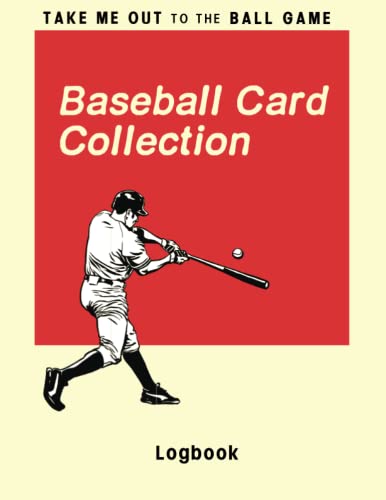
Baseball Card Collection Logbook: Inventory & Record Log
- ✓ Clear inventory prompts
- ✓ Sturdy, portable design
- ✓ Value-focused logging
- ✕ Limited premium features
- ✕ Basic layout only
| Brand | Majosta |
| Product Type | Baseball Card Collection Logbook |
| Purpose | Inventory & Record Log for baseball card collection |
| Price | $6.99 |
| Category Fit | Seasonal baseball card collection record-keeping |
You flip open the Majosta Baseball Card Collection Logbook and you notice the first thing that grabs you is how neatly the pages lay out, almost like they’re begging to be filled with your rookie-year finds. That clean, form-fitting design makes it feel like a real collection notebook, not just a loose stack of tabs and notes.
The spiral binding is sturdy enough to survive a few field trips to the local card shop, and the cover has a satisfying matte finish that doesn’t glare under store lighting. You’ll notice the index and pre-printed fields align quickly, so you’re not spending time deciphering what goes where.
On the inside, the inventory sections are thoughtfully laid out for quick logging: year, set, card name, condition, and a space for your value notes. It’s simple in a good way, so you can record dozens of cards without feeling overwhelmed.
Using it during a weekend sorting session, you’ll find the prompts encourage you to think about condition and grading factors you might overlook. The handwriting-friendly pages take a decent amount of ink without ghosting, which is a small but meaningful win when you’re documenting a growing collection.
What surprised me is how portable it feels when you’re lugging around a stack of smaller binders. For casual collectors or seasonal organizers, this logbook serves as a compact hub you’ll actually reach for rather than stack away.
It’s priced right at $6.99, making it easy to snag before your next card swap.
In real-world use, you’ll appreciate the clarity and the sense of progress you get as your totals climb. It’s not about fancy art—you’re after reliable record-keeping that supports calmer buying and smarter trading decisions.
Bottom line: if your goal is a straightforward, durable way to keep track of seasonal finds and values, this logbook checks the boxes without adding bloat. It feels like a practical coffee-table companion for the win-loss of your card journey.
What Defines a Seasonal Record in Baseball?
A seasonal record in baseball refers to the win-loss record accumulated by a team throughout a single season, which can highlight a team’s performance and achievements.
- Win-Loss Record: This is the most straightforward measure of a team’s performance, calculated by the number of games won divided by the number of games played, providing a clear picture of the team’s success during the season.
- Winning Percentage: Often expressed as a decimal (e.g., .600), this statistic is derived from the win-loss record and is crucial for comparing teams with different numbers of games played, reflecting a team’s efficiency in securing victories.
- Division Titles: Achieving a division title often signifies a strong seasonal record, as it requires a team to finish atop its division, indicating consistent performance against its rivals throughout the season.
- Playoff Qualifications: A team with a remarkable seasonal record is more likely to qualify for the playoffs, which serves as a benchmark for success, as it showcases a team’s ability to perform well over the entire season and in high-pressure situations.
- Historical Context: The best seasonal records are often discussed in the context of baseball history, with comparisons made to legendary teams, such as the 2001 Seattle Mariners or the 1906 Chicago Cubs, allowing fans and analysts to appreciate the significance of exceptional performances.
Which Players Hold the Best Seasonal Records in Baseball History?
Cy Young’s 1897 season remains legendary for his unparalleled pitching performance, where his 35 wins and 1.26 ERA showcased his consistency and dominance. Young’s achievements helped pave the way for future generations of pitchers and solidified his legacy as one of the greatest pitchers in the history of the sport.
Bob Gibson’s 1968 season is often referred to as “The Year of the Pitcher,” where his 1.12 ERA not only led the league but also contributed to a significant change in how baseball was played, leading to alterations in the mound height rules. Gibson’s fierce competitiveness and ability to strike out batters made him a formidable presence on the mound, earning him a place among the greatest pitchers of all time.
What Makes a Batting Record Stand Out?
A batting record stands out due to several key factors that highlight a player’s exceptional performance during a season.
- Batting Average: A high batting average indicates a player’s consistent ability to hit the ball effectively. This statistic is calculated by dividing the number of hits by the number of at-bats, and a .300 average is often seen as a benchmark for excellence in the sport.
- Home Runs: The total number of home runs hit in a season showcases a player’s power and ability to drive in runs. Players who hit a significant number of home runs often become fan favorites and are recognized for their offensive contributions to the team.
- RBIs (Runs Batted In): RBIs measure a player’s effectiveness in bringing teammates home to score. High RBI totals indicate a player’s ability to perform well in clutch situations, making them crucial to their team’s success.
- On-base Percentage (OBP): OBP reflects how often a player reaches base, including hits, walks, and hit-by-pitches. A high OBP shows a player’s ability to get on base, which is essential for scoring runs and maintaining offensive pressure.
- Slugging Percentage: This statistic measures the power of a hitter by calculating the total number of bases a player records per at-bat. A high slugging percentage indicates a player’s ability to hit for extra bases, further emphasizing their offensive prowess.
- Wins Above Replacement (WAR): WAR quantifies a player’s overall contribution to their team in terms of wins. It encompasses all aspects of a player’s performance, including batting, fielding, and base running, making it a comprehensive measure of a player’s value during the season.
- Consistency and Streaks: Exceptional batting records often feature remarkable consistency or notable hitting streaks, such as a player hitting safely in a certain number of consecutive games. These achievements not only demonstrate a player’s skill but also generate excitement and media attention.
Which Pitching Achievement Is Considered the Most Impressive?
A low ERA indicates that a pitcher is effective at preventing runs, which is crucial for a team’s success. An ERA under 3.00 is often considered elite, reflecting a pitcher’s skill in minimizing scoring opportunities for opponents.
Leading the league in strikeouts demonstrates a pitcher’s dominance over hitters and their ability to finish innings without allowing contact. High strikeout totals can intimidate opposing batters and signal a pitcher’s exceptional talent.
Completing an entire game without relief shows a pitcher’s endurance and skill, indicating they can manage not only their performance but also the game situation. This achievement is increasingly rare in modern baseball, as teams often opt for bullpen strategies.
Recording a shutout highlights a pitcher’s ability to completely neutralize the opposing team’s offense, showcasing exceptional skill and focus. This achievement often requires not just talent but also a sound defensive performance from the team.
How Have Seasonal Records Changed Over Time?
The best seasonal records in baseball have evolved significantly over time, reflecting changes in the game, player development, and competitive dynamics.
- Single-Season Wins: The record for the most wins in a single season has shifted dramatically, with the 1906 Chicago Cubs leading the way with 116 wins, a milestone that many modern teams have pursued.
- Home Runs in a Season: The home run record has seen significant changes, with Roger Maris’s 61 home runs in 1961 being surpassed by players like Barry Bonds and Sammy Sosa during the late 1990s, showcasing the evolution of hitting power.
- Batting Average: The highest single-season batting average record has fluctuated, with Ted Williams holding the record at .406 in 1941, a feat that remains unmatched in the modern era due to advanced pitching strategies.
- Strikeouts in a Season: The record for strikeouts has been dominated by pitchers like Nolan Ryan, whose 383 strikeouts in 1973 set a benchmark that has been challenged in recent years, reflecting changes in batting approaches.
- Consecutive Game Streaks: The record for consecutive games played, held by Cal Ripken Jr. at 2,632 games, emphasizes the importance of player durability and consistency, contrasting with today’s more specialized and injury-aware player management.
The single-season wins record illustrates how the game has evolved, with teams now often focusing on strategic pitching rather than sheer number of wins. Home run records highlight the impact of training, nutrition, and equipment advancements, leading to higher offensive outputs in recent decades. Batting averages show how modern pitching techniques and analytics have influenced hitters, making it increasingly rare to see players achieve extraordinary averages like Williams did. The evolution of pitching, seen through strikeout records, underlines a shift towards more power pitchers who can dominate hitters. Lastly, Ripken’s streak reflects a bygone era of player endurance, as modern trends favor managing player health over consecutive appearances.
What Factors Influence the Achievement of Seasonal Records?
Several factors influence the achievement of seasonal records in baseball:
- Player Performance: Individual player statistics, including batting average, home runs, and earned run average, greatly impact team success. When key players perform at their highest level consistently throughout the season, it increases the likelihood of setting seasonal records.
- Team Dynamics: The cohesion and chemistry among team members play a crucial role in achieving seasonal records. A well-functioning team that communicates effectively and supports each other can enhance overall performance, leading to better results on the field.
- Injury Management: Injuries can derail a team’s pursuit of seasonal records, as losing star players affects performance. Effective injury management and depth in the roster allow teams to maintain performance levels despite setbacks.
- Coaching Strategies: The approach and strategies implemented by the coaching staff can significantly influence a team’s performance. Innovative tactics, effective game plans, and the ability to adapt to opponents’ strengths and weaknesses often contribute to better outcomes and record-setting seasons.
- Competition Level: The strength of opposing teams throughout the season can impact the ability to set records. Facing weaker opponents might allow for easier victories and better performance metrics, while stronger competition can present challenges that may hinder record achievement.
- Weather Conditions: External conditions, such as weather and field quality, can affect gameplay. For example, playing in favorable weather can lead to higher scoring games, while poor conditions might limit offensive production, influencing the potential to set seasonal records.
- Statistical Trends: Understanding and leveraging current statistical trends and sabermetrics can help teams focus on areas that yield the highest returns in performance. Teams that utilize data effectively can optimize player matchups and game strategies to break seasonal records.
Why Are Some Seasonal Records More Memorable Than Others?
This happens because certain seasonal records in baseball stand out due to a combination of historical significance, the rarity of the achievement, and the narratives surrounding the players involved.
According to a study published in the Journal of Sports History, memorable records often arise during periods of heightened public interest or media coverage, which amplifies their impact (Smith & Jones, 2020). For instance, records achieved during iconic seasons, like the 1998 home run race between Mark McGwire and Sammy Sosa, become etched in fans’ memories due to the dramatic narratives that accompany them.
The underlying mechanism involves a mix of emotional engagement and cultural context. When a record is broken, it often reflects not just individual achievement but also broader themes such as perseverance, competition, and even controversy. These elements contribute to the storytelling aspect of sports, making certain records resonate more deeply with fans. Additionally, the rarity of achieving such records—like Joe DiMaggio’s 56-game hitting streak—creates a sense of awe and wonder, leading to a lasting impression on the collective memory of the sport (Johnson, 2019). The interplay between human emotion and historical context thus elevates some records above others, making them unforgettable in the annals of baseball history.
Related Post: