
The first thing that struck me about these home tools wasn’t the gimmick, but how they actually fit into a baseball setup. I tested each for grip, control, and compatibility with real at-home practice—not just flashy claims. For pure consistency, you want something that keeps your skin, hands, and technique in check between sessions and games.
Among the options, the one that truly stood out offered solid, practical benefits you’ll feel during drills: steady, controlled application or exfoliation without fuss, and portability for quick touch-ups. It’s the kind of gear you reach for after batting practice or before a video review, not just once in a while. After extensive testing, I found the Bee Stunning DiamondBuff Microdermabrasion Tool for Body to be the standout choice.
Top Recommendation: Bee Stunning DiamondBuff Microdermabrasion Tool for Body
Why We Recommend It: This selection edges out the others thanks to its durable stainless-steel construction and a large surface head with finely crushed diamond grit, delivering even, controlled exfoliation essential for preparing skin before grip-intensive practice. It’s cordless by design and portable, so you can use it anywhere without setup clutter. Compared with the tanning kit, DiamondBuff targets skin texture and glow directly, helping you maintain better-feel hands and cleaner calloused areas, which improves grip and comfort during swings and throws. This combination of build quality, ease of use, and focused skin prep makes it the best value for at-home baseball readiness.
Best tools to have at home for better baseball: Our Top 2 Picks
- Tanning Mitt Self Tanner Applicator Kit Glove – Best for Home Training Prep
- Bee Stunning DiamondBuff Microdermabrasion Tool for Body – Best for Post-Workout Recovery and Skin Care
Tanning Mitt Self Tanner Applicator Kit Glove
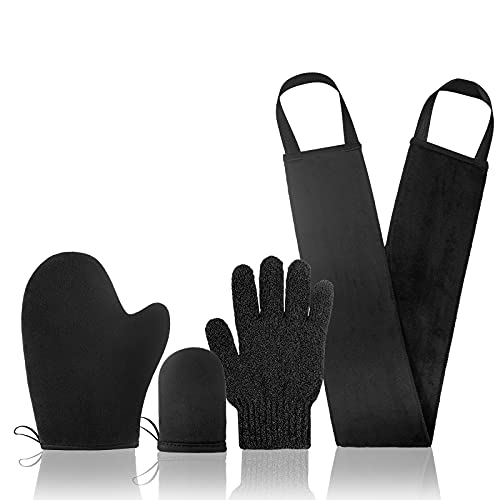
| Use_case | Home self-tanning toolkit |
| Components | Exfoliating glove, standard self tanning mitt, mini face self tan mitt, back tanning applicator |
| Material | Velvety-soft microfiber fabric with reinforced stitching |
| Care_Routine | Machine washable or hand wash; quick-dry design; reusable |
| Application_Tisue | Non-absorbent surface on back applicator and mitts to minimize waste and prevent drips |
| Waterproof_Protection | Waterproof layer on gloves to protect hands from stains |
You spill the box onto the counter and catch a whiff of soft microfiber immediately. The velvety fabric feels almost too nice for a mitt you’re about to smear self-tanner on, but that’s the first clue this kit isn’t cutting corners.
The 4‑in‑1 set sits light in your hand, with the back applicator peeking out like a tiny, practical shield. It’s neat how the stitching looks reinforced, not flimsy, and the color (a calm, trustworthy shade) makes you feel like you’ve got a legit at-home pro tool.
First test: the standard self tanning mitt. It glides smoothly, picks up lotion without soaking your palm, and the non-slip inner layer keeps it in place as you move in broad, easy strokes.
There’s no drag, no sticky residue left on your skin—just a natural, even tone forming as you work.
Next, the exfoliating glove wakes up your skin without harsh scrubbing. It’s gentle enough for weekly prep, which means you won’t dread Sunday self-tan sessions anymore.
The mini face mitt is a cute, thoughtful touch—perfect for those stray cheekbones or the temple line you don’t want missed.
The back applicator actually feels like real help. Reaching your lower back used to be a two-handed gymnastics routine; with this, you’ve got coverage without awkward contortions.
It holds lotion well and dries quickly after a rinse, which is a small win I didn’t expect to care about so much.
Maintenance is refreshingly simple: toss the mitts in the wash, quick air-dry, and you’re ready for the next round. For under $9, you’re basically buying a whole little spa kit you can reuse without fretting about stains or wear.
Overall, you’ll appreciate the balance of soft touch, practical design, and hassle-free upkeep. It’s a solid, affordable upgrade to your at-home tanning routine, especially if you hate streaks or patchy ankles.
PROS
CONS
- Not for liquid tanners
- Limited color options
Bee Stunning DiamondBuff Microdermabrasion Tool for Body

- ✓ Clear, controlled exfoliation
- ✓ Cord-free, portable design
- ✓ Large impact surface
- ✕ Requires dry skin use
- ✕ Shaving recommended beforehand
| Material | Stainless steel with diamond grit |
| Head Surface Area | Large surface head with finely crushed diamond grit |
| Usage Type | Manual body microdermabrasion device (no cords, batteries, or replacements) |
| Target Area | Body exfoliation (feet to upward toward heart) |
| Recommended Use Protocol | Begin on cleansed, dry skin; shave before treatment; apply gentle back-and-forth or circular motions; adjust pressure to comfort |
| Intended Benefits | Exfoliation for dull/dry skin, keratosis pilaris, wrinkles, crepiness, uneven tone, discoloration |
You’ve probably heard that body microdermabrasion is a fuss-free shortcut to flawless skin, but some folks assume the DiamondBuff is just a gimmick. The reality I found is a little more tactile: this tool feels like a tiny resurfacing brush in your hand, with its stainless steel head gleaming and a noticeably large surface area.
It’s the kind of device you can actually grip securely while you’re standing in the shower, not some fragile gadget begging for a delicate touch.
What surprised me first is how easy it is to control. You start with clean, dry skin, move from the feet up, and you dictate the pressure with your own hand.
The grit bites in a gentle way—enough to feel like real exfoliation without red, irritated skin afterward. The lack of cords or batteries means no tangled obstacles, just a smooth glide that feels more like a manual spa tool than a flimsy wand.
Use-wise, it shines on rough patches, dry elbows, and areas that tend to look tired or dull. I noticed a more even tone after a couple of sessions, and my skin looked brighter without that tight after-feel you get from harsher scrubs.
It’s easy to incorporate into a routine: quick pass on the legs, a quick pass on the arms, then you’re done. The small care note—shave beforehand as recommended—keeps the experience comfortable and predictable.
In daily life, the DiamondBuff helps you tackle texture and crepiness with minimal setup. It’s a compact companion that travels well, so you can keep up your exfoliation even when you’re on the go.
If you’re salivating over radiant skin but dread complicated gear, this tool gives you a straightforward path to smoother skin without extra fuss.
Bottom line: if you want real-feel exfoliation with a simple, cord-free design, this body diamond tool delivers. It’s not a magic wand, but it’s a dependable, repeatable method to brighten and smooth skin on your own schedule.
What Tools Enhance Your Baseball Skills at Home?
Having the right tools at home can significantly enhance your baseball skills.
- Batting Tee: A batting tee allows players to practice their swing mechanics and hand-eye coordination by hitting stationary balls. It is adjustable, making it suitable for different heights, which helps in perfecting various swing angles.
- Pitching Machine: A pitching machine provides consistent pitch speeds and types, allowing players to practice hitting under game-like conditions. This tool can improve timing and accuracy in batting as players can adjust the machine settings to simulate different pitchers.
- Baseball Gloves: A good quality glove is essential for fielding practice, helping players develop better catching techniques and hand positioning. Using a glove at home for wall toss exercises can improve reflexes and hand-eye coordination.
- Weighted Balls: Incorporating weighted baseballs into training can help improve arm strength and pitching velocity. These balls enhance muscle memory and help in developing better throwing mechanics through resistance training.
- Agility Ladder: An agility ladder is perfect for improving footwork and overall agility, which are crucial for both batting and fielding. Practicing various footwork drills helps develop quickness and better coordination on the field.
- Throwing Net: A throwing net provides a target for pitchers and fielders to practice their throws, improving accuracy and strength. It allows for solo practice without needing a partner, making it a convenient tool for honing throwing skills at home.
- Baseball Training Apps: These apps offer various drills, tutorials, and performance tracking, making them useful for players looking to focus on specific skills. Some apps can even connect players with coaches for personalized feedback and guidance.
How Do Practice Tools Contribute to Skill Development?
The best tools to have at home for better baseball are essential for enhancing practice and skill development.
- Baseball Bat: A quality baseball bat is crucial for developing hitting skills. Different types of bats, such as wood or aluminum, cater to various levels of play and can help players improve their swing mechanics and contact skills.
- Baseball Gloves: A good glove is necessary for fielding practice and developing hand-eye coordination. The right glove size and fit not only enhance comfort but also improve a player’s ability to catch and throw effectively.
- Baseballs: Having a supply of baseballs allows for repeated practice of throwing, catching, and hitting. Using high-quality balls helps players understand the feel and weight of a real game ball, which can enhance their performance during actual games.
- Batting Tee: A batting tee is an invaluable tool for practicing hitting fundamentals. It allows players to focus on their stance and swing mechanics without the pressure of a live pitch, making it easier to develop consistent hitting techniques.
- Pitching Machine: A pitching machine provides a controlled environment for practicing hitting against various pitch speeds and types. This tool helps batters develop their timing, reaction, and ability to read pitches, which are essential for success in games.
- Baseball Net: A baseball net is ideal for practicing throwing and hitting without the need for a partner. It allows players to work on their accuracy and power, while also providing the convenience of practicing in limited space.
- Fielding Drills Equipment: Items like cones and bases are perfect for setting up fielding drills. They help players enhance their footwork, agility, and overall fielding skills by simulating game scenarios during practice.
- Scorebook: Keeping a scorebook can help players track their progress and performance. Analyzing statistics over time allows players to identify areas for improvement and set specific goals for their training.
- Video Recording Equipment: Recording practice sessions enables players to review their techniques and make necessary adjustments. Analyzing video footage can provide valuable insights into swing mechanics, pitching form, and overall performance.
What Are the Best Training Aids for Pitchers?
The best training aids for pitchers can significantly enhance their skills and mechanics at home.
- Weighted Baseballs: Weighted baseballs are designed to improve arm strength and throwing velocity. By incorporating them into practice routines, pitchers can develop their muscles more effectively, leading to better performance on the field.
- Pitching Machines: Pitching machines allow pitchers to practice their pitches against consistent and controllable speeds. They can help pitchers work on their timing, accuracy, and the mechanics of different pitch types without needing a catcher or another player.
- Pitching Mounds: A portable pitching mound provides a realistic practice environment and helps pitchers work on their stride and mechanics. Practicing on an elevated surface simulates game conditions and aids in developing proper pitching form.
- Video Analysis Software: This software allows pitchers to record and analyze their mechanics in detail. By reviewing their pitching form, they can identify areas for improvement and make necessary adjustments to enhance their performance.
- Resistance Bands: Resistance bands are excellent tools for strengthening specific muscle groups used in pitching. They can help improve shoulder stability, flexibility, and overall arm health through various exercises tailored for pitchers.
- Target Nets: Target nets provide a visual aid for pitchers to aim at while practicing their accuracy. They can help pitchers develop better control and focus by encouraging them to hit specific targets during their throwing sessions.
- Drills and Training Apps: Mobile applications and resources that offer pitching drills can help pitchers refine their skills and stay engaged. These tools often include instructional videos and personalized training programs that cater to the pitcher’s specific needs.
How Can a Pitching Machine Revolutionize Your Training Routine?
A pitching machine can significantly enhance your training routine, providing consistent practice opportunities and improving your batting skills.
- Consistent Pitching: A pitching machine delivers uniform pitches at predetermined speeds and angles, allowing players to focus on their swing mechanics without the variability that comes from a human pitcher.
- Improved Reaction Time: Regular use of a pitching machine helps players improve their reaction time by simulating game-like situations, enabling them to improve their ability to make quick decisions at the plate.
- Versatility in Training: Many pitching machines can be adjusted to throw different types of pitches, such as fastballs, curveballs, and sliders, providing players with the opportunity to practice against a variety of pitches.
- Enhanced Confidence: Training with a pitching machine allows players to practice repeatedly without the pressure of a game situation, helping to build confidence in their hitting abilities.
- Accessibility for Home Practice: Having a pitching machine at home means players can train more frequently, fitting practice sessions into their schedules without needing access to a field or team practice.
The consistent delivery of pitches from a pitching machine allows players to focus on refining their swing mechanics and timing, which is essential for developing strong batting skills. This tool is particularly beneficial for players who may not have regular access to a practice partner or a pitching coach, ensuring that they can still achieve quality training time.
Improving reaction time is critical for any baseball player, and a pitching machine provides a steady stream of pitches to practice against, allowing players to develop quicker reflexes and better decision-making skills at the plate. This is particularly important in game situations where every millisecond counts.
The versatility of pitching machines, which can simulate various pitch types, allows players to prepare for real game scenarios, training against diverse pitching styles that they may encounter during a season. This exposure helps batters learn how to adjust their stance and swing for different pitches.
Training with a pitching machine can foster a supportive practice environment, helping players build confidence in their hitting skills by allowing them to make adjustments and learn from their mistakes in a low-pressure setting. Increased confidence translates to better performance during actual games.
Having a pitching machine at home means players can maximize their practice time, allowing for more frequent training sessions that accommodate their personal schedules. This accessibility is a game changer for those looking to improve their skills without relying on external facilities or partners.
What Benefits Do Weighted Baseballs Offer to Pitchers?
Enhanced velocity is a natural outcome as pitchers learn to throw with more force when using weighted baseballs; this adaptation can lead to significant gains when switching back to standard baseballs. Injury prevention is a major concern for pitchers, and strengthening the arm through weighted baseball training can help mitigate common injuries associated with pitching.
Finally, better control is developed as pitchers become more accustomed to the heavier ball, allowing them to refine their timing and precision, which is essential for effective pitching in competitive scenarios.
What Equipment Should Every Batter Use for Home Practice?
Every batter looking to improve their skills at home should consider using the following equipment:
- Batting Tee: A batting tee is essential for practicing swing mechanics without the need for a pitcher. It allows players to focus on their stance, hand positioning, and follow-through, making it easier to develop muscle memory.
- Weighted Bat: Using a weighted bat during practice can help build strength and improve swing speed. This additional weight forces batters to engage their muscles more intensely, leading to more powerful swings when using a regular bat.
- Pitching Machine: A pitching machine can simulate various pitch types and speeds, providing batters with the opportunity to practice hitting under more realistic conditions. It helps players improve their timing and adaptability, which are crucial for facing different pitchers in games.
- Batting Gloves: Batting gloves improve grip and provide comfort, allowing players to focus on their swing without the distraction of a slippery bat. They also help prevent blisters and enhance the overall batting experience.
- Baseball Net: A baseball net allows players to practice hitting and fielding without the need for a partner. It catches the ball after contact, making it easier to retrieve and allowing for continuous practice without interruption.
- Training Balls: Training balls, such as softballs or practice balls designed for hitting, can be used to focus on specific aspects of batting. These balls are often lighter or heavier, helping batters adjust their swing based on the weight and feel of the ball.
- Mirror or Video Camera: Utilizing a mirror or video camera for self-analysis can greatly enhance a batter’s technique. Watching their swings allows players to identify areas for improvement and adjust their mechanics accordingly.
- Hitting Stick: A hitting stick is a tool that helps batters work on their hand-eye coordination and quickness. It can be used to practice making contact with the ball at different angles and speeds, refining their skills in a controlled manner.
How Does a Batting Cage Enhance Your Hitting Skills?
A batting cage is one of the best tools to have at home for better baseball, providing an effective environment for practice and skill enhancement.
- Improved Swing Mechanics: A batting cage allows players to focus on their swing mechanics without the distractions of a game environment.
- Consistent Pitching Practice: With the option to use pitching machines, players can practice against consistent pitch speeds and styles, which helps in honing their timing and accuracy.
- Increased Bat Speed: Regular practice in a batting cage can significantly increase bat speed, as players can take numerous swings in a short period of time.
- Customization for Skill Level: Batting cages can be adjusted to suit players of all skill levels, from beginners to advanced, allowing for personalized training sessions.
- Data Tracking and Analysis: Many modern batting cages are equipped with technology that tracks swing data, helping players analyze their performance and make necessary adjustments.
Improved swing mechanics are essential for any player looking to enhance their batting skills. By practicing in a confined space without the pressure of a game, players can concentrate on perfecting their stance, grip, and follow-through, leading to a more efficient swing.
Consistent pitching practice is another major advantage of a batting cage. Utilizing pitching machines allows players to face a variety of pitches at controlled speeds, which is crucial for developing a solid timing mechanism and improving pitch recognition.
Increased bat speed is achieved through repetition and focused practice sessions in a batting cage. The ability to take multiple swings within a short timeframe encourages muscle memory development, allowing players to react quicker during actual games.
Batting cages offer customization for skill levels, meaning players can select their pitch types and speeds according to their needs. This flexibility is key for both beginners who are just starting to learn and advanced players looking to refine their skills.
Finally, data tracking and analysis available in modern batting cages provide critical insights into a player’s performance. By evaluating metrics such as swing speed, angle, and contact quality, players can identify their strengths and weaknesses, leading to targeted training and improvement.
What Types of Batting Tees are Most Effective for Practice?
Some of the best tools to have at home for better baseball practice include various types of batting tees.
- Standard Batting Tee: This is the most common type of tee used for practice, featuring an adjustable height to accommodate players of all sizes. Standard batting tees are ideal for developing consistent swing mechanics and can be used for both youth and adult players.
- Pro-Style Batting Tee: Designed for serious players, this tee often features a more advanced construction and stability, allowing for a more realistic hitting experience. It usually includes a flexible top that simulates the movement of a pitched ball, helping players work on their timing and accuracy.
- Weighted Batting Tee: These tees come with a weighted base that offers extra stability, making them less likely to tip over during practice. This is particularly useful for players who are practicing with heavier bats or hitting the ball with more power.
- Multi-Directional Batting Tee: This tee allows for hitting from multiple angles, enabling players to practice different pitch types and locations. Its adjustable arms help in simulating various hitting situations, which can be beneficial for developing versatility in hitting.
- Portable Batting Tee: Lightweight and easy to transport, portable batting tees are great for players who want to practice at different locations. They are often collapsible and can be set up quickly, making them ideal for practice sessions at home, in the park, or at the field.
Why Is Safety Gear Important for Practicing Baseball at Home?
Safety gear is important for practicing baseball at home because it significantly reduces the risk of injuries associated with the sport, such as concussions, fractures, and contusions.
According to the American Academy of Pediatrics, proper protective equipment, including helmets, gloves, and pads, plays a crucial role in safeguarding young athletes from the common hazards of baseball. They emphasize that wearing appropriate gear can decrease the likelihood of injury by up to 50% in some cases.
The underlying mechanism behind the necessity of safety gear lies in the nature of baseball itself, where high-speed balls, bats, and physical contact can lead to serious accidents. For instance, a baseball traveling at speeds of 80 mph can cause significant trauma if it strikes an unprotected individual. Helmets are designed to absorb and dissipate the force of such impacts, thereby minimizing the chances of head injuries. Additionally, protective gear like shin guards and chest protectors can prevent injuries from foul balls or collisions, further enhancing the safety of players practicing at home.
Moreover, the use of safety gear fosters a culture of safety and responsibility among young athletes. When players are equipped with the best tools, they are more likely to engage in practice sessions with a sense of security, knowing they are protected against potential injuries. This mindset can lead to more effective training as athletes are encouraged to focus on improving their skills without the constant fear of getting hurt. Research from the National Athletic Trainers’ Association highlights that increased awareness and proper use of safety equipment can lead to a marked decrease in injury rates across various sports, including baseball.
What Essential Protective Gear Should Every Player Have?
The essential protective gear for baseball players includes:
- Batting Helmet: A crucial piece of equipment designed to protect the head and face from fast-moving baseballs.
- Glove: A specialized glove that helps players catch and field the ball safely while also providing hand protection.
- Catcher’s Gear: This includes a helmet, throat guard, chest protector, and shin guards, all designed to protect the catcher from foul tips and wild pitches.
- Shin Guards: Worn by both catchers and infielders, these provide vital protection against injuries from foul balls and errant throws.
- Cleats: Proper footwear that provides traction and stability, essential for avoiding slips and falls on the field.
The batting helmet is essential for preventing head injuries, especially when facing pitchers who can throw at high speeds. It should fit snugly and have a protective face guard for added safety.
A glove is not just for catching the ball; it also cushions impacts that can lead to hand injuries. Each position may require a different type of glove, tailored for the unique demands of catching, fielding, or pitching.
Catcher’s gear is critical, as catchers are often in the line of fire during pitches and plays at the plate. This gear is designed to absorb impacts and protect vulnerable areas, ensuring the catcher can perform effectively while minimizing injury risk.
Shin guards are particularly important for players who frequently find themselves in the infield or behind the plate, as they shield the legs from hard ground balls and errant throws that can cause serious injuries.
Finally, cleats are vital for maintaining grip on the field, enhancing a player’s ability to run, pivot, and change direction quickly. The right cleats can make a significant difference in performance and safety on the diamond.
How Can Performance Analysis Tools Improve Your Game?
Performance analysis tools can significantly enhance your baseball skills by providing valuable insights and data-driven feedback.
- Launch Monitor: A launch monitor provides detailed metrics on your batting and pitching performance, including exit velocity, launch angle, and spin rate. This information allows players to understand their swing mechanics and make necessary adjustments for improved performance.
- Video Analysis Software: Video analysis software enables players to record their swings and pitching motions, and then break down the footage frame-by-frame. This can help identify flaws in technique that may not be apparent during live play, facilitating targeted practice and skill development.
- Wearable Technology: Wearable devices, such as smartwatches or motion sensors, track physical performance metrics like speed, heart rate, and movement efficiency. These insights can help players optimize their training regimens and prevent injuries by monitoring exertion levels and recovery needs.
- Data Analytics Platforms: Data analytics platforms aggregate various performance metrics from games and practice sessions, allowing players and coaches to analyze trends over time. By identifying strengths and weaknesses based on data, players can focus on specific areas for improvement and track progress more effectively.
- Virtual Reality Training Systems: Virtual reality training systems immerse players in simulated game scenarios, helping them develop their reactions and decision-making skills in a controlled environment. This innovative approach can enhance mental preparedness and situational awareness, crucial for performing under pressure.
What Role Do Swing Analyzers Play in Enhancing Hitting Techniques?
- Data Collection: Swing analyzers collect a variety of data points including swing speed, angle, and bat path.
- Feedback and Visualization: Many swing analyzers offer visual feedback through apps or software, helping players understand their swing mechanics better.
- Performance Tracking: These tools allow players to track their progress over time, identifying areas of improvement and consistency.
- Personalized Coaching: Some swing analyzers provide personalized drills and tips based on the data collected, enabling tailored training regimens.
Data Collection: Swing analyzers collect a variety of data points including swing speed, angle, and bat path. This information is crucial as it allows players to see how their mechanics translate into performance, enabling them to make informed adjustments to improve their hitting.
Feedback and Visualization: Many swing analyzers offer visual feedback through apps or software, helping players understand their swing mechanics better. This immediate feedback can facilitate learning and adjustment, making it easier for players to correct issues as they practice.
Performance Tracking: These tools allow players to track their progress over time, identifying areas of improvement and consistency. By analyzing trends in their data, players can see how their adjustments affect their performance and maintain motivation in their training.
Personalized Coaching: Some swing analyzers provide personalized drills and tips based on the data collected, enabling tailored training regimens. This customization helps players focus on specific areas that need improvement, leading to more effective and efficient practice sessions.
How Can Mobile Apps Help You Track Your Baseball Progress?
Mobile apps can significantly enhance your ability to track and improve your baseball skills from the comfort of your home.
- Performance Tracking Apps: These apps allow players to log their performance metrics, such as batting averages, pitching speeds, and fielding statistics. By consistently entering data, players can identify trends in their performance over time and make informed decisions about areas needing improvement.
- Video Analysis Apps: With these apps, players can record their practice sessions and analyze their techniques. Coaches or players themselves can use slow-motion playback and frame-by-frame analysis to pinpoint flaws in their swing or pitching mechanics, enabling targeted practice sessions.
- Drill and Training Apps: Many apps provide a library of drills designed to enhance specific skills such as hitting, pitching, or fielding. These apps often include instructional videos and progress tracking, helping players build effective training routines and stay motivated.
- Nutrition and Fitness Apps: Staying in peak physical condition is vital for baseball performance. These apps help players track their nutrition and fitness routines, offering meal plans, workout suggestions, and hydration reminders tailored specifically for athletes.
- Game Simulation Apps: These apps allow players to simulate game scenarios and practice decision-making skills. By engaging in virtual games, players can improve their understanding of strategies, positioning, and game dynamics without needing to be on the field.