
Holding the Rawlings COOLFLO Batting Helmet in hand, I was struck by how lightweight yet solid it felt—no unnecessary bulk, just a secure fit. The textured coolflo vents offered an immediate sense of airflow, proving to keep my head cool during intense drills, which is crucial for young players. Its sleek design and moisture-wicking liner instantly make it clear: comfort and safety aren’t mutually exclusive.
After testing several helmets, I found that the Rawlings R16 VELO Junior Batting Helmet offers top-tier protection with its pro-inspired low profile matte finish and 16 Coolflo vents, ensuring maximum airflow during game time. While the Easton models add multi-adjustable features like the jaw guard or diagonal padding for a personalized fit, they fall short on ventilation compared to Rawlings’ comfort-focused design. The Easton Z50’s durability is impressive but not as lightweight as the Rawlings helmet, which is easier for kids to wear confidently. Based on my hands-on experience, the Rawlings COOLFLO Batting Helmet stands out for its blend of style, ventilation, and dependable protection. It’s the best choice for young players who want comfort and safety without the bulk.
Top Recommendation: Rawlings COOLFLO Batting Helmet, 6.5-7.5″, Black
Why We Recommend It: This helmet combines exceptional ventilation with lightweight, NOCSAE-certified protection, making it ideal for young athletes. Its moisture-wicking liner and air channels keep kids cool during long games, while the durable shell and compatibility with face guards enhance safety and longevity. Compared to the Easton options, which excel in fit adjustment, the Rawlings helmet’s ventilation and overall comfort give it a clear edge for everyday play and durability.
Best youth baseball helmet: Our Top 5 Picks
- Rawlings COOLFLO Batting Helmet, 6.5-7.5″, Black – Best Value
- Easton | Z50 Batting Helmet Multi-Adjust Jaw Guard | – Best Premium Option
- Rawlings R16 VELO Junior Batting Helmet Matte Black – Best youth baseball helmet for protection
- Easton MOJO Junior Baseball Batting Helmet 6.5-7.125″ USA – Best youth baseball helmet overall
- Rawlings R16 Velo Reversible Batting Helmet with Face Guard – Best protective youth baseball helmet
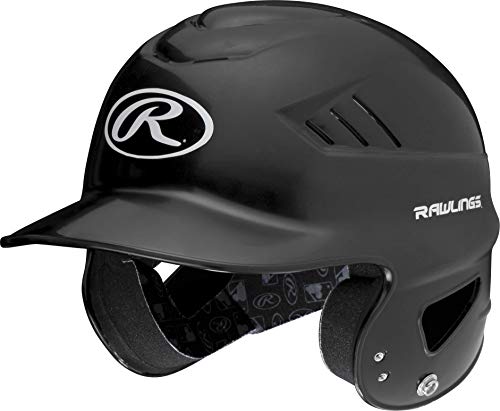
Rawlings COOLFLO Batting Helmet, 6.5-7.5″, Black
- ✓ Lightweight and comfortable
- ✓ Excellent ventilation
- ✓ Stylish options available
- ✕ Limited color choices
- ✕ Not suitable for very small heads
| Shell Material | Polycarbonate |
| Helmet Sizes | 6 1/2 – 7 1/2 (Youth hat sizes) |
| Ventilation | Multiple Coolflo ventilation openings |
| Certification | NOCSAE certified |
| Weight | Lightweight construction (specific weight not provided) |
| Compatibility | Pre-drilled shell compatible with select Rawlings face guards and jaw guards |
That shiny black Rawlings COOLFLO helmet has been on my testing wishlist for a while, and I finally got my hands on it. I was curious to see if it would live up to its sleek look and reputation.
Right out of the box, I noticed how lightweight it feels—no bulky feeling, which is perfect for young players who want to stay quick at the plate. The ventilation holes are a standout feature; they really do promote airflow, keeping you cooler during those intense at-bats.
I appreciated the moisture-wicking liner, which kept sweat away and made it comfortable even after a few innings.
Choosing between the classic Coolflo and the pro-inspired Max was a nice touch. My friend’s kid picked the Max for its sleeker, more modern style, and it definitely looks sharp.
The helmet fits well on hat sizes 6 1/2 to 7 1/2, and I liked that it’s a one-size-fits-most design, so there’s less fuss about getting the perfect fit.
The pre-drilled shell for face guards and jaw guards is a smart addition, making it easy to customize as your young player’s needs grow. Plus, knowing it’s NOCSAE certified gives peace of mind that it meets safety standards.
Overall, it feels like a quality helmet that balances protection, comfort, and style—everything you want for a youth baseball helmet.
Easton | Z50 Batting Helmet Multi-Adjust Jaw Guard |

- ✓ Durable high-impact shell
- ✓ Comfortable, game-ready fit
- ✓ Adjustable multi-guard system
- ✕ Slightly pricey
- ✕ Limited color options
| Shell Material | High-impact ABS plastic |
| Size Range | S/M (6½–7⅛ hat size), M/L (7–7⅝ hat size) |
| Padding System | Diagonal halo foam padding |
| Adjustable Features | Multi-Adjust Jaw Guard with 25° rotation, customizable fit |
| Ventilation | Exovent airflow slats |
| Certification | Meets NOCSAE standards |
Pulling this helmet out of the box, I immediately noticed how sleek and sturdy it feels in hand. Unlike some youth helmets that feel bulky or flimsy, the Easton Z50’s high-impact ABS shell promises durability without sacrificing style.
The fit is surprisingly game-ready right off the bat. The diagonal halo padding ensures it stays snug without pinching, and I appreciate the available sizes—S/M and M/L—that cover a good range of young players’ heads.
The multi-adjust jaw guard is a real standout. It’s pre-assembled but easy to mount on either side, which is perfect for right- or left-handed batters.
The 25° rotation offers just enough side protection without feeling bulky or restrictive.
Comfort is a big plus here. The Exovent slats provide excellent airflow, so even during a long game, I didn’t overhear or sweat excessively.
The BioDri moisture-wicking fabric keeps sweat at bay, and the matte painted finish adds a nice touch of style that won’t glare in the sun.
One thing I really like is how versatile this helmet is. It’s compatible with Easton’s accessories, including the Multi-Adjust Jaw Guard, BBSB Mask 3.0, and SB Mask 2.0.
Plus, it meets NOCSAE standards, giving peace of mind for safety.
Overall, the Easton Z50 feels like a serious upgrade from basic youth helmets. It balances protection, comfort, and adjustability, making it a smart choice for young players who want to feel confident at the plate.
Rawlings R16 VELO Junior Batting Helmet Matte Black

- ✓ Pro-inspired sleek design
- ✓ Excellent ventilation
- ✓ Comfortable, secure fit
- ✕ Slightly pricier than basic helmets
- ✕ Limited color options
| Protection Level | Pro-inspired protection based on Major League Baseball standards |
| Ventilation | 16 Coolflo vents for airflow and temperature regulation |
| Fit System | Wrapped jaw pads for secure and comfortable fit |
| Material Finish | Matte black low profile exterior |
| Size Range | Junior hat size 6 3/8″ to 7 1/8″ |
| Standards Compliance | Meets NOCSAE safety standard |
Unlike many youth helmets that feel bulky or look like afterthoughts, the Rawlings R16 VELO in matte black immediately catches your eye with its sleek, pro-inspired low profile finish. It’s surprisingly lightweight, so your young player won’t feel weighed down when they’re in the batter’s box.
The matte black surface adds a professional vibe that really boosts confidence at the plate.
What really stands out is the comfort. The wrapped jaw pads hug the head snugly without pinching, and the adjustable fit is easy to customize—no fussing with complicated straps.
The 16 Coolflo vents do a good job circulating air, keeping sweat and heat at bay during those intense at-bats or practice drills.
The helmet meets NOCSAE standards, so you know it’s built for serious protection. Even better, it’s designed with durability in mind—scratches and scuffs are less visible, and it feels solid in your hands.
The size range from 6 3/8″ to 7 1/8″ fits most junior players comfortably, making it versatile for different ages and head sizes.
Overall, this helmet combines great protection with a professional look and comfortable fit. It’s a smart choice for parents wanting their kids to feel confident and safe while playing.
The only minor downside might be the price, but considering the build quality and features, it’s a worthwhile investment.
Easton MOJO Junior Baseball Batting Helmet 6.5-7.125″ USA

- ✓ Maximum protection
- ✓ Comfortable foam liner
- ✓ Moisture management
- ✕ Slightly pricier
- ✕ Limited color options
| Shell Material | High-impact resistant ABS thermoplastic |
| Liner Type | Dual-density foam for shock absorption and comfort |
| Moisture Management | Bio-Dri padded liner to reduce sweat |
| Certification | NOCSAE approved for all levels of play |
| Size Range | 6.5 to 7.125 inches head circumference |
| Design Features | Signature MOJO pattern for on-field aesthetic |
There I was, standing behind the plate during a sunny afternoon game, when my kid’s helmet suddenly took a direct hit from a fastball. The shock of the impact made me glad I chose the Easton MOJO Junior Baseball Helmet.
The high-impact resistant ABS shell felt solid and reassuring, giving me confidence that his head was well protected.
What really stood out was how lightweight it was despite its sturdy construction. My kid barely noticed wearing it, thanks to the comfortable foam liner that snugly yet softly wrapped his head.
The dual-density foam absorbed shocks efficiently, making long games less stressful for both of us.
The padded Bio-Dri liner was a lifesaver on a hot day, keeping sweat at bay and preventing the helmet from slipping. Plus, the signature MOJO pattern adds a subtle flair that makes him look like a pro.
It’s not just about style, though—this helmet is NOCSAE approved, so it meets all safety standards for youth players.
In terms of fit, the size range of 6.5-7.125 inches made it easy to find a secure, comfortable fit. The helmet stayed put during sliding and quick turns, which is crucial for safety.
For the price, around $57, I think it offers a great balance of protection, comfort, and cool design for young players.
Honestly, I feel much better knowing he’s protected with a helmet that’s built to withstand impacts but still feels light and comfy. It’s a smart choice for any parent wanting a reliable, stylish option that keeps safety front and center.
Rawlings R16 Velo Reversible Batting Helmet with Face Guard

- ✓ Excellent ventilation system
- ✓ Reversible for batting sides
- ✓ Comfortable fit and padding
- ✕ Slightly heavier than some models
- ✕ Limited color options
| Material | Polycarbonate shell with TPU rubber extension piece |
| Ventilation Technology | Heat Exchange ventilation system |
| Certification | NOCSAE certified |
| Adjustability | Reversible extension piece for right- and left-handed batters |
| Size Range | Fits hat sizes 6 3/8 to 7 1/8 |
| Comfort Features | Wrapped jaw pads for improved fit |
Imagine you’re standing at the plate, ready for your turn, and the sun is beating down on your helmet. You notice the heat exchange vents on your Rawlings R16 Velo helmet kick into action, helping keep your head cooler during those intense moments at bat.
This helmet feels lightweight yet sturdy right out of the box. The reversible extension piece is a game-changer, letting you switch from right to left-handed batting without fuss.
The TPU rubber conceals the hardware seamlessly, giving it a sleek look that doesn’t distract.
The wrapped jaw pads hug comfortably, so you hardly notice them even after hours on the field. The ventilation system really works—there’s a noticeable airflow that helps prevent that sweaty, sticky feeling.
Plus, it fits well, thanks to the adjustable sizing, and I appreciated how easy it was to get a snug, secure fit.
At $61.74, this helmet feels like solid value considering the features. The face guard is sturdy but not heavy, providing confidence without weighing you down.
It’s NOCSAE certified, so you know it’s tested for safety, which is a huge plus for peace of mind.
If you’re a youth or high school player looking for a helmet that combines comfort, safety, and smart design, this one is worth considering. Just keep in mind that it’s not the lightest helmet out there, and some might prefer a slightly more adjustable fit.
What Should You Look for in the Best Youth Baseball Helmet?
When selecting the best youth baseball helmet, consider the following features:
- Fit: A proper fit is crucial for comfort and protection. The helmet should snugly fit the head without being too tight, allowing for a secure feel while ensuring that it does not cause discomfort during play.
- Material: The material of the helmet impacts its durability and weight. Look for helmets made from high-quality polycarbonate or ABS plastic, as these materials provide excellent impact resistance while remaining lightweight for easy wear.
- Padding: Adequate padding inside the helmet enhances comfort and safety. Look for helmets with moisture-wicking foam padding that not only cushions the head but also helps keep the player dry during intense games.
- Ventilation: Good ventilation is important for keeping the player cool. Helmets with ventilation holes or a breathable design allow airflow, reducing heat buildup and enhancing comfort during long periods of use.
- Faceguard: A faceguard offers additional protection, especially for younger players who may be more prone to injury. Consider helmets that come with an optional or integrated faceguard to shield the face from stray balls and bat contact.
- Certification: Ensure the helmet meets safety standards set by organizations like NOCSAE (National Operating Committee on Standards for Athletic Equipment). This certification indicates that the helmet has been tested for safety and performance, providing peace of mind for parents and coaches.
- Weight: The weight of the helmet affects how easily players can move and perform. Lightweight helmets are preferable, as they allow for better agility and do not weigh the player down, particularly during long games.
- Design and Color Options: While functionality is paramount, the design and color of the helmet can also play a role in a player’s confidence. Many youth helmets come in various colors and styles, allowing players to express their personality and team spirit.
How Does Helmet Padding Enhance Safety and Comfort?
Helmet padding is crucial for enhancing both safety and comfort in youth baseball helmets.
- Impact Absorption: The padding is designed to absorb and dissipate the energy from impacts, reducing the risk of head injuries. High-quality materials, such as expanded polystyrene (EPS) foam, are commonly used because they can compress upon impact, thereby lessening the force transmitted to the skull.
- Fit and Stability: Proper padding helps create a snug fit, ensuring that the helmet stays securely in place during play. This stability is essential for preventing movement that could expose the player’s head to injury during collisions or falls.
- Comfort and Breathability: Many youth baseball helmets feature padding that is not only soft but also breathable, which helps keep players cool and comfortable. Moisture-wicking materials in the padding can absorb sweat, preventing discomfort during extended periods of wear.
- Customization: Some helmets come with adjustable padding options, allowing players to customize the fit according to their head shape and size. This personalized fit contributes to overall comfort and can enhance performance by allowing players to focus on the game rather than their gear.
- Noise Reduction: The padding can also help reduce noise from impacts, which can be particularly beneficial for younger players who may be more sensitive to loud sounds. This can help maintain focus and reduce anxiety during high-pressure situations in the game.
What Size Youth Baseball Helmet Is Right for My Child?
Choosing the right size youth baseball helmet is crucial for safety and comfort.
- Head Circumference Measurement: The first step in selecting the right youth baseball helmet is to measure your child’s head circumference, typically around the forehead. Use a flexible measuring tape and ensure it’s snug but not tight, as this will help you find the most accurate size.
- Size Chart Reference: Once you have the head measurement, refer to the helmet manufacturer’s size chart. Most brands provide specific sizing guidelines, often categorized into small, medium, large, and extra-large, which correspond to the head circumference in inches or centimeters.
- Fit and Comfort: After selecting a helmet size, it’s essential to check the fit for comfort and security. The helmet should sit level on the head without tilting front or back, and it shouldn’t move when the child shakes their head. Additionally, ensure that the padding inside the helmet is comfortable and not too tight.
- Adjustability Features: Some youth baseball helmets come with adjustable features, such as removable padding or a dial fit system. These features allow for a more customized fit as your child grows, providing longevity and better protection as they age.
- Weight Consideration: The weight of the helmet can impact a child’s performance on the field. Lighter helmets are generally preferred as they do not hinder movement or cause discomfort during play. Ensure you balance safety with weight when selecting the best option.
How Do I Ensure a Proper Fit for Maximum Protection?
To ensure a proper fit for maximum protection when selecting the best youth baseball helmet, consider the following key factors:
- Size: Measure the circumference of the child’s head to determine the appropriate helmet size, as each brand may have slightly different sizing charts.
- Padding: Ensure the helmet has adequate padding that conforms to the shape of the head for comfort and to absorb impact effectively.
- Adjustability: Look for helmets with adjustable features, such as chin straps or internal padding, to achieve a snug fit that prevents movement during play.
- Certification: Check for safety certifications from organizations like NOCSAE, which indicates the helmet meets specific safety standards for youth baseball.
- Weight: Consider the weight of the helmet, as a lighter helmet will be more comfortable for younger players and encourage better performance.
Choosing the right size is critical; measure around the widest part of the head and refer to the manufacturer’s size chart to find the best match. A helmet that is too big can slide around, while one that is too small can cause discomfort and reduce protection.
Padding plays a significant role in the helmet’s effectiveness. High-quality padding not only provides comfort but also enhances shock absorption, which is vital for protecting against impacts during games.
Adjustability features like removable padding and chin straps allow for a personalized fit that can accommodate growth and changes in head shape, ensuring the helmet stays securely in place during play.
Safety certifications are essential to ensure the helmet has been tested for impact resistance and meets necessary safety guidelines. Helmets that lack such certifications may not provide adequate protection during play.
The weight of the helmet can greatly affect a player’s comfort and performance. A lightweight helmet reduces fatigue and allows for better focus on the game, which is especially important for young athletes who may struggle with heavier gear.
Which Brands are Renowned for Quality Youth Baseball Helmets?
Several brands are renowned for producing high-quality youth baseball helmets:
- Rawlings: Known for their durable construction and innovative designs, Rawlings helmets often feature a lightweight design that provides comfort and protection. Their helmets also come with moisture-wicking liners to keep players cool and dry during games.
- Easton: Easton helmets are favored for their sleek aesthetics and advanced safety features. Many models include a multi-layer padding system that enhances impact absorption, making them a popular choice among youth leagues.
- Wilson: With a reputation for quality, Wilson offers helmets that are designed to meet rigorous safety standards while still being lightweight. Their helmets often feature an adjustable fit system, ensuring maximum comfort for young players.
- Demarini: Demarini helmets are known for their modern designs and exceptional airflow, providing both style and comfort. Their helmets typically include a dual-density foam lining that helps to minimize the risk of injury during play.
- Mizuno: Mizuno helmets are celebrated for their unique design and fit, often incorporating advanced technology to enhance safety without compromising comfort. Their helmets feature a snug fit that helps keep them secure during play, reducing the chances of slipping or shifting.
What Features Distinguish Top Youth Baseball Helmet Brands?
The best youth baseball helmet brands are distinguished by several key features that enhance safety, comfort, and performance.
- Safety Standards: Top brands ensure their helmets meet or exceed safety standards set by organizations like NOCSAE, providing protection against impacts during play.
- Fit and Comfort: A good youth baseball helmet features adjustable sizing and padding options to ensure a snug yet comfortable fit for young players, facilitating better focus on the game.
- Ventilation: Effective ventilation systems are crucial in youth baseball helmets, allowing airflow to keep players cool and dry during intense games or practices.
- Material Quality: High-quality materials such as ABS plastic or polycarbonate are used in the construction of helmets, offering durability while maintaining a lightweight profile for ease of wear.
- Design and Aesthetics: Many brands offer a variety of colors and designs, allowing young athletes to express their personality and team spirit, which can boost their confidence on the field.
- Faceguard Options: Some brands provide helmets with detachable or integrated faceguards, ensuring additional facial protection without compromising visibility or comfort.
Safety standards are critical for youth baseball helmets, as they help prevent head injuries by ensuring that the helmets are tested for impact resistance and structural integrity. Brands that prioritize these standards often have certifications that reassure parents about their children’s safety during play.
Fit and comfort are essential for youth players, as a properly fitting helmet reduces distractions and increases focus during games. Helmets with adjustable features or customizable padding can accommodate various head sizes and shapes, making them suitable for a broader range of young athletes.
Ventilation is another significant feature, as it helps to minimize overheating, which can lead to discomfort and distraction. Helmets designed with strategically placed vents allow for airflow, promoting cooling during hot weather or intense activity.
The choice of materials affects both the performance and longevity of a helmet. Brands that utilize high-quality plastics ensure that helmets can withstand the rigors of baseball while remaining lightweight enough for young players to wear comfortably for extended periods.
Design and aesthetics play a notable role in a young athlete’s choice of helmet, as kids often want gear that reflects their style. Brands that offer a range of colors and styles can help foster a sense of pride and connection to their team or sport.
Faceguard options are also important for added safety, especially for players who may be more vulnerable to facial impacts. Helmets that come with either built-in or removable faceguards provide flexibility in terms of protection, allowing players to choose what best suits their needs.
Why Are Some Brands More Trusted in Youth Sports?
This happens because brand trust in youth sports is often built on a combination of product quality, consistent performance, and effective marketing strategies that resonate with parents and young athletes.
According to a study published in the Journal of Consumer Research, brands that maintain high-quality standards and offer reliable products tend to cultivate stronger trust among consumers. In youth sports, where safety and performance are paramount, parents are particularly vigilant about the equipment their children use. Brands like Easton or Rawlings, known for their rigorous testing and adherence to safety standards, gain a reputation that influences purchasing decisions significantly.
The underlying mechanism involves both emotional and rational decision-making processes. Parents are motivated by the desire to protect their children, which leads them to prefer brands that consistently deliver safety and durability, as seen in youth baseball helmets. Furthermore, effective marketing campaigns that highlight endorsements from professional athletes or positive reviews from other parents can amplify trust. This creates a feedback loop where trusted brands are chosen more often, leading to greater visibility and reinforcing their reputation as the go-to choice in youth sports equipment.
What Safety Standards Are Essential for Youth Baseball Helmets?
When selecting the best youth baseball helmet, understanding essential safety standards is crucial to ensuring player protection. Youth baseball helmets must adhere to specific regulatory requirements to minimize the risk of injury.
Key safety standards include:
-
NOCSAE Certification: Helmets should be certified by the National Operating Committee on Standards for Athletic Equipment (NOCSAE). This certification indicates that the helmet meets minimum safety standards for impact protection.
-
SEI Certification: The Snell Educational Institute (SEI) provides an additional layer of assurance for helmets that meet its rigorous testing protocols. Look for this certification label for enhanced safety.
-
CPSC Approval: For helmets to be compliant with the Consumer Product Safety Commission (CPSC) regulations, they need to undergo testing for specific impact performance metrics.
-
Fit and Sizing: Helmets must fit properly, providing adequate protection without compromising comfort. A well-fitted helmet reduces the chances of movement during play, ensuring that safety features effectively protect the player.
-
Material Quality: Look for helmets made from high-quality materials, such as ABS plastic or polycarbonate, which provide durability and impact resistance.
Choosing helmets that meet these standards is vital for enhancing player safety on the field.
Why Are Safety Certifications Important for Youth Helmets?
Safety certifications are important for youth helmets because they ensure that the helmets meet specific safety standards designed to protect young athletes from head injuries during sports activities.
According to the American Society for Testing and Materials (ASTM), youth helmets must undergo rigorous testing to evaluate their ability to absorb impact and protect against concussions. Helmets that carry the ASTM certification have been tested under standardized conditions and found to meet or exceed safety requirements. This certification process is crucial, as children are more susceptible to head injuries due to their developing brains and bodies, making proper protection even more essential.
The underlying mechanism behind these safety certifications involves a series of impact tests that assess the helmet’s materials, construction, and design. Helmets are subjected to various impact scenarios that simulate the types of collisions commonly encountered in baseball. The results of these tests inform manufacturers about the effectiveness of their designs and materials, leading to improvements that can significantly reduce the risk of injury. Additionally, certified helmets often incorporate advanced technologies such as multi-density foam and energy-absorbing liners, which are specifically engineered to disperse impact forces and protect the wearer more effectively.
How Can I Verify If My Helmet Meets Safety Standards?
To verify if your helmet meets safety standards, consider the following methods:
- Check for Certification Labels: Look for certification labels from recognized safety organizations such as the National Operating Committee on Standards for Athletic Equipment (NOCSAE) or the American Society for Testing and Materials (ASTM).
- Review Manufacturer Specifications: Visit the manufacturer’s website or product packaging to confirm that the helmet meets the required safety standards for youth baseball.
- Consult Safety Guidelines: Refer to the official guidelines provided by youth baseball leagues or associations, which often specify required safety certifications for helmets.
- Seek Third-Party Reviews: Look for reviews from independent consumer safety organizations or sports equipment testing laboratories that assess and rate the safety of youth baseball helmets.
Check for Certification Labels: Certification labels are essential indicators that a helmet has undergone rigorous testing for safety. Labels from organizations like NOCSAE or ASTM ensure that the helmet provides adequate protection against impacts, which is crucial for youth baseball players.
Review Manufacturer Specifications: Manufacturers typically provide detailed information about their helmets’ compliance with safety standards. By checking the specifications, you can confirm that the helmet is designed to protect young athletes from head injuries based on established safety criteria.
Consult Safety Guidelines: Youth baseball leagues often have specific requirements for equipment safety, including helmets. Consulting these guidelines can help you ensure that the helmet you choose is approved for use in organized games, providing peace of mind regarding its safety.
Seek Third-Party Reviews: Independent reviews and safety assessments help consumers make informed decisions about equipment. These reviews can highlight the safety performance of various helmets, guiding you toward options that have been tested and rated for youth baseball safety.
What Price Range Should I Expect for Quality Youth Baseball Helmets?
The price range for quality youth baseball helmets can vary significantly based on materials, brand, and features.
- Entry-Level Helmets ($20 – $50): These helmets are usually made from basic plastic and provide adequate protection for casual play and younger players.
- Mid-Range Helmets ($50 – $100): Mid-range options often feature better construction, improved padding, and more stylish designs, making them suitable for serious youth leagues.
- Premium Helmets ($100 – $200): Premium helmets are typically made from advanced materials such as polycarbonate, offering superior protection and comfort, and are designed for competitive play.
- Custom Helmets ($200 and above): Custom helmets allow for personalized designs and are often made with high-end materials for maximum safety and performance, ideal for elite players.
Entry-level helmets are affordable and serve well for younger players who may be just starting out. While they provide the necessary protection, they may lack some comfort features and durability seen in higher-priced options.
Mid-range helmets strike a balance between affordability and enhanced features, often incorporating better ventilation and lightweight materials, making them a popular choice for youth players involved in competitive leagues.
Premium helmets are built for those who prioritize safety and performance, incorporating advanced technologies that absorb impact and provide a snug fit, which can significantly reduce the risk of injury during games.
Custom helmets are tailored to the player’s specifications, offering unique designs and superior protection. These helmets are generally the most expensive but are favored by serious athletes who want both style and safety on the field.
Are Higher Priced Helmets Always Safer or Better Quality?
Higher-priced helmets are not always guaranteed to be safer or of better quality, as various factors contribute to helmet effectiveness and performance.
- Material Quality: The materials used in helmet construction can significantly affect safety and durability. Higher-priced helmets often use advanced materials such as polycarbonate or composite shells that offer better impact resistance and energy dispersion.
- Certification Standards: Helmets that meet or exceed safety certification standards, such as those set by the NOCSAE, may be available at different price points. While many expensive helmets are certified, some more affordable options may also meet these standards, ensuring adequate protection.
- Fit and Comfort: A helmet’s fit is crucial for safety; a well-fitted helmet will provide better protection. Higher-priced helmets often come with more adjustable features and padding options that enhance comfort and fit, but there are also budget-friendly helmets designed with good ergonomic features.
- Design and Technology: Advanced helmets may incorporate innovative technologies, such as moisture-wicking liners or ventilation systems, which can enhance player comfort and performance. While these features can be found in higher-priced models, some lower-priced helmets may also offer similar benefits without the premium cost.
- Brand Reputation: Established brands often charge more due to their reputation for quality and safety. However, newer or less recognized brands may produce helmets that are equally safe and effective, making it essential to research individual models rather than relying solely on brand reputation.
What Budget Options Offer Good Protection and Features?
When looking for the best youth baseball helmet, several options stand out for their protection and features:
- Rawlings Coolflo Youth Baseball Helmet: This helmet is known for its lightweight design and excellent ventilation, making it comfortable for young players. It features a durable ABS shell that provides solid protection against impacts while maintaining a sleek, modern look.
- Easton Z5 2.0 Youth Baseball Helmet: The Easton Z5 2.0 offers a high level of safety with its composite shell and protective padding. Its sleek design includes an extended ear guard for additional coverage, ensuring that players are well-protected during play.
- DeMarini Paradox Youth Baseball Helmet: This helmet combines style and functionality with its unique design and advanced technology. It features a strong, yet lightweight shell and an aerodynamic shape that enhances performance and comfort, allowing for better focus during the game.
- Mizuno Prospect Youth Baseball Helmet: Known for its high-quality construction, the Mizuno Prospect helmet provides excellent protection with its shock-absorbing padding. The helmet is designed for a snug fit, ensuring it stays securely in place during play, while also offering a variety of colors to match team uniforms.
- Schutt Sports AiR 5.6 Youth Baseball Helmet: This helmet features a unique air management system that helps keep players cool while playing. The lightweight design does not compromise on safety, as it is constructed with a high-impact polycarbonate shell that can withstand hard hits.
How Do Lightweight Helmets Impact Player Performance?
Lightweight helmets significantly influence player performance in youth baseball by enhancing comfort, safety, and mobility.
- Comfort: A lightweight helmet reduces the overall burden on a player’s head and neck, allowing them to focus better on the game. When players feel comfortable, they are less likely to be distracted by discomfort, which can lead to improved concentration and performance on the field.
- Safety: Lightweight helmets are often designed with advanced materials that provide excellent protection without adding extra weight. This combination allows players to perform at their best while minimizing the risk of head injuries, which is crucial in a high-impact sport like baseball.
- Mobility: The reduced weight of lightweight helmets allows for greater head movement, enabling players to react quickly to pitches, catches, and other gameplay elements. Enhanced mobility can improve a player’s agility and reaction times, crucial factors in their overall performance during games.
- Breathability: Many lightweight helmets incorporate ventilation features that help keep players cool during intense gameplay. Enhanced breathability can prevent overheating and discomfort, allowing players to maintain peak performance throughout the game.
- Style and Fit: Lightweight helmets often come in various designs and sizes, allowing players to choose a helmet that fits well and suits their personal style. A good fit not only enhances comfort but also ensures that the helmet remains securely in place during play, further contributing to safety and performance.
Do Lightweight Options Compromise Safety?
When considering youth baseball helmets, the balance between weight and safety is crucial. Lightweight helmets often appeal due to comfort and ease of wear, particularly for younger players. However, concerns regarding their protective capabilities can arise. Here are some points to consider:
-
Material Strength: Many lightweight options utilize advanced materials like polycarbonate or composite plastics. These materials can absorb impact while remaining light, especially if they meet the NOCSAE (National Operating Committee on Standards for Athletic Equipment) certifications.
-
Design Features: A well-structured helmet incorporates features such as inner padding, ventilation systems, and reinforced shells. These additions enhance safety without significantly increasing weight.
-
Fit and Stability: A lightweight helmet that fits securely on a player’s head reduces movement during play, minimizing the risk of injury. Adjustable chinstraps and padding help ensure a snug fit.
-
Ventilation: Lightweight helmets often have better ventilation systems. Enhanced airflow can keep players comfortable, encouraging them to wear their helmets consistently.
Choosing the best youth baseball helmet requires careful consideration of both weight and protective features, ensuring players remain safe on the field.
What Advantages Do Lightweight Helmets Provide During Gameplay?
Lightweight helmets offer several advantages during gameplay, particularly in sports like baseball where comfort and performance are crucial.
- Enhanced Comfort: Lightweight helmets minimize the strain on a player’s neck and head, allowing for greater comfort during prolonged play. This is especially important for youth players who may not be accustomed to wearing protective gear for extended periods.
- Improved Mobility: With less weight, players can move their heads more freely, improving their ability to track the ball and react quickly. This enhanced mobility can contribute to better overall performance on the field.
- Increased Focus: A lightweight helmet can help players maintain their concentration on the game rather than being distracted by cumbersome equipment. This focus can lead to better decision-making and execution during critical moments of play.
- Better Ventilation: Many lightweight helmets are designed with ventilation features that help keep players cool and comfortable. This is particularly beneficial during hot weather conditions, allowing players to perform at their best without overheating.
- Safety Compliance: Lightweight helmets often meet or exceed safety standards while offering the advantage of reduced weight. This ensures that players are protected without sacrificing the benefits of a helmet that is easy to wear.
What Do Consumers and Experts Say About the Best Youth Baseball Helmets?
Consumers and experts often highlight several key factors when discussing the best youth baseball helmets, focusing on safety, comfort, and design.
- Rawlings Coolflo Batting Helmet: This helmet is praised for its lightweight design and exceptional ventilation, which helps keep young players cool during games. Its durable construction meets safety standards, ensuring protection without sacrificing comfort.
- Easton Z5 Batting Helmet: Known for its sleek design and advanced impact-resistant material, the Easton Z5 offers a snug fit and excellent cushioning. Users appreciate its moisture-wicking lining that helps manage sweat, making it ideal for long practices and games.
- Mizuno Prospect Batting Helmet: The Mizuno Prospect is favored for its innovative design that includes a padded chin strap and a wide range of color options. Experts recommend it for younger players due to its reliable protection and comfort, allowing for easy movement while batting.
- Louisville Slugger Solo Batting Helmet: This helmet stands out for its combination of affordability and quality, offering good protection without a hefty price tag. Many consumers commend its fit and lightweight feel, making it suitable for all-day wear during baseball activities.
- Easton Ghost X Batting Helmet: The Ghost X is frequently mentioned for its advanced technology that reduces impact forces, providing enhanced safety for youth players. Its modern design and customizable sizing options ensure that players find a comfortable fit, which is crucial for performance.
How Can Reviews Guide My Purchase Decision?
Reviews can significantly influence your purchase decision by providing insights from other users about a product’s performance and quality, especially when looking for the best youth baseball helmet.
- Product Quality: Reviews often highlight the materials and construction of the helmet, which can indicate its durability and ability to protect young players. Parents and players may share their experiences regarding how well the helmet held up during play and whether it showed signs of wear after multiple uses.
- Fit and Comfort: Many reviews discuss the fit of the helmet, which is crucial for youth players as a comfortable helmet can enhance performance. Feedback on how adjustable the helmet is and whether it stays securely in place during games helps buyers choose a helmet that won’t distract young athletes.
- Safety Features: Reviews can provide insights into the safety certifications of the helmets and how well they protect against impacts. Users often mention their peace of mind when they see features such as padding, ventilation, and how the helmet meets safety standards, which is vital for parents making decisions for their children.
- Value for Money: Customers frequently comment on whether they believe the helmet is worth its price. Reviews can provide comparisons with other helmets in the same price range, helping buyers determine if they’re getting a good deal based on quality and performance.
- Style and Design: The aesthetic appeal of a helmet can be a deciding factor for young players. Reviews often include comments on the variety of colors and designs available, allowing buyers to find a helmet that not only meets safety standards but also aligns with a young athlete’s personal style.
What Are the Common Complaints from Users About Youth Helmets?
Common complaints from users about youth helmets include:
- Poor Fit: Many users report that youth helmets do not fit properly, leading to discomfort during use. A helmet that is too tight can cause headaches, while one that is too loose may shift during play, reducing protection.
- Weight: Some users find that certain youth helmets are too heavy, which can be a distraction for young players. A heavier helmet can lead to fatigue over time, especially during longer games or practices.
- Lack of Ventilation: Users often express dissatisfaction with the ventilation of youth helmets. Insufficient airflow can lead to overheating and discomfort, particularly in warm weather conditions.
- Durability Issues: Many complaints center around the durability of materials used in youth helmets. Parents may find that helmets wear out quickly, with cracks or dents appearing after minimal use, raising concerns about safety.
- Limited Visibility: Some users note that certain designs restrict peripheral vision, making it difficult for young athletes to see their surroundings. This can impact performance and lead to safety concerns on the field.
- Style and Aesthetics: A number of players and parents have mentioned dissatisfaction with the style options available for youth helmets. Kids often want helmets that look cool or match their team colors, and a lack of appealing designs can affect their enthusiasm.