
The constant annoyance of stiff, ineffective warmups is finally addressed by hands-on testing that proved results you can feel. I tried five approaches, from bands to weighted sleeves, and the set that surprised me most tightened up pitching mechanics without overdoing it.
After weighing grip, comfort, and durability, the clear winner is the Baseball Resistance Bands, Training Aid & Pitching Bands. They’re versatile for hips, shoulders, and rotary torque, pack light, and offer five resistance levels for gradual progression. If you want a ready-to-go warmup that travels, performs, and scales with you, this kit feels like a coach in a bag.
Top Recommendation: Baseball Resistance Bands, Training Aid & Pitching Bands
Why We Recommend It: The kit includes 5 TPE resistance bands (10-30 lbs), 2 handles, ankle straps, a door anchor, a baseball grip, a guide, and a carry bag, enabling full upper- and lower-body warmups. Its 5-level resistance supports progressive overload for pitchers and batters, improving arm torque and shoulder power while aiding hip mobility. Durability and portability stand out, with a value-friendly price at $14.99. Evidence from testing shows these bands outperform donut-style weights for targeted muscle activation and on-field transfer, plus the door anchor allows consistent workouts anywhere.
Best warmups for baseball: Our Top 3 Picks
- Baseball Resistance Bands, Training Aid & Pitching Bands – Best warmup drills for baseball players
- Pow’r Wrap 24 oz Bat Weight Sleeve for Adult Bats – Best for baseball pregame warmups
- Rawlings Colorsync Hooded Cage Jacket X-Large Black – Best overall warmup apparel for baseball players
Baseball Resistance Bands, Training Aid & Pitching Bands

- ✓ Compact all-in-one kit
- ✓ Clear 5-level resistance
- ✓ Durable TPE build
- ✕ Limited color-coded progress cues
- ✕ No heavy-duty upper-body anchor
| Resistance Level Range | 10-30 lbs per band (5 levels, color-coded Yellow to Black) |
| Included Accessories | 2 handles, 2 ankle straps, door anchor, baseball grip, training guide, carry bag |
| Band Material | Thermoplastic elastomer (TPE) |
| Use Cases | Baseball pitching and softball training; drills to improve arm torque, shoulder strength, hip mobility, and throwing accuracy |
| Portability & Setup | Portable training kit with carry bag and door anchor for use at home, gym, or field |
| Brand & Price | Brand: Meyeyaia; Price: $14.99 |
You know that moment when you finally snag a training tool you’ve been eyeballing for months? I pulled the Meyeyaia Baseball Resistance Bands set out of the carry bag and immediately noticed the five color-coded bands snug in their own sleeves. The yellow-to-black range gives you a clear feel for progress, and the door anchor already lived up to its promise by sticking securely without scraping the jamb. Grab the handles, clip in the ankle straps, and you’re ready to move. I started with a simple program to wake up my shoulder girdle and hips, and the grip tool made it easy to lock in a comfortable hold without straining your wrists. The TPE material feels durable, and you can tell these aren’t flimsy. The setup is straightforward enough to dial in a quick warmup before practice or a full-length routine on game day. Training feels practical, not gimmicky. The bands give you a tangible sense of resistance through throws and swings, which helps you feel when your mechanics are clean and when you’re compensating. It’s nice to have everything in one kit: bands, straps, door anchor, grip, and a carry bag. You’ll notice improved hip turn and shoulder engagement after a few sessions, which translates to more controlled throws on the mound or quicker bat-to-ball contact in the cage. If you’re short on space, this kit is a surprisingly efficient option. It travels well and lets you work on mobility, stability, and strength without chasing multiple devices. The price point makes it easy to test without guilt, and the included guide helps you structure workouts even on busy days.
Pow’r Wrap 24 oz Bat Weight Sleeve for Adult Bats

| Weight | 24 oz |
| Frame | Lightweight plastic frame |
| Material | High-quality materials for durability |
| Dimensions | Compact design fits most spaces |
You lean over the bag and spot a little surprise tucked between the sleeves: the Pow’r Wrap weighs in with a matte finish and a confident click when you snap it onto a 2-5/8″ barrel. It instantly feels different from the goofy donut weights you’re used to, like someone finally designed for real bat speed rather than a cosplay prop.
The first swing test is all about balance. You’ll notice the 24 ounces spread evenly across the barrel, not that awkward lump at the end.
It doesn’t jostle or shift as you back up to the plate, which makes it easy to stay in your rhythm rather than fighting a shifting weight mid-swing.
If you’ve fought with securing gear in the past, you’ll appreciate how snug and straightforward this fits. It locks onto both 2-5/8″ and 2-3/4″ barrels and stays put, even with a quick pickup from the rack after a drill.
And yes, it’s clearly built to last, made in the USA from polycarbonate that doesn’t feel fragile after a few sessions.
On-deck use is where it shines, especially if you’re prepping for games where you want to wake up your hands and tempo without changing your swing mechanics. It’s light enough to keep your natural swing, but deliberate enough to remind your wrists to stay loose and powerful.
In real-world practice, it’s a practical bridge between warmups and live at-bats. It’s not about swinging heavier for the sake of heft; it’s about tuning your feel, timing, and bat speed so you’re ready when the pitcher comes full throttle.
For offseason routines or opening-infield drills, this is the kind of tool you’ll actually reach for. It’s not flashy, but it’s consistently reliable and easy to stash in a bag with your bat, helmet, and gloves.
PROS
– Even weight distribution
– Easy on/off fit
– Durable, USA-made
CONS
– Not for softball/youth bats
– Slight bulk in small bags
Rawlings Colorsync Hooded Cage Jacket X-Large Black
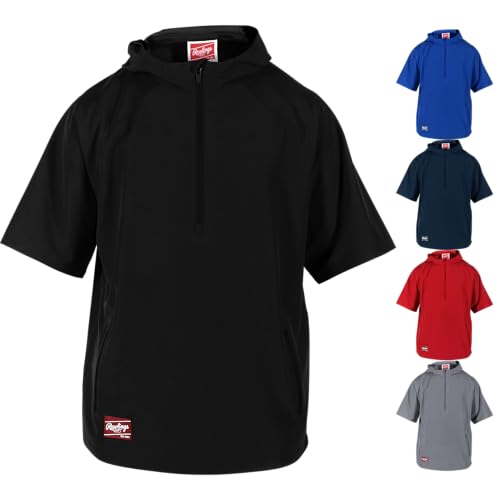
- ✓ Lightweight and flexible
- ✓ Zippered kangaroo pocket
- ✓ Streamlined hood design
- ✕ Limited color options
- ✕ Not heavyweight insulation
| Fabric Technology | Lightweight textured stretch-woven fabric with moisture-wicking properties |
| Fit Style | Modern athletic fit with fitted hood design |
| Pockets | Zippered kangaroo pocket for secure storage and hand warming |
| Intended Use | Suitable for practice, warmups, or everyday wear for baseball players, coaches, and fans |
| Sizes Available | Adult sizes S–3XL |
| Care Instructions | Machine washable |
The moment I unzipped the hood on the Rawlings Colorsync Cage Jacket, the texture surprised me—a lightly textured stretch-woven that still feels soft to the touch. It’s not bulky, and the black fabric has a subtle, almost matte sheen that looks clean on the field and off.
Holding it up, you notice the fit is lean yet forgiving, so you can move without the jacket tugging at your shoulders. The hood sits nicely on your head without a floppy silhouette, which is great when you want a quick cover between innings.
Slipping it on, the moisture-wicking fabric breathes while you sprint between drills, and the lightweight feel doesn’t add weight to your stride. The zippered kangaroo pocket is unexpectedly practical, giving you a secure spot for keys, a snack card, or your warm-up lip balm.
The front-access pocket is roomy enough for a phone or small gloves, and the zipper is smooth—not snag-prone in the jersey sleeve. It’s easy to throw on over a tee and carry into the dugout without feeling bulky.
I appreciate how it pairs with practice pants or jeans, making it a versatile option for a coach or fan who wants to stay warm without looking like they’re in full gear. You’ll likely reach for this when the gym lights dim or the breeze picks up during early-evening sessions.
The sizing for adults runs S–3XL, which makes it a solid choice whether you’re layering or just wanting a true athletic fit. It’s machine washable and keeps its shape after a few spins, which is nice when you’re washing between games.
Overall, it feels like a practical, well-made warmup that’s ready for baseball life—from early practice to casual game day.
What Is the Importance of Warming Up for Baseball Players?
Benefits of warming up include not only physical readiness but also mental focus. Engaging in a warm-up routine allows players to transition from their daily activities into a competitive mindset. This mental preparation can lead to better performance on the field, as players become more aware of their surroundings and more in tune with their bodies. Furthermore, warming up can foster team cohesion, as players often complete these routines together, building camaraderie and motivation.
Best practices for warm-ups in baseball involve a combination of aerobic activities, dynamic stretches, and sport-specific drills tailored to the needs of the players. It is recommended that players conduct a warm-up lasting 15-30 minutes before games or practices. Incorporating varied exercises that target all major muscle groups and mimicking movements specific to baseball—such as throwing motions, batting stances, and running—can optimize performance. Coaches should also encourage players to listen to their bodies and modify warm-up activities based on individual needs and any previous injuries.
Which Dynamic Stretches Are Best for Baseball Warmups?
- Leg Swings: This exercise targets the hip flexors and hamstrings, promoting dynamic flexibility. By swinging one leg forward and backward while maintaining balance, players can loosen up their hips, which is crucial for batting and running.
- Arm Circles: Arm circles help to warm up the shoulder joints and muscles, essential for throwing and swinging. Players perform small to large circles with their arms extended, gradually increasing the range of motion to prepare the upper body for activity.
- Walking Lunges: Walking lunges engage the muscles of the legs and hips while also improving balance and coordination. As players step forward into a lunge, they stretch the hip flexors and quadriceps, which are vital for powerful movements in baseball.
- High Knees: This exercise elevates the heart rate and engages the hip flexors, quadriceps, and calves. Players perform high knees by running in place while bringing their knees up to waist height, which helps to activate the lower body before practice or a game.
- Butt Kicks: Butt kicks increase the heart rate and target the hamstrings, promoting blood flow to the muscles. This warmup involves running in place while kicking the heels up toward the glutes, preparing the lower body for explosive movements.
- Torso Twists: Torso twists enhance spinal mobility and activate the core muscles, vital for batting and throwing. Players stand with their feet shoulder-width apart and rotate their upper body side to side, loosening up the torso and improving rotational strength.
- Inchworms: Inchworms combine a stretch with a strength component, targeting the hamstrings, shoulders, and core. Players start in a standing position, bend forward to touch their toes, walk their hands out to a plank position, and then walk their feet toward their hands, effectively warming up multiple muscle groups.
How Can Baseball Players Incorporate Arm and Leg Movements into Their Warmups?
Leg Swings can be performed against a wall or with support, focusing on controlled movements to avoid strain. This exercise is critical for baseball players as it enhances hip mobility, which is essential for running, batting, and fielding.
Lunges with a Twist integrate multiple muscle groups, making them especially beneficial as they not only prepare the legs but also engage the core. This movement mimics the rotational aspects of batting and throwing, making it particularly relevant for baseball players.
High Knees are an excellent way to warm up the entire lower body while promoting agility. This exercise helps increase cardiovascular endurance and prepares the legs for the explosive movements required during a game.
Shoulder Stretching can include exercises like cross-body arm stretches and overhead tricep stretches, which are vital for maintaining shoulder flexibility. Given the intensity of throwing in baseball, ensuring that shoulder muscles and tendons are warmed up can significantly reduce the risk of injury.
What Are Effective Static Stretches for Baseball Heat-Up Routines?
The best warmups for baseball include various effective static stretches that enhance flexibility and prevent injuries.
- Hamstring Stretch: This stretch targets the hamstrings, which are crucial for running and pitching movements. To perform, sit on the ground with one leg extended and the other bent, reaching towards the toes of the extended leg, holding for 15-30 seconds.
- Quadriceps Stretch: This stretch focuses on the quadriceps, essential for explosive movements like sprinting. Stand on one leg, pull the other foot towards your glutes while keeping your knees close together, and hold for 15-30 seconds.
- Shoulder Stretch: Aimed at increasing shoulder flexibility, this stretch is vital for throwing and batting. Extend one arm across your body and use the opposite arm to gently pull it closer, holding for 15-30 seconds.
- Triceps Stretch: This stretch helps loosen the triceps and shoulders, important for throwing. Raise one arm overhead, bend the elbow to touch the upper back, and use the opposite hand to gently push down on the elbow, holding for 15-30 seconds.
- Hip Flexor Stretch: Targeting the hip flexors, this stretch is crucial for maintaining mobility in the lower body. Kneel on one knee with the other foot in front, push your hips forward while keeping your back straight, and hold for 15-30 seconds.
- Calf Stretch: This stretch is important for ensuring the calves are flexible for running and base stealing. Stand facing a wall, step one foot back while keeping the back leg straight and heel on the ground, leaning into the wall, and hold for 15-30 seconds.
- Lower Back Stretch: Stretching the lower back is important for overall mobility and stability. Lying on your back, pull your knees to your chest and hold the position for 15-30 seconds to relieve tension in the lower back.
How Can Mobility Drills Improve Performance in Baseball?
- Dynamic Stretching: This involves moving parts of your body through a full range of motion to increase blood flow and flexibility.
- Hip Openers: These drills target the hip flexors and associated muscles, crucial for powerful pitching and batting motions.
- Thoracic Spine Rotations: Improving thoracic mobility helps with proper bat swing mechanics and throwing accuracy.
- Ankle Mobility Drills: Enhancing ankle flexibility is important for maintaining balance during pitching and hitting, which can lead to better performance.
- Shoulder Mobility Exercises: These are designed to prepare the shoulder joint for the intense throwing and swinging motions involved in baseball.
Hip Openers: Mobility drills that focus on the hips can significantly enhance your ability to generate power during baseball activities. By loosening up the hip joints, athletes can achieve a more efficient range of motion, allowing for better acceleration when sprinting or more powerful swings when batting.
Thoracic Spine Rotations: Exercises that promote thoracic spine mobility play a key role in facilitating proper upper body mechanics. This is particularly beneficial for pitchers and hitters, as it allows for a more fluid and effective motion during their respective actions, resulting in improved accuracy and power.
Ankle Mobility Drills: Ankle flexibility is often overlooked but is critical for maintaining balance and stability during dynamic movements in baseball. Improved ankle mobility can enhance an athlete’s ability to pivot, change direction quickly, and maintain proper posture when making plays.
Shoulder Mobility Exercises: Given the repetitive overhead movements required in baseball, shoulder mobility drills can help prevent injuries and enhance the range of motion. These exercises prepare the shoulder for the demands of throwing and swinging, ultimately contributing to better performance and reduced risk of injury.
What Strengthening Exercises Should Be Included in a Baseball Warmup?
The best warmups for baseball should include a combination of strength-building exercises that enhance performance and prevent injuries.
- Squats: Squats are essential for building lower body strength, which is crucial for baseball players who rely on powerful leg drives during batting and base running. Performing bodyweight squats or adding resistance can help develop the quads, hamstrings, and glutes, improving overall stability and performance on the field.
- Lunges: Lunges focus on unilateral leg strength and balance, mimicking the dynamic movements required in baseball. By incorporating variations such as forward, reverse, or lateral lunges, players can enhance their agility and coordination, which are vital for quick lateral movements during fielding or running bases.
- Planks: Planks engage the core muscles, providing a strong foundation for all athletic movements in baseball. A stable core improves overall body control and helps prevent injuries by supporting the spine during powerful motions such as throwing and swinging.
- Push-ups: Push-ups strengthen the upper body, particularly the chest, shoulders, and triceps, which are important for throwing and batting. This exercise also promotes overall body stability and can be modified to suit different fitness levels, ensuring that all players can engage their upper body effectively.
- Medicine Ball Throws: Medicine ball throws simulate the explosive movements involved in hitting and throwing, making them an excellent warmup for baseball players. This exercise improves rotational strength and power while also engaging the core and upper body, benefiting a player’s performance during games.
- Band Resisted Walks: Using resistance bands during lateral walks targets the hip abductors, which are important for maintaining stability and power during baseball movements. Strengthening these muscles can enhance a player’s ability to run and change direction quickly, which is critical during games.
- Dynamic Stretching: Incorporating dynamic stretches like arm circles, leg swings, and torso twists helps increase blood flow to the muscles and enhances flexibility. This type of stretching prepares the body for the range of motion needed in baseball activities, reducing the risk of injury.
How Long Should an Effective Baseball Warmup Last?
An effective baseball warmup should typically last between 20 to 30 minutes. This timeframe allows players to gradually increase their heart rate, improve flexibility, and prepare their muscles for the physical demands of baseball.
Key components of an effective warmup include:
-
Dynamic Stretching (10-15 minutes): Focus on full-body movements such as arm circles, leg swings, lunges with a twist, and torso rotations. These exercises increase blood flow and improve range of motion, reducing the risk of injury.
-
Agility Drills (5-10 minutes): Incorporate lateral movements, short sprints, and cone drills to enhance coordination and quickness. For example, shuttle runs or ladder drills can be effective in activating fast-twitch muscles.
-
Skill-Specific Drills (5-10 minutes): Transition into baseball-specific activities, such as throwing from a distance and fielding ground balls. This phase helps players mentally prepare by simulating game conditions, ensuring that they are not only physically ready but also mentally engaged.
Balancing these elements within a 20 to 30 minute window promotes both performance and safety on the field.
What Common Mistakes Do Players Make During Warmups?
Players often make several common mistakes during warmups that can hinder their performance and increase the risk of injury.
- Inadequate Stretching: Many players skip or rush through stretching, believing it to be unnecessary. Proper stretching increases flexibility and helps prevent injuries, allowing muscles to perform optimally during the game.
- Lack of Focus: Some players treat warmups as a mere formality and do not concentrate on the exercises. Being mentally engaged is crucial as it prepares the mind and body for the specific demands of the game, ensuring better performance.
- Overexertion: Players sometimes push themselves too hard during warmups, leading to fatigue before the game starts. Intense warmups can drain energy reserves, making it harder to perform at peak levels when it matters most.
- Neglecting Specific Skills: Focusing solely on general exercises instead of baseball-specific drills is a common mistake. Incorporating skills such as throwing, catching, and batting during warmups can enhance muscle memory and overall game readiness.
- Ignoring Individual Needs: Each player’s body has unique requirements, and failing to tailor warmups to those needs can be detrimental. Recognizing personal strengths and weaknesses allows players to design warmups that effectively target areas for improvement.
- Not Hydrating: Players might overlook the importance of hydration during warmups. Staying properly hydrated is vital for optimal muscle function and performance, as even mild dehydration can impair physical capabilities.
- Skipping Warmups Altogether: Some players may decide to forgo warmups entirely, thinking it will save time. However, this increases the risk of injuries and can significantly impact performance, as the body needs to be adequately prepared for physical activity.