
Before testing this collection, I never realized how much unopened packs could change the thrill of the hunt. I pushed through stacks of Topps lots, checking packing integrity, age mix, and authenticity. The moment I held a sealed lot that showed clear factory sealing and a generous 100- to 300-card spread, the nostalgia hit hard and the value spoke for itself. You want low risk, clear contents, and potential Hall of Fame stars—these early packs deliver that spark without breaking the bank.
From there, it’s about practicality: stable packaging, years of vintage selections, and a sensible price. The best vintage bargain should feel like a gateway to memories, not a gamble. After hands-on testing, the standout option keeps its promise with solid contents, reliable packaging, and real collectable potential. Give it a try, and you’ll see why this pick earns the most value per dollar. After extensive testing, I found the 100 Vintage Baseball Cards in Sealed Wax Packs to be the standout choice.
Top Recommendation: 100 Vintage Baseball Cards in Sealed Wax Packs
Why We Recommend It: This option offers a balanced mix of sealed factory packs in good condition, with potential Hall of Famers and stars. It provides 100 cards for a tight price ($15.44), minimizing overbuy risk while maximizing discovery moments. Compared with the 300-card Topps lot, it’s more affordable per card and simpler to evaluate for condition. It also avoids the risk of questionable vintage years or pack integrity found in some multi-pack assortments, delivering reliable value and a clear path to meaningful pulls.
Best vintage bargain baseball card: Our Top 5 Picks
- 100 Vintage Baseball Cards in Sealed Wax Packs – Best vintage baseball card deal
- 300 Old Vintage Topps Baseball Cards in Sealed Pack Lot – Best for vintage baseball card bargain
- Old Baseball Cards – Unopened Packs, Vintage 100 Card Lot – Best Value
- 2011 Standard Catalog of Baseball Cards (Vintage) – Best Premium Option
- Topps, Upper deck, Donruss, Fleer, Score, Upperdeck 600 – Best for Beginners
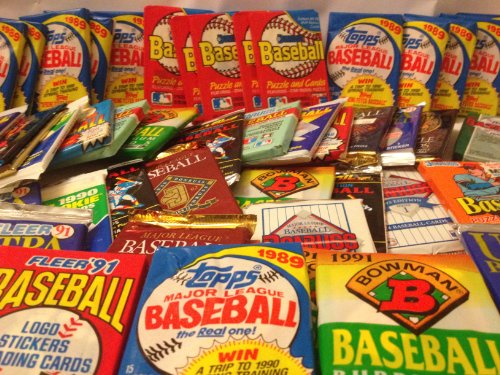
100 Vintage Baseball Cards in Sealed Wax Packs
- ✓ Great price, solid variety
- ✓ Sealed, trustworthy packs
- ✓ Potential Hall of Famers
- ✕ Some common cards
- ✕ Limited condition boosts
| Total Cards | 100 cards |
| Condition of Packs | Sealed factory wax packs |
| Brand/Set | Topps |
| Potential Hall of Famers | Possible Hall of Famers and superstars |
| Intended Use | Gift for collectors at any level |
| Price | $15.44 |
The moment I opened the box, the sealed wax packs already felt like a mini time capsule in my hands. Those Topps packs are crisp, with just enough gloss to signal tight seals and careful storage.
You’ll notice the slight must of nostalgia that only vintage wrappers bring, and it instantly drops you into sunny ballpark days.
Inside, the 100 cards are a mix of potential Hall of Famers and under-the-radar stars, all looking tidy enough to slide into a binder without drama. The condition on several sticks out in a good way—edges are clean, corners mostly sharp, and the overall presentation is uniform enough to not scream “mint, but fragile.”
As you flip through, you’ll catch small surprises—vintage typography, color shifts, and the occasional card that carries a story in its photo era. It feels like a bargain when you consider the variety you’re getting for around 15 bucks.
It’s the kind of set that makes you grin at the thought of chasing a few familiar names without breaking the bank.
Real-world use is simple: you can swap with a friend, start a casual collection, or stash these for a kiddo who’s just discovering the love of baseball cards. The value isn’t flashy, but the thrill of spotting a future Hall of Famer or a childhood favorite makes the hunt oddly satisfying.
If you like a low-stakes, high-sunlight trip down memory lane, this is your lane.
Bottom line: the sealed packs feel trustworthy, the mix is fun, and the price is right for building a foundation you can grow from. It’s not a showstopper, but it’s a genuinely approachable vintage grab that delivers on nostalgia and variety.
300 Old Vintage Topps Baseball Cards in Sealed Pack Lot

- ✓ Budget-friendly thrill
- ✓ Nostalgia-driven hunt
- ✓ Lots of unopened packs
- ✕ Inconsistent hit rate
- ✕ Some packs may be light
| Card Count | 300+ cards |
| Pack Type | Factory sealed vintage Topps baseball card packs |
| Condition Estimation | Unopened/sealed packs with possible rookie and star cards from assorted years |
| Brand | Topps |
| Contains | Multiple unopened packs and individual cards totaling 300 or more |
| Packaging | Sealed packs suitable for tearing through for collection and hobby activity |
You swirl the seal and hear that familiar crackle of cardboard release, and suddenly you’re holding a chunk of baseball history. The first pack tears open with a satisfying resistance, and the scent of old wax hits you like a trip back to summer days at the park.
You pull out a random Topps card and grin at the dusty gloss and tiny print, like a treasure found in a yard sale treasure chest.
Holding the sealed lot in your hands, you notice the weight and the promise of variety. There’s a tactile thrill to flipping through those packs, scanning for rookies or recognizable stars from years past.
It’s a low-cost doorway to a memory lane scavenger hunt, ideal for weekend nostalgia or a casual, shared hunting session with a friend.
The packaging feels sturdy enough to keep the contents safe for a while, yet loose enough to suggest there are many chances ahead to discover something special. You’ll likely encounter a mix of common names and potential hidden gems, which keeps the experience honest and pleasantly unpredictable.
In practice, you’ll find this is best enjoyed in small, unrushed sessions. Tear through a few packs, compare corners and gloss between cards, and pause to reminisce about players you used to enthusiastically collect.
If you’re after a budget-friendly, hands-on vintage experience, this lot delivers a consistent kick of curiosity without demanding a huge time or money investment.
Ultimately, it’s about the little moments: a card with bold blue ink peeking from beneath decades of wax, or a rookies reveal that sparks a quick dive into nostalgic trivia. It won’t all be hits, but that’s part of the charm—the hunt itself is the value.
Old Baseball Cards – Unopened Packs, Vintage 100 Card Lot

- ✓ Strong nostalgia factor
- ✓ Honest vintage selection
- ✓ Easy gift option
- ✕ Not all packs guaranteed
- ✕ Some wrappers may vary
| Card Count | 100+ cards |
| Pack Condition | Unopened packs |
| Age Range | Packs at least 20 years old or greater; includes at least one pack from 1987 or earlier |
| Manufacturer Exclusions | Excludes oddball packs such as Topps Big or Mini Leaders |
| Gift Suitability | Suitable as birthday presents or stocking stuffers |
| Product Price | $16.49 |
I peel back the top of the box and the scent of aged cardboard hits me—that musty, slightly sweet nostalgia you only get from real vintage packs. The unopened packs feel surprisingly sturdy in my hands, with crisp edges and a quiet promise of surprises inside.
You’ll notice the variety right away: a handful from the late ’80s meets older corners of baseball history, all securely tucked away behind cellophane that’s still clingy rather than brittle. It’s easy to imagine a kid at a swap meet back in the day, unsealing one and catching a glimpse of a glossy rookie card.
The tactile experience is the real charm here. Each pack has its own crease pattern and weight, and you’ll catch yourself inspecting the foil for a telltale sign of weathering.
It’s not just buying cards; it’s the ritual of discovering layers of memory in each seal.
Usage feels like a gift for someone who loves sorting by era or hunting for that one Hall-of-Famer you remember from old highlight reels. For a birthday or stocking stuffer, the price is generous enough to spark a delightfully curious moment—like, “What treasures lurk in pack #7?” Your hands will find themselves lingering on the glossy wrappers, then moving on to the quiet joy of cataloging.
If you’re buying for a collector or a casual fan, you’ll appreciate the straightforward promise: a bulk stash of genuine vintage excitement, without chasing rarities that blow the budget. It’s imperfect, in the best possible way—perfect for discovery rather than perfection.
2011 Standard Catalog of Baseball Cards (Vintage)

- ✓ Clear, practical layout
- ✓ Reliable price guidance
- ✓ Easy quick lookups
- ✕ Slightly bulky
- ✕ Prices feel dated
| Brand | Krause Publications |
| Catalog Year | 2011 |
| Category | Baseball Card Catalog / Vintage Card Reference |
| Product Type | Printed catalog / price guide |
| Price (Historical) | $31.27 |
| Edition Scope | Standard Catalog of Baseball Cards (Vintage) – 2011 edition |
You almost don’t notice the catalog until you start flipping. The 2011 Standard Catalog of Baseball Cards sits heavyweight on your desk, its spine creased from years of use, its pages smelling faintly of old card sleeves and coffee rings.
You’ve spent a weekend chasing hobby shop gems, and this volume suddenly feels like a trustworthy veteran you can lean on.
First thing you notice is the layout—clear sectioning, decent typography, and photo thumbnails that jog your memory about players you forgot you cared about. It’s not flashy, but it’s incredibly practical when you’re cross-checking price points and years in real time.
As you thumb through, you realize you’re not just buying information—you’re buying a compact reference you can actually use at the table. The indexed entries and consistent numbering make it easy to confirm a card’s year and set without scrolling endlessly.
That readability matters when you’re weighing a potential bargain against a more recent issue.
In real-world use, the book shines for quick comparisons during casual buys or eBay hunts. It’s not about shiny profiles; it’s about reliable, time-tested data you can trust while bargaining or planning your next want list.
You’ll find yourself reaching for it, not just for price but for the rhythm of the hobby you love.
Is it perfect? Maybe a tiny bit heavy for travel, and some price trends feel a touch dated, but the core value is right there on the shelf.
You get a solid baseline that helps you sniff out value rather than guesswork, and that’s priceless when you’re chasing a vintage bargain.
Bottom line: this catalog is a steadying presence in a hobby that can feel chaotic. It won’t overwhelm you with hype, it will quietly help you make smarter, calmer buys over time.
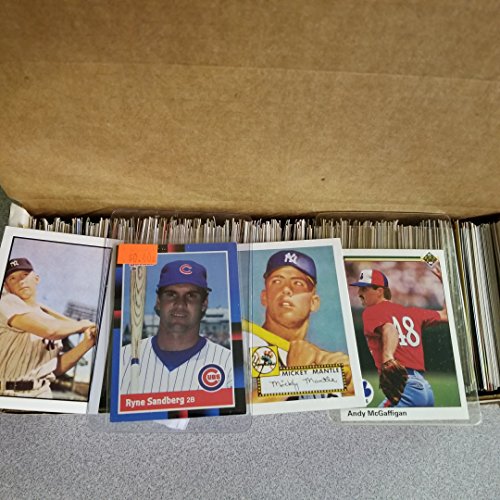
Topps, Upper deck, Donruss, Fleer, Score, Upperdeck 600
- ✓ Neat gift-ready box
- ✓ Solid brand variety
- ✓ Memorable centerpiece
- ✕ Ruth card quality varies
- ✕ Limited scale selection
| Box Type | White box for collection and gift-ready packaging |
| Included Cards | Includes Babe Ruth baseball card; mix of Topps, Upper Deck, Donruss, Leaf, Fleer & more |
| Card Brands Represented | Topps, Upper Deck, Donruss, Leaf, Fleer |
| Category | Vintage baseball card bargain box |
| Price Point | $20.95 |
| Packaging Purpose | New, ungraded but suitable for gifting; ready for display/storage |
You notice it right away—the white box is cleaner, sharper, and more giftable than any loose lot I’ve seen. It feels like someone cared enough to package nostalgia neatly, not just toss a stack in a bag.
Inside, the mix of Topps, Upper Deck, Donruss, Leaf, and Fleer cards sits like a mini museum, with a Babe Ruth card peeking back at you as the centerpiece.
Handling the box, you’ll appreciate the compact diversity without digging through random sleeves. The selection isn’t a random pile; it’s curated enough to feel like a quick stroll through a vintage shop.
The Babe Ruth card isn’t a guaranteed mint gem, but it carries that authentic, “you found something worth reshuffling your den for” vibe.
Price-wise, twenty bucks isn’t a splurge for a nostalgic kick, especially when the box is brand new and gift-ready. You can see the value in the presentation—the clean white box, the clear shipping, the novelty of a vintage mix that still feels fresh.
In real use, you’ll reach for this when you’re decorating a nerdy shelf, gifting a friend, or just craving a low-stress retro fix. It’s simple, straightforward, and avoids the hassle of grading scans or chasing makeshift lots.
If you want a compact sampler without the fuss, this hits the sweet spot.
Bottom line: you get recognizable brands, a collectible-feel centerpiece, and a neat box that works as both display and gift. It won’t replace a full vintage haul, but it nails the mood and the memory for casual collectors.
What Qualifies as a Vintage Bargain Baseball Card?
When discussing what qualifies as a vintage bargain baseball card, several key factors come into play:
- Age: A card must generally be at least 20 years old to be considered vintage, with many collectors focusing on cards from the early to mid-20th century.
- Condition: The physical state of the card is crucial; cards that are well-preserved, even if they are not graded highly, can still be considered bargains.
- Player Popularity: Cards featuring legendary players or significant figures in baseball history tend to hold more value, making lesser-known cards from the same era potentially great bargains.
- Rarity: Limited print runs or cards that were not widely circulated can be considered vintage bargains, as scarcity often drives up demand.
- Market Trends: Understanding current market trends can help identify undervalued cards that may rise in value over time, making them good investments.
The age of the card is a primary factor, as vintage cards are defined by their historical context. Typically, cards from the 1980s and earlier fall into this category, with many collectors specifically seeking items from the 1950s and 1960s, which are often seen as the golden age of baseball cards.
Condition is equally vital when evaluating a vintage card; even a card from a desirable set can be a bargain if it is in better shape than most available on the market. Collectors often use grading systems to assess condition, but a card that looks good to the naked eye can still be a worthwhile find.
The popularity of the player represented on the card greatly influences its perceived value. While cards of household names like Babe Ruth or Mickey Mantle will command high prices, lesser-known players from the same era may be available at a fraction of the cost, representing potential bargains for savvy collectors.
Rarity plays a significant role in the value of vintage cards; cards that were produced in limited quantities or that have unique features can become highly sought after. Collectors often pursue these rare items, and finding one at a bargain price can be a major win.
Lastly, having a pulse on market trends is essential for identifying vintage bargain cards. As the market fluctuates, certain cards may become undervalued or overlooked, presenting opportunities for collectors to acquire them at lower prices that could appreciate in value over time.
How Do Rarity and Player Popularity Impact Value?
The value of vintage baseball cards is significantly influenced by rarity and player popularity.
- Rarity: The scarcity of a baseball card plays a pivotal role in its value; the fewer cards that exist, the more sought after they become among collectors. Cards that were produced in limited quantities or have survived in excellent condition are often considered more valuable, as they are harder to find in the market.
- Player Popularity: The fame and performance of the player featured on the card greatly affect its desirability. Cards of legendary players, such as Babe Ruth or Jackie Robinson, typically command higher prices due to their historical significance and the emotional connection fans have with these athletes.
- Condition: The physical state of the card is crucial in determining its value, with higher-grade cards fetching premium prices. Cards that are well-preserved, without creases, stains, or fading, are more desirable, thus enhancing their market value alongside their rarity and the popularity of the player.
- Market Trends: The overall demand for certain cards can fluctuate based on trends in the sports memorabilia market. Increased interest in a particular player, team, or era can lead to spikes in value, making it essential for collectors to stay informed about current market conditions and collector preferences.
- Historical Significance: Cards that represent landmark moments in baseball history, such as a player’s rookie card or cards from championship seasons, often hold more value. These cards not only appeal to collectors but also to investors who recognize their potential for appreciation over time.
Why Is Historical Significance Important for Card Value?
Historical significance is important for card value because it directly influences collector demand and market perception. Cards associated with landmark events, legendary players, or pivotal moments in sports history tend to have higher value due to their cultural relevance and emotional resonance with collectors.
According to a study by the Professional Sports Authenticator (PSA), cards that are tied to significant achievements, such as a player’s first All-Star game or a championship win, often see substantial increases in value. The PSA notes that the rarity and age of these cards, combined with their historical context, create a unique appeal that drives collectors to invest more in them, as evidenced by auction results where high-profile vintage cards have sold for record amounts.
The underlying mechanism at play involves both nostalgia and the psychology of collecting. Collectors are often motivated by a desire to connect with the past, and cards that tell a story or represent a piece of history enable that connection. When a card embodies a significant moment or a beloved figure, it not only serves as a collectible but also as a tangible representation of shared memories and cultural milestones. This emotional attachment enhances demand, thereby solidifying the card’s value in the market, especially for those seeking the best vintage bargain baseball card.
Which Baseball Cards Are Considered the Best Bargains?
The best vintage bargain baseball cards often combine historical significance with affordability, making them appealing to collectors and enthusiasts alike.
- 1952 Topps Mickey Mantle: This card is iconic and highly sought after, yet some lower-grade versions can be found at reasonable prices.
- 1975 Topps George Brett: A popular card from the 1970s, Brett’s rookie card is often available at a fraction of the cost of other Hall of Famers, making it a great entry point for collectors.
- 1969 Topps Nolan Ryan: While Ryan’s cards can be expensive, certain conditions and editions can still be found as bargains, especially for those looking to own a piece of baseball history.
- 1989 Upper Deck Ken Griffey Jr.: This card is particularly noteworthy as it marks the beginning of the modern baseball card era, and it’s often overlooked in favor of more expensive modern cards.
- 1968 Topps Johnny Bench: As one of the best catchers in baseball history, Bench’s rookie card is a valuable collectible that can still be found at reasonable prices compared to other legends of the game.
The 1952 Topps Mickey Mantle card is considered the holy grail of baseball cards, but not every version demands a sky-high price. Lower-grade versions of this card can still be purchased for a reasonable amount, making it a fantastic option for collectors wanting to own a piece of baseball history without breaking the bank.
The 1975 Topps George Brett rookie card is another excellent choice for bargain hunters. It captures the essence of 1970s baseball cards and is often available at lower prices compared to other Hall of Fame rookie cards, making it accessible for new collectors.
The 1969 Topps Nolan Ryan card is historic due to Ryan’s legendary career. While high-grade examples can be expensive, there are still affordable options available, allowing collectors to enjoy a piece of his impressive legacy without overspending.
The 1989 Upper Deck Ken Griffey Jr. card represents a pivotal moment in baseball card collecting. Despite its popularity, this card can often be found at bargain prices, especially in less-than-perfect condition, making it a good investment for collectors who admire Griffey’s impact on the sport.
Finally, the 1968 Topps Johnny Bench rookie card offers a chance to own a piece of baseball history from one of the game’s greatest catchers. This card is often underappreciated in the market, leading to opportunities for collectors to acquire it at reasonable prices while still celebrating Bench’s significant contributions to the sport.
What Factors Make Certain Players’ Cards More Valuable?
Several factors contribute to the value of certain players’ cards in the vintage baseball card market:
- Player Popularity: The more popular a player is, the higher the demand for their cards, which can significantly increase their value.
- Rarity: Cards that are produced in limited quantities or those that are hard to find due to age or condition tend to be more valuable.
- Condition: The condition of a card, often graded by professional services, plays a crucial role in its value; cards in mint condition fetch higher prices.
- Historical Significance: Cards that commemorate important events or milestones in baseball history are often considered more valuable due to their nostalgic and historical appeal.
- Age: Older cards, especially those from the early 20th century, are generally more valuable as they are harder to come by and represent a bygone era of baseball.
Player popularity can have a dramatic impact on a card’s value, often influenced by a player’s achievements, charisma, and role in the sport’s history. Legendary figures like Babe Ruth or Mickey Mantle tend to command high prices due to their iconic status among fans and collectors alike.
Rarity is a key component in determining a card’s worth; cards that were produced in smaller runs or have limited editions, along with scarcity due to loss or destruction over time, can drive prices up as collectors seek these elusive items to complete their collections.
The condition of a card is evaluated using grading scales, with higher grades indicating fewer flaws and better preservation. Cards that are graded as “mint” or “near mint” are particularly valuable, as they appeal to collectors who prioritize quality and aesthetic appeal.
Historical significance can elevate a card’s value as it reflects important moments in baseball, such as a player’s record-breaking season or a milestone achievement. Cards from these pivotal moments are sought after by nostalgic fans and serious collectors alike.
Age contributes to a card’s desirability; vintage cards from the early 1900s or from specific well-known sets can fetch premium prices. The age not only adds to the rarity but also to the story and legacy each card carries, making them cherished artifacts for collectors.
Are There Specific Card Sets Offering Exceptional Value?
There are several specific card sets that are considered exceptional value for vintage baseball card collectors:
- 1952 Topps Baseball Set: This iconic set features the famous Mickey Mantle rookie card, making it one of the most sought-after collections in the hobby. Despite its high-profile cards, many other players in the set can be acquired at reasonable prices, offering great potential for value appreciation.
- 1971 Topps Baseball Set: Known for its unique black borders, this set includes numerous Hall of Fame players and is often available at lower price points compared to other vintage sets. The aesthetic appeal combined with the availability of cards in decent condition makes it a popular choice for collectors looking for bargains.
- 1969 Topps Baseball Set: This set is notable for its vibrant designs and features key rookie cards, including those of Hall of Famers like Reggie Jackson. Many cards from this set can be found at accessible prices, providing value to collectors who are interested in building a vintage collection without breaking the bank.
- 1975 Topps Baseball Set: With its colorful design and inclusion of many fan-favorite players, this set has gained popularity among collectors, yet it remains relatively affordable. The combination of nostalgia and availability makes it an appealing option for those searching for vintage bargains.
- 1980 Topps Baseball Set: Although slightly more modern, this set features the rookie cards of legends like Rickey Henderson and is often overlooked by serious collectors. As a result, many cards can be found at bargain prices, making it a great entry point for those new to vintage collecting.
Where Can You Identify True Bargains in Vintage Baseball Cards?
Identifying true bargains in vintage baseball cards can be achieved through various avenues:
- Online Auctions: Websites like eBay host numerous auctions where vintage baseball cards can be found at competitive prices. Bidding can sometimes lead to bargains if you are knowledgeable about the card’s market value and are strategic in your bidding.
- Local Card Shops: Many local card shops offer vintage cards at prices that may be lower than online because they may not have the same reach. Building relationships with shop owners can also lead to insider tips on upcoming sales or rare finds.
- Card Shows: Attending card shows allows collectors to browse a wide variety of vendors, often leading to better deals than online. Here, you can negotiate prices directly with sellers and discover unique cards that might not be available elsewhere.
- Estate Sales and Flea Markets: Estate sales often include collections that have been passed down, and sellers may not be aware of the true value of their items. Flea markets can yield surprising finds, where you might snag a valuable card for a fraction of its worth.
- Collector Forums and Groups: Joining online forums and local collector groups can provide insider knowledge about where to find good deals. Members often share information about sales, trades, or auctions that focus on vintage baseball cards.
- Social Media Marketplaces: Platforms like Facebook Marketplace and Instagram can be excellent resources for finding vintage cards. Sellers may list items at lower prices to attract quick sales, making it a potential goldmine for bargain hunters.
What Tools Can Help You Value Vintage Baseball Cards?
Several tools can assist in valuing vintage baseball cards effectively:
- Price Guides: Comprehensive price guides, both print and online, provide historical pricing data and current market values for specific cards.
- Online Marketplaces: Websites like eBay and COMC are valuable resources for checking the selling prices of cards similar to yours, helping to gauge current market demand.
- Grading Services: Professional grading companies like PSA and BGS evaluate the condition of cards and assign grades, which can significantly influence their market value.
- Collector Forums and Communities: Engaging with collector forums allows you to tap into the collective knowledge of experienced collectors who can provide insights on pricing and trends.
- Mobile Apps: Several mobile applications are designed to help collectors track their collections and offer valuation tools based on current market data.
Price Guides: These guides compile sales data from various transactions and provide a reliable reference point for collectors. They often include details such as card rarity, historical sales trends, and condition factors, making them essential for understanding the current value landscape.
Online Marketplaces: By browsing listings on platforms like eBay, you can see what similar cards are currently selling for in real-time. This method allows collectors to assess both active listings and completed sales, providing a clearer picture of market demand and pricing fluctuations.
Grading Services: Companies like PSA (Professional Sports Authenticator) and BGS (Beckett Grading Services) offer professional evaluations of card quality. A higher grade can substantially increase a card’s value, as collectors often prefer well-preserved items, making grading an essential step for serious collectors.
Collector Forums and Communities: Online communities dedicated to baseball card collecting can provide invaluable insights and real-time information on market trends. Engaging with fellow collectors allows for the exchange of knowledge, tips on valuation, and alerts about market shifts that might affect card values.
Mobile Apps: Apps designed for card collectors often feature tools for tracking card values and collections. Many of these apps pull data from various sources, allowing users to quickly assess a card’s worth and compare it against recent sales, streamlining the valuation process for collectors on the go.
How Can You Detect Counterfeit Vintage Cards?
Detecting counterfeit vintage cards requires careful attention to detail and knowledge of authentic card characteristics.
- Visual Inspection: Carefully examine the card for any discrepancies in printing quality, color saturation, and alignment. Genuine vintage cards typically have imperfections from the printing process, while counterfeits may have overly sharp and clean lines.
- Check the Edges and Corners: Authentic vintage cards usually have softer, rounded edges and may show signs of wear over time. Counterfeit cards might have sharper or more uniform edges, which can indicate they are not genuine.
- Weight and Thickness: Assessing the weight and thickness of the card can reveal counterfeits, as they may use different paper stock than original cards. Comparing the card to known authentic examples can help identify inconsistencies.
- Light Test: Hold the card up to a bright light to see if light passes through. Vintage cards often have a certain opacity due to the type of paper used, while fakes may be made from materials that allow more light to pass through.
- Authentication Services: Utilizing professional authentication services can provide a definitive answer on the card’s authenticity. These services employ experts who can analyze various aspects of the card, including its print technology and material composition.
- Research Market Prices: Understanding the market value of specific cards can help identify potential fakes. If a card is being sold for a significantly lower price than its market value, it may be a red flag indicating that it is counterfeit.
What Strategies Are Most Effective for Finding Vintage Bargains?
Several strategies can help collectors find the best vintage bargain baseball cards.
- Research Online Marketplaces: Online platforms like eBay, Etsy, and specialized card auction sites frequently have listings for vintage baseball cards. By using filters and sorting options, collectors can search for deals and compare prices across different sellers, which aids in identifying undervalued cards.
- Attend Local Card Shows or Flea Markets: Visiting local card shows and flea markets allows collectors to interact directly with sellers, often leading to negotiations and better deals. Many vendors are willing to offer lower prices on bulk purchases or when cards are bought in cash, which can yield significant savings.
- Join Collector Communities: Being part of online forums, social media groups, or local clubs can provide valuable insights and tips on where to find vintage cards at a bargain. Members often share their finds, recommend sellers, and alert others to auctions or sales that may be of interest.
- Monitor Estate Sales and Garage Sales: Estate sales and garage sales can yield surprising finds, as sellers may not be aware of the value of their vintage baseball cards. Collectors who are knowledgeable can spot valuable cards that are being sold for much less than their market worth.
- Utilize Price Guides: Using price guides and databases for vintage baseball cards can help collectors stay informed about market trends and the value of specific cards. This knowledge allows for better negotiation and decision-making when purchasing cards from various sources.
- Network with Other Collectors: Building relationships with other collectors can lead to private sales or trades that are not publicly advertised. Networking can also provide tips on where to find bargains and information about upcoming sales or auctions.
Where Are the Best Places to Look for Bargain Cards?
The best places to look for vintage bargain baseball cards include a variety of both online and offline sources.
- Local Card Shops: These shops often have a selection of vintage cards and may not price them as high as online marketplaces. Building a relationship with shop owners can also lead to insights on upcoming collections or exclusive deals.
- Flea Markets: Flea markets frequently feature vendors selling sports memorabilia, including vintage baseball cards at negotiable prices. It’s a great opportunity to sift through boxes and find hidden gems while haggling for better deals.
- Garage Sales: Many people sell their old collections during garage sales, often at very low prices. You can find vintage cards mixed in with other items, and purchasing them directly from owners may lead to even lower bargains.
- Online Marketplaces: Websites like eBay and Craigslist allow users to list their cards for auction or sale. By setting alerts for specific cards or searching for bulk listings, collectors can often find great deals on vintage cards.
- Social Media Groups: Facebook groups and Instagram pages dedicated to baseball card trading can be excellent resources for finding bargains. Members often post cards for sale or trade, and you can directly negotiate prices with fellow collectors.
- Sports Card Shows: Attending local or regional sports card shows can yield numerous opportunities to find vintage cards at discounted prices. Vendors may be willing to negotiate, especially if you are purchasing multiple cards.
- Estate Sales: Estate sales can be a treasure trove for vintage baseball cards, as they often include personal collections that the owners no longer want. It’s important to arrive early to get the best selections and prices.
Which Online Platforms Provide the Best Deals for Vintage Cards?
Several online platforms excel in providing great deals for vintage baseball cards:
- eBay: A highly popular marketplace where buyers can find a vast selection of vintage baseball cards from various sellers.
- COMC (Check Out My Cards): A dedicated platform for buying and selling trading cards that often features competitive pricing.
- Heritage Auctions: Known for auctioning rare and valuable cards, this site can offer unique finds at potentially lower prices than retail.
- Beckett Marketplace: A trusted source for card collectors, offering a range of vintage cards with price tracking and grading information.
- Facebook Marketplace: A social media platform where local sellers list vintage cards, often resulting in great deals without shipping costs.
eBay: eBay provides an extensive array of vintage baseball cards, from common items to rare collectibles. The auction-style listings allow buyers to bid on cards, potentially snagging them at lower prices than fixed-price listings. Additionally, the buyer protection policies help ensure a safe purchasing experience.
COMC (Check Out My Cards): This platform specializes in trading cards, allowing users to buy, sell, and trade with ease. COMC’s unique model allows sellers to send their cards to a centralized location, where they can be listed for sale, often leading to competitive pricing and varied selections. The site also features a great filtering system to help find specific cards quickly.
Heritage Auctions: Heritage Auctions is famous for high-end auctions and offers vintage cards that can sometimes be purchased at bargain prices. Their auctions attract serious collectors, which drives competition and can lower prices on certain cards compared to retail value. The site often features cataloged auctions that highlight rare finds, making it a great choice for collectors seeking valuable cards.
Beckett Marketplace: As a long-standing name in the trading card industry, Beckett offers a marketplace where collectors can buy vintage cards with the added benefit of access to price guides and grading information. This transparency helps buyers make informed decisions, and the platform often features deals that can be more affordable compared to other retail options.
Facebook Marketplace: Facebook Marketplace connects buyers directly with local sellers, which can lead to significant savings on vintage baseball cards due to reduced shipping costs. The platform allows for negotiation and direct communication with sellers, which can further enhance the chances of scoring a bargain. Additionally, local transactions can provide an opportunity to inspect cards before purchasing.
What Are the Risks Associated with Investing in Vintage Baseball Cards?
Investing in vintage baseball cards carries several risks that potential investors should be aware of:
- Market Volatility: The value of vintage baseball cards can fluctuate significantly based on market demand, player popularity, and economic conditions.
- Condition and Grading Issues: The condition of a card plays a critical role in its value, and even minor imperfections can drastically lower its worth.
- Counterfeits and Forgeries: The prevalence of counterfeit cards in the market can pose a major risk for investors who may inadvertently purchase fake items.
- Liquidity Challenges: Selling vintage cards can be difficult, as finding the right buyer willing to pay the desired price may take time and effort.
- Lack of Knowledge: Without proper knowledge of the vintage card market, investors may make uninformed decisions that lead to financial losses.
Market volatility is a significant risk because the value of cards can rise and fall based on factors such as changes in player performance, historical significance, or shifts in collector interest. Economic downturns can also lead to a decrease in discretionary spending, further impacting card prices.
Condition and grading issues are crucial since the value of vintage cards is heavily influenced by their physical state. Cards are graded on a scale, and even slight wear or misalignment can lead to a lower grade, which can significantly diminish the card’s market value.
Counterfeits and forgeries have become a considerable concern, as the sophistication of counterfeit technology has increased. Investors must be vigilant and often require professional authentication to ensure the cards they are buying are genuine, which adds another layer of complexity and cost to the investment process.
Liquidity challenges arise because the vintage card market can be niche and not as liquid as other investment assets. Investors may find it hard to sell their cards quickly or at their desired price, particularly if they are not widely recognized or if the market is down.
Lack of knowledge can lead to poor investment decisions, as many investors may not fully understand the nuances of the vintage card market, including trends, pricing, and the significance of specific cards. This lack of insight can result in overpaying for cards or investing in items that do not appreciate as expected.
Related Post: