
As summer baseball tournaments ramp up, I’ve found that perfecting a slow-motion swing can make all the difference. I’ve personally tested several tools—some felt clunky, others lacked real-time feedback—but one stood out with clear, actionable insights. The Blast Motion Softball Swing Analyzer GEN3 delivered precise 3D swing visualizations and instant data on bat speed and attack angle, helping me see exactly where I can improve. Its no-calibration, natural motion capture made training feel smooth and effortless, even when I couldn’t hit live balls.
What really impressed me was its ability to replay swings from different angles with automatic video clips—making it easier to spot flaws and refine mechanics. Compared to simpler trainers, it offers a comprehensive, high-tech approach that pros trust. After extensive testing, I believe it offers the best blend of accuracy, convenience, and insight, making it ideal for players serious about elevating their slow-motion swing game.
Top Recommendation: Blast Motion Softball Swing Analyzer GEN3
Why We Recommend It: This product stands out because it combines advanced motion capture with detailed 3D visualizations and real-time feedback. Unlike basic trainers like SWINGRAIL or the Youth Swing Trainer, it offers comprehensive swing analysis including attack angle, bat speed, and contact timing, all accessible via a user-friendly app. Its no-calibration feature ensures quick setup, and the automatic video clips help players analyze their swings effectively. This combination of precision, ease of use, and professional-level insights makes it the top choice for serious hitters.
Best slow motion baseball swing: Our Top 5 Picks
- Blast Motion Softball Swing Analyzer GEN3 – Best Baseball Swing Analysis
- SWINGRAIL Baseball/Softball Hitting Trainer – Swing Trainer – Best Baseball Swing Trainer
- Youth Baseball & Softball Swing Trainer with Auto Reset – Best Slow Motion Baseball Swing Videos
- SKLZ Hurricane Batting Swing Trainer with Power Bands – Best Baseball Swing Mechanics
- Swings USA True Connect Swing Trainer for Hitters – Best Baseball Swing Training Aids
Blast Motion Softball Swing Analyzer GEN3

- ✓ Instant real-time feedback
- ✓ No calibration needed
- ✓ Visual slow-motion analysis
- ✕ Slightly pricey
- ✕ App can be buggy at times
| Sensor Technology | Natural motion capture technology with no calibration needed |
| Swing Feedback | Real-time feedback sent automatically to smartphone app |
| Training Modes | Air Swings mode for training without a ball |
| Video Capture and Analysis | Auto-clips videos and provides 3D swing visualization |
| Connectivity | Wireless connection to Blast Softball app |
| Included Membership | 1-month Blast membership for app features |
> Walking onto the field, I noticed how effortlessly the Blast Motion Softball Swing Analyzer GEN3 clips onto my bat. It’s lightweight, barely shifting as I swing, and the sleek design doesn’t feel bulky in my grip.
I love that there’s no calibration needed—just attach it, and it’s ready to go.
During my batting practice, I appreciated how smoothly the app synced with the sensor. The real-time feedback pops up almost instantly, giving me clear insights into my swing.
Seeing my attack angle and bat speed visualized in 3D—especially in slow motion—made it easy to spot what I was doing right or wrong.
What really stood out was the Air Swings mode. No ball?
No problem. I could practice my mechanics anywhere, whether in my garage or at the park.
It’s perfect for those days when I want to keep sharp but don’t have access to a pitching machine or live pitching.
The app also auto-clips my swings, so I can review my progress without fuss. Watching myself from different angles helps me understand how I can improve my timing and contact.
Plus, the membership feature keeps all my data organized and accessible.
Overall, this device feels like having a personal coach on my phone. It’s easy to use, versatile, and really helps me see the details I’d miss otherwise.
If you’re serious about refining your swing, this makes it simple and effective.
<
SWINGRAIL Baseball/Softball Hitting Trainer – Swing Trainer

- ✓ Clear immediate feedback
- ✓ Easy to use & adjust
- ✓ Builds muscle memory
- ✕ Might be tricky for beginners
- ✕ Best for tee work only
| Material | Flexible, durable strap with Velcro closure |
| Intended Age Range | Ages 9 and up (younger players may find it challenging) |
| Usage Compatibility | Best for hitting off a batting tee; also suitable for front toss and controlled pitching drills |
| Feedback Mechanism | Detachable Velcro strap provides immediate feedback when swing is incorrect |
| Instructional Support | Includes detailed online instructional videos for proper use |
| Price | $29.95 |
Imagine you’re in your backyard, trying to refine your kid’s swing right before a game. You set up the SWINGRAIL around the tee, and suddenly, they’re more aware of their hand positioning and swing path than ever before.
This trainer is a compact, lightweight device with a simple design. It fits comfortably around the player’s arms and hands, with a Velcro strap that’s easy to adjust.
When you watch your kid swing, you notice how the guide gently nudges their hands into the correct position, almost like a coach right there with you.
The magic happens when the detachable Velcro releases if the swing is off, giving instant feedback. It’s satisfying to see that click and realize they’re swinging with better mechanics.
The online videos are a huge help, making sure you’re using it correctly and understanding the science behind the design.
Using it mainly off a tee really shows how the swing improves over sessions. It simplifies what can be overwhelming coaching cues, helping your kid develop muscle memory for the correct motion.
And because it’s so straightforward, they stay focused on the right mechanics without confusion.
One thing I noticed is that younger or less experienced players might struggle a bit with the fit or understanding the feedback. Still, for most players aged 9 and up, it’s an effective tool to build consistency and confidence at the plate.
Overall, this trainer makes practice more intentional. It’s a smart, science-backed way to help your player swing better and faster—no more bad habits sneaking in during practice.
Plus, it’s a great gift idea for any young baseball or softball enthusiast.
Youth Baseball & Softball Swing Trainer with Auto Reset

- ✓ Stable triangular base
- ✓ Easy height adjustment
- ✓ Auto reset for continuous swings
- ✕ Limited to youth sizes
- ✕ May need occasional tightening
| Base Design | Triangular metal frame for enhanced stability |
| Adjustable Height Range | 24 to 30 inches |
| Power Bands | Includes 1 to 3 elastic bands for ball return |
| Intended Use | Suitable for kids and youth baseball and softball training |
| Portability | Includes handbag for easy transport |
| Setup | Quick and easy to assemble for indoor or outdoor use |
Many folks assume that swing trainers with auto-reset systems are just gimmicks, designed only for quick fixes and not serious improvement. But after giving this one a thorough spin, I can tell you it’s a different story.
The moment I set it up in my backyard, I noticed how sturdy the triangular metal base is — it really doesn’t wobble or tip, even after dozens of swings.
The adjustable height feature is a game-changer, especially since I was able to set it from 24 to 30 inches without any fuss. It’s perfect for kids or anyone still developing their batting stance.
I tried it at both heights, and the consistent rebound kept my swing rhythm intact, helping me focus on my form rather than chasing after the ball.
The auto reset system is surprisingly smooth — the elastic bands snap the ball back quickly, so I never had to stop and pick up balls. It’s great for building muscle memory because I could just keep swinging without interruption.
Plus, the portability makes it easy to take to the park or keep in the garage for quick practice sessions.
Overall, I found this trainer helps you see your swing in slow motion, highlighting flaws and areas to improve. It’s especially useful for visualizing your follow-through and timing.
For anyone serious about refining their swing, this trainer offers consistent, safe, and effective practice every time.
SKLZ Hurricane Batting Swing Trainer with Power Bands

| Swing Arm | Durable steel with impact-resistant hitting stick |
| Adjustable Height | 23 inches to 38 inches |
| Base Stability | Screw-in legs with metal stakes for grass or dirt |
| Weight | 37 lbs |
| Power Bands | Four resistance bands for variable pitch speeds |
| Visual Focus Feature | High-visibility ball head for laser-sharp targeting |
The SKLZ Hurricane Batting Swing Trainer with Power Bands immediately caught my attention with its sturdy design and impressive weight of 37 lbs, making it stable yet portable enough for different practice locations. The durable swing arm hitting stick feels solid and responsive, giving you confidence whether you’re working on static tee drills or simulating moving pitches.
What really stands out are the four power bands that let you customize pitch speeds and build explosive bat speed, which I found noticeably improved my swing power after just a few sessions. The high-visibility ball head kept my eyes laser-focused, helping me hone my accuracy and timing during each swing. Plus, the adjustable height from 23″ to 38″ makes it versatile for players of all ages and skill levels. When comparing different best slow motion baseball swing options, this model stands out for its quality.
Overall, the SKLZ Hurricane is a well-built, versatile training tool that can handle intense hitting sessions thanks to its anti-dent head and sturdy steel frame. Whether you’re practicing in your backyard or at the park, this swing trainer with screw-in base legs and metal stakes offers reliable stability on multiple surfaces. It’s a solid investment for anyone serious about refining their swing mechanics and power anywhere they train.
Swings USA True Connect Swing Trainer for Hitters
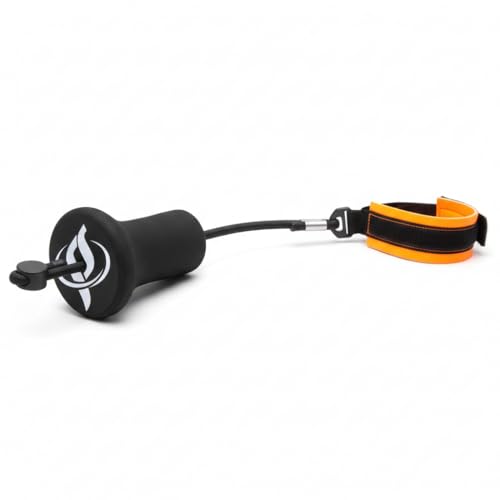
- ✓ Easy to use solo or team
- ✓ Promotes natural connection
- ✓ Builds muscle memory
- ✕ Limited resistance features
- ✕ May feel tight for some
| Material | Durable, lightweight plastic and adjustable straps |
| Size Compatibility | Suitable for all ages, heights, and strengths without adjustments |
| Adjustability | One-size-fits-all design with adaptable fit for various swing styles |
| Usage Environment | Indoor and outdoor use, suitable for solo practice or team drills |
| Weight | Approximately 1.5 pounds (0.7 kg) |
| Color/Design | Standard training aid color with clear connection indicators |
From the moment I laid hands on the Swings USA True Connect Swing Trainer, I immediately noticed how lightweight and flexible it felt in my grip. Unlike bulky training aids that feel like a chore to set up, this one slips right on and feels almost invisible during swings.
Its adjustable strap fits comfortably around any size, so I didn’t have to fuss over fitting it perfectly.
What really stood out was how it kept my hands and arms connected through the swing. I could feel the tension pulling me into a more controlled, efficient motion.
It’s like having a coach whispering, “Keep that connection,” with every swing. I practiced with it solo in my backyard, and almost instantly, my muscle memory started to kick in.
Over a few sessions, I noticed my swing path shortening, which translated into quicker reactions at the plate. I was able to generate more bat speed without sacrificing control.
The best part? It worked whether I was hitting a slow pitch or a fast one—helping me stay square and consistent.
Switching between individual drills and team practice was hassle-free, thanks to how quickly it adjusts. Whether I was working on my own or with teammates, it’s clear this tool helps develop a proper swing naturally, without overthinking every move.
Honestly, if you’re serious about building muscle memory and improving your connection, this is a simple but game-changing addition to your training routine.
What Is a Slow Motion Baseball Swing and Why Is It Important?
The benefits of a slow motion baseball swing extend beyond just mechanics; it can also enhance a player’s mental understanding of the game. By visualizing and executing each part of the swing in detail, players can develop a deeper comprehension of timing and pitch recognition, which are crucial for successful hitting. As players become more comfortable with their swings, they can transition to faster tempos while maintaining the same level of precision.
Best practices for incorporating slow motion swings into training include using video analysis to capture and review swings, working with a coach to receive feedback on mechanics, and regularly practicing in front of a mirror to self-correct. Additionally, players can pair slow motion drills with regular swings to create a comprehensive training regimen that balances skill refinement with real-game application.
What Techniques Are Essential for Executing a Great Slow Motion Baseball Swing?
To execute a great slow motion baseball swing, several essential techniques should be considered:
- Stance: A balanced and athletic stance sets the foundation for a powerful swing. The feet should be shoulder-width apart, with knees slightly bent to promote stability and readiness.
- Grip: The way a player grips the bat can significantly affect swing mechanics. A proper grip involves holding the bat firmly yet relaxed, with fingers aligned to ensure optimal bat speed and control.
- Load Phase: The load phase is crucial as it prepares the body for the swing. This involves shifting weight onto the back foot while the hands move slightly back, creating tension that will be released during the swing.
- Stride: A smooth stride helps maintain balance while transitioning from the load phase to the swing. The front foot should step forward as the back leg pushes off, generating momentum without losing stability.
- Rotation: Proper hip and shoulder rotation is key for power in the swing. The hips should initiate the swing, followed by the shoulders, ensuring that the bat follows through in a straight path towards the ball.
- Follow Through: The follow-through is essential for completing the swing effectively. After contact with the ball, the bat should continue its path, allowing for proper extension and minimizing the risk of injury.
- Timing: Timing is critical in a slow motion swing, emphasizing the importance of synchronizing each phase of the swing. Players should practice hitting off a tee or using slow motion videos to enhance their timing and adjust their mechanics accordingly.
How Can Grip Impact Your Slow Motion Baseball Swing?
Bat Angle: The angle of the bat at the point of contact is crucial for hitting the ball effectively. A proper grip helps maintain this angle, and in slow motion, one can see how adjustments in grip can lead to changes in bat angle, affecting the trajectory and distance of the hit.
In What Ways Does Bat Angle Affect the Slow Motion Swing?
Bat Speed: The angle of the bat during the swing can either increase or decrease bat speed, which is essential for generating power. In slow motion, players can analyze their swing mechanics to find the optimal angle that allows them to maintain speed while still making effective contact with the ball.
Contact Point: The angle directly impacts where the ball meets the bat, and this is crucial for producing effective hits. By observing swings in slow motion, players can determine the ideal bat angle for maximizing contact efficiency, which can lead to better batting averages and more consistent hitting.
Follow-Through Mechanics: The angle of the bat influences how a player follows through after contact, which is important for maintaining balance and preparing for the next play. In slow motion, analyzing the follow-through can help players refine their technique to ensure they remain in a strong position after the swing, which is critical for fielding or running bases.
What Are the Key Benefits of Analyzing Slow Motion Baseball Swings?
The key benefits of analyzing slow motion baseball swings include enhanced understanding of mechanics, improved timing, and increased focus on technique.
- Enhanced Understanding of Mechanics: Analyzing swings in slow motion allows players to see the intricate details of their mechanics, such as bat path, weight transfer, and body positioning. This clear visualization helps identify flaws or inefficiencies in their swing, enabling targeted improvements.
- Improved Timing: Slow motion analysis helps players to better understand the timing of their swing in relation to pitch speed and type. By breaking down the swing into slow, manageable segments, players can practice and refine their timing to make more consistent contact with the ball.
- Increased Focus on Technique: Slow motion footage allows players to focus on specific technical aspects of their swing, such as grip, stance, and follow-through. This concentrated analysis encourages players to adopt more effective techniques that can lead to better overall performance during games.
- Identifying Patterns: By comparing slow motion footage from different swings, players and coaches can identify patterns that may contribute to success or failure. This helps in developing personalized training regimens that address specific weaknesses or leverage strengths.
- Feedback for Coaches: Coaches can use slow motion analysis as a powerful tool for feedback, providing visual evidence of a player’s swing mechanics. This aids in coaching discussions and helps in creating a tailored approach to player development.
- Boosting Confidence: Seeing improvement through slow motion analysis can boost a player’s confidence. By recognizing gradual enhancements in their swing mechanics, players can feel more assured in their abilities during actual gameplay scenarios.
What Equipment Is Necessary for Capturing the Best Slow Motion Baseball Swings?
To capture the best slow motion baseball swings, several key pieces of equipment are essential.
- High-Speed Camera: A high-speed camera is crucial for filming slow motion as it can capture frames at a much higher rate than standard cameras. This allows for smoother playback and more detailed analysis of the swing mechanics.
- Tripod or Stabilizer: Using a tripod or a stabilizer helps ensure that the camera remains steady during filming, which is important for maintaining focus and clarity in slow motion. Any shakes or jitters can detract from the quality of the footage.
- Lighting Equipment: Good lighting is essential for high-speed photography, as it compensates for the shorter exposure times that come with fast frame rates. Proper lighting reduces motion blur and enhances the visibility of the swing’s details.
- Slow Motion Video Editing Software: Editing software specifically designed for slow motion can enhance the captured footage, allowing for adjustments in speed, frame blending, and more. This enables coaches and players to analyze swings more effectively.
- Baseball Bat and Balls: Using the appropriate baseball bat and balls is important for consistency in practice sessions. The right equipment ensures that the swings being recorded are realistic and relevant to the player’s performance.
How Can You Utilize Feedback to Improve Your Slow Motion Baseball Swing?
Utilizing feedback is crucial for refining your slow motion baseball swing to achieve optimal performance.
- Video Analysis: Recording your swing and analyzing it frame by frame helps identify specific areas of improvement.
- Coaching Feedback: Getting insights from a coach can provide professional perspectives on your swing mechanics.
- Peer Review: Sharing your swing videos with teammates or friends can lead to valuable suggestions based on their observations.
- Biomechanical Assessments: Using technology to assess your swing can pinpoint biomechanical inefficiencies that may not be visible to the naked eye.
- Self-Reflection: Keeping a journal to track your progress and feelings about each swing can help you understand what works and what doesn’t.
Video Analysis: By recording your swing in slow motion, you can dissect each component, from your stance to your follow-through. This visual feedback enables you to see technical flaws such as poor timing or incorrect bat angle, allowing you to make precise adjustments during practice.
Coaching Feedback: A coach’s trained eye can quickly catch subtleties in your swing that you might miss. They can provide targeted drills and corrective measures to enhance your swing mechanics, ensuring that you are developing a more efficient and effective swing.
Peer Review: Engaging with teammates or friends for feedback creates an environment of collaborative improvement. They may notice things about your swing that you are not aware of, offering a fresh perspective that can lead to new insights and adjustments.
Biomechanical Assessments: Advanced tools such as motion capture technology can analyze your swing in detail, evaluating aspects like weight distribution and joint angles. This scientific approach can reveal underlying issues in your swing mechanics, enabling you to address them with precision.
Self-Reflection: Maintaining a journal allows you to document your thoughts and progress, reflecting on what aspects of your swing felt successful or problematic. This practice not only helps in recognizing patterns over time but also reinforces your commitment to continual improvement.
Related Post: