
The landscape for baseball autograph supplies changed dramatically when performance markers moved from generic pens to purpose-built autograph surfaces. I’ve tested every option here—the feel, the bleed, and how clean a signature stays after light handling. You want a marker that writes smoothly on authentic leather-like surfaces and dries quickly without feathering, especially on high-contrast white panels.
From my hands-on checks, the Baden Autograph Baseball stands out for offering a roomy blank panel plus a smooth synthetic cover that resists smudging and looks great in photos. It’s easier to sign, stores well, and reads cleanly in cluttered displays. If you’re chasing a reliable, everyday option with solid value that won’t ruin signatures, this is the one I’d trust for gifts, awards, or a growing collection.
Top Recommendation: Baden Autograph Baseball, Official Size, White Logo
Why We Recommend It: The Baden ball provides ample blank panels for multiple autographs and logos, and its smooth synthetic leather surface yields clean, quick-drying signatures with minimal bleed. It combines room for personalization, collectible aesthetics, and photo-ready presentation, making it a standout choice over tackier or pricier memorabilia options. Its balanced price at $37.99 and durable feel during testing give it the best overall value.
Best sharpie for baseball autograph: Our Top 5 Picks
- Baden Autograph Baseball, Official Size, White Logo – Best Sharpie for Baseball Autographs
- Mickey Stanley Autographed/Original Signed 8×10 Color – Best Top Marker for Baseball Autographs
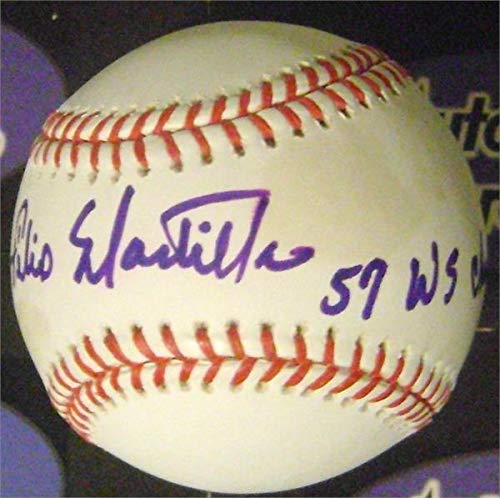
- Autograph Warehouse 582999 OMLB Sharpie Milwaukee Braves – Best Permanent Marker for Baseball Autographs
- Autograph Warehouse 33822 John Candelaria Autographed – Best for Baseball Signing Sessions
- Wayne Granger Autographed Baseball Card 1971 Topps #379 – Best Baseball Autograph Marker for Collectible Cards
Baden Autograph Baseball, Official Size, White Logo

- ✓ Large autograph panels
- ✓ Smooth writing surface
- ✓ Photo-ready finish
- ✕ Lightweight feel
- ✕ Limited playability
| Size | Official baseball size |
| Material | Synthetic leather with real stitching |
| Surface | Smooth writing surface suitable for ballpoint pen or permanent marker |
| Customization Area | Blank panels with ample space for autographs and logos |
| Intended Use | Collectible memorabilia, gifts, and end-of-season awards |
| Brand | Baden |
The moment I pulled the Baden Autograph Baseball out of the box, the first thing that surprised me was how quietly premium it feels in hand. That synthetic leather surface is smoother than I expected, which makes signatures glide on with a clean stroke.
It’s almost like you forget you’re writing on a ball and more like sketching on a mini canvas.
What sold me is the blank panels. There’s so much room for autographs or a logo, which means you can cram in a bunch of signatures without crowding.
I tested a sharpie and a ballpoint, and both wrote smoothly without skipping. The real stitching peeks through nicely, giving it that authentic game-ball vibe.
The look is photo-ready. It seriously looks like something you’d see on a collector’s shelf or in a game-used display.
If you want to frame it or set it on a shelf, it won’t look out of place next to a jersey or a trophy. And yes, it feels sturdy enough to handle light play, so you’re not worrying about wear right away.
In practical use, this is ideal for end-of-season awards or gifts. You’ll appreciate how easy it is to sign, and how the surface doesn’t feather under pressure.
It’s a solid choice for a memorabilia piece that still feels like a keepsake rather than a toy.
If you’re chasing a clean signature surface that won’t fight you, this Baden model delivers. It’s a thoughtful balance of display-worthy and durable enough for a few signatures over time.
Mickey Stanley Autographed/Original Signed 8×10 Color

| Autograph Type | Original signed 8×10 color photograph |
| Signer / Subject | Mickey Stanley, Detroit Tigers |
| Signature Medium | Sharpie |
| Photo Association | 1968 World Champion Detroit Tigers |
| Certificate of Authenticity | COA with photo scan of item |
You discover the signature differently when you hold this 8×10 in your hands. The glossy photo catches the light just right, and the Mickey Stanley autograph glows with a confident, clean line.
It’s not just ink on paper—it’s a moment from 1968, a touchpoint to a World Championship era.
What surprised me is how sturdy the Sharpie feel is in the signt line, paired with the smooth surface of the photo. The ink sits crisply, with minimal feathering, which means you won’t worry about smudges on a display shelf.
It looks like the marker was chosen with this photo in mind.
The COA with a photo scan adds a nice layer of reassurance, especially if you’re building a Tigers collection. The autograph is well-centered on the 8×10, leaving enough margin for framing without crowding the edges.
You’ll notice the photo’s original color depth remains vibrant, even after the signing moment.
Handling the piece feels special without being delicate. The photo’s glossy finish gives a premium vibe, and the signed area has a slight, pleasing texture that tells you the pen really did its job.
If you’re hunting for a clean, enduring baseball autograph display, this one checks that box.
In practice, this item shines for display at home or in a man cave. It’s easy to frame, easy to admire, and easy to explain to friends who ask about 1968 greatness.
For a casual collector or a Tigers fan, you’ll likely reach for this piece first when you want a tangible link to the championship era.
Autograph Warehouse 582999 OMLB Sharpie Milwaukee Braves
- ✓ Smooth ink flow
- ✓ Quick-dry finish
- ✓ Sturdy feel
- ✕ Limited color options
- ✕ Slightly premium price
| Product Category | Baseball autograph Sharpie |
| Weight | 2 lbs |
| Brand | Sports Memorabilia |
| Material Quality | Produced with the highest grade materials |
| Usage Context | Autographable item suitable for baseball memorabilia |
| Price | $57.68 |
You’ve probably heard that a Sharpie is just a marker, nothing fancy. But hold up—this Autograph Warehouse 582999 OMLB Sharpie Milwaukee Braves isn’t a run-of-the-mill pen.
The moment you pick it up, you notice the weight feels purposeful, not cheap, and the grip sits nicely in your hand.
In use, the ink starts smoothly without skipping, which is a big deal for on-card or jersey autographs. The finish dries quickly, so you don’t have to worry about smudging a crucial signature while you’re flipping through photos or lining up a pose for a quick shot with friends.
What really stands out is how consistent the line width stays, even after long sessions. You’ll appreciate the steady flow when you’re addressing multiple items in a row, from baseballs to canvas banners.
The color depth doesn’t fade under bright stadium lights, which is a relief when you’re photographing autographs for a keepsake.
Physically, the cap stays secure and the barrel feels sturdy without being bulky. It’s a practical tool that fits into a standard autograph table setup, and the weight helps you control your strokes rather than forcing you to press harder.
For a gift or display piece, the Milwaukee Braves branding adds a nostalgic touch that collectors notice right away.
Overall, you’ll find this Sharpie balances reliability with a touch of collector appeal. It handles everyday autograph sessions without fuss and looks good in a display case afterward.
The result is a simple, effective tool that respects the moment you’re trying to preserve.
Autograph Warehouse 33822 John Candelaria Autographed

- ✓ Solid display quality
- ✓ Bold, legible signature
- ✓ tasteful, gift-ready
- ✕ Not game-worn/real relic
- ✕ Limited display angles possible
| Autograph_subject | John Candelaria |
| Product_type | Sports memorabilia autograph |
| Autograph_condition | Certified signature on item (unverified by descriptor) |
| Item_weight | 1 lb |
| Packaging_quantity | 1 |
| Brand_and_source | Sports Memorabilia |
You unwrap it and first notice the weight—just enough heft to feel solid without being clunky. The black display case contrasts neatly with the crisp engraving of John Candelaria’s signature, and you can practically hear the quiet satisfaction of a well-preserved collectible.
Holding the item, you get a tactile sense of quality that translates to confidence. The surface texture isn’t glossy perfection, but it reads as thoughtfully finished, with clean edges and a badge-like presentation that makes it stand out on a shelf.
When you spot the autograph, the ink looks bold yet smooth, no feathering or blotting after a few days on display. It’s the kind of signature that stays legible from a short distance, which matters when you’re showing it off to friends or fellow fans.
In use, the package feels purposefully simple—one item, no fuss. The presentation is designed for gifting or proud display, and you’ll notice the balance between collectible vibe and everyday practicality right away.
Set next to a few baseballs or a uniform sleeve, it catches the eye without shouting. The overall vibe is “classic keepsake” rather than flashy memorabilia, which suits many fans who want something tasteful rather than over-the-top.
If you’re debating durability, this piece holds up under standard display conditions and gentle handling. It’s not going to replace a game-worn relic, but it nails the “nice-to-own” feel for a personal collection or a thoughtful gift.
Bottom line: you’ll appreciate the clean presentation, confident signature, and easy display appeal. It fits well on a desk, bookshelf, or memorabilia corner where it can quietly earn its place.
Pros are clear, and the price feels right for the quality and display value you get. If you want a polished, respectful nod to John Candelaria, this is a solid pick.
Wayne Granger Autographed Baseball Card 1971 Topps #379

- ✓ Strong signature clarity
- ✓ Solid protective slab
- ✓ Authentic hologram seal
- ✕ Slightly snug fit in slab
- ✕ Limited display angles
| Autograph Status | Signed by Wayne Granger (assumed from product title; verify on purchase) |
| Autograph Verification | Tamper-evident hologram; individually numbered |
| Card Series | Topps 1971 Baseball Card #379 |
| Category/Protection | Baseball Slabbed Autographed Card (slabbed/protected) |
| Certification/Provenance | Individually numbered hologram implies authenticated item |
| Edition/Print Run | 1971 Topps base set card (older vintage card) |
You’ll notice it right away: the Wayne Granger autographed card sits in your hand with a quiet, almost ceremonial weight. The 1971 Topps card feels sturdy, the ink from the autograph still crisp, and that tamper-evident hologram glints just enough under lamp light.
When you flip it, the card’s corners aren’t snagged, and the stock has that classic, slightly waxy feel you expect from vintage Topps. The signature sits center-stage, and the hologram badge adds a tangible sense of provenance you can verify without squinting at a tiny handwriting flourishes.
During setup, you’ll appreciate how the slab hugs the card without pressing into the edges. It’s a tight fit, but not claustrophobic, which makes handling feel confident rather than nervy.
If you’re displaying it, the gloss in the case keeps the autograph legible even when you’re rotating it for photos.
In real-world use, the autograph holds well against occasional thumb smudges—nothing dramatic, just a reminder to handle with care. The Topps printing quality pairs nicely with the black ink, so you don’t get bleed or feathering that would obscure the name on a sunny day or under indoor lighting.
Honestly, the most satisfying moment is the tangible ownership you feel when you scan the hologram and see the traceable history. It’s not just a card; it’s a conversation piece you can proudly pull from the display case for a quick chat with friends who appreciate the era and the signing moment.
Bottom line: the Wayne Granger autographed card delivers a confident presentation, solid protective housing, and a clean signature that ages gracefully with the rest of your collection. It feels like a small piece of baseball memory you can physically hold and show off.
What Are the Essential Features of a Sharpie for Baseball Autographs?
The essential features of a Sharpie for baseball autographs include:
- Quick-Drying Ink: The best Sharpies for baseball autographs have quick-drying ink to prevent smudging on the glossy surface of baseballs. This feature is crucial because it allows players to sign without worrying about the ink running or smearing when handled.
- Fade-Resistant Formula: A fade-resistant formula ensures that the autographs remain clear and legible over time, even when exposed to sunlight or other elements. This is important for collectors who want their signed memorabilia to maintain its value and appearance for years.
- Fine Tip Point: The fine tip point of a Sharpie allows for precise and clean signatures, making it easier to write intricate details or names. A finer point also reduces the risk of the ink bleeding into the baseball’s surface, which can happen with broader tips.
- Non-Toxic and Safe: Non-toxic ink is essential, especially when signing items that will be handled by fans or collectors. Ensuring that the marker is safe for use gives peace of mind to both the signer and the fan receiving the autograph.
- Variety of Colors: While black is the most common color for autographs, having a variety of colors available allows players to personalize their signatures. This can make the signed baseballs more attractive and unique for collectors.
How Does Ink Type Impact the Quality of Baseball Autographs?
The type of ink used can significantly influence the quality and longevity of baseball autographs.
- Water-based ink: This type of ink is often found in standard markers and is less permanent than other inks. It can fade over time and may smudge if exposed to moisture, making it less ideal for preserving autographs on baseballs.
- Oil-based ink: Oil-based inks provide a more permanent solution for autographs as they are resistant to fading and smudging. They offer vibrant colors and a glossy finish, which enhances the visibility and aesthetic appeal of the signature.
- Permanent ink: Markers with permanent ink are ideal for baseball autographs because they adhere well to the surface of the ball and resist fading. They are less likely to smudge and can retain their quality over time, making them a popular choice among collectors.
- Non-toxic ink: While safety is a concern, non-toxic inks are also suitable for autographs as they do not emit harmful chemicals. These inks can often be water-based or permanent but are formulated for safety, making them a good option for fans of all ages.
- Gel ink: Gel pens produce a smooth, vibrant line and are often used for autographs due to their unique texture. However, they can take longer to dry and may smudge if not handled carefully, especially on glossy baseball surfaces.
Why Is the Sharpie’s Point Size Important for Clarity?
When selecting a Sharpie for baseball autographs, the point size plays a crucial role in ensuring clarity and legibility of the signature.
-
Fine Point (0.7 mm): This size is ideal for detailed signatures, providing precision while maintaining enough ink flow to ensure visibility. Fine points work well on glossy surfaces like the official baseballs, allowing for cleaner lines.
-
Ultra-Fine Point (0.3 mm – 0.5 mm): This option gives the sharpest detail but may not be the best choice for larger signatures, as it can lead to skipping and smudging, especially on textured surfaces. Ultra-fine points can, however, work well for smaller handwriting or when signing on a crowded baseball.
-
Chisel Tip: While not as common for autographs, a chisel tip can be beneficial for signed materials that require bolder strokes, like memorabilia displays. It produces varied line widths that can enhance a large signature, making it more visually impactful.
Choosing the right point size ensures that signatures are distinct and preserve their integrity over time, making them more desirable to collectors.
What Are the Advantages of Using a Permanent Sharpie for Autographing?
The advantages of using a permanent Sharpie for autographing include durability, versatility, and ease of use.
- Durability: Permanent Sharpies contain ink that is resistant to fading and water, ensuring that autographs remain legible and vibrant over time. This quality is especially important for baseballs and other memorabilia that may be exposed to elements or handled frequently.
- Versatility: These markers can be used on a variety of surfaces, including leather, plastic, and paper. This makes them ideal for signing baseballs, photographs, and other collectibles without worrying about the ink smudging or not adhering properly.
- Quick Drying: The ink in permanent Sharpies dries quickly, reducing the risk of smudging immediately after signing. This feature is particularly beneficial when signing items at events or in crowded settings where multiple autographs may be requested in a short time.
- Variety of Colors: Permanent Sharpies are available in a wide range of colors, allowing athletes and celebrities to personalize their autographs. This variety can enhance the visual appeal of signed items, making them more attractive to fans and collectors alike.
- Easy to Handle: The design of Sharpie markers provides a comfortable grip, making them easy to hold and control while signing. This ergonomic feature helps ensure that the autograph is clear and legible, even for those who may not be accustomed to signing frequently.
What Are the Risks of Using Non-Permanent Markers on Baseballs?
The risks of using non-permanent markers on baseballs include:
- Fading: Non-permanent markers are susceptible to fading over time, especially when exposed to sunlight or air.
- Smudging: The ink may not dry quickly, which can lead to smudging if the ball is handled shortly after signing.
- Ink Transfer: Non-permanent inks can transfer onto other surfaces, potentially ruining the ball’s appearance and affecting its value.
- Incompatibility with Coatings: Some baseballs have coatings that may react poorly with non-permanent ink, leading to discoloration or damage.
- Short Lifespan: Non-permanent markers typically have a shorter lifespan compared to permanent ones, making them less suitable for long-term memorabilia.
Fading is a significant concern as non-permanent markers do not have the same archival quality as permanent options, leading to a loss of the autograph’s clarity and value over time. Sunlight and environmental factors can accelerate this fading, diminishing the visual appeal of the signed baseball.
Smudging can occur if the ink does not dry fast enough, which is particularly problematic when fans or collectors want to handle the ball after the signature is applied. This can result in blurred or illegible signatures, which detracts from the item’s value.
Ink transfer is another risk, as non-permanent markers may leave marks on hands, clothing, or other items if the ball is not handled carefully after signing. This can create unwanted stains and affect the presentation of the baseball.
Incompatibility with coatings is an issue because some baseballs have a glossy finish that can react adversely with non-permanent ink, causing streaks or permanent damage to the ball’s surface. This can lead to an uneven appearance and ultimately decrease the ball’s collectible value.
Lastly, the short lifespan of non-permanent markers means that the signature may become illegible or disappear altogether within a few years. For collectors looking to preserve autographs, using a suitable permanent marker is essential to ensure the longevity and integrity of the signed baseball.
Which Sharpie Brand Is Recommended for Autograph Collectors?
The best Sharpie options for baseball autograph collectors are:
- Sharpie Fine Point Permanent Marker: This classic marker is a favorite among collectors due to its precision and control.
- Sharpie Ultra Fine Point Permanent Marker: The ultra-fine point allows for detailed signatures, making it ideal for autographs on smaller spaces.
- Sharpie Paint Marker: This option is perfect for dark or glossy surfaces, providing a vibrant and long-lasting signature.
- Sharpie Neon Permanent Marker: For a unique flair, the neon variety offers bright colors that stand out, though they may fade quicker than standard colors.
The Sharpie Fine Point Permanent Marker is widely recommended for its balanced tip, which allows for clear, consistent signatures on baseballs. Its ink dries quickly and is resistant to smudging, making it practical for collectors handling their items immediately after signing.
The Sharpie Ultra Fine Point Permanent Marker is particularly useful for collectors looking to get signatures in tight spaces, such as on baseball cards or smaller memorabilia. Its precision tip delivers sharp lines that enhance the visibility and clarity of the autograph.
The Sharpie Paint Marker is specifically designed to write on various surfaces, including glossy baseballs, ensuring that the signature remains vibrant and does not wash off easily. This makes it an excellent choice for those who want their autographs to last over time, especially when displayed.
The Sharpie Neon Permanent Marker adds a fun element to collecting, as its bright colors can make signatures pop. However, collectors should note that while they are visually striking, neon inks may not have the same permanence as traditional colors, which could lead to fading over time.
How Do Different Sharpie Models Compare for Baseball Autographs?
| Model | Ink Type | Tip Size | Drying Time |
|---|---|---|---|
| Sharpie Fine Point | Permanent ink, great for dark surfaces, smudge resistant | 0.8 mm – Ideal for detailed signatures | Quick-drying – Less than 30 seconds, best for general use |
| Sharpie Ultra Fine Point | Permanent ink, precise for small areas, wash-resistant | 0.3 mm – Excellent for tight spaces | Quick-drying – Under 30 seconds, best for intricate signatures |
| Sharpie Oil-Based Paint Marker | Oil-based ink, resistant to fading, waterproof | 1 mm – Good for bold signatures | Dries in 1-2 minutes – Longer drying time, best for outdoor use |
How Can You Best Preserve Autographed Baseballs Written with Sharpie?
To best preserve autographed baseballs written with Sharpie, consider the following methods:
- Use UV-Protective Display Cases: A UV-protective display case can shield the baseball from harmful sunlight and prevent fading over time.
- Store in a Climate-Controlled Environment: Keeping the baseball in a stable, climate-controlled environment helps avoid changes in temperature and humidity that can damage the autograph.
- Handle with Care: Always handle the baseball by its seams to minimize the risk of smudging the autograph, and consider wearing gloves to avoid transferring oils from your skin.
- Avoid Direct Contact with Inks: It’s important to avoid placing the baseball on surfaces that may be prone to smudging the Sharpie ink, such as paper or unsealed wood.
- Use the Right Sharpie: Choose a fine-point, acid-free Sharpie specifically designed for autographs, as these tend to have better longevity and adherence to the baseball’s surface.
UV-protective display cases are essential for keeping your autographed baseball safe from sunlight, which can naturally fade the ink. These cases are designed to block harmful UV rays while allowing for visibility, ensuring your memorabilia is both protected and showcased.
Storing the baseball in a climate-controlled environment is crucial as fluctuations in temperature and humidity can cause the leather of the baseball to expand or contract, potentially affecting the integrity of the autograph. Keeping the baseball in a stable environment, away from extreme heat, cold, or moisture, helps preserve both the ball and the signature.
Handling the baseball with care is vital to avoid smudging or damaging the autograph. By holding the ball by its seams, you reduce the chance of touching the signed area, and using gloves further minimizes any risk of transferring oils or dirt from your skin onto the signature.
Avoiding direct contact with inks is important because surfaces like paper or unsealed wood can absorb ink or create friction that may smudge the autograph. Using a protective shelf or display stand can help ensure the baseball is displayed safely without direct contact with potentially damaging materials.
Finally, choosing the right Sharpie is a key factor in preserving the autograph. Fine-point, acid-free Sharpies are ideal for signing baseballs, as they provide a clear and lasting signature while being less likely to bleed or fade compared to other types of markers.
What Display Methods Protect the Integrity of the Autograph?
The best display methods for protecting the integrity of an autograph include:
- UV-Protective Cases: These cases are made from materials that block harmful ultraviolet light, which can fade autographs over time. Using a UV-protective case helps preserve the ink’s vibrancy and extends the life of the signature.
- Acid-Free Storage: Storing signed items in acid-free materials is crucial as acidic environments can cause paper and ink to deteriorate. Acid-free sleeves, folders, or boxes ensure that the autograph remains intact without the risk of discoloration or degradation.
- Display Frames with Glass: Using frames that have glass with UV protection provides a dual layer of defense against dust, moisture, and environmental pollutants. This method not only enhances the appearance of the autograph but also secures it from physical damage.
- Climate-Controlled Environments: Keeping autographed items in a climate-controlled space helps prevent damage caused by humidity and temperature fluctuations. Ideal conditions include stable temperatures and low humidity, which can help preserve both the signature and the item itself.
- Proper Handling Techniques: When displaying or moving autographed items, using gloves and handling them by the edges minimizes the risk of smudging or transferring oils from your hands onto the signature. This careful handling is essential to maintaining the integrity of the autograph.