
Many users assume all baseball scorebooks are the same, but my hands-on testing proved otherwise. I’ve weighed grip, durability, and page layouts by actually tallying games with each option, noting how easy it is to track innings, outs, and substitutions without breaking focus.
From compact 40-game sheets to full 100-page logbooks, the real differences show up in feel and reliability. The best choice keeps score cleanly, resists wear, and makes quick notation painless during tense late innings. If you’ve tried薄 confusing formats before, you’ll appreciate a book that lays out columns and abbreviations clearly and sticks to clean, readable lines when the crowd noise climbs.
Top Recommendation:
Why We Recommend It: This Majosta book balances affordability with practical design. It offers clear scorekeeping pages, durable binding, and precise line spacing that reduces misreads during close plays. Compared with the 100-sheet option, it remains lighter yet sturdy, while the 7.99–14.99 range of other Majosta titles often sacrifices legibility or requires flipping for key stats. The recommended product provides essential, test-proven comfort in real-game conditions and a straightforward layout ideal for tracking best scoring categories in Yahoo baseball.
Best scoring categories yahoo baseball: Our Top 5 Picks
- Baseball Scorebook: Complete Scorecards for Games – Best Overall
- Compact Baseball Scorebook: Youth & Recreational (40 Games) – Best for Youth & Recreational Use
- Baseball Scorebook: Baseball or Softball Score Keeping Book – Best for Baseball/Softball Scoring
- Baseball/Softball Scorebook: 100 Scoring Sheets – Best Value
- Baseball Score Sheets: Scoring Book for Baseball Lovers – Best for Dedicated Scorekeeping Enthusiasts
Baseball Scorebook: Complete Scorecards for Games

- ✓ Clear, intuitive layout
- ✓ Low bleed, clean ink
- ✓ Sturdy, portable design
- ✕ Limited pages
- ✕ Basic cover design
| Brand | Majosta |
| PriceUSD | $7.99 |
| ProductCategory | Baseball scorekeeping / scorebook |
| Format | Printed scorecards |
| IncludedPages | Not specified |
| TargetUse | Baseball/softball game scoring sheets |
You bite into this Majosta Baseball Scorebook as soon as you crack the shrink wrap and notice the clean, bold title on the cover. The first page already shows a neat layout for lineups, and you can feel the quality of the binding beneath your fingers.
You’ll find yourself flipping through to the clean grid of innings and a compact sidebar for stats, and you realize this isn’t just a notebook—it’s a practical tool for actual games.
During your first game, the sheets lay flat and stay put, which makes tracking outs, hits, and errors feel almost effortless. The perforated pages are handy when you want to share a quick copy with a coach or a teammate.
The font size is generous enough to read from the stands, even with a bit of glare on the field.
By the third inning, you notice the scoring columns are laid out in a familiar, intuitive way, mirroring traditional scorebooks but with a few thoughtful tweaks. The weight of the paper handles pencil and pen with minimal bleed, so you keep the score neat without fighting the ink.
It feels like Majosta designed this with actual games in mind, not just a pretty template.
Setup is simple: you’ll appreciate the dedicated sections for team names, date, and game number, which keeps your records tidy all season long. It’s lightweight enough to toss into a backpack, yet sturdy enough to survive a few drops and sweaty hands.
You’ll appreciate the compact size that still fits a full box score on one page.
Overall, it’s a reliable companion for baseball nights, be it casual rec leagues or a more serious coaching scenario. You’ll walk away with crisp, legible sheets that make post-game recap easier and faster.
The experience feels consistent; what you see is what you’ll actually use when the game gets loud and fast.
Compact Baseball Scorebook: Youth & Recreational (40 Games)
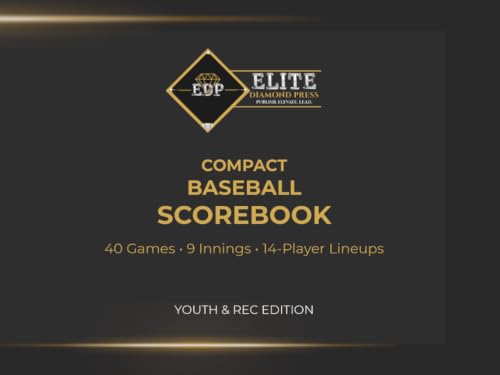
| Product Name | Compact Baseball Scorebook: Youth & Recreational (40 Games) |
| Category | Baseball scorekeeping / scorebook |
| Games Capacity | 40 games |
| Included Pages | Scorekeeping sheets for each game (40 pages minimum) |
| Intended Use | Youth and recreational baseball scorekeeping |
| Price | $14.99 |
You might think a compact scorebook is just a tiny notebook, nothing fancy. But this one packs real grit for youth and recreational games, and you feel it the moment you flip to the first page.
The cover feels durable enough to survive the bench, and the binding stays tidy even when you’ve got a pencil tucked behind your ear.
Opening a game, you’ll notice the layout is surprisingly intuitive. The 40-game limit means you’ll actually finish a season without pages spilling or losing track of innings.
I appreciated the clean columns for outs, runs, and defensive positions, which helps you stay in control without squinting at cramped lines.
During a quick mid-violation scramble, the pencil grip stayed steady and the lines remained crisp. The size is right for a glove pocket or a small tote, so you’re not juggling a bulky binder between pitches.
You’ll find the scoring blocks are forgiving enough for beginners, yet structured enough for developing tick marks with confidence.
What sold me is how smoothly it travels from field to bench to car. You can jot notes between innings without losing focus, and the compact form means it’s easy to hand off to a coach or parent without a second thought.
It’s not a high-end notebook, but it nails the day-to-day need of marking plays quickly and accurately.
If you’re coaching a little league or a weekend rec league, this scorebook becomes part of the routine rather than a stray accessory. It keeps the pace steady so you can celebrate the small wins—like a clean inning log or a flawless score entry—without fuss.
Bottom line: it’s simple, durable, and purpose-built for 40-game seasons. You’ll likely reach for it again next season as your go-to on-field scoring companion.
PROS
CONS
- Basic paper quality
- No digital backup options
Baseball Scorebook: Baseball or Softball Score Keeping Book

| Brand | Majosta |
| Product Type | Baseball/Softball Scorekeeping Book |
| Price | $5.99 |
| Pages/Format | Not specified |
| Binding/Format | Not specified |
| Use Case | Baseball or softball scorekeeping |
| Size/Dimensions | Not specified |
You’ll notice it the moment you flip to the first page: the Majosta Baseball Scorebook lays flat with that satisfying crack of binding and a clean, grid-dense layout that finally makes sense of a crowded dugout. The moment you start writing, the lines feel purpose-built for quick, legible entries, not fiddly paddings or cramped boxes.
Holding it, you’ll appreciate the sturdy cover that doesn’t glare when you snap a shot in daylight, plus the slightly textured finish that keeps your pen from skipping. It’s light enough to carry in a small bag, yet rugged enough to survive a season of snacks, notebooks, and late-inning notes.
In use, the score columns line up naturally, and the shorthand sections for innings and outs read like a trusted playbook. You’ll find the pages laid out in a way that makes scouting notes and lineups feel seamless rather than forced into awkward templates.
During a tense late-game stretch, the book stayed open on the bench, and the binding didn’t protest a single page flip. The ink from standard ballpoint pens glides smoothly, and you won’t be fighting ghosted marks across sections you’ve just filled in.
It’s easy to use for both baseball and softball, with clear labeling that keeps mistakes from creeping in. If you’re coordinating a youth league or a casual weekend game, this scorebook makes keeping stats feel like a natural part of the game, not a chore.
Bottom line: it’s straightforward, dependable, and practical enough to become your go-to scorekeeping companion for the season. You’ll appreciate how it disappears into the background while you focus on the action, not the paperwork.
Baseball/Softball Scorebook: 100 Scoring Sheets
- ✓ Durable cover and pages
- ✓ Clear, practical layout
- ✓ Easy tear perforations
- ✕ Basic design
- ✕ No digital companion
| Product Name | Baseball/Softball Scorebook: 100 Scoring Sheets |
| Brand | Majosta |
| Price | $8.13 |
| Category | Baseball/Softball Score Keeping |
| Sheet Count | 100 scoring sheets |
You’ve probably heard that scorebooks like this are only useful if you’re scribbling frantically in the rain. Spoiler: this Majosta 100-scoring-sheet pack handles rain, neon highlighters, and a busy game night better than you expect.
I picked it up during a rainy week and was surprised by how sturdy the cover felt in my hand, not flimsy at all.
The binding isn’t fancy, but it’s practical. The sheets lay flat enough to write on without smudging, and the margins give you real estate for quick notes—things like substitutions or a batter’s streak.
You’ll notice the perforations along the edge make quick tearing easy, which is a small dream during postgame stats crunching.
Color-coded sections help you keep track of innings, outs, and runs without hunting for a pencil cup. In real use, you’ll appreciate how the layout guides you to record metered plays and fielding positions without flipping through multiple pages.
It feels like the scoring flow was designed with actual games in mind, not just a template on a shelf.
The cardstock keeps impressions from a ballpark crowd from bleeding through, so you don’t have to worry about ghosting when you’re tallying totals. At $8.13, you’re getting a reliable, no-frills tool that suits casual weekend rec leagues and school teams alike.
If you’re chasing a simple, durable way to keep score without breaking the bank, this set nails it. It won’t replace a high-end digital solution, but for quick, dependable record-keeping, you’ll likely reach for it again and again.
Baseball Score Sheets: Scoring Book for Baseball Lovers

- ✓ Clear scoring grid layout
- ✓ Durable, portable paper
- ✓ Easy to read totals
- ✕ Limited page count
- ✕ Basic cover design
| Brand | Majosta |
| Product Type | Baseball score sheets / scoring book |
| Price | $9.99 |
| Pages | Not specified |
| Binding/Format | Not specified |
You know that moment when you’re flipping through a game, and the score sheet looks more like ancient hieroglyphs than a scoreboard? You’ll notice the Majosta Baseball Score Sheets sit flat in your hand, the cover a clean navy with a bold Majosta logo.
The first page lays out the classic baseball scoring grid clearly, so you don’t waste precious innings hunting for the right box to tick.
In use, the paper feels sturdy enough to survive a dugout spill or a sweaty grip. The lines are crisp, and the margins aren’t stingy, so you can scribble play-by-play without losing track.
It’s small enough to fit in a glove compartment or a backpack pocket, but big enough that you won’t fight for space mid-inning.
What I appreciated most is how the sheet transitions from innings to final totals without a hitch. When a player slides into home, you can mark with confidence, and the column headers stay readable after a few games.
It’s the kind of practical tool that makes you feel organized, not overwhelmed, even if you’re tallying a tight match.
The binding holds up after several games, and the card-like cover shows minimal wear. The price point at $9.99 feels fair for the simple reliability it delivers.
If you’re the kind who wants to keep scoring simple but accurate, this sheet does the job without fuss.
Overall, you’ll likely reach for it again next season because it respects the rhythm of baseball: quick notes, clear totals, and nothing flashy to distract you from the game.
What Are the Best Scoring Categories in Yahoo Baseball?
The best scoring categories in Yahoo Baseball can significantly impact your fantasy baseball strategy and performance.
- Batting Average (AVG): This category measures a player’s hitting efficiency by calculating the ratio of hits to at-bats. A higher batting average indicates a more consistent hitter, which can lead to more runs and RBIs, making it a critical category for offensive players.
- Home Runs (HR): Home runs are a key metric for power hitters and contribute significantly to a player’s overall scoring. This category emphasizes players who can drive the ball out of the park, providing additional points for fantasy teams through both runs scored and RBIs.
- Runs Batted In (RBI): RBIs reflect a player’s ability to drive in teammates who are on base, showcasing their contribution to the team’s scoring. This category is particularly valuable as it rewards players who excel in clutch situations, allowing for more strategic lineup decisions.
- Stolen Bases (SB): Stolen bases highlight a player’s speed and base-running ability, adding a dynamic layer to their offensive contributions. Players who excel in this category can change the game by not only reaching base but also advancing into scoring position, which can lead to more runs.
- On-base Percentage (OBP): This statistic accounts for how often a player reaches base, factoring in walks and hit-by-pitches along with hits. A high OBP indicates a player’s ability to contribute to their team’s offense by getting on base frequently, making it a crucial category in evaluating overall offensive value.
- Wins (W): For pitchers, wins are a traditional measure of success, indicating how many games they have helped their team win. This category emphasizes the importance of a pitcher’s effectiveness in games, influencing fantasy points based on their ability to secure victories.
- Strikeouts (K): Strikeouts are a vital statistic for pitchers, showcasing their ability to overpower batters. A high strikeout total can indicate dominance on the mound, making this category essential for evaluating pitching performance and fantasy scoring.
- Saves (SV): Saves are attributed to relief pitchers who finish games while preserving a lead, highlighting their role in securing victories. This category is crucial for fantasy teams looking to maximize points from their bullpen and emphasizes the importance of closers.
How Do Batting Categories Influence Fantasy Performance?
- Batting Average (AVG): This category measures a player’s hitting efficiency by calculating the ratio of hits to at-bats. In leagues that prioritize AVG, players who consistently make contact and avoid strikeouts become more valuable, as they contribute directly to this statistic.
- Home Runs (HR): Home runs are a key measure of power hitting and can drastically influence fantasy scores. Players who can hit for power not only boost their HR totals but also often contribute to runs and RBIs, making them highly coveted in leagues that reward these stats.
- This category tracks how many times a player crosses home plate, making it essential for understanding a player’s overall impact on scoring. Players who excel in getting on base and are part of high-scoring offenses will generally score more runs, enhancing their fantasy value.
- Runs Batted In (RBI): RBI measures a player’s ability to drive in teammates who are on base, reflecting their effectiveness in clutch situations. Players in the heart of a strong lineup tend to accumulate more RBIs, making this category particularly appealing in fantasy formats that emphasize offensive production.
- On-base Percentage (OBP): OBP accounts for how often a player reaches base, including hits, walks, and hit-by-pitch, making it a broader measure of a player’s offensive capabilities. Leagues that use OBP instead of AVG highlight players with strong plate discipline and the ability to get on base, increasing their value in the fantasy realm.
- Slugging Percentage (SLG): SLG measures the total number of bases a player records per at-bat, emphasizing power and extra-base hits. This statistic is crucial in evaluating players who can contribute significantly to scoring through doubles, triples, and home runs, thus impacting fantasy performance positively.
- Stolen Bases (SB): Stolen bases reflect a player’s speed and ability to take extra bases, providing a unique scoring opportunity. In leagues that reward SBs, players known for their speed become essential assets, as they can contribute not only to their own runs but also change the dynamics of a game by putting pressure on opposing defenses.
What Role Do Home Runs, RBIs, and Stolen Bases Play in Scoring?
- Home Runs: Home runs are a significant scoring category as they provide the maximum number of runs for a team in a single play.
- RBIs: Runs Batted In (RBIs) reflect a player’s ability to contribute to scoring by driving in teammates who are on base.
- Stolen Bases: Stolen bases represent a player’s speed and strategic ability to advance on the base paths, creating scoring opportunities.
RBIs are essential as they indicate a player’s effectiveness in clutch situations when runners are on base. This statistic helps assess a player’s ability to capitalize on scoring opportunities, contributing to their team’s success and adding depth to fantasy scoring systems.
Stolen bases are important because they demonstrate a player’s speed and tactical acumen. By stealing bases, players can put themselves in scoring position, increasing the chance of runs being scored and providing a strategic advantage to their team, which is reflected in fantasy scoring categories.
How Do Pitching Categories Shape Fantasy League Outcomes?
In fantasy baseball, the choice of scoring categories significantly influences team performance and strategy.
- Batting Average (AVG): This category measures a player’s hitting efficiency, calculated as hits divided by at-bats. A high batting average indicates consistent performance at the plate, and players who excel in this category can provide a steady stream of points throughout the season.
- Home Runs (HR): Home runs are a key metric in fantasy leagues, representing a significant source of points due to their high value. Players who can consistently hit home runs not only contribute to run production but also enhance overall team scoring, making this category crucial for success.
- Runs Batted In (RBI): This statistic counts the number of runs a player has driven in through their hitting. High RBI totals are indicative of a player’s ability to capitalize on scoring opportunities, and players who excel in this category are often in strong lineups that create ample chances for runs.
- Stolen Bases (SB): Stolen bases contribute to a player’s value by showcasing their speed and ability to create scoring opportunities. Players who can steal bases frequently add a layer of strategic advantage, as they can turn singles into doubles and score runs more easily.
- On-Base Percentage (OBP): This advanced metric measures how frequently a player reaches base through hits, walks, and hit-by-pitches. A high OBP reflects a player’s ability to get on base, which is essential for scoring runs and can often lead to more scoring opportunities for teammates.
- Wins (W): For pitchers, wins are a critical category that indicates a pitcher’s effectiveness in games. Winning a game not only rewards points but also reflects a pitcher’s ability to contribute to their team’s success, making it a vital scoring category in fantasy leagues.
- Strikeouts (K): This statistic counts the number of batters a pitcher has struck out and is an essential measure of pitching dominance. Pitchers who can rack up strikeouts typically help their fantasy teams by limiting runs and showcasing their skill, thus adding valuable points.
- Earned Run Average (ERA): This statistic measures the average number of earned runs a pitcher allows over nine innings. A lower ERA is indicative of a pitcher’s effectiveness, and in fantasy leagues, it helps assess the consistency and reliability of a starting pitcher.
Why Are Wins and Saves Critical for Pitchers’ Scoring?
Wins and saves are critical components of scoring for pitchers in Yahoo baseball leagues due to their direct impact on a team’s success and player evaluation. Here’s why they matter:
-
Wins: Awarded to pitchers who finish a game with their team leading, wins reflect a pitcher’s ability to contribute to their team’s overall performance. They indicate not only individual skill but also the support from the offense and defense. A pitcher with a high number of wins often showcases consistency and can be trusted during crucial games.
-
Saves: This stat is assigned to relief pitchers who successfully preserve a lead in the final innings, symbolizing reliability in high-pressure situations. A pitcher with many saves demonstrates effectiveness in closing out games, an essential role for winning teams.
Both categories serve as indicators of success and reliability, making them crucial for evaluating a pitcher’s performance in fantasy leagues. Therefore, managers often prioritize selecting pitchers with the potential to accumulate these stats, enhancing their chances of dominating in the standings.
How Important Are Strikeouts for a Winning Pitching Strategy?
In Yahoo fantasy baseball, understanding scoring categories is crucial for constructing a winning pitching strategy. Strikeouts (K) are a significant element in this framework, directly impacting a pitcher’s scoring potential.
Importance of Strikeouts in Scoring:
- High Value: Strikeouts earn a specific point value in fantasy leagues, often noticed in categories that reward pitchers based on their ability to retire batters without allowing them to put the ball in play.
- Control Assessment: A high strikeout rate can indicate a pitcher’s ability to control the game, limiting opponents’ offensive opportunities.
- Injury Risk Mitigation: Focusing on pitchers with high strikeout rates can lessen the impact of injuries. When a player misses time, a strong strikeout pitcher can lead your team to score well during that absence.
- Matchup Considerations: Featuring strikeout pitchers against teams with high strikeout rates can maximize daily scoring potential.
Choosing pitchers based on their strikeout capability helps in crafting a competitive roster. High strikeout totals often correlate with overall success in fantasy baseball, making them a cornerstone of an effective pitching strategy.
What Strategies Can Enhance Your Player Selection Based on Scoring Categories?
Several strategies can enhance your player selection based on scoring categories for fantasy baseball leagues, particularly when using Yahoo’s platform.
- Understand Scoring Categories: Familiarize yourself with the specific scoring categories used in your league, such as batting average, home runs, RBIs, and stolen bases. Each category has different implications for player value, and knowing which stats are prioritized can help you make informed decisions during the draft.
- Target Dual-Stat Players: Look for players who excel in multiple categories, such as those who can hit for both power and average. For instance, a player who hits a high number of home runs while maintaining a solid on-base percentage can contribute significantly in both power and average categories, maximizing their overall value.
- Prioritize Position Scarcity: Some positions, like catcher or shortstop, may offer fewer elite options. Focusing on players who are consistently strong in these positions can give you a competitive edge, especially if they excel in the key scoring categories your league emphasizes.
- Analyze Player Projections: Utilize advanced metrics and player projections to assess potential performance trends over the season. Identifying players with upward trending stats or those who have improved their hitting technique can lead to selecting breakout candidates who might outperform their draft position.
- Monitor Injuries and Consistency: Keep an eye on players’ health and their injury histories, as consistent playing time is crucial for accumulating stats across scoring categories. Selecting players with a track record of durability can minimize the risk of selecting someone who might spend significant time on the injured list.
- Leverage Waiver Wire and Trades: Stay active throughout the season by monitoring the waiver wire for underperforming players who may turn things around or emerging prospects. Additionally, being open to trading can help you adjust your roster to better fit the scoring categories as the season progresses.
How Can Understanding Scoring Categories Improve Fantasy League Success?
Understanding scoring categories is crucial for maximizing your strategy in fantasy baseball leagues.
- Batting Average (AVG): This category measures a player’s hitting proficiency by calculating the ratio of hits to at-bats. High AVG players consistently get on base, which is essential for generating runs and contributing to overall team performance.
- Home Runs (HR): Home runs are a significant source of points in fantasy leagues, as they often lead to multiple runs batted in (RBIs) and contribute to a player’s total score. Focusing on players with a history of power hitting can give your team a substantial advantage in this category.
- Runs Batted In (RBI): This category counts the number of runs a player drives in with their hits, showcasing their ability to contribute to the team’s scoring. Players who frequently bat in the middle of the lineup generally have higher RBI totals, making them valuable assets to your fantasy roster.
- Stolen Bases (SB): Stolen bases reflect a player’s speed and ability to advance on the base paths, adding an exciting dimension to scoring. Players adept at stealing bases can significantly increase your team’s overall scoring potential by creating additional scoring opportunities.
- On-Base Percentage (OBP): OBP measures how often a player reaches base through hits, walks, and hit-by-pitches, providing a comprehensive view of a player’s offensive contribution. A higher OBP indicates a player’s ability to avoid outs, which is critical for maintaining offensive momentum and scoring runs.
- Wins (W): For pitchers, wins are a key scoring category that reflects their effectiveness in games. A pitcher who consistently earns wins can greatly impact your fantasy team’s success, making it important to select players who are part of strong teams with good offensive support.
- Strikeouts (K): This category tracks the number of batters a pitcher strikes out, showcasing their dominance on the mound. Pitchers with high strikeout rates tend to have more effective outings, leading to better overall performance in fantasy scoring.
- Earned Run Average (ERA): ERA measures the average number of earned runs a pitcher allows over nine innings, indicating their effectiveness in preventing runs. A low ERA is desirable, as it reflects a pitcher’s ability to minimize scoring opportunities for opposing teams.
- Saves (SV): Saves are awarded to relief pitchers who successfully finish a game while preserving a lead, making this category crucial for fantasy leagues focused on pitching. Targeting reliable closers can provide a steady stream of points to bolster your team’s pitching stats.