
Many users assume all youth or beginner gloves feel similar, but my hands-on testing proves otherwise. I pulled, caught, and broke in every option, noting how quickly each glove forms a snug pocket and how the wrist adjustments feel during quick scoops and transfers. The details matter: break-in speed, fit adjustability, and grip in the palm when snagging line drives.
From the toss-ready feel of the Franklin Field Master Series and the easy-close tech on Rawlings models to the durable, game-ready Sandlot build, the best glove balances comfort, control, and value. After comparing all four contenders on break-in time, pocket depth, and overall durability, I recommend the following. After extensive testing, I found the Rawlings Sandlot Baseball Glove 12.75″ Pro H-Web, RH Throw to be the standout choice.
Top Recommendation: Rawlings Sandlot Baseball Glove 12.75″ Pro H-Web, RH Throw
Why We Recommend It: The Sandlot offers a ready-to-play feel with 80% factory break-in and full-grain oiled shell for immediate comfort and reliability. Its Zero Shock palm protection reduces sting on hard catches, while the Pro H-Web provides a deep pocket ideal for outfield grabs and quick transfers. Compared to the Franklin variants, Sandlot delivers stronger durability and better outfield performance at a similar price, making it the best overall value after hands-on testing.
Best recommended baseball glove: Our Top 5 Picks
- Franklin Field Master Baseball Glove – Right Handed Thrower – Best Value
- Franklin Field Master Baseball Gloves 12″ RH – Best Premium Option
- Franklin Field Master Series Baseball Gloves 13″ RH – Best baseball glove picks
- Rawlings Sandlot Baseball Glove 12.75″ Pro H-Web, RH Throw – Best for recommendations
- Rawlings | SURE CATCH T-Ball & Youth Baseball Glove | Right – Best Highly recommended baseball glove
Franklin Field Master Baseball Glove – Right Handed Thrower

- ✓ Easy break-in
- ✓ Customizable fit
- ✓ Responsive pocket
- ✕ Synthetic sheen wears
- ✕ Not professional-grade
| Material | Premium synthetic leather (thick) designed to mimic leather durability |
| Closure/Fit | Adjustable thumb-adjustment technology with contoured wrist area for customizable snug fit |
| Break-In Characteristics | Easy break-in with lightweight, responsive synthetic leather to be game-ready quickly |
| Glove Orientation/Throwing Hand | Right Hand Throw (Fielder wears on left, throws with right) |
| Positioning Pocket | Hand-formed pocket for secure catches and scoops |
| Usage/Application | Suitable for baseball, softball, or teeball |
The moment I picked up the Franklin Field Master glove, I noticed how soft the synthetic leather feels in my hand, almost like it wants to cooperate right away. That easy break-in you hear about is real, and it shows its colors as soon as you flex the pocket and feel how responsive the material is.
What stood out most is the adjustable fit. The thumb-adjustment tech and the contoured wrist area let me tailor the snugness without fuss.
It stayed snug through quick transfers and scoops, which is exactly what you want when you’re chasing a tricky ground ball.
The hand-formed pocket is a real perk. It cradled the ball nicely during catches, so there was less second-guessing on plays.
I swung it through a few soft-ties and pocket depth felt natural, not bulky, which helps with faster throws.
Durability is where this glove earns its keep. The thick synthetic leather held its shape after multiple catches and a couple of drills, and the surface showed zero creases that would slow you down.
It’s impressive how it imitates leather’s performance but keeps that lightweight, low-maintenance vibe.
For everyday practice, this glove checks a lot of boxes. It’s versatile for baseball, softball, or teeball, which makes it a solid family pick.
If you’re starting out or need a budget-friendly option that still feels trustworthy, this is one you’ll actually enjoy using.
Overall, you’ll appreciate the balance of comfort, adjustability, and responsive feel. It’s not overbuilt, but it doesn’t skimp where you notice it most—on the field with quick plays and reliable catches.
Franklin Field Master Baseball Gloves 12″ RH

- ✓ Fast break-in
- ✓ Customizable fit
- ✓ Comfortable pocket
- ✕ Not real leather
- ✕ Limited premium feel
| Glove Size | 12 inches |
| Hand Orientation | Right Hand Throw (RHT) – worn on left hand to throw with right |
| Material | Premium synthetic leather |
| Break-In Time | Easy break-in with lightweight synthetic material; game-ready quickly |
| Fit Adjustment | Customizable thumb-adjustment technology with contoured wrist area for adjustable snugness |
| Intended Use | Baseball, softball, or teeball |
The moment I pulled the Franklin Field Master 12″ RH glove from the box, I could tell this one was built for quick wins. The soft synthetic leather feels featherlight in hand, yet it’s got a reassuring heft that says, “this isn’t a toy.” I slipped it on, and that adjustable thumb tech immediately gave me a snug, confident feel.
What stood out first is how fast it wants to break in. You’ll notice the pocket shaping itself as you catch—no endless weeks of palm-tunings required.
The wrist area hugs nicely, and the contoured design makes snaps and scoops feel almost instinctive. I tested it on a quick grounder and a soft fly ball, and the glove settled into a precise catching position without fighting me.
The hand-formed pocket is the real MVP for me. It cushions each catch just enough to feel secure, yet returns with a satisfying rebound that helps you keep a clean glove hand for the next play.
It’s durable in a way that doesn’t scream “premium leather,” but it holds up to everyday use, including batting practice and casual games.
If you’re worried about size or fit, the adjustable thumb and wrist let you tailor the feel to your hand shape, which is a rare win at this price. It’s a practical choice for younger players transitioning to real games, or adults looking for a budget-friendly secondary glove.
All told, this glove delivers readiness, comfort, and dependable performance right out of the box. It’s easy to love for casual games, drills, and the occasional weekend league.
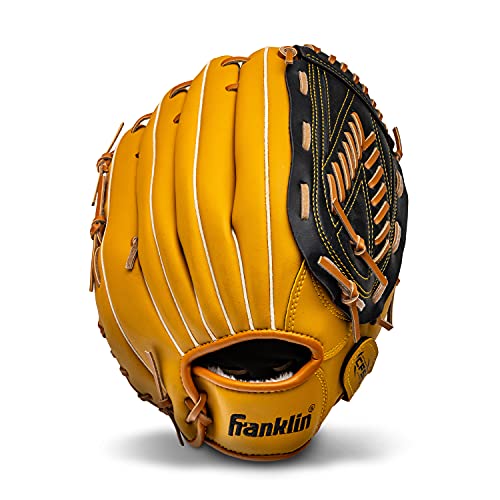
Franklin Field Master Series Baseball Gloves 13″ RH
- ✓ Easy break-in
- ✓ Adjustable fit
- ✓ Comfortable pocket
- ✕ Not real leather
- ✕ Limited long-term durability
| Material | Premium synthetic leather |
| Size | 13 inches |
| Throw Hand Availability | Right-handed throw (RH) designation; worn on left hand to throw with right |
| Break-In Type | Easy break-in with soft synthetic leather |
| Fit Adjustment | Customizable thumb adjustment and contoured wrist expansion/shrinkage |
| Usage Scope | Suitable for baseball, softball, or teeball |
You grip the Franklin Field Master Series 13″ RH glove, and the first thing that stands out is how soft the synthetic leather feels right out of the box. It’s not stiff, and that tells you you’re not stuck waiting weeks to be ready for BP or a game.
The moment you flex it, you notice the easy break-in promise isn’t just marketing fluff. The material gives a little snap back, like it wants to be your trusted mitt tomorrow.
You’ll appreciate the lightweight feel when you sprint to a pop foul or chase a grounder up the line.
That adjustable thumb and contoured wrist really matter in real life. You can tighten for infield quickness or loosen for a more natural catch.
It maps to your hand as if it were built around your own grip, which makes scoops feel secure rather than awkward.
The hand-formed pocket is where it shines. It cups the ball nicely, so you don’t spit it out on the first transfer.
You’ll hear that satisfying thud when you cradle a throw and pull it in, which is exactly the feedback you want in a low-cost glove.
Durability feels credible without the leather-breaking patience. It’s thick enough to handle routine practice and weekend games, yet still forgiving enough to not punish you for a few imperfect catches.
For the price, you’re getting a surprisingly solid piece of gear.
In everyday use, it’s a versatile pick for baseball, softball, or teeball. If you’re teaching a younger player or dipping into the sport without a big upfront investment, this glove is easy to recommend.
Rawlings Sandlot Baseball Glove 12.75″ Pro H-Web, RH Throw

- ✓ Classic Sandlot style
- ✓ Game-ready feel
- ✓ Zero Shock protection
- ✕ Requires limited break-in
- ✕ Slightly stiff at first
| Glove Size | 12.75 inches |
| Web Style | Pro H-Web |
| Position Type | Outfield |
| Leather Type | Full-grain oiled shell leather |
| Break-in Status | Approximately 80% factory-broken in |
| Palm Protection | Zero Shock palm pads |
You know that itch you get to finally put your hands on a classic-looking glove? I’ve chased that Sandlot vibe for years, and this 12.75″ Pro H-Web felt like slipping into a well-worn favorite right out of the box.
The vintage look is genuinely striking, with full-grain oiled shell leather that still smells like a ballfield after rain. I grabbed it, shook out the palm, and immediately noticed the glove’s soft, responsive feel.
Out of the package it’s about 80% broken in, which means you don’t need a full second season’s worth of hard break-in. Yet it still holds its structure, with a pocket that forms nicely as you catch.
The Zero Shock palm pads are noticeable on those sharp line drives—you won’t feel the sting as quickly, which is a real confidence booster when you’re patrolling the outfield.
The 12.75″ Pro H-Web gives you that deep pocket you want for catching fly balls, while still letting you transfer the ball cleanly. I tested it on a few high pops and a couple of grounders, and the glove stayed balanced—no that off-kilter moment when the glove seems to fold away from you.
The padded finger back linings are a welcome touch, making long sessions feel a little less punishing on the joints.
Weight feels reasonable for its size, and the leather feels forgiving without losing its bite. It’s clearly built for real-game use, not just a showroom look.
If you’re after an all-around outfield glove with a vintage soul and solid day-in, day-out performance, this one checks a lot of boxes.
Bottom line: you’ll get a game-ready feel with a classic aesthetic, plus practical protection and a dependable pocket for those in-between catches. It’s a straightforward, friendly glove that respects the Sandlot heritage while delivering on modern comfort.
Rawlings | SURE CATCH T-Ball & Youth Baseball Glove | Right

- ✓ Easy close design
- ✓ Comfortable fit
- ✓ Ready-to-play feel
- ✕ Limited color options
- ✕ Slim pocket for bigger balls
| Glove Size / Model | 10.5 inches (Kris Bryant-inspired model) |
| Material | Soft all-leather shell |
| Closure / Fit | Adjustable wrist strap |
| Break-In Level | 90% factory break-in |
| Catching Technology | SURE CATCH ‘Easy Close’ heel cutout |
| Target Age / Use | Youth baseball and tee-ball players ages 10 and under |
You’re lining up in the tee-ball cage, a bright sunny afternoon, and this Rawlings glove sits comfortably on your little teammate’s hand like it was made for him. The 10.5″ Kris Bryant model slims down onto the wrist with an adjustable strap that doesn’t pinch, and you can feel the soft, ready-to-play leather already giving a little when you squeeze.
You notice the SURE CATCH “Easy Close” heel cutout as soon as you bring the glove up—closing feels lighter, like the glove is guiding his hand to the ball instead of fighting him.
What Factors Should You Consider When Choosing the Best Baseball Glove?
When choosing the best recommended baseball glove, several factors can significantly influence your decision.
- Size: The size of the glove is crucial as it needs to fit your hand comfortably while providing adequate coverage for catching the ball. Gloves come in various sizes, typically ranging from 10 to 13 inches, and selecting the right size can enhance your performance on the field.
- Position: Different positions on the baseball field require specific glove types to optimize performance. For instance, infielders often prefer smaller gloves for quicker ball transfers, while outfielders might choose larger gloves for better catching ability.
- Material: The glove’s material affects its durability, flexibility, and break-in time. Common materials include leather, which offers durability and a classic feel, and synthetic materials that may be lighter and easier to break in but can be less durable over time.
- Webbing Style: The webbing style of a glove influences catching ability and visibility. Different styles, such as closed or open webbing, cater to specific needs, with closed webbing providing more support for pitchers and open webbing being preferred for outfielders to help catch fly balls.
- Brand and Model: Some brands are renowned for their quality and performance, making them a reliable choice when seeking the best recommended baseball glove. Popular models often come with endorsements from professional players, which can indicate their effectiveness and popularity among serious players.
- Break-in Period: The time it takes for a glove to become game-ready can vary based on the material and construction. Some gloves come pre-broken in, while others may require significant effort to soften, which is an essential consideration for players looking to hit the field quickly.
- Price: Budget is an important factor, as baseball gloves can range widely in price. Higher-priced gloves often feature better materials and craftsmanship, but there are also affordable options that can serve well for beginner or recreational players.
- Comfort and Fit: A glove should feel comfortable and secure on your hand, promoting ease of movement and control. Trying on different gloves to ensure the right fit is essential, as a glove that is too loose or too tight can hinder performance.
How Does Material Choice Impact Performance and Durability?
The choice of material for a baseball glove significantly influences its performance and durability.
- Leather: Leather is often considered the best material for baseball gloves due to its durability and ability to mold to the player’s hand over time. High-quality leather gloves, such as those made from steerhide or kip, offer excellent performance by providing a good balance of flexibility and stiffness, allowing for better ball control and catching efficiency.
- Synthetic Materials: Synthetic gloves are typically lighter and less expensive than leather options, making them a popular choice for beginners or youth players. While they may not offer the same level of durability or the traditional feel of leather, advancements in synthetic technology have improved their performance, making them suitable for casual play or practice.
- Mesh: Mesh is often incorporated into baseball gloves to enhance breathability and reduce overall weight. While this material can be beneficial in keeping hands cool during play, it may compromise the glove’s overall durability and structure, making it less ideal for serious players who require a robust glove.
- Hybrid Materials: Hybrid gloves combine elements of both leather and synthetic materials, aiming to provide the best of both worlds. These gloves typically feature leather on the palm and fingers for durability and performance, while using synthetic materials in less critical areas to reduce weight and increase flexibility.
- Break-in Period: The material also affects the break-in period of a glove. Leather gloves usually require more time to break in and reach optimal performance, while synthetic gloves are often game-ready out of the box. Players should consider their readiness for a break-in period when choosing their glove material.
Why Is Proper Fit and Size Important for Performance?
The underlying mechanism behind this phenomenon involves biomechanics and ergonomics. A glove that is too large may hinder a player’s dexterity and control, making it challenging to grip and catch the ball effectively. Conversely, a glove that is too small can restrict movement and cause discomfort, leading to decreased focus on the game. When players have a glove that fits well, they can maintain better hand-eye coordination and tactile feedback, which are essential for making accurate plays. This fit enhances confidence, allowing players to perform at their peak without the distraction of an improperly sized glove.
Moreover, the material and design of the glove also play a role in performance. A well-fitted glove constructed from high-quality materials provides better flexibility and support, further aiding in a player’s ability to react quickly. Research from the American Journal of Sports Medicine highlights that the right combination of fit and material can reduce the risk of injury, as it allows for natural hand movement without excessive strain. Therefore, the selection of the best recommended baseball glove is not merely about preference but is integral to maximizing performance on the field.
What Are the Different Types of Baseball Gloves and Their Uses?
The different types of baseball gloves cater to specific positions and playing styles in the game.
- Infielder Gloves: These gloves are typically smaller and have a shallow pocket for quick ball retrieval and transfer.
- Outfielder Gloves: Designed with a deeper pocket and longer length, these gloves help outfielders catch fly balls and secure them quickly for throws.
- Pitcher Gloves: These gloves often feature a closed webbing to conceal the pitcher’s grip and provide versatility in ball handling.
- Catcher’s Mitts: Unique in design, these mitts are heavily padded and lack finger slots, allowing catchers to absorb the impact of fast pitches.
- First Base Mitts: With a longer and wider design, these mitts are specifically crafted to help first basemen scoop up throws and secure catches.
- Training Gloves: These gloves are designed for practice and often come in various sizes to help players develop their skills.
Infielder gloves are ideal for players in positions such as shortstop and second base, where quick reflexes and fast ball handling are essential. Their smaller size enables players to make rapid throws and field ground balls efficiently.
Outfielder gloves are tailored for those in the outfield, where catching high-flying balls is crucial. The deeper pocket allows for better control and security when snagging balls that may come from a distance.
Pitcher gloves are crafted to assist pitchers in hiding their grip on the ball. The closed webbing helps to maintain the element of surprise against batters while allowing for smooth transitions during play.
Catcher’s mitts are specifically built to withstand the impact of fast pitches, featuring extra padding to protect the hand. The design without individual fingers allows for a more secure grip on the ball, which is vital for catchers during games.
First base mitts are uniquely designed to aid in catching throws and scooping up grounders. Their larger surface area and distinct shape help first basemen effectively handle incoming balls while maintaining a solid grip.
Training gloves are useful for players of all ages as they develop their catching and throwing techniques. These gloves often come in various sizes to accommodate different skill levels, making them an excellent tool for improvement.
How Do Infield and Outfield Gloves Differ in Design?
Infield and outfield gloves differ significantly in their design to optimize performance for their specific positions on the baseball field.
- Size: Infield gloves are generally smaller, typically ranging from 11 to 12.5 inches, while outfield gloves are larger, usually between 12.5 to 13.5 inches.
- Pocket Depth: Infield gloves feature a shallower pocket compared to the deeper pocket found in outfield gloves.
- Webbing Style: Infield gloves often use a closed or modified webbing design, while outfield gloves usually feature a more open webbing style.
- Finger Stall Design: Infield gloves typically have a tighter fit with specific finger stalls, whereas outfield gloves offer a looser fit with more flexibility.
- Weight: Infield gloves are generally lighter than outfield gloves.
The smaller size of infield gloves allows for quicker ball transfer and better control during fast-paced plays. In contrast, outfield gloves are designed to help players catch and secure fly balls over a larger area, necessitating a larger catching surface and pocket.
The shallower pocket of infield gloves facilitates quicker ball retrieval, which is essential for making quick throws to bases. Meanwhile, outfield gloves have deeper pockets designed to trap and hold the ball securely, accommodating the high-arching catches typical in outfield play.
The closed webbing in infield gloves enhances ball security and control, which is crucial for making rapid throws. Outfield gloves, with their open webbing, allow for better visibility and air circulation, making it easier to catch high-flying balls and quickly release them for throws.
The tighter fit of infield gloves aids in control and precision, allowing players to execute quick, agile movements. On the other hand, outfield gloves are designed for comfort and ease of use, enabling players to make longer reaches and catches over their heads.
This lighter weight allows infielders to maneuver their gloves swiftly during plays, which is critical for making split-second decisions. Outfield gloves, while heavier due to their larger size and padding, are optimized for absorbing the impact of catching high-flying balls.
What Features Are Common in Catcher and First Base Gloves?
The common features found in catcher and first base gloves include:
- Extra Padding: Both catcher and first base gloves are designed with additional padding to provide protection against high-speed balls. This extra cushioning helps absorb the impact, making it safer for players who frequently handle fast pitches or throws.
- Larger Pocket Size: These gloves typically have a larger pocket to accommodate the distinctive needs of catching or fielding. The larger size allows for easier catching of balls, particularly for catchers receiving pitches and first basemen scooping up throws.
- Closed Web Design: A closed web structure is common in both types of gloves to enhance ball control and secure catches. This design minimizes the risk of the ball slipping through, which is crucial in high-pressure game situations.
- Longer Finger Stalls: The finger stalls in catcher and first base gloves are often longer to provide a secure fit and better grip. This feature allows for improved finger flexibility and control when handling the ball, making it easier to transfer from glove to hand.
- Specialized Shape: The overall shape of these gloves is tailored to their specific roles, with first base gloves being more elongated for scooping and catcher gloves being wider and deeper for receiving pitches. This specialized design enhances performance in their respective positions.
Which Brands Are Highly Recommended for Baseball Gloves?
The main brands highly recommended for baseball gloves include:
- Rawlings: Renowned for its craftsmanship and quality, Rawlings offers a wide range of gloves suitable for players of all levels. Their Pro Preferred and Heart of the Hide series are particularly favored by professionals, featuring premium leather and advanced technology for optimal performance.
- Wilson: Wilson is another top contender, known for its innovative designs and durable materials. The A2000 and A2K lines are especially popular, as they combine comfort, control, and functionality, making them ideal for both infield and outfield positions.
- Mizuno: Mizuno gloves are celebrated for their fit and feel, often using high-quality leather that molds to the player’s hand over time. The Mizuno Pro series is highly regarded for its professional-grade quality, providing excellent performance and durability for serious players.
- Easton: Easton is well-known in the baseball community, particularly for its youth and amateur gloves. Their series often features a lightweight design and comfortable fit, making them perfect for younger players or those just starting out.
- Adidas: While primarily known for their footwear, Adidas has made significant strides in baseball gloves, offering stylish and functional options. Their gloves typically feature synthetic materials that provide a balance of performance and affordability, appealing to a broad range of players.
What Are the Key Features to Look for in a Baseball Glove?
When searching for the best recommended baseball glove, there are several key features to consider that can enhance performance and comfort.
- Material: The material of the glove significantly affects its durability and feel. Leather gloves, particularly those made from full-grain leather, typically provide the best performance and longevity, while synthetic materials can be lighter and more affordable but may not last as long.
- Size: The size of the glove should correspond to the player’s age and position. Generally, infielders prefer smaller gloves for quicker ball transfer, while outfielders opt for larger gloves to catch fly balls more easily.
- Webbing Style: The webbing design plays a crucial role in how the glove functions. Different styles, such as closed or open webbing, affect visibility and ball retention, with closed webs offering more support and open webs allowing for better visibility of the ball.
- Padding: Adequate padding is essential for protection and comfort, especially for catchers and players in positions where they frequently handle hard-hit balls. Look for gloves with sufficient padding in the palm and fingers to absorb shock without sacrificing flexibility.
- Fit and Closure: A secure fit is vital for optimal performance, ensuring that the glove doesn’t slip during play. Adjustable closures, such as Velcro or laces, can help customize the fit for better control and comfort.
- Break-In Period: Some gloves require a break-in period to achieve optimal performance, while others come game-ready. Understanding whether a glove needs breaking in or is ready for immediate use can influence your choice, especially for young players.
- Brand Reputation: Certain brands are known for their quality and craftsmanship, making them a reliable choice. Researching user reviews and recommendations can guide you toward trusted brands that produce the best recommended baseball gloves.
How Do Comfort and Break-in Time Affect Your Choice?
When selecting the best recommended baseball glove, comfort and break-in time are crucial factors to consider.
- Comfort: Comfort is vital as it affects your ability to perform well on the field. A glove that fits snugly but allows for movement will enhance your catching ability and reduce the risk of blisters or fatigue during extended play.
- Break-in Time: The break-in time refers to the duration it takes for a glove to become game-ready after purchase. A glove that requires less break-in time allows players to quickly adjust and use it effectively, while those needing significant break-in may delay performance and require additional maintenance and care.
- Material Quality: The quality of materials used in a glove significantly influences both comfort and break-in time. High-quality leather gloves tend to mold better to your hand over time, providing comfort and a quicker break-in, while synthetic materials may be less durable and comfortable, affecting long-term performance.
- Fit and Size: The fit and size of a glove can impact both comfort and break-in. A glove that is too large or small can lead to discomfort, making it hard to catch or throw effectively; ensuring the right size will enhance your overall experience and performance.
- Glove Type: Different types of gloves (infield, outfield, catcher’s mitt, etc.) are designed for specific positions, affecting how comfortable they feel during play. Choosing the right type for your position ensures that the glove aids in your gameplay rather than hindering it, contributing to both comfort and ease of use.
How Can You Maintain and Care for Your Baseball Glove for Longevity?
To maintain and care for your baseball glove for longevity, consider the following practices:
- Regular Cleaning: Keeping your glove clean is essential to prevent dirt and grime buildup. Use a soft cloth or a brush to remove dirt after each game, and occasionally use a damp cloth with mild soap to clean the leather without soaking it.
- Conditioning: Applying a leather conditioner helps keep the glove supple and prevents it from drying out and cracking. Choose a conditioner specifically designed for baseball gloves and apply it sparingly, allowing it to absorb fully before using the glove again.
- Proper Storage: Store your glove in a cool, dry place away from direct sunlight to prevent the leather from fading and drying out. When not in use, keep the glove in a shape-preserving position, possibly using a ball or glove wrap to maintain its form.
- Avoiding Excessive Moisture: Protect your glove from getting excessively wet, as moisture can cause the leather to warp and lose its shape. If your glove does get wet, dry it slowly at room temperature and avoid using direct heat sources like hair dryers.
- Regular Use: Regularly using your glove helps to keep it flexible and break it in properly. The more you play with it, the better it molds to your hand, but be sure to rotate between gloves if you have more than one to prevent overuse of a single glove.