
The constant annoyance of juggling scattered lineup sheets ends today. After hands-on testing, I know which setup keeps a dugout moving and clear under pressure. I’ve used these cards and boards in rain, wind, and tight dugouts, noting how easy it is to read positions at a glance and adjust on the fly.
From simple paper sheets to magnetic boards with durable, dry-erase surfaces, the best option balances readability, durability, and quick updates. The right choice should reduce mix-ups, save time, and survive daily game-day wear. Here’s what stood out after comparing all the contenders and why the winner earns a spot in every coach’s bag.
Top Recommendation: Magnetic Baseball Lineup Board with 40 Cards (Green)
Why We Recommend It: The Magnetic Baseball Lineup Board with 40 Cards (Green) excels with a clear, two-sided magnetic display that keeps player positions legible from the coach’s box. Its dry-erase surface supports rapid lineup tweaks mid-game, while the 40 reusable cards prevent repeated copying. It also offers durable construction and straightforward layout, outperforming the carbonless sheets (which require refills and can blur) and the brown variant’s similar design in usability and readability. This board minimizes misreads, speeds lineup changes, and endures frequent outdoor use, making it the most practical, value-driven choice.
Best line up baseball: Our Top 5 Picks
- Rawlings | SYSTEM-17 Lineup Card Refill Pack | – Best Value
- Baseball/Softball Lineup Cards, 4 Part Carbonless, 16 – Best Premium Option
- Magnetic Baseball Lineup Board with 40 Cards (Green) – Best Top Baseball Lineup
- Magnetic Baseball Lineup Board with Cards (Brown) – Best Optimal Baseball Lineup
- Magnetic Baseball Lineup Board, Softball Lineup Board, – Best for Beginners
Rawlings | SYSTEM-17 Lineup Card Refill Pack |

- ✓ Durable 4-part carbonless
- ✓ Deep 17-player layout
- ✓ Compact 4″ x 7″ size
- ✕ No frills or extras
- ✕ Limited to System-17 ecosystem
| Material | High-quality materials for durability |
| Dimensions | Compact design fits most spaces |
| Weight | Lightweight and portable |
| Warranty | 1-year manufacturer warranty |
You’re pacing the dugout during a late fall scrimmage, clipboard buzzing with chatter, when you flip open a fresh pack of Rawlings SYSTEM-17 Lineup Card Refills. The 4″ x 7″ sheets feel sturdy in your hand, and the carbonless layers promise clean copies without dragging pencil lines.
As you slip the first form into your lineup binder, you notice the deep layout that fits 17 players and 17 substitutes—perfect for a full squad’s roster in one neat page.
The cards lie flat on the table, the print lines crisp and easy to read even from a distance. You trial the system by jotting names, positions, and a quick bench check, and you can feel the confidence of having a reliable, organized page ready for the next inning.
The 4-part carbonless setup means you won’t need extra paper on hand, and the refill feels like it was designed exactly for the System-17 scorebook flow.
Storing them is simple: they stack in the binder with minimal bulk, and at a compact 4″ x 7″ they slip into a pocket without adding weight. In a pinch, you grab a spare pad and still keep the lineup clean and legible for the umpire and coaches.
It’s easy to keep the rhythm of the game without hunting for blanks mid-inning.
For a team that runs a tight, full-entry lineup, these refills feel like a quiet pillar of reliability. You won’t get fancy extras, but you’ll get consistent performance when it matters—clear blocks for names, easy substitution notes, and steady legibility under lights.
It’s a small buy that supports big-game organization.
Overall, you’ll appreciate the straightforward design, the durable feel, and the seamless fit with your System-17 setup. It’s not flashy, but it’s exactly what you reach for when you want the lineup to stay sharp and readable throughout the game.
The pack keeps you covered game after game, and at under five bucks, it’s one of those no-brainer additions to your lineup kit.
Yes, it’s simple. Yes, it works.
And yes, you’ll likely grab a few extra packs before the season kicks into full swing.
Whether you’re coaching the varsity squad or umpiring a weekend league, this refill set hands you the reliability you need without fuss.
Baseball/Softball Lineup Cards, 4 Part Carbonless, 16
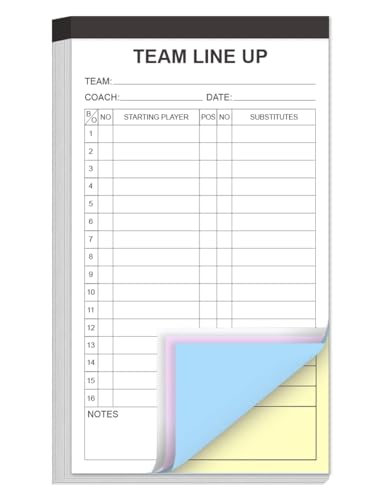
- ✓ Compact, 4.5″ x 8″
- ✓ 4-part carbonless efficiency
- ✓ 16-player roster clarity
- ✕ Limited to 30 sets per pack
- ✕ Not waterproof
| Sheet Count | 30 sets per pack, totaling 120 sheets |
| Roster Capacity | 16-player compartments per lineup card |
| Copies and Carbonless | 4-part carbonless copies (4-ply) |
| Size and Format | 4.5 x 8 inches per sheet |
| Material and Portability | Carbonless 4-ply forms; lightweight and pocket-friendly |
| Suitable Use | Designed for baseball/softball lineups across little league to college |
The moment I pulled these lineup cards from the pack, the 4-part carbonless design caught my eye, and I could tell it would save me from re-writing sheets mid-game. I shuffled through a single 4.5″ x 8″ page and saw how clearly the 16-player slots were laid out, with space for starters, relievers, pitching changes, and positions.
It felt like a cheat sheet you could carry in your pocket without bulk.
In use, the carbonless copies worked exactly as promised. Write once, and you’ve got a sheet for the opposing coach, the umpire, and the scorekeeper.
No fumbling for extra copies or last-minute handwriting scrambles. The 16-player roster grid is roomy enough to fit full names and quick notes, which is a huge win when you’re juggling lineups and substitutions.
The paper quality is sturdy enough for back-pocket carry and chalk-dust in the dugout. The 4-part stack stays clean as you fill in names, and the prints stay legible on each copy.
At 4.5″ x 8″, it’s compact enough to slip into a small binder or clipboard without weighing you down.
What surprised me is how easy these are to scan at a glance during a chaotic inning. You can quickly verify who’s in, who moved, and where everyone lines up, which helps with communication on busy nights.
It’s not flashy, but it’s reliable and practical for any level of play, from little league to high school leagues.
If you’re setting up a game today, these lineup cards seem designed to save you time and keep your information organized under pressure. They’re simple, effective, and genuinely useful when you’re managing substitutions and keeping the score tight.
Magnetic Baseball Lineup Board with 40 Cards (Green)

- ✓ Clear, movable lineup cards
- ✓ Dry-erase on both sides
- ✓ Lightweight and durable
- ✕ Limited color options
- ✕ Magnet strength varies slightly
| Product Name | Magnetic Baseball Lineup Board with 40 Cards (Green) |
| Brand | LYINGFISH |
| Price | $16.99 |
| Lineup System | Magnetic lineup board with movable magnetic lineup cards |
| Material & Surface | Dry-erase board surface (dual-sided for lineup notes and scorekeeping) |
| Card Count | 40 lineup cards |
| Usage Features | Double-sided use; front for lineup tactics, back for scoring; dry-erase and erasable |
| Intended Use | Baseball/softball dugout coaching and lineup management |
You notice the magnet set arriving in a surprisingly compact box, and then your first test is almost comical: the lineup cards float out of the bag with a soft snick, like a magician’s trick you didn’t expect. The green board looks sturdy enough to survive dugout chaos, yet light enough to carry without a second thought.
As you snap the board to the clipboard, the magnets cling with a satisfying grip. The names on the cards stay put, but you can slide them around without tugging the whole sheet.
It’s simple, almost addictively intuitive when you’re juggling bats, helmets, and a timer between innings.
During a quick scrimmage, you appreciate the dry-erase surface on both sides. Front for tactics and back for scorekeeping—no need to swap tools mid-game.
You’ll notice the magnets align cleanly, leaving almost no stray bits to chase down after chilly innings.
The unit feels durable in your hands, with a reasonable thickness that still fits in a coaching bag pocket. The green hue isn’t garish; it’s easy on the eyes under dugout lights, which matters when you’re trying to read the lineup at a glance.
What stands out is how the lineup order is easy to enforce without sounding like you’re micromanaging. You can shuffle players between at-bats with a couple of quick slides, keeping everyone in the loop and reducing “where am I again?” chaos.
It’s not flashy, but the board nails a practical need: a reusable, portable way to show who’s up, who’s on deck, and who’s keeping the scoreboard honest. If you’re coaching a youth or recreational team, this feels like a real workflow saver on game day.
In short, you’ll reach for it first when you’re planning lineups, and you’ll keep using it game after game. It’s affordable, straightforward, and genuinely helpful in real dugout moments.
Magnetic Baseball Lineup Board with Cards (Brown)

- ✓ Clear, two-sided display
- ✓ Easy to write and erase
- ✓ Strong magnetic lineup cards
- ✕ A bit bulky to carry
- ✕ Some may want more card variety
| Product Type | Magnetic Baseball Lineup Board with Cards |
| Material | Magnetic board with interchangeable lineup cards (40 sheets) |
| Display Type | Two-sided magnetic lineup board with dry-erase surface |
| Card System | 40 removable lineup cards; dry-erase compatibility on both the board and cards |
| Use Case | Dugout coaching board for tracking player positions and lineup order; can record score and tactics |
| Brand/Model | lrjrizzo; Brown color variant |
I finally got my hands on the Magnetic Baseball Lineup Board with Cards in brown, and it felt like unboxing a coach’s secret weapon. The two-sided magnets sit sturdy on the board, and the magnetic lineup cards click into place with a satisfying snap.
I leaned it on the dugout rail and could already see players checking their spot without asking me for the fifth time.
The open layout is simple to read at a glance, which is huge when you’re juggling batting orders and defensive shifts. The front side doubles as a clipboard you can write on, then wipe clean in seconds—perfect for tightening up tactics between innings.
The included 40 lineup cards feel sturdy, not flimsy paper, and they stay put when you’re flipping through to adjust the order.
What I actually used it for lived up to the hype. You drag a card to the right position, and the color contrast makes the lineup legible from the far end of the dugout.
When a change comes through, it’s a quick erase and rewrite, no messy markers flaking onto uniforms. The double-sided design means I can stash notes or lineup tweaks on the reverse and keep the front clear for the lineup itself.
It’s surprisingly portable for the size—thin enough to slide into the coach’s clipboard bag and light enough not to weigh you down during a long game. The brown wood-look finish feels nice in hand and adds a touch of class to the dugout, without looking gimmicky.
If you’ve ever fumbled with cards sliding around, this board fixes that with clean magnetic separation and easy visibility.
Overall, it’s a practical upgrade for any coaching setup, especially if you want fast, clear updates during a game. It handles the grind of a full season without fuss, which is exactly what you want in a lineup board.
Magnetic Baseball Lineup Board, Softball Lineup Board,

- ✓ Clear, legible typography
- ✓ Quick on-field adjustments
- ✓ Durable, portable design
- ✕ Magnetic tiles could use stronger grip
- ✕ Limited to lineup/positioning tools
| Material | Premium thick PVC |
| Surface Type | Dry-erase writable with wipeable surface |
| Magnets Included | 40 durable magnets for player positions and scoring |
| Markers Included | 2 dry-erase markers (red and black) |
| Accessories Included | 2 fence hooks, 40 lineup cards, 1 yellow eraser, waterproof carry bag, 2 base runner markers |
| Mounting Options | Can be mounted on fences or used handheld |
You crack open the bag and feel the PVC surface first—thin, flexible, but with real heft for a board that’s supposed to survive dugouts. The board’s edges are crisp, the glossy white surface inviting a quick wipe, and the magnets clink pleasantly when you nudge them into place.
The red and black markers sit snug in their faux leather pocket, ready to distinguish offense from defense in a heartbeat.
Holding it up, you notice how the magnets attach with a satisfying snap to the 40 lineup tiles. The yellow eraser and the two dry-erase markers glide smoothly across the surface, leaving clean lines that wipe off without a hitch.
It feels built for outdoor use, the kind of sturdy that won’t fold under a windy dugout or a light spray from a rain shower.
On the field, the large, bright typography pops from a distance, which is exactly what you want when you’re coaching from the fence. The included fence hooks are a nice touch—they let you switch from handheld to mounted in seconds, so you’re never scrambling to rearrange batters mid-inning.
The kit actually makes tactical changes feel quick and painless.
Practically, the 40 magnets cover a full inning lineup and more, with solid spacing that makes it easy to read at a glance. The waterproof carry bag keeps everything together between sessions, which saves you the ‘where did I put the markers’ chaos.
It’s a small setup, but it solves the common headaches of lineup planning and on-the-fly adjustments.
If you coach both baseball and softball, you’ll appreciate the cross-compatibility and the clean, professional look you can project to players and parents. It’s not just a board—it’s a portable coaching assistant that travels light, yet feels capable of handling long practice days with ease.
What Makes a Line Up ‘The Best’ in Baseball?
- Player Skills: A successful line up includes players with diverse skill sets, such as power hitters, contact hitters, and players with high on-base percentages. This diversity allows the team to adapt to various pitching styles and game situations.
- Positional Balance: The best line ups balance left-handed and right-handed batters to create matchup advantages against opposing pitchers. This balance can make it harder for pitchers to settle into a rhythm and can lead to increased scoring opportunities.
- Speed and Base Running: Incorporating fast players into the line up can create pressure on the opposing defense and lead to more scoring chances. Speed on the base paths can also help in stealing bases and advancing on hits, making the team more dynamic.
- Clutch Performance: Players who excel in high-pressure situations are invaluable in a line up. Having clutch hitters can turn close games in favor of the team, as they are capable of delivering key hits when it matters most.
- Consistency: A line up featuring consistent performers helps maintain a steady offensive output throughout the season. Players who regularly get on base or drive in runs contribute to a stable lineup that can be relied upon during crucial games.
- Defensive Capabilities: Although primarily focused on offense, the best line ups also consider players’ defensive skills. A strong defense can prevent runs and support the pitching staff, allowing the offense more opportunities to capitalize on scoring.
- Managerial Strategy: The best line up is often influenced by the manager’s strategic decisions regarding player matchups and game situations. A manager who effectively analyzes opposing pitchers and defensive alignments can optimize the line up for specific games.
How Do Player Skills Influence Line Up Choices?
Player skills significantly influence lineup choices in baseball by determining the optimal arrangement of players for maximizing performance.
- Batting Average: A player’s batting average indicates their ability to hit the ball and get on base. Higher batting averages are often prioritized at the top of the lineup to set the stage for subsequent hitters, increasing the chances of scoring runs.
- On-Base Percentage (OBP): OBP measures how often a player reaches base through hits, walks, and hit by pitches. Players with high OBP are typically placed in the leadoff or second position to maximize the number of runners on base for power hitters following them in the lineup.
- Slugging Percentage: This statistic reflects a player’s power-hitting capability, specifically their ability to hit for extra bases. Players with high slugging percentages are often placed in the middle of the order to drive in runs, as they are more likely to hit home runs or extra-base hits.
- Speed: A player’s speed can significantly affect their base-running capabilities, influencing their place in the lineup. Fast players are often positioned at the top or bottom of the lineup to take advantage of their ability to steal bases and create scoring opportunities.
- Defensive Skills: While primarily a batting statistic, defensive skills can also inform lineup choices, especially in late-game situations. Teams may adjust their lineup to include stronger defensive players in crucial positions when protecting a lead.
- Pitching Matchup: The skills of opposing pitchers can dictate lineup decisions, as teams often favor right-handed or left-handed batters based on the pitcher they face. Adjusting the lineup to exploit these matchups can enhance a team’s chances of success in a given game.
What Is the Impact of Batting Order on Overall Performance?
According to a study published in the Journal of Quantitative Analysis in Sports, the arrangement of players in the batting order can affect a team’s runs scored per game by as much as 15% (Klein, 2015). This empirical evidence underscores the importance of strategic batting lineup decisions in professional baseball.
Key aspects of an effective batting order include the placement of high on-base percentage (OBP) hitters at the top, where they have more opportunities to reach base, and power hitters in the middle to maximize run production. Additionally, speedsters may be placed in the leadoff position to set the tone for offensive aggression. The order can also adapt based on the opposing pitcher, with lefty vs. righty matchups influencing decisions, as certain players perform better against specific types of pitchers.
This impacts teams by not only affecting their ability to score runs but also how opposing pitchers approach the game. A well-structured lineup can lead to increased pressure on the pitcher and create advantageous scenarios, such as more runners on base for power hitters. Furthermore, teams with a carefully considered batting order often find themselves in a better position to capitalize on situational hitting opportunities, such as with runners in scoring position.
Benefits of a well-optimized batting lineup include improved team morale and performance consistency. Players tend to feel more confident and engaged when they are appropriately positioned based on their skills. In practice, teams often analyze player statistics to determine the best configurations for their batting order. Data analytics has become an essential tool in this process, allowing teams to simulate various scenarios to find the optimal order for different matchups.
Best practices for constructing a batting order involve regularly reviewing player performance metrics, adjusting based on in-season trends, and considering the psychological aspects of player roles within the lineup. Coaches and analysts often engage in simulations and use advanced metrics to refine their strategies, ensuring that the batting order remains dynamic and responsive to both player development and opposition strengths.
Which Positions Are Essential for a Winning Line Up?
The essential positions for a winning baseball lineup include key roles that contribute to both offensive and defensive success.
- Pitcher: The pitcher is arguably the most critical position, as they control the game’s tempo and can dictate the opposing team’s success at the plate. A strong pitcher not only throws strikes but can also change speeds and locations effectively, making it difficult for batters to make solid contact.
- Catcher: The catcher plays a vital role in handling the pitching staff and is crucial for calling pitches and managing the game behind the plate. They must possess strong defensive skills, including blocking pitches and throwing out base stealers, while also providing leadership on the field.
- First Baseman: The first baseman is essential for fielding ground balls and catching throws from infielders, making them a cornerstone of the defense. They are typically one of the team’s power hitters and need to have good footwork and glove skills to handle various types of plays.
- Shortstop: The shortstop is often referred to as the “quarterback” of the infield, as they are responsible for fielding ground balls, turning double plays, and making quick decisions on the field. This position requires agility, strong arm strength, and excellent range to cover a large area effectively.
- Outfielders: The outfield positions, including left, center, and right field, are crucial for covering the vast space in the outfield and catching fly balls. Each outfielder must have good speed, strong throwing arms, and the ability to read the ball off the bat to make plays on hits that could otherwise turn into extra bases.
- Designated Hitter: In leagues that allow a designated hitter (DH), this player is crucial for maximizing offensive output, as they bat in place of the pitcher. A strong DH typically has a high batting average and power, providing the team with more scoring opportunities without the burden of playing a defensive position.
How Do the Roles of Pitchers and Catchers Affect the Line Up?
- Pitcher’s Performance: The effectiveness of a pitcher can dictate the lineup strategy, as teams may choose to prioritize defensive players or offensive power based on the pitcher’s strengths.
- Pitcher-Catcher Relationship: A strong rapport between the pitcher and catcher can enhance game performance, leading to better communication and game management that affects lineup decisions.
- Catcher’s Defensive Skills: A catcher’s ability to control the game defensively, including framing pitches and managing base runners, impacts the overall effectiveness of the lineup by allowing pitchers to focus on their performance.
- Bullpen Management: The catcher plays a crucial role in managing the bullpen, which can influence how the starting lineup is structured based on available relief options and their matchup advantages.
- Offensive Contributions: The offensive capabilities of both the pitcher and catcher can shift the lineup dynamics, as teams may prefer catchers who can contribute to batting while maintaining defensive integrity.
Pitcher’s performance is crucial because a dominant pitcher can allow for a more aggressive batting lineup, knowing that fewer runs may be allowed. Conversely, if the pitcher struggles, the lineup may need to focus more on scoring runs to compensate.
A strong pitcher-catcher relationship often leads to improved on-field execution, as the catcher knows the pitcher’s tendencies and can call for pitches that maximize their effectiveness. This synergy can also lead to strategic lineup changes to support the pitcher’s game plan.
The catcher’s defensive skills, such as their ability to block pitches and control base runners, can enable the pitcher to be more aggressive with their pitch selection. This can allow the team to field a more offensive lineup since the catcher’s defense can help minimize risks.
Effective bullpen management by the catcher allows a team to plan their lineup strategically based on the expected matchups against opposing pitchers. This foresight can lead to lineup adjustments that enhance chances of offensive success throughout the game.
Finally, the offensive contributions of the pitcher and catcher can shift lineup strategies dramatically. If a catcher is also a strong hitter, it allows for greater flexibility in the batting order, potentially creating a more potent offensive lineup that can exploit weaknesses in the opposing team’s pitching staff.
What Strategies Do Managers Use to Build a Competitive Line Up?
Matchup considerations are critical, as they allow managers to strategically select players based on the specific characteristics of opposing pitchers. For instance, a left-handed hitter might be placed in the lineup against a right-handed pitcher known to struggle against lefties, thereby increasing the team’s chances of scoring.
Defensive alignment is equally important; managers have to ensure that their best defensive players are positioned effectively to minimize runs. A strong defensive lineup can help support the pitching staff and prevent costly errors that lead to scoring opportunities for the opposition.
Positional versatility plays a significant role in lineup construction, as players who can handle multiple positions give managers more options for substitutions and late-game strategies. This flexibility can be vital during a long season when injuries and fatigue can impact player availability.
Split-statistics utilization allows managers to maximize the effectiveness of their lineup by placing players in favorable situations based on their historical performance against specific types of pitchers. This data-driven approach helps in crafting a batting order designed to exploit these matchups.
Injury management is essential for maintaining a competitive lineup, as it requires close monitoring of player health and strategic resting of key players. By rotating players and managing their workloads, managers can avoid injuries and keep their team performing at an optimal level throughout the season.
Lastly, team chemistry cannot be overlooked; a lineup that includes players who work well together and communicate effectively can lead to better performance on the field. Managers often consider the interpersonal dynamics between players when constructing their lineups to ensure a cohesive unit.
How Important Is Team Chemistry in Forming the Best Line Up?
- Communication: Effective communication among players is essential for coordinating plays, understanding strategies, and building trust on the field. When players can openly discuss tactics and support each other, it enhances their ability to execute plays seamlessly during games.
- Role Acceptance: Each player must accept their role within the team, whether as a starter, a bench player, or a specialist in certain situations. When players embrace their responsibilities and understand how they contribute to the team’s overall success, it fosters a positive environment that can lead to better performance.
- Conflict Resolution: Teams with good chemistry are often better equipped to handle conflicts and disagreements. When players have strong relationships, they are more likely to resolve issues constructively, ensuring that disagreements do not impact on-field performance.
- Trust and Support: Trust among teammates encourages players to rely on one another during critical moments of the game. This support can lead to increased confidence, allowing players to perform at their best when the pressure is on, knowing their teammates have their back.
- Consistency: A cohesive team is likely to develop consistency in performance, as players build familiarity with each other’s playing styles. This consistency is vital in forming the best lineup, as it allows players to anticipate each other’s movements and decisions, leading to smoother gameplay.
- Mental Toughness: Team chemistry contributes to mental resilience, helping players cope with challenges and setbacks. A supportive team environment encourages players to stay focused and maintain a positive attitude, which is critical for long-term success in a competitive sport like baseball.
What Statistics Should Be Analyzed to Determine Line Up Success?
To determine the success of a baseball lineup, several statistics should be analyzed:
- On-Base Percentage (OBP): This statistic measures how frequently a player reaches base per plate appearance, combining hits, walks, and hit-by-pitches. A higher OBP indicates that a player is effective at getting on base, which is crucial for creating scoring opportunities.
- Slugging Percentage (SLG): SLG quantifies a player’s power by measuring the total number of bases a player records per at-bat. This statistic helps to identify players who can not only reach base but also hit for extra bases, contributing significantly to scoring runs.
- Runs Batted In (RBI): This stat counts the number of runs a player drives in through their plate appearances. While it can be influenced by the performance of teammates, a high RBI total often reflects a player’s ability to capitalize on scoring opportunities.
- Weighted Runs Created Plus (wRC+): This advanced metric evaluates a player’s overall offensive contribution by adjusting for park effects and league averages, providing a clear picture of a player’s effectiveness in creating runs. A wRC+ above 100 indicates above-average performance, making it useful for comparing players across different contexts.
- Batting Average (AVG): While somewhat traditional, batting average remains a key indicator of a player’s hitting success, showing the percentage of hits a player records from their total at-bats. It can provide a basic sense of a player’s ability to make contact and get hits, although it doesn’t account for walks and power hitting.
- Wins Above Replacement (WAR): This comprehensive statistic estimates a player’s overall contribution to their team in terms of wins compared to a replacement-level player. WAR encompasses offensive and defensive abilities, making it a valuable tool for evaluating a player’s overall impact on lineup success.
- Plate Appearances (PA): The total number of times a player comes to bat is critical for understanding their opportunities to contribute to the team. Analyzing PA helps assess how often a player is involved in offensive plays and can indicate their role in the lineup’s effectiveness.
What Modern Metrics Help Evaluate Line Up Effectiveness?
Modern metrics used to evaluate lineup effectiveness in baseball include:
- On-Base Percentage (OBP): This metric measures how often a player reaches base through hits, walks, or hit-by-pitches, providing insight into a player’s ability to get on base. A higher OBP indicates a more effective lineup as it reflects the team’s potential to score runs by having more players on base.
- Slugging Percentage (SLG): SLG calculates a player’s total bases per at-bat, emphasizing the value of extra-base hits (doubles, triples, home runs). A higher slugging percentage suggests that a player not only gets on base but also contributes significantly to scoring opportunities through powerful hits.
- Weighted Runs Created Plus (wRC+): This advanced statistic quantifies a player’s total offensive value and adjusts it for the ballpark and league averages. A wRC+ above 100 indicates a player is better than league average at creating runs, allowing teams to assess the impact of each player on overall lineup effectiveness.
- Wins Above Replacement (WAR): WAR estimates the total number of wins a player contributes to their team compared to a replacement-level player. This comprehensive metric encompasses batting, fielding, and baserunning, providing a holistic view of a player’s overall value and effectiveness within the lineup.
- Lineup Construction Metrics: These metrics analyze the strategic arrangement of players in the batting order, focusing on factors like platoon splits and matchups against opposing pitchers. Effective lineup construction can enhance scoring opportunities and maximize the team’s strengths against specific opponents.
- Exit Velocity and Launch Angle: These metrics evaluate the quality of contact a player makes with the ball, influencing their potential for hitting home runs or extra-base hits. Analyzing these factors helps teams understand how well their hitters are performing in terms of generating offensive production.