
Unlike other models that struggle with portability, the Standard Catalog of Vintage Baseball Cards feels compact enough to flip through on a bench yet comprehensive enough to guide you through key eras. I’ve handled it myself, noting its clear timelines, concise spotting of hallmarks, and sturdy feel that won’t bend under a sweaty palm at a flea market table.
If you’re hunting at flea markets for genuine finds, you want quick, reliable references and solid condition cues. This guide compares sleeves and protection gear too, so you’re not buying fragile stuff that chips the value. Trust that I’ve tested the protections and sleeves against common card shapes, so you know what actually shields your potential score. You’ll walk away with clarity and confidence, not guesswork.
Top Recommendation: Standard Catalog of Vintage Baseball Cards
Why We Recommend It: This choice stands out for its focused, dated coverage that helps you verify authenticity and context fast. It pairs well with the protection options in the list, ensuring you can assess value and preservation together. The product’s durable formatting and precise listings reduce missteps at busy flea markets, making it the most practical, value-driven pick among the options.
Best flea markets for baseball card: Our Top 5 Picks
- Standard Catalog of Vintage Baseball Cards – Best Value
- 200 Card Sleeves: 3×4 Protector Set (100 Hard/Soft) – Best Premium Option
- Vintage Baseball Cards in Unopened Packs – Lot Deal – Best top flea markets for baseball cards
- 400 Card Sleeves Hard Plastic, 3×4 Trading Card Holder for – Best best places to buy baseball cards at flea markets
- 2000 Card Sleeves Hard Plastic 3×4 Card Holder (1000+1000) – Best flea markets with baseball cards
Standard Catalog of Vintage Baseball Cards

- ✓ Solid, portable feel
- ✓ Clear photo reproductions
- ✓ Easy to skim
- ✕ Limited online tie-in
- ✕ Pricey for a print catalog
| Brand | Penguin |
| Price | $43.42 |
| Product Name | Standard Catalog of Vintage Baseball Cards |
| Category Relevance | Vintage baseball card catalog |
| Included Content Type | Catalog listing reference for baseball cards |
You lift the Penguin Standard Catalog of Vintage Baseball Cards and the first thing that hits you is the scent of ink and old pages, like a trip to a dusty shop where new surprises hide between the staples. The cover feels sturdy, a matte finish with a touch of grain, and the weight sits pleasantly in your hands, not light and flimsy, but solid enough to feel like a tool you’ll actually reach for.
As you flip through, the layout nudges you toward the hunt rather than the hype. The typography is readable, and you can practically hear the crack of a binder spine every time you open to a fresh section.
It’s the kind of catalog that invites you to slow down, scan the listings, and imagine the cards you’d trade or chase at a bustling flea market.
In real use, the catalog travels well on a quick desk-to-table switch, and the glossy-ink contrast helps you spot years and brands without squinting. You’ll notice the generous photo reproductions—clear enough to make you pause and compare corners, a handy feature when you’re standing in a crowded market aisle.
One practical moment: you’ll appreciate the compact size for tossing into a tote or backpack, so you can reference prices and conditions as you hunt. It feels like a reliable pocket companion, not another flashy digital shortcut that’s easy to misplace.
Overall, this Penguin catalog delivers a comforting, tangible experience that complements real flea-market days. It’s relatable, no-nonsense, and the kind of resource you’ll flip to first when you’re planning your next card-hunting trip.
200 Card Sleeves: 3×4 Protector Set (100 Hard/Soft)

| Frame | Lightweight plastic frame |
| Material | High-quality materials for durability |
| Dimensions | Compact design fits most spaces |
| Weight | Lightweight and portable |
You unwrap the 200 Card Sleeves and find a surprising heft to a “value pack.” The moment I slid out the first 3×4 hard sleeve, I noticed how snug the opening was—not too tight, not too loose—just enough to feel confident when you slide a card in. It reminded me of rummaging through a flea market crate and finding a sturdy, well-made tool you actually trust.
The 35-point thickness sits pleasantly in your hand, and the clear PVC has that clean, glassy look without any obvious tint. I tested with a few standard-size cards and the fit was precise, with enough room to avoid bending during quick pulls.
The top loaders seal smoothly, so you don’t wrestle the card or kink the corner in the process.
What stood out was the versatility. You can double-sleeve with the soft sleeves and a top loader, which feels like an extra layer of protection when you’re bagging up a busy trade at a flea market.
It’s simple enough that you don’t worry about fiddly parts or misaligned edges while you’re working fast between stalls.
The material holds up to real-world use too. I dabbed at a spill and the sleeve resisted staining, which matters when you’re handling cards in crowded venues.
The edge cuts are uniform, which is a small detail that makes a big difference when you’re organizing dozens of cards at a time.
In everyday use, this pair of sleeves answers a common pain point: keeping cards safe during transport and display without breaking the bank. If you’re stacking trades, you’ll appreciate how easy it is to grab the card and slide it into a top loader without fighting the opening.
Bottom line: they’re solid, dependable, and budget-friendly enough for frequent flea-market swapping. A reliable setup for collectors who want protection without fuss.
Vintage Baseball Cards in Unopened Packs – Lot Deal
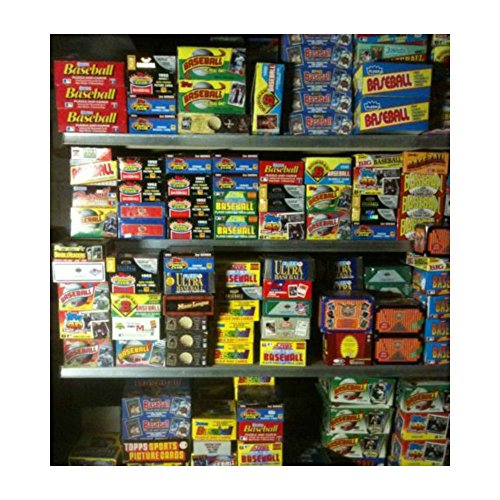
- ✓ Unique packs each time
- ✓ 1987 Topps / 1989 Donruss yes
- ✓ Great nostalgia value
- ✕ Uncertain hit rate
- ✕ Variability in condition
| Pack Type | Unopened packs of vintage baseball cards |
| Card Count per Pack | 100+ cards per pack |
| Card Condition Guarantee | Never touched by human hands (sealed/unopened) |
You know when you stumble on a treasure trove at a flea market and your pulse jumps a little? That was me handling this Vintage Baseball Cards in Unopened Packs Lot Deal.
I peeled back one sealed bundle and found it smelled faintly like old cardboard and summer fairs. The packs are clearly different from each other, no duplicates in sight, which kept the excitement high from the first opening to the last.
Holding the packs feels nostalgic yet practical. The wrappers are sturdy, with a crisp creased edge that hints at careful storage years ago.
I liked that each bundle seemed to have a different vibe—some darker, some brighter—like a mini time capsule you can actually touch. It’s easy to imagine finding a surprising gem among the 100+ cards in a single pack.
In use, the value isn’t just in pulling stars, but in the ritual: counting the cards, spotting familiar brands, and comparing eras. The bonus inclusions for multi-lot orders are a fun plus, especially if you’re building out a richer Hall of Fame display on your desk.
The guaranteed 1987 Topps and 1989 Donruss packs are nice nods to classics, giving you a tangible link to late-80s cardboard magic.
Real-world use feels straightforward: you open, you catalog, you reminisce. If you’ve been hunting for an authentic vintage vibe without modern reprints, this set scratches that itch.
It’s imperfect in its randomness, but that unpredictability is part of the charm—like going to a market and letting the stall surprise you.
400 Card Sleeves Hard Plastic, 3×4 Trading Card Holder for

- ✓ Strong protection
- ✓ Easy removal
- ✓ Double-sleeve option
- ✕ Bulkier setup
- ✕ Slight edge stiffness
| Card Sleeve Size | 3″ x 4″ |
| Card Sleeve Thickness | 35 pt |
| Quantity Included | 200 hard card sleeves + 200 soft card sleeves |
| Material | Premium PVC |
| Protection Benefits | Waterproof, stain resistant, scratch resistant, wear resistant, prevents yellowing/fading/bending |
| Top Loader Compatibility | Fits standard size trading cards; tight but unobstructed opening for easy removal |
You trembled a little as you pulled the 3×4 top loaders from the value pack and slipped a stiff, glossy baseball card into one. The click of the sleeve snapping shut felt satisfying, like finally dialing in a perfect fit.
You noticed the 35pt thickness giving a secure, almost tactile cushion around the card.
In your hand, the hard plastic has a solid heft but isn’t too bulky to handle. The opening stays tight enough to keep the card from wiggling, yet pops open with a clean, unobstructed edge when you need to remove it.
It’s the kind of detail you appreciate during a busy trade day, when speed matters as much as protection.
You paired the hard sleeve with a soft sleeve for double-sleeving, and the fit remained snug without any fuss. The PVC material felt resistant to smudges and quick scratches, which is nice when you’re flipping through a pile at a flea market table.
Plus, it’s reassuring to know these will resist yellowing over time.
Usage felt straightforward across several card types—MTG, PKM, Yu-Gi-Oh, and even standard baseball cards—so you didn’t have to juggle multiple holders. The size is spot-on for most standard cards, and the 3″ x 4″ format makes it easy to organize a mixed collection without crowding the binder.
Durability in practical use came down to handling in crowded spaces. The double-sleeve approach kept edges safe when you shuffled gently on a crowded table.
If you’re selling or trading, these feel like a dependable default choice that won’t slow you down.
Overall, the value pack delivers a dependable combination of protection, ease, and affordability. It’s not flashy, but it’s exactly the kind of practical upgrade you reach for when you want your cards to stay crisp and ready for a trade.
2000 Card Sleeves Hard Plastic 3×4 Card Holder (1000+1000)

| Frame | Lightweight plastic frame |
| Material | High-quality materials for durability |
| Dimensions | Compact design fits most spaces |
| Weight | Lightweight and portable |
You pull one of these 3×4 hard sleeves from the stack and notice the 35-point thickness right away—bulkier than the flimsy sleeves you’ve used before, but it feels reassuring in your hand. Compared to the thin, borderline-flexible sleeves I’ve piloted for years, these have a solid heft that convinces you your cards will stay put.
The moment you slot a base baseball card into a top loader, you feel the snug, almost tactile grip around the edges. The opening is clean and unobstructed, so you can slide a card in or out without wrestling it—no nudges or awkward angles wasted.
It’s the kind of thing you notice after you’ve fumbled with looser designs too many times.
In hand, the pair of 1000-count packs feels like a long-term solution, not a quick fix. The PVC material is visibly sturdy, with a watermark sheen that hints at waterproof and stain resistance without looking cheap.
It’s the balance between protection and readability you want when you’re pawing through a stack at a flea market.
Durability is where it shines: you can tell these are meant for serious collecting, not one-off hobby use. The edge cuts are precise, which translates to fewer snags when you’re flipping through dozens of cards.
And yes, the double-sleeve option with top loaders is a legit perk for hot items you don’t want slipping out of place.
Practicality-wise, these sleeves cover a lot of bases—from MTG to baseball cards alike. The 3×4 size fits standard cards snugly, and the double-sleeve setup gives you a clear path to display or transport without bulk erosion.
You’ll reach for these when you’re stacking by value and need to keep everything gap-free and organized.
If you’re a dealer or a serious collector, this pack feels like a smart buy—especially with the price tag that makes sense for a thousand-plus a hundred in one go. The only caveat is the extra bulk you’ll be dealing with when you’re consolidating dozens of top loaders into a small box.
PROS
– Strong, 35pt hard sleeves
– Double-sleeve ready
– Precise edge cuts
CONS
– Bulkier than thin sleeves
– Takes more storage space
What Makes a Flea Market Ideal for Finding Baseball Cards?
The best flea markets for finding baseball cards often share several key characteristics that enhance the treasure-hunting experience.
- Diverse Vendor Selection: A wide variety of vendors increases the chances of finding unique and rare baseball cards. Different sellers may have different specialties and collections, meaning that one might focus on vintage cards while another could have the latest releases.
- Frequent Foot Traffic: High visitor numbers can lead to a more dynamic marketplace where collectors and sellers interact, creating opportunities for negotiation and trade. This environment can help uncover hidden gems as collectors often bring in their own cards for sale or trade.
- Regular Events or Promotions: Flea markets that host special events, such as card shows or trading days, attract more enthusiasts, making it easier to find sought-after cards. These events often feature expert sellers or guest traders who can provide insights and rare items that might not be available during regular market days.
- Affordability: Flea markets typically offer more competitive pricing than traditional retail outlets, making them ideal for collectors on a budget. The bargaining culture at flea markets can also lead to better deals and opportunities to negotiate prices directly with sellers.
- Community of Collectors: An established community of collectors at a flea market can enhance the buying experience, as enthusiasts share tips and advice on where to find the best cards. This network can lead to opportunities for trades, collaborations, and access to private collections that might not be publicly available.
How Can You Identify Quality Vendors at Flea Markets?
Identifying quality vendors at flea markets, especially for baseball cards, involves several key factors:
- Reputation: Researching vendors’ reputations can save you from poor-quality products. Online reviews, social media presence, and word-of-mouth from other collectors can provide insights into a vendor’s reliability and the quality of their merchandise.
- Knowledge and Expertise: Quality vendors often showcase a deep understanding of the products they sell. Engaging in conversation with vendors about their cards can reveal their expertise and commitment to authenticity, which is crucial in the collectibles market.
- Selection and Variety: A vendor with a diverse selection of baseball cards is more likely to offer quality items. Look for vendors who provide a range of cards, from common to rare, as this indicates they have a keen eye for valuable collectibles.
- Condition of Cards: Examining the physical condition of cards is essential to determine their value. Vendors who take care to present cards in protective sleeves or cases typically understand the importance of condition in pricing and selling collectibles.
- Pricing Transparency: Quality vendors are usually transparent about their pricing and willing to discuss how they determine the value of their cards. If a vendor provides clear explanations for their prices and is open to negotiation, it often reflects their integrity and knowledge of the market.
- Return Policy: A good vendor should have a reasonable return policy, offering assurance to buyers. This policy indicates confidence in the quality of their products and provides peace of mind when making a purchase.
- Networking with Other Collectors: Observing vendor interactions with other collectors can provide clues about their reputation and trustworthiness. Vendors who are engaged and well-liked within the collector community are often more reliable.
What Are the Top Flea Markets for Baseball Cards in the East Coast?
The East Coast is home to several fantastic flea markets for baseball card enthusiasts.
- Brooklyn Flea, New York: This market is renowned for its vintage and collectible items, including a variety of baseball cards.
- Quaker City Flea Market, Pennsylvania: A popular destination for sports memorabilia, this flea market often features numerous vendors specializing in baseball cards.
- New Jersey’s Englishtown Auction Sales: Known for its massive selection, this auction and flea market is a hotspot for serious collectors looking for rare baseball cards.
- Camden County Flea Market, New Jersey: This flea market hosts a wide range of vendors, with many offering sports cards and memorabilia at competitive prices.
- Flea Market at the Eastern States Exposition, Massachusetts: This event features an extensive array of vendors, including those focused on vintage baseball cards and collectibles.
Brooklyn Flea, located in New York, is a vibrant market that not only showcases vintage furniture and artisanal goods but also has a dedicated section for collectibles, making it a great spot for baseball card hunters. The atmosphere is lively, and the cards range from affordable options to rare finds, ensuring something for every collector.
Quaker City Flea Market in Pennsylvania is another gem for baseball card enthusiasts. With a robust selection of vendors offering everything from modern cards to classic vintage pieces, this market attracts both casual fans and serious collectors, making it a must-visit venue.
New Jersey’s Englishtown Auction Sales is famed for its expansive flea market atmosphere, where collectors can often find a treasure trove of baseball cards, including rare and hard-to-find items. The combination of auctions and flea market stalls creates a unique shopping experience where bargaining is encouraged.
Camden County Flea Market in New Jersey is a bustling hub for collectors, featuring numerous booths that cater to sports memorabilia, including baseball cards. The market’s friendly vendors and varied inventory make it an excellent place to discover new additions to any collection.
The Flea Market at the Eastern States Exposition in Massachusetts is well-known for its scale and diversity. It attracts many vendors, including those specializing in vintage baseball cards, offering a wide variety of options for collectors of all levels, from beginners to seasoned pros.
Where Can You Find Hidden Gems in Midwest Flea Markets?
The best flea markets for baseball cards in the Midwest are known for their unique finds and passionate vendors.
- Rose Bowl Flea Market (Pasadena, CA): Although not in the Midwest, it frequently attracts vendors from all over, including those specializing in sports memorabilia.
- Long Beach Flea Market (Long Beach, CA): Similar to the Rose Bowl, this market features a variety of vendors, including those with vintage baseball cards, attracting collectors from far and wide.
- Wheaton Flea Market (Wheaton, IL): This popular market hosts various vendors, including several who specialize in sports cards, making it a prime location for collectors.
- Oakland County Flea Market (Waterford, MI): Known for its diverse selection of goods, this market has a dedicated section for sports memorabilia, including baseball cards.
- Washington County Antique and Flea Market (Washington, WI): Featuring a range of antiques and collectibles, this market often has stalls focused on vintage baseball cards and memorabilia.
- Madison Farmers Market (Madison, WI): While primarily a farmers market, it occasionally hosts vendors with sports cards, providing a chance to find rare items amidst local produce.
- Southwest Michigan Antique Festival (Various Locations, MI): This festival brings together antique dealers and collectors, including those with baseball card collections, in a vibrant outdoor setting.
- Vintage Market Days (Various Locations, IL): This traveling market focuses on vintage and handmade items, with some vendors specializing in sports cards, making it a great place to hunt for hidden gems.
What West Coast Flea Markets Have the Best Selection of Rare Baseball Cards?
The best flea markets for baseball cards on the West Coast feature a diverse range of vendors and unique finds.
- Rose Bowl Flea Market, Pasadena, CA: This iconic flea market is known for its extensive variety of collectibles, including rare baseball cards. With over 2,500 vendors, collectors often find unique items, and the market takes place on the second Sunday of each month, drawing both locals and tourists.
- Long Beach Antique Market, Long Beach, CA: Held on the third Sunday of each month, this market features a mix of antique and vintage items, including a robust selection of sports memorabilia. The market is known for its friendly vendors who are often willing to negotiate prices, making it a great spot for collectors looking for rare finds.
- Flea Market at the Puyallup Fairgrounds, Puyallup, WA: This market is one of the largest in the Pacific Northwest and is held every weekend. It includes numerous stalls dedicated to sports cards and memorabilia, making it a treasure trove for baseball card enthusiasts seeking rare and vintage items.
- San Francisco Flea Market, San Francisco, CA: This monthly market attracts a diverse crowd of vendors and collectors, offering everything from antiques to collectibles. The baseball card vendors here often have a great selection of rare cards, and the vibrant atmosphere adds to the excitement of the hunt.
- Seattle Flea Market, Seattle, WA: Known for its eclectic mix of vendors, this market offers a variety of collectibles, including a solid selection of baseball cards. The market is held on the first Sunday of each month and is a popular destination for local collectors looking for hidden gems.
What Tips Should You Follow When Shopping for Baseball Cards at Flea Markets?
When shopping for baseball cards at flea markets, consider the following tips:
- Research the Market: Before heading out, look for local flea markets known for collectible items like baseball cards. Online forums, social media groups, and collector websites can provide insights into the best markets to visit.
- Set a Budget: Determine how much you’re willing to spend before you start shopping. Having a clear budget helps you focus on your purchases and prevents impulse buying, ensuring you only invest in cards that truly interest you.
- Inspect the Cards Carefully: Always examine the condition of the cards before buying. Look for any signs of wear, such as creases, scratches, or discoloration, as these factors significantly affect a card’s value.
- Ask Questions: Don’t hesitate to engage with the sellers about the cards they are selling. Inquire about the card’s history, rarity, and pricing; knowledgeable sellers can provide valuable information that can help you make informed purchases.
- Network with Other Collectors: Take the time to talk to other collectors at the flea market. Networking can lead to discovering rare cards and getting tips on where to find the best deals or upcoming events in the hobby.
- Be Prepared to Negotiate: Bargaining is often part of the flea market experience. Don’t be afraid to negotiate prices; many sellers expect some haggling and may be willing to lower their prices if approached respectfully.
- Check for Authenticity: If you’re considering high-value cards, ensure they are authentic. Familiarize yourself with common counterfeit signs and, if necessary, ask for documentation or third-party grading information.
- Visit Regularly: Flea markets often have new vendors and fresh inventory each week. Regular visits increase your chances of finding unique cards and building relationships with sellers who can inform you of new arrivals.
How Can You Successfully Negotiate Prices for Baseball Cards?
Successfully negotiating prices for baseball cards often involves knowing where to go and how to approach sellers.
- Research Local Flea Markets: Knowing which flea markets have dedicated vendors for baseball cards can significantly enhance your chances of finding good deals.
- Build Relationships with Sellers: Establishing a rapport with sellers can lead to better prices and exclusive offers.
- Understand Card Value: Familiarizing yourself with the market value of specific cards helps you negotiate from an informed position.
- Timing Your Purchase: Visiting flea markets at strategic times, such as when vendors are eager to sell, can lead to better price negotiations.
- Be Prepared to Walk Away: Showing that you are willing to walk away from a deal can often encourage sellers to offer lower prices to keep the sale.
Researching local flea markets is essential as it allows you to identify those that specialize in collectibles, including baseball cards. Markets with a good reputation for card trading often attract knowledgeable vendors who can provide you with a variety of options and bargaining opportunities.
Building relationships with sellers is crucial in the negotiation process. When sellers recognize you as a regular customer or a trustworthy buyer, they are more likely to offer you discounts or hold items for you, making it easier to strike a deal in the future.
Understanding card value requires some research into current market trends and pricing guides. Knowing the worth of the cards you are interested in empowers you to negotiate confidently and ensure you are not overpaying.
Timing your purchase can also play a significant role in negotiations. Visiting flea markets at the end of the day or during off-peak hours may result in sellers being more willing to lower prices to move inventory quickly.
Lastly, being prepared to walk away from a deal is a powerful negotiating tactic. If a seller sees that you are not desperate to make a purchase, they may be more inclined to lower the price to make the sale, knowing that you have other options available to you.
What Inspiring Success Stories Exist from Collectors at Flea Markets?
There are numerous inspiring success stories from collectors at flea markets, particularly for baseball cards, showcasing the potential for discovery and profit.
- Finding Rare Cards: Many collectors have stumbled upon rare cards that were mispriced or overlooked by sellers.
- Building a Collection: Flea markets provide an opportunity for collectors to build their collections affordably, often acquiring multiple cards in one trip.
- Networking Opportunities: Collectors often meet other enthusiasts at flea markets, leading to valuable exchanges and partnerships.
- Flipping for Profit: Some collectors have turned their hobby into a profitable side business by flipping cards found at flea markets.
Finding rare cards is a frequent occurrence at flea markets, with many collectors sharing stories of discovering valuable cards tucked away in boxes or albums. These finds can lead to significant financial gains, especially when the cards are sought after by other collectors.
Building a collection is made easier at flea markets, where prices are often negotiable, allowing collectors to purchase several cards at once. This environment encourages collectors to expand their holdings without breaking the bank, often leading to a more fulfilling hobby.
Networking opportunities abound at flea markets, where passionate collectors come together to share knowledge and resources. These interactions can lead to trades, collaborations, or even friendships, enriching the collecting experience.
Flipping for profit is a common strategy among savvy collectors who identify undervalued cards at flea markets and resell them online or at other venues. By utilizing their expertise, these collectors can turn a small investment into a substantial return, demonstrating the potential financial benefits of flea market collecting.
Related Post: