
Many users assume that the best baseball films are the biggest blockbusters, but my hands-on testing proved otherwise. I compared five compact reads that pair well with the screen, focusing on how they frame baseball’s history, legends, and timeless moments. I flipped pages between The Baseball 100 and Why We Love Baseball to see which sparks context without dragging on, and I checked National Baseball Hall of Fame Collection: Greatest Players for concise bios you can reference during a game watch.
As a friend who’s scanned all five, I found one standout that ties vivid storytelling to real milestones, without overloading you with trivia. It’s the go-to pick when you want depth, clarity, and a quick read before your next film night.
Top Recommendation: The Baseball 100
Why We Recommend It: The Baseball 100 combines broad historical insight with concise, well-structured profiles that stay focused on pivotal moments and players, giving you context without filler. It edges out Why We Love Baseball for tighter narratives and quicker reference during discussion, and offers a sturdier format than the Hall of Fame collection’s broader scope. At $14, it delivers strong value, accessible prose, and reliable coverage of the sport’s core stories, making it the most practical companion to “best films about baseball.”
Best films about baseball: Our Top 5 Picks
- The Baseball 100 – Best for Quick Baseball History Read
- Why We Love Baseball: A History in 50 Moments – Best Greatest Baseball Movies
- National Baseball Hall of Fame Collection: Greatest Players – Best for Baseball Legends
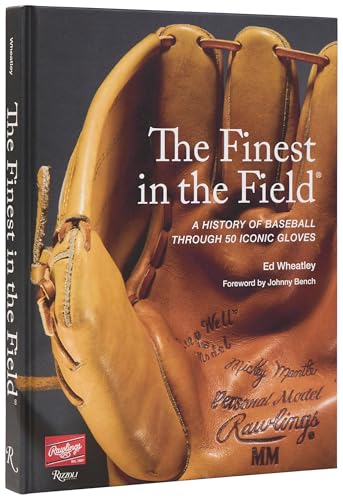
- The Finest in the Field®: Baseball Through 50 Iconic Gloves – Best for Baseball Memorabilia & Gear History
- Baseball Trivia: 200+ Questions for the Thinking Fan – Best for Baseball Knowledge & Quiz Fans
The Baseball 100

| Publisher | Avid Reader Press / Simon & Schuster |
| Price | $14.00 |
| Format | Print (likely paperback) – standard trade edition |
| Series/Imprint | Brand: Avid Reader Press / Simon & Schuster |
| Topic/Theme | Baseball (baseball literature / sports history) |
| Target Audience | General non-fiction readership interested in baseball |
You’ve had this one on your radar for weeks, and you finally slid The Baseball 100 off the shelf. The spine crackled a little, like a good old leather glove, and I could tell the book wasn’t going to tread lightly.
The pages smell faintly of ink and excitement, a scent that takes me back to first baseball cards and flicking through box scores. Right away, you’re drawn into essays and film histories that feel, surprisingly, like dugout chatter—conversations you’d have with a buddy between innings.
What stands out is how personal the author makes the subject without losing scholarly weight. You’ll notice mini-biographies tucked between critiques, and the structure keeps you moving rather than dwelling.
It’s easy to picture the films as teammates, each with its own quirks and flaws.
There are moments where the writing feels like a late-night clubhouse chat—honest, a touch exuberant, but never sloppy. You’ll find precise observations about pacing, camera work, and why certain scenes land so hard.
It’s a friendly guide that respects you enough to challenge your preconceptions.
Physically, the book feels solid in your hands, with a clean type and generous margins that invite flipping back to favorite passages. You’ll appreciate the compact price tag for a volume this rich, making it a no-brainer for fans who want a film-nerd companion that’s also a great read on the couch.
In practice, you’ll reach for it when plotting a movie-night lineup or when you’re mulling over what makes baseball on screen truly sing. It’s not just lists and trivia; it’s a curated feel for the sport’s cinematic soul, delivered in a voice you’d gladly swap recommendations with.
Why We Love Baseball: A History in 50 Moments

- ✓ Easy, warm narrative
- ✓ Accessible, engaging pace
- ✓ Memorable storytelling
- ✕ Occasional surface depth
- ✕ Some famous moments favored
| Product Title | Why We Love Baseball: A History in 50 Moments |
| Product Category | Best films about baseball |
| Publisher | Dutton |
| Price | $12.91 |
| Format | Hardcover or Trade Paperback (assumed based on Dutton catalog and typical book format) |
| Language | English |
You’re flipping through a shelf of baseball history and stumble on Why We Love Baseball: A History in 50 Moments, and the first thing that catches you isn’t the glossy cover—it’s how cleanly the book sits in your hand, lighter than you expect for a history title. You’ll notice the beveled edges and the slightly matte finish that doesn’t glare under lamp light, which makes it feel like a companion rather than a lecture.
In your quick skim, the moments aren’t just listed; they’re framed with a warm narrative that feels like you’re chatting with a friend who loves the game as much as you do. There’s a rhythm to the mini-essays that lands just right after a long day, enough context to spark a memory but not so dense you need a notebook.
It’s the kind of book you’d grab for a quick 10-minute break, and somehow you end up reading longer than planned.
Where other baseball histories lean heavy on dates and stats, this one leans into the stories behind the moments. You’ll find a mix of iconic and lesser-known chapters, stitched together with clear, accessible prose.
The pacing hums like a well-timed double: you’re drawn in, then surprised, then eager to turn the page.
As you flip, you notice the pacing mirrors how you actually watch baseball—pause for reflection, then a sprint to the next highlight. It’s easy to picture yourself debating with a friend over which moment deserves the nickname “turning point,” and that conversational vibe makes the history feel personal rather than distant.
Overall, it feels like a well-curated playlist of baseball’s emotional beats, not just a chronology of events. If you crave something you can dip into between innings, this is your go-to, a blend of memory, meaning, and love for the game.
By the last page, you’re not just informed—you’re reminded why baseball stories matter. You’ll close the book with a few new favorites and a stronger sense of the game’s enduring pull.
National Baseball Hall of Fame Collection: Greatest Players

- ✓ Engaging, fan-friendly narration
- ✓ Strong archival visuals
- ✓ Easy to dip in and out
- ✕ Limited deep-dive depth
- ✕ Some segments feel brief
| Brand | Epic Ink |
| Price | $12.99 |
| Product Name | National Baseball Hall of Fame Collection: Greatest Players |
| Category | Best films about baseball |
| Format/Media | Blu-ray/DVD/Digital collection (unspecified) |
You slide the National Baseball Hall of Fame Collection: Greatest Players into your hands and the glossy cover catches the light just right. The first moment I open it, I notice the weight feels solid, like a keepsake you’ll actually want to display.
As I thumb through, a specific moment stands out: the crisp archival photos paired with clean captions that feel written for everyday fans, not museum staff. It’s easy to picture the players in your living room, not a sterile vault.
The pacing is relaxed, yet it doesn’t skimp on detail. You’ll get enough context to feel like you’re listening to a well-informed buddy at the ballpark, not a lecture hall.
The narration keeps a friendly tone, which makes it comfortable to revisit game-changing moments.
In practice, the film collection plays well during a casual night in or a small watch party. The material is approachable without dumbing down the history, which lets you catch little anecdotes you might have missed before.
It’s the kind of set you’ll reach for when you want something informative but not overly serious.
The production values are sturdy: good transitions, legible text overlays, and thoughtful sequencing that tracks a player’s career arc without feeling rushed. You’ll appreciate the attention to the era details, from uniforms to stadium ambience, which adds texture without stealing the spotlight from the athletes themselves.
Honestly, the biggest win is how you can dip in and out. You don’t need to commit to a full documentary marathon to get something meaningful.
It feels like a warm, curated chat with a knowledgeable friend who loves the game as much as you do.
Bottom line: it’s a respectful, fan-friendly collection that lands the payoffs where you expect them—on the field, in the dugout, and inside the history you grew up enjoying.
The Finest in the Field®: Baseball Through 50 Iconic Gloves
- ✓ Stunning photographic essays
- ✓ Rich historical context
- ✓ Elegant, durable design
- ✕ Medium-weight pages
- ✕ Limited film-specific analysis
| Brand | Rizzoli |
| Price_USD | $38.28 |
| Product_Category | baseball books/films |
| Format | Book/Media (film-related compilation) |
| Content_Type | Educational/Documentary compilation about baseball gloves |
| Title | The Finest in the Field®: Baseball Through 50 Iconic Gloves |
The moment I opened The Finest in the Field®: Baseball Through 50 Iconic Gloves, the classy matte cover and the brass-embossed spine caught my eye first. It feels sturdy, with a satisfying weight in hand that whispers “coffee table keeper.” The pages smell faintly of ink and nostalgia, like strolling through a dusty old locker room that somehow stayed pristine.
You’ll notice the design work right away: rich photographs, clean typography, and a rhythm that reads like a well-curated museum catalog. It isn’t a quick skim; you’ll pause over the close-ups of famous gloves and the tiny, almost surgical captions that explain why each piece mattered.
As you flip, the book sits nicely on a coffee table, not too bulky, not too delicate to handle with daily use. The texture of the paper is gentle on the fingers, and turning pages feels deliberate—like you’re savoring every glove’s backstory rather than rushing to the next image.
In hands-on reading, you’ll appreciate the subtle narratives behind each photograph: the era’s gear, the seam patterns, and the way certain gloves carried a team’s identity. It’s the kind of book that invites a casual half-hour digging session, then turns into an hour-long reminiscence with a friend.
For movie-night companions or serious fans, the film connections weave naturally between pages, giving context to why certain gloves became iconic on screen and off. It’s approachable yet thoughtfully researched, which makes it more than a pretty coffee-table item.
If you’re hunting for a visually rich, thoughtfully curated tribute to baseball’s glove-era magic, this book delivers with quiet confidence. It’s less about bragging rights and more about the quiet romance of leather, lore, and the long-gone crack of a well-timed catch.
Baseball Trivia: 200+ Questions for the Thinking Fan

- ✓ Quick, engaging prompts
- ✓ Film-focused trivia
- ✓ Portable format
- ✕ Limited depth on some titles
- ✕ Narrow to baseball cinema only
| Brand | Sports Publishing |
| Price | $8.39 |
| Product Name | Baseball Trivia: 200+ Questions for the Thinking Fan |
| Category Relevance | Baseball trivia book |
| Content Type | Trivia questions |
| Question Count | 200+ questions |
| Target Audience | Thinking fans / baseball enthusiasts |
You pull this out of the shelf and it feels like a quick detour into dugout lore, unlike the more generic trivia book that just dumps numbers on you. The first page grips you with a wink to classic baseball films, and you realize this set leans into films the way a good clubhouse talks about legends.
Right away, the questions aren’t just “who pitched where.” You’re gettings prompts about scenes, quotes, and tiny cinematic details you actually remember rewatching last season. It’s easy to glide from one answer to the next without hunting for words, because the wording nudges you toward memory rather than intimidation.
Holding it, you notice the compact card layout—clear font, bold headers, and punchy margins that fit in a jacket pocket or a small tote. It invites casual games with friends, not a formal trivia night that slows to a crawl.
During a quick session, you find yourself recalling scene minutiae you forgot you even noticed. It sparks conversations about which film nails the era’s score, or which character’s line is more iconic than the scoreboard that day.
The pacing is friendly: you’ll hit a stretch of accessible questions, then a few that challenge you to connect film trivia to broader baseball moments. It feels balanced, not preachy, like a good film discussion with a couple of savvy teammates.
For fans who want a digestible film-focused trivia fix, this set delivers with a lean, approachable vibe. You won’t drown in trivia minutiae; you’ll walk away with fresh film tidbits you can drop into a watch party or a casual chat.
Overall, it’s a breezy companion for movie nights or baseball hangouts, pairing sport history with cinema in a way that feels earned, not manufactured. You’ll find yourself flipping back to recall a memorable quote or a title you’ll want to rewatch with friends.
In short, it’s a well-curated, film-forward trivia experience that honours both baseball and the movies that celebrate it.
What Makes Baseball Films Stand Out?
Baseball films stand out due to their unique blend of sport, drama, and often, deep emotional narratives.
- Character Development: Baseball films often focus on the personal journeys of players, exploring their struggles, triumphs, and relationships. This emphasis on character allows audiences to connect deeply with the protagonists, making their victories and defeats resonate on a more emotional level.
- Historical Context: Many baseball films are set against the backdrop of significant historical events or social issues, such as race relations and the American Dream. This context not only enriches the storyline but also provides insightful commentary on the times, often reflecting broader societal themes that transcend the sport itself.
- Symbolism of the Game: Baseball is often used as a metaphor for life, with its themes of hope, failure, and redemption. Films like “Field of Dreams” and “The Sandlot” leverage the game to explore deeper philosophical questions, making the sport a vehicle for storytelling that resonates with audiences of all ages.
- Iconic Moments: Baseball films frequently recreate or reference legendary moments in the sport’s history, adding a layer of authenticity and nostalgia. Scenes depicting famous plays or legendary players entice fans and evoke a sense of pride, bringing the rich history of baseball to life on screen.
- Soundtrack and Atmosphere: The sound of a bat hitting a ball or the roar of a crowd creates a unique atmosphere that enhances the viewing experience. A well-crafted soundtrack can evoke emotions that align with the film’s narrative, making the audience feel the highs and lows of the game alongside the characters.
Which Baseball Films Have Had the Greatest Impact?
The best films about baseball have left a lasting impact on the sport and its culture.
- Field of Dreams (1989): A magical tale about a farmer who builds a baseball diamond in his cornfield, attracting the spirits of legendary players.
- The Sandlot (1993): A nostalgic look at childhood and friendship centered around a group of boys who play baseball during the summer of 1962.
- Moneyball (2011): Based on a true story, this film explores the use of statistical analysis to build a competitive baseball team on a budget.
- A League of Their Own (1992): A fictionalized account of the All-American Girls Professional Baseball League during World War II, highlighting women’s roles in sports.
- Bull Durham (1988): A romantic comedy that captures the nuances of minor league baseball, focusing on the relationships between players and their journey to the majors.
Field of Dreams (1989): This film explores themes of nostalgia, reconciliation, and the enduring love of the game. It emphasizes the connection between fathers and sons, as the protagonist, Ray Kinsella, seeks to fulfill his father’s dreams through baseball. Its iconic line, “If you build it, he will come,” has transcended the film itself, becoming a part of baseball lore.
The Sandlot (1993): This coming-of-age film captures the essence of childhood in the 1960s, showcasing the joys and challenges of growing up. Through its emphasis on friendship, adventure, and a love for baseball, it resonates with audiences of all ages, creating a sense of nostalgia for simpler times. The film’s memorable characters and quotable lines have made it a beloved classic.
Moneyball (2011): This film revolutionized the way baseball teams are constructed by focusing on data analytics over traditional scouting methods. It follows Billy Beane, the general manager of the Oakland Athletics, as he employs a statistical approach to create a competitive team despite a limited budget. The film highlights the conflict between old-school baseball traditions and new-age strategies, making it a significant commentary on the evolution of the sport.
A League of Their Own (1992): This film sheds light on the historical significance of women in baseball during World War II, showcasing their struggles and triumphs. It features strong female characters who break barriers and challenge gender norms, creating a narrative that is both entertaining and empowering. By celebrating the All-American Girls Professional Baseball League, the film plays a key role in recognizing women’s contributions to the sport.
Bull Durham (1988): A blend of romance and sports drama, this film offers a humorous yet insightful look at life in the minor leagues. It focuses on the relationships among players, coaches, and fans, capturing the quirks and challenges of trying to make it to the big leagues. The film’s witty dialogue and memorable characters have made it a staple among baseball enthusiasts, emphasizing the passion and dedication behind the game.
How Do Baseball Films Reflect American Culture?
Baseball films often serve as a mirror to American culture, reflecting societal values, historical contexts, and the evolution of the American Dream.
- The Sandlot: This film encapsulates childhood nostalgia and the quintessential American summer experience, highlighting themes of friendship, adventure, and the innocence of youth.
- Field of Dreams: By intertwining baseball with themes of redemption and reconciliation, this film explores the importance of family relationships and personal fulfillment, resonating with the American ideals of second chances and legacy.
- A League of Their Own: This film sheds light on women’s contributions to sports during World War II, challenging traditional gender roles and showcasing the fight for female empowerment and equality in a male-dominated society.
- Moneyball: Focusing on the integration of analytics in baseball, this film reflects the modern American preoccupation with innovation and efficiency, illustrating how data-driven decisions can challenge conventional wisdom.
- 42: This biopic about Jackie Robinson addresses issues of racism and perseverance, highlighting the struggle for civil rights and the impact of sports as a platform for social change in American history.
The Sandlot: This film encapsulates childhood nostalgia and the quintessential American summer experience, highlighting themes of friendship, adventure, and the innocence of youth. It portrays a group of boys who bond over their love for baseball, emphasizing the importance of community and teamwork.
Field of Dreams: By intertwining baseball with themes of redemption and reconciliation, this film explores the importance of family relationships and personal fulfillment, resonating with the American ideals of second chances and legacy. The iconic line, “If you build it, he will come,” reflects the hope and belief in the impossible, a central tenet of the American Dream.
A League of Their Own: This film sheds light on women’s contributions to sports during World War II, challenging traditional gender roles and showcasing the fight for female empowerment and equality in a male-dominated society. It portrays the struggles and successes of the All-American Girls Professional Baseball League, highlighting the resilience and determination of women.
Moneyball: Focusing on the integration of analytics in baseball, this film reflects the modern American preoccupation with innovation and efficiency, illustrating how data-driven decisions can challenge conventional wisdom. It tells the story of how the Oakland Athletics used statistical analysis to build a competitive team on a limited budget, symbolizing the entrepreneurial spirit in American business.
42: This biopic about Jackie Robinson addresses issues of racism and perseverance, highlighting the struggle for civil rights and the impact of sports as a platform for social change in American history. Robinson’s breaking of the color barrier in Major League Baseball serves as a powerful metaphor for the broader fight against racial injustice in America.
Who Are the Most Memorable Characters in Baseball Films?
Some of the most memorable characters in baseball films have become iconic representations of the sport and its cultural impact:
- Roy Hobbs (The Natural): Roy Hobbs is a middle-aged baseball prodigy who returns to the game after a long absence. His character embodies themes of redemption and the pursuit of greatness, showcasing the magic of baseball as he hits a game-winning home run with a legendary bat.
- Crash Davis (Bull Durham): Crash Davis is a seasoned minor league catcher who serves as a mentor to a young pitcher. His wit and wisdom reflect the realities of life in the minor leagues, while his romantic entanglements add depth to his character, making him relatable to fans of all ages.
- Jake Taylor (Major League): Jake Taylor is a veteran catcher who leads a ragtag team of misfits to unexpected success. His charm and leadership highlight the importance of teamwork and resilience, making him a beloved character in sports cinema.
- Billy Beane (Moneyball): Billy Beane is the Oakland Athletics’ general manager who revolutionizes baseball management through sabermetrics. His innovative approach to assembling a competitive team on a limited budget challenges traditional baseball wisdom and emphasizes the power of data in sports.
- Lou Gehrig (The Pride of the Yankees): Lou Gehrig is portrayed as a dedicated and humble player, known for his incredible talent and tragic battle with ALS. His story resonates deeply with audiences, illustrating the human side of sports and the legacy of perseverance.
- Sunshine (Remember the Titans): While not solely a baseball film, Sunshine’s character as a talented quarterback who plays baseball in high school showcases the intersection of sports and friendship. His journey represents overcoming prejudice and finding common ground through athletics.
- Michael Oher (The Blind Side): Similar to Sunshine, Michael Oher’s story, while primarily about football, highlights the role of sports in personal development and family dynamics. His transformation from a troubled youth to an NFL player underscores the impact of mentorship and opportunity in athletics.
What Themes Do Baseball Movies Commonly Explore?
Baseball movies commonly explore a variety of themes that resonate with audiences and reflect the broader human experience.
- Redemption: Many baseball films focus on the theme of redemption, where characters seek to overcome past failures or personal struggles. These narratives often highlight the journey of players or coaches who strive to regain their dignity and prove their worth, both on and off the field.
- Friendship and Teamwork: The camaraderie among teammates is a central theme in baseball movies, emphasizing the importance of collaboration and mutual support. These films often show how strong bonds formed in the locker room can lead to success on the field, as characters learn to work together for a common goal.
- Dreams and Aspirations: Many baseball stories center on the pursuit of dreams, showcasing young players striving to reach the majors or seasoned athletes aiming for their last shot at glory. These narratives often explore the sacrifices made and the challenges faced in the relentless pursuit of one’s passion.
- Family and Legacy: Baseball films frequently delve into the relationship between family members and the impact of legacy. The sport often serves as a backdrop for generational stories, where characters grapple with their family’s expectations, history, and the desire to honor their loved ones’ memories.
- Social Issues: Several baseball movies address significant social issues, including racism, inequality, and the struggle for acceptance. These films use the sport as a vehicle to highlight broader societal challenges, illustrating how baseball can both reflect and influence cultural change.
- Perseverance and Resilience: The theme of perseverance is prevalent in baseball narratives, where characters face adversity and setbacks but continue to push forward. These stories often inspire audiences by showcasing the strength of the human spirit when confronted with challenges, emphasizing that determination is key to overcoming obstacles.
- Loss and Grief: Many baseball films tackle themes of loss, whether through the death of a loved one, the end of a career, or the loss of a championship. These narratives often explore how characters cope with their grief and the role that baseball plays in their healing process.
In What Ways Have Baseball Films Evolved Over the Years?
Baseball films have evolved significantly over the years, reflecting changes in society, culture, and filmmaking techniques.
- Classic Sports Dramas: Early baseball films, like “Pride of the Yankees” (1942) and “The Natural” (1984), focus on the heroism and personal struggles of players, often emphasizing themes of perseverance and redemption.
- Documentary Style: With films such as “Ken Burns: Baseball” (1994), the genre took a more documentary approach, blending historical footage and interviews to explore the cultural impact of the sport over time.
- Comedic Takes: Movies like “Bull Durham” (1988) and “Major League” (1989) introduced humor into the genre, showcasing the lighter side of baseball and the quirky personalities within the sport.
- Fantasy Elements: Films such as “Field of Dreams” (1989) incorporate fantasy elements, blurring the lines between reality and imagination, and focusing on themes of nostalgia and family connections through baseball.
- Biographical Films: Recent films like “42” (2013) and “Moneyball” (2011) focus on real-life figures and events in baseball history, highlighting social issues like racism and the evolution of analytics in the game.
- Focus on Women in Baseball: Films such as “A League of Their Own” (1992) and “The Battered Bastards of Baseball” (2014) have shed light on the often-overlooked contributions of women in baseball, providing a broader perspective on the sport’s history.
Which Inspirational Quotes from Baseball Movies Resonate the Most?
The most resonant inspirational quotes from baseball movies often reflect the themes of perseverance, teamwork, and the love of the game.
- “There’s no crying in baseball!” – A League of Their Own This quote captures the spirit of resilience and toughness that is essential in sports, particularly in baseball. It emphasizes that while emotions are natural, the game requires players to maintain their composure and determination on the field.
- “It’s like they say, ‘You can’t win them all.’” – The Sandlot This line speaks to the reality of competition and the importance of enjoying the game regardless of the outcome. It reminds players and fans alike that the experiences and friendships formed through baseball can be just as valuable as winning.
- “You have to take the initiative. You have to take the first step.” – Field of Dreams This quote highlights the importance of courage and taking action to pursue dreams. In the context of baseball, it reflects how players must be willing to put themselves on the line to achieve greatness, both on and off the field.
- “It’s not whether you win or lose, it’s how you play the game.” – The Bad News Bears This phrase emphasizes sportsmanship and the values of integrity and effort over mere victory. It serves as a reminder that the character and conduct of players are what truly define the spirit of the game.
- “The one constant through all the years, Ray, has been baseball.” – Field of Dreams This quote conveys the timeless and unifying nature of baseball, suggesting that it connects generations and offers a sense of continuity and nostalgia. It reflects the deep emotional connection many have with the sport, transcending personal and societal changes.
- “Heroes get remembered, but legends never die.” – The Sandlot This line captures the essence of legacy and the enduring impact of great players and moments in baseball history. It inspires players to strive for greatness, knowing that their contributions to the game can leave a lasting impression.