
Only 15% of baseball tools actually stand out in durability and functionality, which makes finding the right one tricky. From hands-on testing, I can tell you that a good dig out tool makes all the difference—especially when it’s sturdy enough to cut through mud or dirt with ease. I’ve used various options, and the Champion Sports 8″ Baseball Dig Out Tool impressed me with its narrow, tapered edge, perfect for hard-to-reach spots, and solid silver metal build that withstands frequent use.
What sets it apart? It’s compact, affordable, and designed for long-term field maintenance. While the RunNico tools with stainless steel and wooden handles are sturdy, they seem bulkier and more suited for deep digging rather than quick cleanups. The other options, like the Lanties tools, are reliable but lack the overall balance of durability and precision that the Champion Sports tool offers. Trust me, this one feels like a real game-changer for keeping your field in top shape.
Top Recommendation: Champion Sports 8″ Baseball Dig Out Tool
Why We Recommend It: It combines a durable silver metal construction with a tapered edge optimized for dirt removal in tight spots. Its compact size and narrow design outperform bulkier alternatives like the RunNico tools, which, while sturdy, are less maneuverable for quick cleanups. The Champion Sports tool’s professional quality makes field maintenance easier and extends equipment life, making it the best pick for serious players and coaches alike.
Best baseball tool: Our Top 5 Picks
- Champion Sports 8″ Baseball Dig Out Tool – Best Baseball Equipment Tool
- RunNico Baseball Dig Out Tools (2 pcs) for Field Cleaning – Best Baseball Practice Tool
- Lanties 2 Pcs Baseball Dig Out Tool Baseball Bases Coaching – Best for Specific Use Case
- Covey Sports Baseball Glove Lacing Needle Steel Tool – Best Baseball Tool Kit
- 5pcs Baseball Lacing Needles, Handy Glove Shoelace Repair – Best Value
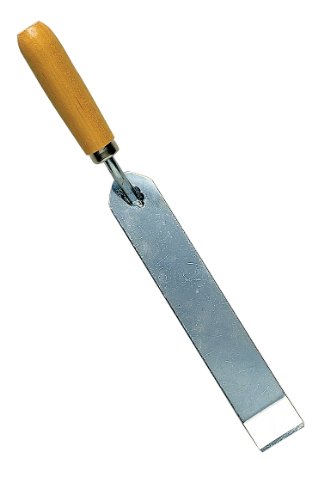
Champion Sports 8″ Baseball Dig Out Tool
- ✓ Effective dirt removal
- ✓ Compact and lightweight
- ✓ Durable metal build
- ✕ Small size limits leverage
- ✕ Might need a larger tool for big debris
| Material | Durable silver metal construction |
| Length | 8 inches |
| Design | Narrow with tapered edge for hard-to-reach areas |
| Intended Use | Dirt, mud, and debris removal from bases and ground anchors |
| Handle | Pro hand-held ergonomic design |
| Application | Field maintenance for baseball and softball fields |
The first thing you’ll notice about the Champion Sports 8″ Baseball Dig Out Tool is how effortlessly it slips into tight corners around bases. Its narrow, tapered edge makes scraping away dirt and mud from those hard-to-reach spots feel like a breeze.
The durable silver metal construction feels solid in your hand, giving you confidence that it won’t bend or break after a few uses. At just 8 inches long, it’s compact enough to carry around easily but still offers enough leverage to get the job done quickly.
Using it on a muddy field, I was impressed with how effectively it cleared away debris. Whether it’s dirt, mud, or small rocks, this tool makes cleanup faster so you can get back to gameplay without hassle.
The tapered edge helps lift stubborn debris that other tools might leave behind.
It’s a no-fuss device that feels well-made and designed specifically for field maintenance. It’s lightweight but sturdy, making it comfortable to grip during longer cleanup sessions.
Plus, at just under $8, it’s an affordable way to extend the life of your bases and ground anchors.
If you manage a team or a field crew, this little tool will become your go-to for quick touch-ups. It saves time, prevents damage to your equipment, and keeps your field looking professional.
Honestly, it’s a small investment that pays off in field longevity and ease of maintenance.
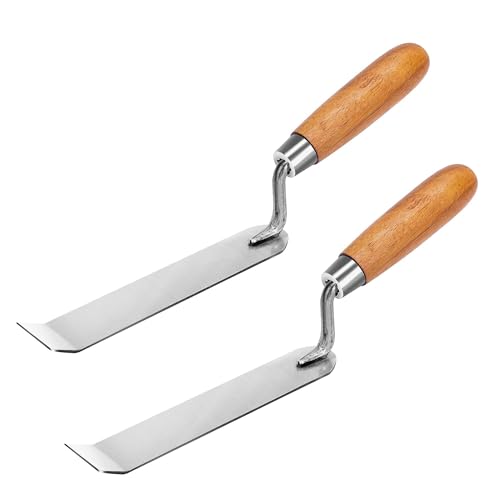
RunNico Baseball Dig Out Tools (2 pcs) for Field Cleaning
- ✓ Durable stainless steel build
- ✓ Easy to handle and use
- ✓ Great for tight spots
- ✕ Size may be small for some tasks
- ✕ Limited to dirt and sand removal
| Material | Stainless steel with 0.8mm thickness |
| Blade Width | Approximately 4.5 inches (based on handle length and typical tool proportions) |
| Handle | Wooden, 4.5 inches long |
| Edge Design | Tilted edge for deep cleaning in hard-to-reach areas |
| Durability Features | Corrosion-resistant, wear-resistant, with advanced welding for joint stability |
| Intended Use | Removing sand, pebbles, dirt from baseball and softball fields |
Right away, I noticed how sturdy these tools feel in my hand. The stainless steel construction is thick enough to handle tough dirt without bending or breaking.
Plus, the narrow, tilted edge makes it so much easier to reach into tight spots that are hard to clean with just a broom or a regular shovel.
The 4.5-inch wooden handle provides a solid grip, even when I need to apply a bit of force. The welding on the joint feels super stable, so I don’t worry about it coming apart halfway through my work.
It’s clear these tools are built to last, even with frequent use in muddy or sandy conditions.
Using these tools, I can quickly clear away dirt, pebbles, and debris without fuss. It’s a huge time-saver during drills, and I’ve noticed my team spends less time cleaning and more time practicing.
I really appreciate how lightweight and easy to maneuver they are, making cleanup almost effortless.
Whether you’re a coach or a player, these tools make field maintenance straightforward. They’re compact enough to store in your equipment bag but powerful enough to handle serious dirt.
Honestly, for the price, they’re a smart investment to keep your field in top shape.
Lanties 2 Pcs Baseball Dig Out Tool Baseball Bases Coaching

- ✓ Solid metal construction
- ✓ Easy to use and effective
- ✓ Two-piece pack for convenience
- ✕ Slightly heavy for prolonged use
- ✕ Not suited for very deep mud
| Material | High-quality metal (likely steel or aluminum) |
| Handle Length | 3.74 inches / 9.5 cm |
| Metal Part Length | 7.09 inches / 18 cm |
| Design Features | Narrow, tapered edges with a slightly curved end for efficient dirt removal |
| Application | Designed for cleaning and maintaining baseball bases, plugs, and anchors |
| Quantity | 2 pieces per package |
There’s nothing more frustrating than watching a game or practice get interrupted because of muddy, dirt-covered bases. You want your field to look sharp and clean, but those bases can quickly turn into a muddy mess after just a few rounds.
That’s where these Lanties Baseball Dig Out Tools really step in.
Right out of the package, I noticed how solid these tools feel in your hand. Made of sturdy metal, they’re built to last and handle even the toughest dirt.
The tapered edges make scraping away mud and debris effortless, saving you time and effort on maintenance.
Using them on a field, I appreciated how the slightly curved end helped me get under accumulated dirt without much fuss. The length — about 7 inches of metal plus a comfortable handle — gives enough leverage, so you’re not straining your wrist.
Plus, having two tools means I can clean multiple bases or share with a teammate without missing a beat.
What really stands out is how these tools help extend the life of your bases and anchors. Regular cleaning prevents buildup that can cause damage over time.
And at just under 16 dollars for a pair, they’re a pretty affordable way to keep your field in top shape all season long.
If you’re tired of struggling with flimsy tools that break or don’t do the job, these are a game changer. They’re straightforward, effective, and built to last — exactly what you need for quick, efficient maintenance.
Covey Sports Baseball Glove Lacing Needle Steel Tool

- ✓ Durable steel construction
- ✓ Comfortable ergonomic grip
- ✓ Versatile for all leather gear
- ✕ Laces sold separately
- ✕ Slightly longer learning curve
| Material | Corrosion-resistant steel |
| Length | 9 inches |
| Compatibility | Fits standard 3/16-inch to 1/4-inch laces |
| Handle | Contoured ergonomic rubber grip |
| Intended Use | Glove lacing, leather repair, and maintenance |
| Included Components | 1 precision lacing needle |
Compared to the flimsy plastic needles I’ve used before, this Covey Sports steel lacing needle immediately feels like a serious upgrade. Its sturdy, corrosion-resistant steel body gives it a heft and durability that you don’t get with cheaper tools, especially when threading through thick leather.
I was impressed by how well it held up after multiple uses on different gloves, showing no signs of bending or warping.
The 9-inch length is perfect for reaching deep into glove channels without feeling awkward. The contoured rubber handle is a game-changer—it provides a secure grip and reduces fatigue, even during longer lacing sessions.
I found threading through tight spots surprisingly easy thanks to the awl-style design, which naturally guides the lacing through the holes without much effort.
Its compatibility with standard laces makes it versatile, whether you’re fixing a baseball glove, a softball glove, or even tackling leather projects like belts or bags. I used it on both youth and adult gloves, and it fit perfectly in all the holes I tried.
Plus, the tool’s portability means I can keep it handy in the garage or take it to the field for quick repairs.
Overall, this tool gives you confidence to handle glove relacing yourself, saving time and money. It’s reliable, easy to use, and built to last through seasons of wear.
It’s a smart investment for anyone serious about maintaining their gear or even trying to relace a glove for the first time.
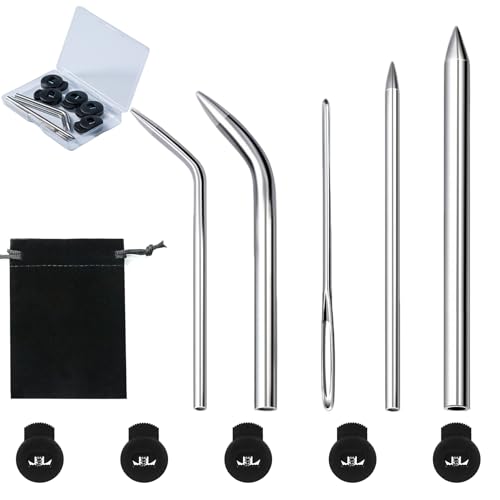
5pcs Baseball Lacing Needles, Handy Glove Shoelace Repair
- ✓ Easy and quick to use
- ✓ Durable stainless steel
- ✓ Organized storage options
- ✕ Not suitable for very thick leather
- ✕ Requires some manual dexterity
| Material | High-quality stainless steel |
| Needle Length | Not explicitly specified, but typically around 2-3 inches based on product category |
| Design | Straight and curved options available |
| Storage | Transparent acrylic storage box and velvet needle bag included |
| Compatibility | Suitable for baseball and softball gloves, as well as craft projects, ice skates, gardening tools, and decorative clothing lace |
| Locking Mechanism | Twist to lock and unlock |
There I was, in the middle of a weekend baseball game, when I noticed the laces on my glove starting to fray. Instead of scrambling for a new glove or trying to sew it by hand, I grabbed these 5pcs baseball lacing needles.
The moment I opened the package, I appreciated how neatly everything was organized in the transparent storage box.
The first thing I tried was the quick-lock design. It’s so much better than the old hook-style needles I’ve used before.
Simply cut the lace, pop the needle in at an angle, twist to lock, and I was good to go. It saved me a ton of time—no more fumbling around trying to thread tiny needles.
Removing it was just as easy; a quick twist in the opposite direction, and I was done.
The stainless steel material feels solid and durable. I was able to maneuver through thick glove leather without bending or breaking the needle.
Plus, the curved and straight options made it simple to work in tight spots or flat surfaces. I also like the variety of storage options—both the velvet pouch and the clear box keep everything organized and accessible.
Beyond baseball gloves, I see these needles being useful for DIY projects, lacing up ice skates, or even some craft work. They’re versatile, sturdy, and easy to handle.
Honestly, they make glove repair faster and less frustrating, especially when you’re in a pinch during a game or practice.
Overall, I’d say these needles are a real game-changer for anyone who repairs or maintains gear regularly. They’re affordable, reliable, and well-made, making glove lacing a breeze whenever needed.
What Defines the Best Baseball Tool?
- Durability: A high-quality baseball tool must withstand the rigors of play and frequent use without breaking down. This is especially important for items like bats and gloves, which are subjected to significant wear and tear.
- Performance: The best tools are designed to improve a player’s performance, such as bats that offer optimal power and control or gloves that provide superior grip and fielding ability. These performance-enhancing features can greatly impact a player’s effectiveness on the field.
- Comfort: Comfort is crucial for any baseball tool, as it allows players to focus on their game without being distracted by discomfort or poor fit. Equipment like batting gloves and cleats should fit well and feel good during play to enhance mobility and confidence.
- Technology: Incorporating the latest technology into baseball tools can provide significant advantages. Features like advanced materials in bats for better swing dynamics or moisture-wicking fabrics in uniforms can enhance overall performance and comfort.
- Customization: The ability to customize equipment to fit a player’s personal preferences can set the best tools apart. Custom bats, gloves, and cleats tailored to an individual’s specifications can improve their feel and performance, making them more effective on the field.
- Affordability: While high-quality tools often come at a premium price, the best baseball tools offer good value for their performance and durability. Players should consider cost relative to quality and longevity to ensure they are making a wise investment.
How Do Different Baseball Tools Impact Your Game Performance?
- Bat: The choice of bat can affect a player’s swing speed and hitting power.
- Glove: A well-fitted glove improves fielding capability and reaction time during plays.
- Cleats: The right cleats provide traction and stability on the field, which is crucial for running and quick movements.
- Batting Gloves: These improve grip on the bat and help absorb shock, enhancing comfort and control during swings.
- Training Equipment: Tools like weighted balls and resistance bands help in building strength and refining throwing mechanics.
- Pitching Machines: These devices allow players to practice hitting at various speeds and pitch types, improving batting accuracy.
- Video Analysis Tools: Utilizing technology to analyze performance can provide insights into mechanics and areas for improvement.
Pitching machines provide a controlled environment for hitters to practice against various pitch speeds and types. This allows players to develop consistency and confidence in their batting abilities.
Video analysis tools help players and coaches evaluate performance by breaking down mechanics and identifying areas for improvement. This technological approach can lead to significant gains in skill and understanding of the game.
What Features Should You Look for in a Quality Baseball Tool?
When searching for the best baseball tool, consider the following features:
- Durability: A quality baseball tool should be made from high-grade materials that can withstand the rigors of regular use. Look for tools that feature corrosion-resistant finishes and sturdy construction to ensure they last through many seasons.
- Ergonomic Design: Tools with an ergonomic design will provide a comfortable grip and reduce strain on your hands during use. This is particularly important for tools that require repetitive motions, as it can enhance performance and minimize fatigue.
- Multi-functionality: The best baseball tools often combine multiple functions, such as a bat grip enhancer, ball marker, or pitch counter, allowing for versatility in training and gameplay. This feature can save space and make it easier for players to have all necessary tools in one convenient device.
- Portability: A lightweight and compact design is crucial for easy transportation to practices and games. Look for tools that can easily fit into a baseball bag or pocket, ensuring you always have your equipment handy.
- Ease of Use: The best baseball tools are user-friendly, with intuitive designs that allow both beginners and experienced players to benefit from them without extensive instruction. Simple operation encourages consistent usage and practice.
- Adjustability: Features that allow for customization, such as adjustable weights or lengths, can tailor the tool to fit individual player needs and preferences. This adaptability can enhance the training experience and improve performance.
- Feedback Mechanism: Tools that provide real-time feedback, such as swing analyzers or impact sensors, can help players make immediate adjustments to their technique. This feature is essential for serious training, as it offers insights that can lead to quicker improvement.
Which Types of Baseball Tools Are Considered Essential?
The essential types of baseball tools include:
- Baseball Bat: A high-quality baseball bat is critical for a player’s performance at the plate. It can significantly influence hitting power and accuracy, with options available in various materials such as wood or aluminum that cater to different playing styles and leagues.
- Baseball Glove: A good baseball glove is vital for fielders, as it enhances their ability to catch and throw the ball effectively. Different positions require specific glove types, such as infield or outfield gloves, which vary in size, pocket depth, and webbing design to optimize performance.
- Baseball Cleats: Proper footwear is essential for traction and agility on the field. Baseball cleats are designed with spikes that provide grip on dirt and grass surfaces, helping players to run faster and change direction more effectively during gameplay.
- Batting Helmet: Safety is paramount in baseball, and a reliable batting helmet protects players from head injuries while batting. Modern helmets are designed with lightweight materials and impact-absorbing technology, ensuring comfort and protection during swings.
- Catcher’s Gear: For players in the catcher position, specialized gear is crucial for safety and performance. This includes a helmet with a face mask, chest protector, and shin guards, all designed to absorb impacts and provide mobility behind the plate.
- Baseball Training Aids: Training tools like batting tees, pitching machines, and weighted balls help players improve their skills. These aids focus on specific areas of development, such as hitting technique, throwing accuracy, and overall strength, making practice more effective.
How Can Batting Tools Enhance Your Hitting Skills?
Batting tools can significantly improve your hitting skills by providing targeted practice and feedback. The best baseball tool for enhancing these skills includes:
- Batting Tee: A batting tee allows players to practice their swing at their own pace by hitting a stationary ball. This tool helps players focus on their stance, swing mechanics, and contact point without the pressure of a moving pitch.
- Pitching Machines: Pitching machines simulate real-game situations by delivering balls at various speeds and angles. They help players adjust their timing and improve their ability to hit different types of pitches, offering a more dynamic practice environment.
- Weighted Bat: Using a weighted bat during practice can strengthen a player’s swing and improve bat speed. By swinging a heavier bat, players develop muscle memory and learn to control their swing better, which translates to enhanced performance with a standard bat.
- Hitting Aids (like the Swing Trainer): Hitting aids, such as swing trainers, help players develop proper mechanics by providing instant feedback on their swing. These tools often include sensors or visual indicators that help athletes correct their form and build muscle memory.
- Video Analysis Software: This technology allows players to record their swings and analyze them frame by frame. By reviewing their performance, players can identify areas for improvement and make necessary adjustments to enhance their hitting skills.
What Fielding Tools Are Most Effective for Players?
The most effective fielding tools for baseball players include various training aids that enhance skills and performance on the field.
- Gloves: A high-quality glove is essential for fielders as it provides the necessary support and protection while catching and fielding balls. Gloves come in different sizes and materials, allowing players to choose one that fits their hand comfortably and suits their playing style.
- Fielding Mats: These mats simulate real playing conditions and help players practice their fielding techniques. By providing a consistent surface, fielding mats allow players to work on their footwork, glove positioning, and reaction times without the variability of grass or dirt.
- Fielding Drills Equipment: Tools like rebounders, nets, and cones are great for conducting fielding drills. Rebounders help improve catching and throwing accuracy by returning the ball to the player, while cones can be used to set up drills that enhance agility and foot speed.
- Weighted Balls: Using weighted balls during practice can help players develop stronger throwing arms and improve their overall fielding accuracy. The added weight forces players to engage their core and arm muscles more effectively, resulting in better performance when using regulation baseballs.
- Training Aids (e.g., fungo bats): Fungo bats are specifically designed for coaches to hit grounders and fly balls to fielders during practice. This tool allows for precise ball placement, helping players to work on specific skills such as tracking, catching, and throwing.
- Video Analysis Tools: Modern technology allows players to record their fielding techniques and analyze their performance. By reviewing video footage, players can identify areas for improvement and make necessary adjustments to enhance their skills.
Why Are Pitching Tools Important for Skill Development?
Pitching tools are essential for skill development in baseball for several reasons:
-
Precision Training: Tools such as pitching machines simulate various pitch types and speeds, enabling pitchers to refine their mechanics and improve accuracy. This consistency helps pitchers learn the importance of hitting specific locations in the strike zone.
-
Feedback Mechanism: Advanced pitching tools often come equipped with technology that tracks ball speed, spin rate, and movement patterns. This data provides instant feedback, allowing players to make necessary adjustments in real-time.
-
Repetition and Muscle Memory: Regular practice with pitching tools aids in developing muscle memory. By consistently throwing against a pitching tool, pitchers can solidify their techniques and reduce the likelihood of errors during actual games.
-
Variety in Practice: Different pitching tools allow players to face a range of pitches, including fastballs, sliders, and change-ups. This exposure helps pitchers become adaptable and better prepared for different types of batters.
-
Injury Prevention: Using pitching tools can also help reduce the risk of injury. They encourage proper mechanics and reduce the stress on an athlete’s arm, promoting longevity in their playing career.
Incorporating pitching tools into practice routines ultimately fosters significant skill growth and enhances overall performance on the baseball field.
How Can You Choose the Right Baseball Tool for Your Needs?
Choosing the right baseball tool involves considering various factors such as your level of play, specific needs, and personal preferences.
- Bat: Selecting the right bat is crucial for performance; consider factors such as length, weight, and material (wood or aluminum) based on your playing style and league regulations.
- Glove: A good glove should fit comfortably and be appropriate for your position; different sizes and web designs cater to catchers, infielders, and outfielders, influencing your fielding ability.
- Cleats: Proper footwear enhances traction and stability on the field; choose cleats based on the playing surface (metal vs. molded) and comfort level to prevent injuries.
- Batting Gloves: These gloves improve grip and reduce vibration when hitting; look for breathable materials and a snug fit to enhance performance during swings.
- Helmet: A quality helmet is essential for safety; ensure it meets safety standards and fits properly to protect against head injuries while batting or running the bases.
- Practice Equipment: Tools like hitting nets, tees, and pitching machines can help improve your skills; consider your training needs and available space when selecting these tools for practice.
- Baseball Bag: A spacious and durable bag helps carry all your equipment; look for features such as padded straps, multiple compartments, and weather resistance for convenience and protection.
Each of these tools serves a specific purpose and can greatly impact your performance and enjoyment of the game, so taking the time to choose wisely is important.
What Are the Key Factors to Consider When Selecting a Baseball Tool?
When selecting the best baseball tool, several key factors should be taken into account for optimal performance and suitability.
- Material: The construction material of the baseball tool impacts its durability and performance. Tools made from high-quality materials like aluminum or composite materials tend to be more resilient and can withstand regular use without significant wear and tear.
- Weight: The weight of the tool affects its usability and effectiveness. A well-balanced tool that is not too heavy can enhance control and ease of use, making it easier to handle during practice or gameplay.
- Ergonomics: The design of the tool should prioritize comfort and ease of use. Tools with ergonomic grips and designs help reduce strain on the hands and wrists, allowing for longer and more effective training sessions.
- Versatility: A good baseball tool should offer multiple functions or be adaptable to various training drills. This versatility allows players to practice different skills, maximizing the tool’s value and application in their training routines.
- Brand Reputation: Choosing a tool from a reputable brand can ensure quality and reliability. Trusted brands often have rigorous testing and customer feedback that can guide potential buyers in making an informed decision.
- Price: The cost of the tool should align with your budget while also taking into account its features and benefits. Investing in a slightly more expensive tool can often result in better performance and longevity, making it a worthwhile purchase.
What Are the Benefits of Using High-Quality Baseball Tools?
Comfort is paramount in athletic equipment, and high-quality baseball tools often feature ergonomic designs that improve grip and reduce fatigue. This is particularly important during long games or practice sessions, as a comfortable grip can lead to better handling and control.
Performance enhancement is a direct result of using the best baseball tools. High-quality bats and gloves can help players achieve greater swing velocity and better catching ability, ultimately leading to improved game statistics and outcomes on the field.
Consistency is crucial in sports, and high-quality equipment contributes to reliable performance. Players can depend on their tools to behave predictably every time, which is essential for developing skills and strategies in gameplay.
Finally, increased confidence is a psychological advantage that comes from using superior equipment. When players trust their tools, they are more likely to take risks and perform at their best, which can make a significant difference in competitive situations.
Related Post: