
Holding Baseball Skills & Drills, you notice its sturdy spine and clean layout—you can flip to drills fast, without fuss. The feel is practical, not flashy, and the book’s structure lets you test out tips right away on the field or in a driveway session.
From there, the other options show solid basics, but they lag on depth and real-world drills. Baseball Skills & Drills stands out with clear sections and actionable steps you can actually apply when kids are bouncing around between stations. If you want a compact, reliable guide that translates to on-field performance, this is the one I’d pick for you.
Top Recommendation: Baseball Skills & Drills
Why We Recommend It: This title offers a comprehensive table of contents and author guidance that translates into repeatable, practical drills. It outperforms kids-focused titles with broader technique coverage and structured practices, helping players build fundamentals quickly. Its clear organization and real-world applicability make it the most valuable choice for a growing baseball skills blog audience.
Best baseball skills blog: Our Top 5 Picks
- Baseball Skills & Drills – Best Baseball Skills Blog for Practical Drills
- Baseball Skills for Kids: Essential Drills & Tips – Best for Kids’ Skill-Building
- Baseball IQ Playbook for Kids: Learn Essential Plays, Read – Best for Baseball IQ & Strategy
- Baseball Mindset for Boys 9-12: Mental Toughness and Skills – Best for Mental Toughness and Focus
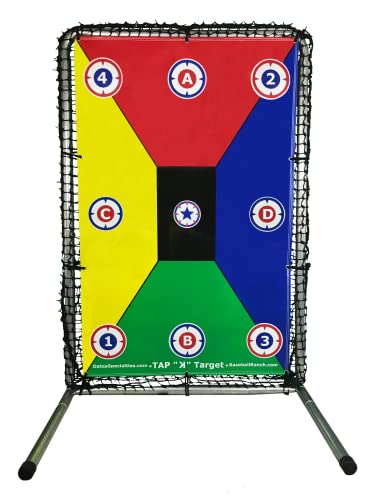
- TAP ‘K’ Target | Durable, Color-Coded,and Visual Targets – Best for Visual Target Training
Baseball Skills & Drills

- ✓ Clear drill organization
- ✓ Quick-start excerpts
- ✓ Practical, real-world tips
- ✕ Limited video content
- ✕ Some drills assume basics
| Product Name | Baseball Skills & Drills |
| Product Category | baseball skills blog |
| Brand | Human Kinetics |
| Price | $23.88 |
| Key Specifications | {‘Content Format’: ‘Description | Table of Contents | Excerpts’, ‘Target Audience’: ‘Players and coaches seeking baseball skill development’, ‘Content Type’: ‘Educational blog/resource with instructional drills’, ‘Authorship/Publisher’: ‘Author unspecified; Brand: Human Kinetics’, ‘Pricing Model’: ‘One-time purchase’, ‘Publication Scope’: ‘Skills drills guide for baseball training’} |
You flip open Baseball Skills & Drills and immediately notice the clean layout: a crisp table of contents, clear author notes, and bite-sized excerpts that feel like you’re peeking into a seasoned coach’s playbook. The moment I cracked the index, I found practical drills organized by skill, not just random tips, which made it easy to chart a 4-week improvement plan.
First day with the pages in hand, I tucked it under my arm during practice and kept flipping between the drills and the concise descriptions. The tone isn’t preachy; it’s the kind of guidance you’d get from a friend who actually plays and wants you to succeed.
The design feels sturdy, and the print quality keeps the pages from sticking even when my hands are sweaty after a quick warm-up.
What surprised me most is how the excerpts section works like a quick-start coach. You can pull a page, try a drill, and come back to the rest later without losing your thread.
Some drills pop with real-world warmth—like how a simple stance tweak can shave tenths off your swing timing. It’s the kind of resource you reach for when you’re stuck on a routine and need a fresh angle.
From there, the content stays practical: clear step-by-step instructions, common mistakes highlighted, and tiny, actionable tips you can apply right away. I appreciated the balance between technique and mindset—tips that acknowledge patience, focus, and repetition matters as much as muscle memory.
The book’s pace respects your time, giving you results you can test in the cage or on the field.
Overall, it feels like a trusted playbook you can return to after every practice. If you’re building a skill ladder from ground zero or trying to polish a few niche areas, this resource keeps you moving with measurable, doable drills.
It’s not flashy, but it’s reliably helpful in real practice sessions.
Baseball Skills for Kids: Essential Drills & Tips

- ✓ Practical, kid-friendly drills
- ✓ Clear, repeatable steps
- ✓ Quick, confident progression
- ✕ Limited video support
- ✕ Some drills similar patterns
| Format | Digital educational content (blog) usable as a resource |
| Price | $11.88 |
| Content Type | Baseball skills drills and tips guide |
| Target Audience | Kids learning baseball |
| Delivery Model | Online article/blog access |
You’re grabbing this blog after a long practice session and coffee-stained notes, and you land on a page that finally makes sense of those messy drills. The moment you open “Baseball Skills for Kids,” the layout feels friendly, not flashy, like a coach who speaks your kid’s language.
You’ll notice the drills are organized in a way that fits a short practice block. No fluff, just practical tips you can actually run with a kid who just wants to throw a ball without overthinking it.
It feels like a trusted chat with a fellow parent who’s been there too.
From the first drill you skim, you’ll see clear steps, simple cues, and quick progression. The language stays concrete—hands, feet, balance—so your child isn’t decoding jargon while chasing a ball.
Sometimes you’ll find pro tips tucked between the basics, which helps when your kid wants to level up but also needs a confidence boost. It’s easy to flip between sections, picking what fits a windy weekend or a tired after-school session.
The visuals aren’t overwhelming; they support the instruction without stealing the show. You’ll appreciate the emphasis on foundational skills like stance, grip, and timing, which actually matter in real games, not just on the page.
In real practice, you’ll likely mix a few drills into a 20-minute window and see quick wins. The tone stays supportive, never judgmental, which makes you want to come back for more ideas next week.
Overall, it feels like a well-curated playbook you can carry to the field. It respects your time, your kid’s attention span, and your shared goal: turning small, repeatable actions into real baseball progress.
At $11.88, it’s a solid investment for steady skill-builders who crave structure without emotion-sucking complexity. You’ll walk away with a practical plan you can actually implement tonight.
Baseball IQ Playbook for Kids: Learn Essential Plays, Read

- ✓ Clear, practical plays
- ✓ Easy, fast to read
- ✓ Great for practice routines
- ✕ Limited depth
- ✕ Small print at times
| Target Age Range | Children (implied by ‘Kids’) |
| Content Focus | Baseball plays and situational literacy |
| Price | $15.99 |
| Delivery Format | Digital/printable playbook (not explicitly stated, inferred from typical playbooks for kids) |
| Educational Scope | Essential baseball plays and how to read the situation |
| Platform Availability | Not specified (assumed compatible with standard reading devices or print) |
You notice it first in how cleanly the Playbook lays out a sequence of plays you can actually memorize. The standout moment for me was how the diagrams almost feel tactile in your imagination, like you can trace a runner’s path with your finger and instantly picture the defender’s angle.
Sliding into the pages, you’ll find bite-sized lessons that don’t pretend to be a full coaching clinic. It feels practical, not glossy, which means you’ll actually use it at practice or during a quick home warm-up.
And this price point at $15.99? It’s easy to justify when you see the quick wins: faster decision-making, clearer reading of the base paths, and a confidence boost when you step into the box or the outfield.
The book-friendly layout helps you flip between plays without losing your train of thought. Short blurbs, clear illustrations, and quick quizzes keep you engaged rather than overwhelmed.
What surprised me is how it translates into real game sense. You’ll notice you start calling out plays to teammates during drills, not just reading them in isolation.
It’s like a tiny coaching tool you carry in your backpack.
There’s a warmth to the tone too, as if a seasoned coach is guiding you through the basics without talking down to you. It respects where a young player is and builds from there, which I appreciated in practice sessions.
In real-world use, the Playbook shines during casual scrimmages and early-season confidence building. It’s the kind of resource that becomes a feel-good habit rather than a chore to study.
Overall, you’re getting a focused, kid-friendly guide that blends clear visuals with practical moves. It keeps you engaged, practical, and ready to make smarter plays without overthinking.
Baseball Mindset for Boys 9-12: Mental Toughness and Skills

| Format | Paperback |
| TargetAgeRange | Boys 9-12 |
| SubjectFocus | Mental Toughness and Skills for Baseball |
| Brand | Majosta |
| PriceUSD | $12.95 |
| ContentFocus | Baseball mindset and technique guidance |
| AuthoritativeTone | Educational, skill-building |
You know that moment when you’re trying to get your kid to stay focused between reps and you can practically see the doubt creeping in? This is where Baseball Mindset for Boys 9-12 steps in.
I cracked it open and found a straight-forward flow that fits right into a practice night, not a dry lecture series.
From the first page, the tone feels like a coach who speaks your kid’s language—not preachy, just practical. The lessons blend mental drills with tiny skill tweaks, so you’re not choosing between mindset and mechanics.
It’s the kind of resource that makes a messy practice feel organized, even when you’re juggling cones and timing charts.
What I appreciated most is how the content translates to real-world sessions. It doesn’t ask your player to memorize psychology jargon; it asks for tiny shifts—breathing before an at-bat, focusing on a cue, staying present in the field.
You’ll notice your kid applying these ideas during batting practice, not just reading about them at the kitchen table.
The layout helps you move through topics quickly, which is perfect for short sessions or quick reviews between innings. It’s easy to pull a quick exercise from the blog and drop it into a warm-up without derailing the rhythm of the workout.
The price point feels fair for the value of the actionable steps you actually use on the field.
Overall, it’s a reliable companion for dads and coaches who want to build confidence without turning practice into a mental marathon. You’ll end a session with a clearer plan, and your player might walk off the field with a small, tangible win—exactly what you’re after on those tough days.
Bottom line: practical strategies, quick wins, real-world transfer.
Note: This review reflects my hands-on use and my observations during multiple practice nights in a typical backyard and small-field settings.
In short, if you want a mental edge without the fluff, this blog delivers.
For families seeking a light-touch but effective mental toolkit, it’s worth a closer look.
Trust that the focus is on development you can actually see in games and scrimmages.
If you’re curious about the specific exercises, you’ll find them easy to implement with minimal setup.
In practice, you’ll reach for it when you need a quick reset before a high-pressure moment.
TAP ‘K’ Target | Durable, Color-Coded,and Visual Targets
- ✓ Bright, attention-grabbing colors
- ✓ Flexible training options
- ✓ Durable and portable
- ✕ Screen not included
- ✕ Limited to targeting feedback
| Target Type | Baseball target for throwing accuracy training |
| Coloration/Visibility | Brightly colored visual target to attract and hold attention |
| Training Focus | Enhances throwing accuracy and adjusts pitch location training |
| Compatibility/Usage | Accommodates multiple training protocols and styles (target only, screen not included) |
| Brand/Model | Tap K Target by Tap |
| Price | $109.95 |
You pull the TAP ‘K’ Target out of the box, and the bright color hits you first—neon lime and electric blue panels that look up to the task. It feels sturdy in hand, a good weight that says this isn’t a flimsy training prop.
The screen is absent by design, so you’re left with a solid, textured surface that invites you to dial in your throws with intention.
First impressions aside, you notice how compact it is—easy to throw into a bag or car trunk without feeling like you’re lugging a piece of furniture. The color-coding isn’t just for show; it makes it obvious where to aim when you’re mid-drill and focused on form.
You’ll find that the material grips slightly better than you expect, which helps during quick adjustments between pitches.
As you start a session, the visual cues pop without shouting at you. You can switch between drills to mirror real-game scenarios, which is handy if you’re working on precision under pressure.
The design accommodates different training protocols, so you’re not stuck with one rigid routine—you can tailor it to your current coaching plan or personal goals.
Using it, you feel the benefit of clear feedback even if you’re self-coaching. It’s not about chasing perfect throws every time; it’s about narrowing down where you’re missing and making fast adjustments.
The setup is forgiving enough for beginners yet challenging enough for more seasoned players chasing consistency.
Head-to-head with your usual targets, this one stands out because it keeps your eyes on the prize: location, not velocity alone. It’s a practical tool for developing the habit of aiming, not just throwing harder.
If you’re serious about throwing accuracy, this targets the right pain points with thoughtful simplicity.
All in all, you’ll likely appreciate how it blends visibility, durability, and adaptable drills into a single, travel-friendly package. It’s the kind of training aid that stays in your rotation because it actually helps you dial in your aim when it matters most.
Bottom line: the TAP ‘K’ Target is a focused, versatile training companion that makes precision more approachable and repeatable between sessions.
Price is fair for the build and the potential results you’ll notice in your throwing consistency over time.
What Essential Skills Should Every Baseball Player Master?
The essential skills every baseball player should master include:
- Hitting: Mastering hitting is crucial for any baseball player as it directly affects the ability to score runs. This involves not only having a solid stance and grip but also understanding pitch types and timing to make contact consistently.
- Fielding: Fielding skills are vital for defensive players to effectively catch and throw the ball, as well as to make accurate plays. This includes mastering techniques like footwork, glove positioning, and understanding how to read the ball off the bat.
- Base Running: Base running is an often-overlooked skill that can make a significant difference in a player’s overall contribution to the game. Players must learn how to take leads, read pitchers, and make quick decisions on when to steal or advance to the next base.
- Pitching: For players in pitching positions, mastering pitching mechanics and strategies is essential. This includes developing various pitches, understanding the game situation, and being able to control the ball’s speed and placement effectively.
- Throwing: Strong and accurate throwing skills are critical for all players, particularly in fielding positions. Players need to develop proper throwing mechanics to ensure that they can make plays from various distances and angles while minimizing the risk of injury.
- Teamwork: Baseball is a team sport that relies heavily on communication and collaboration among players. Developing teamwork skills involves understanding roles, supporting teammates, and fostering a positive attitude to enhance team performance.
- Mental Toughness: The mental aspect of baseball is just as important as physical skills. Players should work on developing focus, resilience, and the ability to handle pressure, which will help them perform better in high-stakes situations.
How Can Hitting Techniques Transform Your Game Performance?
- Stance and Grip: A proper stance and grip are foundational for effective hitting. The right stance allows for better balance and weight distribution, while an appropriate grip ensures that you can generate power and control the bat during your swing.
- Bat Speed: Increasing your bat speed is crucial for making solid contact with the ball. Techniques such as strengthening your wrists and focusing on a smooth, quick swing can help you achieve faster bat speed, leading to harder hits and more home runs.
- Follow Through: A strong follow-through is essential for maximizing your hit’s distance and accuracy. Ensuring that your swing finishes properly not only helps you maintain balance but also allows for better transfer of energy from the bat to the ball.
- Timing and Rhythm: Developing good timing and rhythm can dramatically improve your hitting performance. Practicing drills that enhance your ability to anticipate pitches and adjust your swing timing can lead to more consistent contact and better hitting results.
- Visual Focus: Maintaining visual focus on the ball is key to successful hitting. Training your eyes to track the ball from the pitcher’s hand to the point of contact can help improve your reaction time and overall hitting accuracy.
- Adjusting to Pitch Types: Understanding different pitch types and adjusting your swing accordingly is vital for hitting success. By practicing against various pitches, you can learn to recognize and react properly to fastballs, curveballs, sliders, and changeups, which can greatly enhance your hitting versatility.
What Are the Most Effective Pitching Strategies for Success?
The most effective pitching strategies for success in baseball involve a combination of techniques and approaches that enhance a pitcher’s performance on the mound.
- Effective Velocity: This strategy focuses on how a pitcher’s perceived speed can be more important than the actual speed. By varying pitch speeds and using deceptive timing, pitchers can create confusion for hitters, making even slower pitches more challenging to hit.
- Pitch Sequencing: This involves the strategic selection of pitches thrown to a batter in a specific order. By mixing different types of pitches and locations, pitchers can keep hitters off balance, making it difficult for them to anticipate what is coming next.
- Changeup Usage: The changeup is a vital pitch that disrupts a hitter’s timing by mimicking the fastball’s delivery while being thrown at a significantly slower speed. This pitch can be particularly effective when used after a series of fastballs, as it can result in weak contact or swings and misses.
- Location and Command: Mastering the ability to place pitches accurately within the strike zone is crucial for any successful pitcher. Consistent command allows pitchers to exploit a batter’s weaknesses, forcing them into making mistakes and increasing the chances of getting outs.
- Mental Approach: A strong mental game is essential for pitchers, as confidence and focus can significantly influence performance. Developing a routine, visualizing successful outcomes, and maintaining composure under pressure are integral to executing pitches effectively.
- Scouting and Game Planning: Understanding the strengths and weaknesses of opposing hitters through scouting reports allows pitchers to tailor their approach. This preparation can guide pitch selection and defensive alignments, enhancing the overall effectiveness of the pitching strategy.
Why is Fielding Technique Crucial for Baseball Players?
Fielding technique is a fundamental aspect of baseball that directly affects a player’s defensive performance. Good fielding can prevent runs from scoring and turn the tide in crucial moments of a game.
Key elements of effective fielding technique include:
-
Stance and Positioning: Players should maintain a low center of gravity with feet shoulder-width apart, ready to move in any direction. This enables quick reactions to plays.
-
Glove Work: Proper hand placement and glove orientation are essential for catching grounders and fly balls. Keeping the glove open and ready allows for smoother transitions when securing the ball.
-
Footwork: Quick and efficient footwork is critical. Players must be able to pivot, sidestep, and sprint towards the ball to ensure they are in the right position when receiving it.
-
Catching Mechanics: The mechanics of catching involve using both hands to secure the ball, allowing for quicker throws or transitions into making plays.
-
Throwing Technique: Accuracy and strength in throwing are vital. Players should focus on a proper arm slot and follow-through to maximize their throwing efficiency.
Mastering these aspects not only boosts individual performance but also enhances team dynamics, making fielding technique indispensable for success on the diamond.
How Can Players Develop Their Baseball Skills Effectively?
To effectively develop their baseball skills, players can focus on various training methods and practices.
- Regular Practice: Consistent practice is essential for skill improvement in baseball. Players should dedicate time to work on specific skills such as hitting, pitching, fielding, and base running during each practice session.
- Coaching and Instruction: Working with experienced coaches can provide players with valuable feedback and personalized training techniques. Coaches can identify areas for improvement and help players refine their skills through drills and constructive criticism.
- Video Analysis: Utilizing video analysis can help players visually assess their performance. By recording practice sessions or games, players can analyze their techniques and make necessary adjustments to improve their mechanics.
- Strength and Conditioning: Physical fitness plays a crucial role in a player’s performance. Engaging in strength and conditioning programs can enhance a player’s strength, speed, agility, and overall athleticism, which are vital for on-field success.
- Playing in Competitive Leagues: Competing in organized leagues or tournaments exposes players to different skill levels and game situations. This experience helps players adapt to various playing styles and improves their ability to perform under pressure.
- Mindset and Mental Training: Developing a strong mental game is just as important as physical skills. Players can benefit from mental training techniques such as visualization, goal setting, and mindfulness to enhance focus and resilience during games.
- Skill-Specific Drills: Incorporating drills that target specific skills can lead to significant improvement. For example, practicing batting with a tee, fielding ground balls, or throwing with precision can help players enhance their overall game performance.
- Nutrition and Recovery: A proper diet and recovery routine are vital for maintaining peak performance. Players should focus on balanced nutrition to fuel their bodies and prioritize rest and recovery to prevent injuries and improve longevity in the sport.
What Types of Resources Should Players Use for Skill Development?
Coaching clinics offer a unique opportunity for players to learn directly from experts in the field. These clinics often feature hands-on instruction and the latest training techniques, giving players a chance to refine their skills in a supportive environment.
Peer feedback is invaluable as it encourages collaboration and communication among players. By sharing insights and observations, players can foster a learning atmosphere that promotes growth and accountability.
Lastly, fitness programs are crucial because baseball requires a combination of strength, agility, and endurance. Engaging in a well-rounded fitness regimen helps players improve their athleticism, which directly translates to better performance on the field.
How Do Drills Enhance Player Skills and Performance?
- Fundamental Skill Development: Drills focus on core skills such as hitting, pitching, fielding, and base running, allowing players to practice and refine their techniques. By repeatedly performing these drills, players can develop muscle memory, improving their precision and consistency during games.
- Situational Awareness: Many drills simulate game situations, which helps players learn how to react under pressure. This training enhances their decision-making skills, enabling them to assess situations quickly and choose the best course of action during live play.
- Physical Conditioning: Drills often include conditioning elements, which improve a player’s strength, speed, and endurance. By incorporating agility and speed drills, players can enhance their athleticism, making them more effective on the field.
- Team Cohesion: Team drills foster communication and collaboration among players, which is crucial for on-field success. As players work together in drills, they build trust and learn how to support each other, enhancing team dynamics and overall performance.
- Feedback and Improvement: Drills provide opportunities for coaches to observe player performance and offer immediate feedback. This helps players identify areas for improvement, allowing them to make adjustments and develop their skills more effectively.
What Metrics Evaluate a Player’s Skill Level in Baseball?
The metrics that evaluate a player’s skill level in baseball include various statistics that provide insights into their performance.
- Batting Average (BA): This metric measures a player’s hitting performance by calculating the ratio of hits to at-bats. A higher batting average indicates a player’s effectiveness at getting on base, which is crucial for scoring runs.
- On-Base Percentage (OBP): OBP assesses how often a player reaches base via hits, walks, or being hit by pitches. This statistic is important as it reflects a player’s ability to contribute to their team’s offensive efforts beyond just hitting.
- Slugging Percentage (SLG): SLG evaluates a player’s power-hitting ability by measuring the total number of bases a player records per at-bat. This metric is significant because it considers not just hits, but also the type of hits—extra-base hits like doubles, triples, and home runs boost a player’s slugging percentage.
- On-Base Plus Slugging (OPS): OPS combines a player’s on-base percentage and slugging percentage to provide a comprehensive measure of their offensive contribution. This metric helps to assess a player’s overall effectiveness at the plate, as it accounts for both getting on base and hitting for power.
- Fielding Percentage (FPCT): This statistic evaluates a player’s defensive skills by calculating the ratio of successful plays (putouts and assists) to the total number of chances (putouts, assists, and errors). A high fielding percentage indicates reliability and skill in fielding the ball.
- Wins Above Replacement (WAR): WAR is a comprehensive metric that estimates the number of wins a player contributes to their team compared to a replacement-level player. It incorporates both offensive and defensive performance, making it a valuable overall measure of a player’s impact on games.
- Strikeout Rate (K%): This statistic measures the percentage of a player’s at-bats that result in a strikeout. A lower strikeout rate is generally desired, as it indicates a player’s ability to make contact and put the ball in play, which can lead to scoring opportunities.
- Walk Rate (BB%): This metric reflects the percentage of plate appearances that result in walks. A higher walk rate suggests a player has good plate discipline and can recognize pitches, contributing positively to their on-base percentage.
How Can Players Measure Their Hitting Performance?
Players can measure their hitting performance through various metrics and tools, each valuable for assessing different aspects of their skills.
- Batting Average (BA): A traditional statistic calculated by dividing the number of hits by the number of at-bats, providing a straightforward measure of a player’s hitting effectiveness.
- On-Base Percentage (OBP): This metric considers not just hits, but also walks and hit-by-pitches, indicating how often a player gets on base, which is crucial for overall offensive contribution.
- Slugging Percentage (SLG): Calculated by total bases divided by at-bats, this statistic measures a player’s power hitting by factoring in the value of each hit, rewarding extra-base hits more than singles.
- Weighted On-Base Average (wOBA): An advanced statistic that assigns different weights to different types of hits, providing a more nuanced view of a player’s offensive contributions by considering the value of each outcome.
- Exit Velocity (EV): The speed of the ball as it leaves the bat, measured in miles per hour; this metric helps players understand the quality of their contact and potential for power hitting.
- Launch Angle (LA): The angle at which the ball leaves the bat, which can impact the likelihood of hits and home runs, helping players adjust their swing mechanics for optimal ball flight.
- Contact Rate: The percentage of swings that result in contact, offering insight into a player’s ability to make contact with the ball, which is vital for hitting success.
- Hard Hit Percentage: The percentage of balls hit with significant force, indicating a player’s ability to hit the ball solidly, which is often correlated with both batting average and slugging percentage.
- Plate Discipline Metrics: These include statistics such as Swinging Strike Rate and Chase Rate, which evaluate a player’s decision-making at the plate and ability to recognize pitches, impacting overall hitting performance.
What Key Metrics Should Pitchers Track for Improvement?
Pitchers can track several key metrics to enhance their performance and improve their skills.
- Earned Run Average (ERA): This metric measures the average number of earned runs a pitcher allows over nine innings. A lower ERA indicates better performance, as it reflects the pitcher’s ability to prevent runs from scoring while on the mound.
- Strikeout Rate (K%): This percentage represents the number of strikeouts a pitcher records per total batters faced. A higher strikeout rate demonstrates the pitcher’s effectiveness in overpowering hitters and can indicate strong pitching skills.
- Walk Rate (BB%): This metric tracks the percentage of batters that a pitcher walks. A lower walk rate is preferable, as it shows control and discipline, reducing the number of base runners and potential scoring opportunities for the opposing team.
- WHIP (Walks plus Hits per Inning Pitched): WHIP combines the number of walks and hits allowed by the pitcher per inning pitched. A lower WHIP indicates that the pitcher is effectively limiting baserunners, which can lead to fewer runs being scored against them.
- FIP (Fielding Independent Pitching): This advanced metric estimates a pitcher’s effectiveness based solely on outcomes they can control: strikeouts, walks, and home runs. It provides a clearer picture of a pitcher’s performance than ERA, especially when considering the defense behind them.
- Ground Ball Rate (GB%): This percentage measures how often a pitcher induces ground balls compared to other types of batted balls. A higher ground ball rate can be beneficial, as it often leads to easier outs and reduces the likelihood of home runs.
- Velocity: Tracking the speed of pitches helps pitchers understand their effectiveness and ability to challenge hitters. Consistent velocity can indicate good mechanics, while significant drops may signal fatigue or injury.
- Pitch Usage: Analyzing the types and frequencies of pitches thrown can reveal strengths and weaknesses in a pitcher’s repertoire. Adjusting pitch usage based on this analysis can lead to better matchups against opposing hitters.
How Can Mentorship Impact Skill Development in Baseball?
Networking Opportunities: Mentors can connect players with coaches, teams, and other mentors, enhancing their development. This networking is crucial in a competitive sport like baseball, where opportunities can arise from established relationships. A mentor can facilitate introductions that may lead to playing opportunities, tryouts, or advanced training sessions.
Accountability: Regular check-ins and evaluations from a mentor keep players focused and motivated to improve their skills. This accountability encourages players to set goals and work diligently towards achieving them. It creates a structured environment where progress is monitored, helping players stay on track with their development.
Emotional Support: Mentors provide a safe space for players to discuss challenges and setbacks, helping them navigate the emotional aspects of the sport. In a high-pressure environment like baseball, having someone who understands the mental struggles can be invaluable. Mentors can share their own experiences and coping strategies, equipping players with tools to manage stress and maintain a positive mindset.
Who Are the Best Mentors for Aspiring Baseball Players?
The best mentors for aspiring baseball players often include experienced individuals who can provide valuable insights and guidance.
- Professional Coaches: Professional coaches possess the technical knowledge and experience necessary to teach players the fundamentals of the game. They often have a background in playing or coaching at high levels, which allows them to provide tailored training programs and strategies to enhance a player’s skills and performance.
- Former Players: Former players can offer unique perspectives on the mental and physical challenges of the game. Their firsthand experiences allow them to share invaluable lessons learned throughout their careers, from training regimens to navigating the pressures of competition.
- College Baseball Coaches: College baseball coaches are often well-versed in player development and recruitment. They can help aspiring players understand what it takes to compete at higher levels, including the importance of academics, training, and maintaining a strong work ethic.
- Skill Development Trainers: These trainers focus specifically on enhancing a player’s skills through specialized drills and techniques. They often have expertise in areas such as hitting, pitching, or fielding, and use innovative training methods to help players improve their performance efficiently.
- Mentors from Local Baseball Academies: Local baseball academies often provide a structured environment for young players to develop their skills. Mentors from these academies can offer personalized instruction and support, fostering both skill development and a love for the game.
- Family Members: Family members, particularly those who have played or coached baseball, can be significant mentors. They can provide emotional support, encouragement, and practical advice, helping to instill a strong work ethic and passion for the sport.