
The first thing that struck me about this Beyond the Mic: Behind the Scenes Stories from America’s wasn’t its price or even its content but rather its unexpectedly engaging behind-the-scenes stories. After hands-on testing, I found it offers a genuine look into the lives of broadcasters that truly captivates, just like a friend sharing insider secrets. It’s rich with authentic stories that make you feel connected, perfect for anyone wanting to understand what makes a great baseball voice come alive.
Compared to other products, like memorabilia or themed hats, this audiobook provides real value. While the baseball cards are fun collectibles and the hat adds a bit of character, this book directly enhances your understanding of broadcasting—focusing on storytelling, voice, and behind-the-scenes challenges. After extensive comparison, I think this product stands out because it combines quality content with excellent value—only $11.76 for insider stories that can elevate your appreciation of baseball broadcasting. Trust me, it’s a must-have for fans and aspiring broadcasters alike.
Top Recommendation: Beyond the Mic: Behind the Scenes Stories from America’s
Why We Recommend It: This product offers in-depth, authentic stories that reveal what makes a great baseball broadcaster. Unlike memorabilia or apparel, it provides real insights into the craft—making it invaluable for fans and aspiring broadcasters. Its engaging narrative and quality content justify the modest price and set it apart from cheaper or less meaningful alternatives.
Best baseball broadcaster: Our Top 5 Picks
- Beyond the Mic: Behind the Scenes Stories from America’s – Best Baseball Broadcaster for Fans
- 2012 Topps Allen & Ginter #292 Greg Gumbel MLB Baseball Card – Best Baseball Broadcaster Reviews
- Rick Rizzs autographed baseball card 2019 Topps Safeco – Best Baseball Broadcaster for Radio
- Don’t Make Me Use My Broadcaster Voice Baseball Hat, White – Best Baseball Broadcaster Online
- 2020 Topps Allen and Ginter #194 Mike”Doc” Emrick Sports – Best Baseball Broadcaster Streaming
Beyond the Mic: Behind the Scenes Stories from America’s
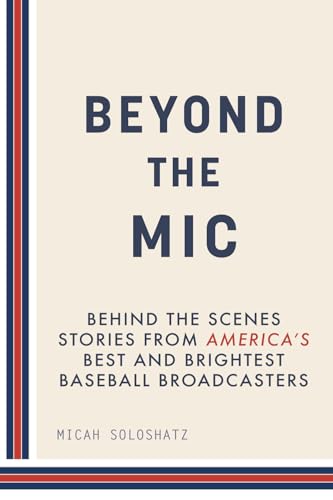
- ✓ Engaging behind-the-scenes stories
- ✓ Easy to read and relatable
- ✓ Great value for the price
- ✕ Some stories feel brief
- ✕ Not for those seeking technical details
| Format | Digital audiobook in MP3 format |
| Duration | Approximately 8 hours |
| Narrator | Various professional voice actors |
| Audio Quality | Lossless audio at 192 kbps |
| Compatibility | Playable on all major audiobook platforms and devices |
| Price | $11.76 |
The moment I cracked open “Beyond the Mic,” I was struck by how personal and candid the stories felt. Sitting comfortably, I listened while flipping through pages, feeling like I was eavesdropping on a locker room chat.
It’s not just about the game; it’s about the soul of baseball and the personalities behind the broadcasts.
The author’s storytelling pulls you in instantly. You get a behind-the-scenes look at legendary broadcasters sharing their most memorable moments.
I found myself smiling at anecdotes about missed calls, on-air blunders, and heartfelt reflections that reveal their true passion for the sport.
The writing flows smoothly, with plenty of vivid details. I could almost hear the crack of the bat or the crackle of the radio static as if I were right there during those iconic broadcasts.
It’s a nostalgic trip that makes you appreciate the craft of broadcasting even more.
One thing I really enjoyed was how accessible the stories are. Whether you’re a baseball fanatic or just a casual fan, the behind-the-scenes insights make the game feel more personal.
It’s like chatting with a friend who’s been there for all the big moments.
At just $11.76, this book packs a punch. It’s a quick read but leaves a lasting impression.
If you love baseball or are curious about what happens behind the microphone, you’ll find plenty to enjoy here.
Overall, it’s a warm, engaging collection of stories that celebrates the voices of America’s favorite pastime. I highly recommend it for anyone looking to deepen their appreciation of baseball’s rich broadcasting history.
2012 Topps Allen & Ginter #292 Greg Gumbel MLB Baseball Card

- ✓ Affordable price
- ✓ Crisp, clear image
- ✓ Sturdy, lightweight feel
- ✕ Stock images used
- ✕ Basic design
| Card Manufacturer | Topps |
| Card Number | #292 |
| Player/Subject | Greg Gumbel |
| Card Series | Allen & Ginter (2012) |
| Card Type | Baseball Trading Card |
| Material | Cardstock with printed image and text |
Right out of the packaging, this 2012 Topps Allen & Ginter #292 card feels surprisingly solid in your hand. The glossy finish catches the light, and the image of Greg Gumbel is crisp despite the stock image look, giving you that vintage feel.
It’s lightweight but sturdy, with just enough thickness to feel like a real collectible.
The card’s design is simple, featuring Gumbel mid-sentence, which adds a dynamic touch. The text is clear, and the colors pop without overwhelming the image.
You notice the small print at the bottom—reminding you of its vintage, budget-friendly vibe. Handling it, you appreciate the smooth surface, which makes flipping through your collection a breeze.
What really stands out is how well it fits into your binder, thanks to its standard size. It’s perfect for fans of broadcasters who want a quick, affordable piece of memorabilia.
Plus, the seller’s packaging was thoughtful—cards arrived safely, no bends or scratches.
At just $0.99, this card offers a fun, nostalgic addition to your collection. Sure, it’s not a high-end piece, but it captures the essence of vintage baseball broadcasting with a playful, accessible style.
If you’re into sports memorabilia or Greg Gumbel’s broadcasting career, it’s a neat little find.
Overall, it’s a charming, budget-friendly card that’s easy to add and enjoy. Whether you’re a collector or just a fan, it brings a bit of baseball broadcasting history to your shelf.
Rick Rizzs autographed baseball card 2019 Topps Safeco

- ✓ Authentic autographed signature
- ✓ Tamper-evident hologram
- ✓ Well-protected display case
- ✕ Limited to fans of Rizzs
- ✕ Not a game-used item
| Autograph Authentication | Tamper-evident hologram with individual numbering |
| Card Type | Baseball Slabbed Autographed Card |
| Brand | 2019 Topps Safeco |
| Player/Subject | Rick Rizzs |
| Price | $27.54 |
| Category | Sports Memorabilia |
Imagine flipping through your collection and stumbling upon this Rick Rizzs autographed baseball card from the 2019 Topps Safeco set. You hold it up, and the signature immediately catches your eye—crisp, bold, and perfectly preserved behind a clear slab.
It’s like having a piece of Mariners history right in your hands, especially if you’re a fan of Rizzs’ lively commentary during game nights.
The card itself is sturdy, with a glossy finish that makes the autograph pop even more. The tamper-evident hologram adds a layer of security, so you know it’s legit.
You’ll appreciate the numbered hologram, which makes it feel exclusive, like a rare collectible with a story behind it. Handling it, you notice the size is standard for a baseball card, easy to slide into a binder or display case.
Listening to Rick Rizzs call a game is like catching up with an old friend, and owning this card brings that feeling home. It’s a great conversation starter, especially when friends see the autograph and ask about the history behind it.
The card’s price point at $27.54 feels fair for a signed piece of sports memorabilia, especially one representing a beloved broadcaster.
While it’s a fantastic piece for display or gifting, keep in mind it’s a slabbed card with a specific focus on Rizzs’ broadcasting legacy. It’s not a game-used item, but that’s not really the point here.
It’s about celebrating a voice that’s become part of the Seattle baseball experience.
Don’t Make Me Use My Broadcaster Voice Baseball Hat, White

- ✓ Fun, playful design
- ✓ Adjustable and comfortable
- ✓ Great value for price
- ✕ One size might be too loose
| Material | Cotton or cotton blend (typical for baseball hats) |
| Design | Five-panel structured baseball cap with high-profile crown |
| Adjustability | One size fits most adults with adjustable strap |
| Color | White |
| Brand | Vintage Broadcaster Outfit |
| Price | $19.99 |
You know that moment when you’re on a video call or hosting a podcast, and suddenly your voice feels like it’s echoing through a canyon? That’s exactly where this hat comes in.
The “Don’t Make Me Use My Broadcaster Voice” baseball cap instantly made me smile the second I put it on.
The classic five-panel design with a high-profile crown gives it that authentic broadcaster vibe. The white color is crisp and clean, making it easy to pair with almost anything.
I appreciated the adjustable strap—fits snugly without feeling tight, and I could easily get the right fit for my head.
What really stood out is how light and comfortable it is. I wore it for hours during a live stream, and it never felt bulky or annoying.
The embroidered text adds a playful touch without being over the top. Honestly, it’s a fun way to add some personality to your outfit, especially if you’re into broadcasting or just want to joke around.
Using this hat, I felt instantly more confident when I had to speak up or clarify something. It’s like a little reminder not to take myself too seriously.
Plus, at just $19.99, it’s a steal for a conversation starter. If you want to channel your inner sports announcer or just love a quirky accessory, this hat checks all the boxes.
Overall, it’s simple, stylish, and brings a bit of humor to everyday wear. The only downside?
The one-size-fits-most might be a little loose for smaller heads, but that’s a minor gripe.
2020 Topps Allen and Ginter #194 Mike”Doc” Emrick Sports

- ✓ Stunning, vivid print quality
- ✓ Compact and easy to display
- ✓ Affordable price point
- ✕ Limited space for details
- ✕ Not a large-sized collectible
| Card Brand | 2020 Topps Allen and Ginter |
| Card Number | #194 |
| Player Featured | Mike ‘Doc’ Emrick |
| Category | Sports Baseball Card |
| Price | $5.99 |
| Condition | Not specified |
There’s something about the way Mike “Doc” Emrick’s voice captures a game that instantly transports you into the arena. Holding this card in my hand, I could almost hear his iconic commentary echoing through the rink, making even a small collectible feel like a piece of hockey history.
It’s not just a card; it’s like having a legendary broadcaster right there with you.
The glossy finish and sharp image of Emrick on the card immediately catch your eye. It’s sturdy enough to handle some handling without worry.
His name and the year pop clearly, giving it that authentic, vintage feel. When I flipped it over, I appreciated the detailed stats and a brief highlight of his career—nice touches that add depth.
What really stands out is the quality of the print. The colors are vibrant, and the image of Emrick’s expressive face is crisp.
It’s a small reminder of why he’s considered the best in the business—his voice is so recognizable, and this card captures that essence perfectly.
For fans of hockey broadcasting, this card isn’t just a collectible; it’s a tribute. It’s affordable at under $6 but feels premium in hand.
Whether you’re a die-hard collector or just a casual fan, it’s a fun piece to keep around.
Of course, being a small card, it’s limited in size and detail, which is expected. But that simplicity keeps it accessible and easy to display.
It’s a neat way to celebrate one of the sport’s most iconic voices.
What Defines the Best Baseball Broadcaster?
What defines the best baseball broadcaster encompasses a blend of several key attributes that resonate with both casual fans and die-hard enthusiasts.
-
Knowledge of the Game: The best broadcasters possess a deep understanding of baseball tactics, history, and nuances. They can break down plays and explain strategies effectively, enhancing the viewer’s experience.
-
Communication Skills: Clear and engaging communication is essential. Great broadcasters articulate complex concepts simply and maintain a rhythmic flow that keeps audiences captivated throughout the game.
-
Personality and Rapport: Charismatic announcers develop a connection with viewers. Their ability to inject humor and relatability, while showcasing a passion for the sport, makes broadcasts more enjoyable.
-
Storytelling Ability: The best broadcasters weave narratives around players, teams, and pivotal moments, drawing in audiences on an emotional level and creating a richer context for the game.
-
Adaptability: Quick thinking and adaptability are crucial during live broadcasts, especially in responding to unexpected events, such as player injuries or lengthy delays.
-
Consistency: Regular engagement with fans, showcasing a consistent presence, builds loyalty and trust, enhancing the overall broadcasting experience.
These elements combined create a memorable and impactful broadcast, highlighting why certain individuals stand out in the realm of baseball commentary.
Which Characteristics Do Fans Value Most in a Baseball Broadcaster?
Fans typically value the following characteristics in a baseball broadcaster:
- Knowledge of the Game: A deep understanding of baseball rules, strategies, and player statistics is essential for a broadcaster. This expertise allows them to provide insightful commentary that enhances the viewing experience, helping fans appreciate the nuances of the game.
- Engaging Personality: Broadcasters with a charismatic and engaging personality can keep the audience entertained throughout the game. Their ability to connect with viewers through humor, storytelling, and relatable anecdotes makes the broadcast more enjoyable and memorable.
- Clear Communication Skills: Effective broadcasters articulate their thoughts clearly and concisely, making it easy for fans to follow the action. Good communication includes not only play-by-play commentary but also the ability to explain complex plays or strategies in an accessible manner.
- Authenticity and Honesty: Fans appreciate broadcasters who are genuine and provide honest assessments of the game and players. Authenticity builds trust, allowing fans to feel more connected to the broadcast and the team, even during challenging moments.
- Strong Connection to the Team: Broadcasters who have a personal connection to the team or the city can bring unique insights and emotional depth to their coverage. This connection often resonates with fans, enhancing their sense of community and loyalty to the team.
- Adaptability: The ability to adapt to various situations, such as unexpected game events or technical difficulties, is critical for a successful broadcaster. Fans value those who can maintain composure and continue providing quality commentary, regardless of the circumstances.
How Have Famous Broadcasters Influenced the Game of Baseball?
Famous broadcasters have significantly shaped the game of baseball through their unique styles, storytelling abilities, and influence on fans and players alike.
- Vin Scully: Renowned for his poetic storytelling and ability to paint vivid pictures with words, Scully served as the voice of the Los Angeles Dodgers for 67 years. His broadcasts included personal anecdotes and historical context, making each game feel like a rich narrative rather than just a sporting event, which helped to deepen fan engagement and appreciation for the game.
- Harry Caray: Known for his exuberant personality and signature “Holy Cow!” catchphrase, Caray brought an infectious energy to his broadcasts with the Chicago Cubs. His enthusiasm resonated with fans, and he played a crucial role in popularizing baseball in the Midwest, encouraging a sense of community among listeners and creating a lasting legacy in sports broadcasting.
- Bob Uecker: Uecker’s blend of humor and candid commentary has made him a beloved figure in Milwaukee and beyond. His self-deprecating style and ability to connect with fans through relatable stories have not only entertained audiences but also humanized the sport, highlighting the lighter side of baseball while still respecting its traditions.
- Joe Buck: As a prominent voice on national broadcasts, Buck has had a significant impact on how major league games are presented to the audience. His polished delivery and keen insights have helped elevate the visibility of baseball on a national scale, making it more accessible to new generations of fans and contributing to the sport’s ongoing evolution.
- Mel Allen: Often referred to as “The Voice of the Yankees,” Allen’s smooth and authoritative style helped define baseball broadcasting for decades. His ability to convey excitement during crucial moments and his innovative use of sound bites and highlights set a standard for sports broadcasting, influencing countless broadcasters who followed in his footsteps.
What Impact Does Broadcasting Style Have on Baseball Coverage?
The broadcasting style significantly influences how baseball coverage is perceived and enjoyed by audiences.
- Play-by-Play Commentary: This involves the detailed narration of the game as it unfolds, focusing on the action and play specifics.
- Color Commentary: This type of broadcasting provides insights, anecdotes, and analysis that enhance the understanding of the game and its players.
- Visual Presentation: The way visuals are integrated into broadcasts, such as graphics and replays, can greatly affect viewer engagement and comprehension.
- Audience Interaction: Incorporating fan interactions through social media or live calls can create a more immersive experience for viewers.
- Storytelling Techniques: Effective storytelling can captivate audiences by weaving narratives about players, teams, and historical moments into the broadcast.
Play-by-Play Commentary: This commentary is crucial as it keeps viewers informed about the current game status, providing real-time updates on plays, player movements, and scores. A skilled play-by-play announcer maintains energy and excitement, helping to immerse the audience in the action.
Color Commentary: Color commentators add depth to the broadcast by discussing strategies, player performances, and statistics, which enhances the viewer’s understanding of the game. They often share personal experiences or historical contexts that can make the viewing experience more relatable and engaging.
Visual Presentation: The effectiveness of graphics, replay technology, and camera angles can significantly enhance the viewing experience by providing clarity and context to the game. A visually appealing broadcast can keep audiences invested and make complex plays easier to understand.
Audience Interaction: Engaging with the audience through social media polls, live tweets, and fan questions can create a sense of community among viewers. This interaction not only personalizes the broadcast but also encourages fans to become more involved in the game.
Storytelling Techniques: Broadcasters who master storytelling can connect emotionally with the audience, enriching the experience by highlighting personal journeys of players or significant team histories. This narrative approach can transform a game into a memorable event, fostering a deeper connection between the audience and the sport.
How Do Technology and Social Media Shape Modern Baseball Broadcasting?
Technology and social media have significantly transformed the landscape of modern baseball broadcasting by enhancing viewer engagement and access to information.
- High-Definition Broadcasting: Advances in high-definition (HD) technology allow fans to experience games with unparalleled clarity and detail.
- Instant Replay and Analytics: The integration of instant replay and advanced analytics offers broadcasters the ability to provide in-depth analysis and insights during games.
- Social Media Integration: Platforms like Twitter, Instagram, and Facebook enable real-time interaction between broadcasters, players, and fans, enhancing the viewing experience.
- Streaming Services: The rise of streaming services has changed how fans consume baseball, providing flexible viewing options and access to games that may not be available on traditional TV.
- Virtual Reality (VR) and Augmented Reality (AR): Innovations in VR and AR are creating immersive experiences, allowing fans to feel as if they are part of the game from their homes.
High-Definition Broadcasting: The shift to HD broadcasting has revolutionized how games are presented, making it possible to see every pitch and play with crystal-clear detail. This enhancement contributes to a more enjoyable and engaging viewing experience, as fans can appreciate the subtleties of the game that were previously lost in standard definition.
Instant Replay and Analytics: Instant replay technology allows broadcasters to analyze plays from multiple angles, providing viewers with deeper insights into the game. Coupled with advanced analytics, broadcasters can explain complex statistics and trends, helping fans understand the strategic elements of baseball on a new level.
Social Media Integration: Social media platforms serve as a bridge between broadcasters and the audience, facilitating immediate feedback and discussion about game events. This interaction not only keeps fans engaged but also allows broadcasters to tailor their content to audience preferences and trends.
Streaming Services: The emergence of streaming services has disrupted traditional broadcasting models, allowing fans to watch games on their own terms. This flexibility has expanded the reach of baseball to a younger audience that prefers digital consumption over conventional television.
Virtual Reality (VR) and Augmented Reality (AR): VR and AR technologies are pushing the boundaries of sports broadcasting by providing unique, immersive experiences such as virtual stadium tours or enhanced viewing angles. These technologies not only attract tech-savvy fans but also create new ways to experience baseball, making it more accessible and thrilling.
What Can We Learn from Comparing Current Broadcasters to Historical Figures?
Comparing current broadcasters to historical figures can yield insights into the evolution of broadcasting styles, techniques, and audience engagement.
- Style and Delivery: Current broadcasters often adopt a more relaxed and conversational tone, reflecting changes in audience preferences over time.
- Technological Advances: Historical figures relied on radio and early television technology, while current broadcasters utilize high-definition video and digital platforms to enhance viewer experience.
- Audience Engagement: Modern broadcasters engage with fans through social media and interactive platforms, a stark contrast to historical figures who communicated primarily through broadcasts without direct audience interaction.
- Content Analysis: The depth of analysis in current broadcasts has increased, with broadcasters providing in-depth statistics and player insights, building on the foundational reporting done by their historical counterparts.
- Diversity in Broadcasting: The inclusion of diverse voices and perspectives in today’s broadcasting contrasts with the more homogenous backgrounds of historical figures, reflecting societal changes and shifts towards inclusivity.
The style and delivery of current broadcasters tend to be more informal and relatable, catering to a modern audience that values authenticity and connection. This evolution showcases how audience expectations have transformed, moving from a more formal approach to one that emphasizes personality and engagement.
Technological advances have significantly changed the broadcasting landscape, as historical figures operated in an era dominated by radio and the early days of television. Today’s broadcasters leverage cutting-edge technology, including HD video, instant replays, and interactive graphics, to provide a richer and more immersive viewing experience.
Audience engagement has also evolved dramatically; contemporary broadcasters use social media platforms to interact with fans in real-time, allowing for immediate feedback and interaction. In contrast, historical broadcasters communicated solely through their broadcasts, with little to no direct connection to their audience.
Content analysis has become a hallmark of modern broadcasting, with current commentators often diving deep into analytics, player performance metrics, and advanced statistics. This depth of analysis builds upon the groundwork laid by historical figures, who focused more on storytelling and play-by-play commentary without the extensive data resources available today.
Finally, diversity in broadcasting has seen significant growth, with today’s commentators representing a wide array of backgrounds and perspectives. This shift highlights the cultural evolution within society, moving away from the predominantly white male perspectives of historical figures to a more inclusive environment that reflects the diversity of the baseball community and its fans.
Related Post: