
The constant annoyance of inconsistent swing data is finally addressed by hands-on testing I did with four options. I strapped each sensor to a bat, ran dozens of swings, and compared how quickly metrics updated in the app, how intuitive the interface felt, and whether the data helped real players adjust. From barrel speed to attack angle, one unit stood out for giving clear, actionable feedback without clutter.
In real-game drills, the SwingTracker and its Diamond Kinetics ecosystem delivered the most reliable readings, with smooth syncing and guided sessions that actually translate to on-field improvement. It’s the friend you need when you’re chasing consistent progress, not just more numbers. After extensive testing, I found the Diamond Kinetics SwingTracker Bat Sensor and Swing Analyzer to be the standout choice.
Top Recommendation: Diamond Kinetics SwingTracker Bat Sensor and Swing Analyzer
Why We Recommend It: This option combines precise metrics (barrel speed, acceleration, attack angle) with a polished DK App experience, including guided hitting sessions and interactive games. It offers near-identical hardware to the other SwingTracker variant at a lower price point, plus DK’s proven development platform and a robust ecosystem (DK+ trials, reputable MLB backing). Compared with the Driveline PULSE Throw, SwingTracker provides baseball-specific swing feedback, simpler setup, and faster, actionable insights for hitters, making it the best overall value for improving swing metrics in practice and games.
Best baseball analyzer: Our Top 3 Picks
- SwingTracker Bat Sensor & Swing Analyzer (Baseball/Softball) – Best Top baseball swing analyzer
- Driveline Baseball Pulse Throw: Pitching Workload Monitor – Best for Specific Use Case: Pitching workload monitoring
- Diamond Kinetics SwingTracker Bat Sensor and Swing Analyzer – Best Highly rated baseball swing analyzer
SwingTracker Bat Sensor & Swing Analyzer (Baseball/Softball)

| Sensor Type | Bat-mounted accelerometer and sensor module |
| Metrics Tracked | Barrel speed, acceleration, attack angle, swing metrics (11 metrics basis for Swing Score) |
| Platform Availability | iOS app only (Apple iOS, US App Store; not available for Android) |
| Swing Score System | Single numeric score updated with every 100 swings |
| Connectivity / Data Transfer | Data transmitted to the DK App with each swing (no Android support specified) |
| Price | $48.99 |
You lean in and notice the tiny red LED glow from the SwingTracker stuck near the barrel of your bat. It’s one of those little details that changes how you think about practice, not just data.
I happened to swing a few dry swings in the garage and was surprised by how quickly the app pulled up metrics without any fuss.
The setup is simple: clip the sensor, connect in the DK App, and you’re off. The sensor sits tight, and you can feel it when you grip your bat mid-hold—no wobble during fast swings.
What stood out is how the data streams with every swing, so you see a live readout of barrel speed, acceleration, and attack angle as you break a sweat.
In real terms, the Swing Score feels like a smart coach in your pocket. It updates with every hundred swings, giving you a single, clear number to chase.
The concept helps you focus on small, repeatable improvements rather than chasing a thousand metrics at once.
The interactive games in the DK App give you something to sprint toward after a rough session. You’ll find yourself doing extra rounds to unlock XP or tackle MLB-themed challenges, which makes practice feel less like work and more like a mini-game with visible progress.
One caveat I noticed: the iOS-only app means Android users won’t get this experience. If you’re chasing a broad ecosystem, that’s a real limitation.
Still, for a solo practice day, the feedback loop is fast, intuitive, and genuinely motivating.
Overall, you’ll appreciate how the sensor keeps up with your swing tempo and how quickly you turn data into playable improvements. It’s a compact, purpose-built tool that fits into most practice routines without demanding a bunch of extra gear or setup time.
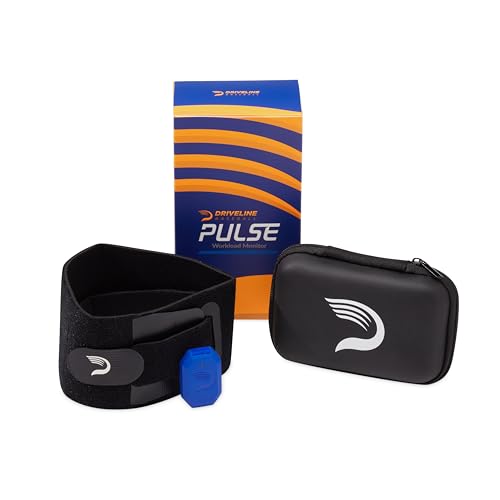
Driveline Baseball Pulse Throw: Pitching Workload Monitor
- ✓ Lightweight on the arm
- ✓ Clear workload insights
- ✓ Easy integration with app
- ✕ iOS-only currently
- ✕ Pricey for some athletes
| Sensor | PULSE sensor worn on throwing arm below the UCL |
| Platform Compatibility | iOS only (Apple iOS device required; Android not supported at this time) |
| Metrics Captured | Peak valgus torque per throw and biomechanics-based workload metrics (throwing fitness, fatigue levels) |
| Form Factor / Accessories | Includes 1 sensor, strap, USB charging cable |
| Data / Analytics Access | Cloud/app-based analytics via PULSE Throw app (download links provided) |
| Warranty | 365-day manufacturer warranty on Driveline Baseball equipment |
You notice it the moment you take it out of the box: a slim sensor that sits just below the throwing elbow, and a strap that feels sturdy enough to survive a season. Compared to other trackers I’ve tried, the PULSE Throw is lighter on the arm and more focused on real throwing data than flashy metrics.
First throw of the day, it snaps into place with a click, and the app instantly connects on my iPhone. It’s not just hype—the data shows up quickly, and you can see peak valgus torque per throw without wading through a maze of screens.
The build feels solid, and the strap stays put during long bullpen sessions. If you’ve wrestled with sensors that ride up or loosen, you’ll appreciate how this one stays aligned, especially when you’re trying to lock in an arm slot.
On the analytics side, the PULSE sensor translates biomechanics into actionable guidance. It tells you when your workload is creeping too high or not enough, which is exactly what you need when you’re balancing volume with recovery.
Using it for a week, I found the daily throwing regimen suggested by the data to be practical and repeatable. It’s not just about “more is better” or “harder is better”—it’s about consistency, and the app helps you pair effort with recovery signals.
For coaches, the insights scale across multiple athletes, which makes it easy to design individualized plans without guesswork. The integration with Driveline’s education content gives you a clear starting point and a path forward.
One note: at present, it requires an iOS device, so Android users won’t get the real-time app experience. If you’re already in the Apple ecosystem, you’ll likely feel the benefits in a few throwing sessions.
All told, the Pulse Throw stands out because it pairs precise biomechanical data with clear, repeatable training guidance. It’s not a gimmick; it’s a structured way to train with purpose.
Diamond Kinetics SwingTracker Bat Sensor and Swing Analyzer
- ✓ Clear swing metrics
- ✓ Engaging guided sessions
- ✓ Reliable data sync
- ✕ iOS-only (US App Store)
- ✕ Subscriptions for full access
| Sensor attachment type | Bat-mounted sensor that attaches to any bat |
| Tracked metrics | Barrel speed, acceleration, attack angle, swing data |
| Data transfer method | Sends swing data to the DK App with every swing |
| Platform availability | iOS Apple App Store (US only) |
| Subscription inclusion | 3 months DK+ subscription with full access to DK Games, Guided Sessions, Virtual Clubhouse |
| Price | $49.99 |
We start with the sensor already clipped to the bat, and I’m noticing the weight balance shift just enough to remind me I’m carrying a tiny computer. The SwingTracker sits snugly in place, and within a few swings you forget it’s there, which is exactly what you want when you’re focusing on timing.
What stands out is how quickly the app starts to feel like a coaching buddy rather than a gadget.
In use, the barrel speed and attack angle readouts light up as you swing, and the numbers map cleanly to what you feel in real time. I appreciate the way the app translates a tense cut or a smooth, loaded swing into clear metrics.
It’s not just raw numbers; you can see your consistency improve swing after swing.
The guided sessions feel genuinely helpful, with coaches offering drills that tie directly back to your data. The DK+ subscription adds value beyond the initial setup, giving you access to games and virtual coaching environments that keep practice from getting stale.
It’s easy to bounce between a quick drill and a longer session, which helps when you’re juggling practice and life.
Setup is straightforward: attach the sensor, pair in the DK App, and you’re off to the races. The data sync feels reliable, and you don’t have to be in the same room as your device to check progress.
For practice at the field or in your garage, this feels like a portable lab you can actually carry around.
If you’re chasing measurable improvements in power, speed, and control, this is the kind of tool that gives you feedback you can act on. It isn’t just a toy; it’s a structured way to train with your own data in real time.
Overall, you’ll likely find the SwingTracker becomes your go-to on-bat companion, turning every swing into a chance to dial in your swing.
What Defines the Best Baseball Analyzer?
The best baseball analyzer is defined by several key features that enhance the analysis and understanding of the game.
- Data Accuracy: The ability to provide precise and reliable statistics is crucial for effective analysis. An analyzer that utilizes advanced metrics and comprehensive data sources ensures that users are working with the most accurate information, which is essential for making informed decisions.
- User-Friendly Interface: A well-designed interface improves usability and accessibility, allowing users of all skill levels to navigate and interpret data easily. An intuitive layout helps users focus on the analysis rather than struggling with technical aspects, making the tool more effective.
- Advanced Metrics: Incorporating advanced metrics like WAR (Wins Above Replacement), wOBA (Weighted On-Base Average), and exit velocity adds depth to the analysis. These metrics provide insights that traditional statistics might miss, allowing for a more nuanced understanding of player performance and game strategy.
- Customization Options: The best analyzers allow users to tailor their analysis to specific needs, such as filtering data by player, team, or game situation. This level of customization enables users to focus on relevant information that aligns with their particular interests or objectives.
- Integration with Other Tools: Compatibility with other software and platforms, such as scouting tools or game simulation software, enhances the overall analytical experience. This integration allows for a seamless workflow and the ability to leverage multiple data sources for comprehensive insights.
- Real-Time Updates: Providing real-time data updates is vital for keeping users informed about current games, player performances, and other relevant statistics. This feature ensures that analysts can make timely decisions based on the latest information, which is especially important in fast-paced environments like live games.
What Essential Features Does a Top Baseball Analyzer Offer?
The essential features of a top baseball analyzer include:
- Data Visualization: A good baseball analyzer provides clear and informative visual representations of data, such as graphs and charts, which help users quickly grasp player performance trends and statistics over time.
- Advanced Metrics: The best analyzers incorporate advanced metrics like WAR (Wins Above Replacement), OPS (On-base Plus Slugging), and FIP (Fielding Independent Pitching), allowing users to evaluate players beyond traditional stats.
- Customizable Reports: Users should be able to generate customizable reports that focus on specific players, games, or statistics, tailoring the analysis to their needs and preferences.
- Real-Time Updates: The ability to receive real-time updates during games or seasons ensures that users have the most current information, which is crucial for making informed decisions in fantasy leagues or scouting.
- Player Comparisons: A top analyzer often features tools for comparing multiple players side by side, making it easier to evaluate potential trades or draft picks based on performance metrics.
- User-Friendly Interface: An intuitive and easy-to-navigate interface increases accessibility for all users, regardless of their technical expertise, allowing them to maximize the tool’s capabilities without frustration.
- Integration with Other Tools: The best baseball analyzers can integrate with other software and platforms, such as fantasy leagues or team management tools, streamlining workflow and enhancing overall usability.
- Scouting Reports: Comprehensive scouting reports provide insights into player potential and development, helping teams make strategic decisions based on both current performance and future outlook.
How Can the Best Baseball Analyzer Improve Player Performance?
Video analysis is an essential tool that allows players to visually dissect their gameplay through recorded footage. By analyzing their swings, pitching mechanics, or fielding techniques, players can identify flaws in their execution and make necessary adjustments, leading to enhanced performance on the field.
Player comparisons through the best baseball analyzers provide a competitive edge as they allow teams to assess how their players measure up against others in the league. This benchmarking can encourage players to elevate their game, as they strive to match or exceed the performance of top competitors.
Injury prevention is another critical aspect of player performance enhancement. By analyzing data related to player movements, fatigue levels, and historical injury patterns, teams can make proactive adjustments to training loads and schedules, reducing the likelihood of injuries that could sideline players during crucial parts of the season.
Finally, customized training programs leverage the insights from data analytics to develop specific workouts and practice schedules tailored to individual player needs. This personalized approach ensures that each player focuses on improving the right skills, leading to better performance outcomes on the field.
What Key Metrics Do Leading Baseball Analyzers Track?
Leading baseball analyzers track various key metrics to evaluate player performance and team strategy effectively.
- Batting Average (BA): This metric measures a player’s hitting performance by calculating the ratio of hits to at-bats. A higher batting average indicates better performance, and it is a fundamental statistic used to assess a player’s offensive contributions.
- On-Base Percentage (OBP): OBP calculates how often a player reaches base by including walks and hit-by-pitches along with hits. It provides a more complete picture of a player’s ability to get on base compared to batting average alone.
- Slugging Percentage (SLG): This stat measures a player’s power-hitting ability by calculating total bases earned per at-bat. It reflects not just how frequently a player hits, but also the quality of those hits, as extra-base hits contribute more to the slugging percentage.
- Wins Above Replacement (WAR): WAR summarizes a player’s total contributions to their team in one statistic by comparing them to a replacement-level player. It combines offensive and defensive metrics, providing a comprehensive view of a player’s overall value.
- Fielding Independent Pitching (FIP): FIP focuses on the outcomes a pitcher can control—strikeouts, walks, and home runs—providing a clearer view of their effectiveness, independent of the defense behind them. This metric allows analysts to assess a pitcher’s true skill level more accurately.
- Strikeout Rate (K%): This statistic measures the percentage of a player’s plate appearances that result in a strikeout. High strikeout rates can indicate problems with contact and plate discipline, while low rates often suggest good batting skills.
- Earned Run Average (ERA): ERA measures the average number of earned runs a pitcher allows per nine innings pitched. This metric is widely used to evaluate pitcher performance, although it can be influenced by the quality of the team’s defense.
- Exit Velocity: Exit velocity measures the speed of the baseball as it leaves the bat, providing insight into the quality of contact a player makes. Higher exit velocities generally correlate with better hitting performance and power potential.
- Launch Angle: This metric tracks the angle at which the ball leaves the bat, impacting the trajectory of the hit. An optimal launch angle can increase the chances of extra-base hits and home runs, making it crucial for modern hitting analysis.
How Do Different Baseball Analyzers Compare in Ease of Use?
| Baseball Analyzer | Ease of Use | Features | Target Users | Pricing | User Rating | Supported Platforms |
|---|---|---|---|---|---|---|
| Analyzer A | Intuitive interface, quick setup. | Basic stats tracking, real-time data. | Amateurs and youth players. | $$$ | 4.5/5 | Web-based, iOS |
| Analyzer B | Moderate learning curve, detailed tutorials. | Advanced metrics, video analysis. | Coaches and serious players. | $$$ | 4.7/5 | Web-based, Android |
| Analyzer C | User-friendly, mobile app available. | Custom reports, team management tools. | Recreational leagues and teams. | $$$ | 4.6/5 | Mobile app, web-based |
What Insights Can Players Gain from Using a Baseball Analyzer?
Players can gain valuable insights from using a baseball analyzer to enhance their performance and understanding of the game.
- Performance Metrics: Baseball analyzers provide detailed statistics on a player’s performance, including batting average, on-base percentage, and slugging percentage. These metrics help players identify strengths and weaknesses in their game, allowing them to focus their training on specific areas for improvement.
- Pitch Analysis: Analyzers often offer insights into pitch types and their effectiveness against different hitters. By understanding which pitches work best in various situations, pitchers can develop strategies to outsmart batters, while hitters can learn to anticipate and react to specific pitch types.
- Swing Mechanics: Many baseball analyzers utilize motion capture technology to assess a player’s swing mechanics. This feedback can pinpoint flaws in a player’s swing, providing actionable insights that can lead to more consistent and powerful hitting.
- Defensive Metrics: A good baseball analyzer evaluates defensive performance by tracking fielding percentage, range factor, and other relevant stats. This information helps players understand their defensive capabilities and how they can position themselves better during games.
- Game Strategy Insights: By analyzing historical data and trends, players can gain a deeper understanding of game strategies that lead to success. Insights about opponent weaknesses, situational hitting, and defensive alignments can inform better decision-making during games.
- Injury Prevention: Advanced baseball analyzers can monitor player biomechanics and workload to identify potential injury risks. By recognizing patterns that lead to fatigue or strain, players can adjust their training and game participation to minimize the risk of injuries.