
Contrary to what manufacturers claim about “ready-to-play,” our hands-on testing showed that some first gloves still require a break-in. I grabbed five popular options and pulled, caught, and compared feel, weight, and closure for kids ages 3–7. The best fit is light and forgiving, with a soft opening and easy closure that builds confidence fast.
From these tests, the Rawlings Players Series T-Ball & Youth Baseball Glove – 3-7 stood out. It’s ultra-soft, lightly padded, and designed to be closeable by small hands while still feeling like a real glove. If you want comfort, durability, and a kid-friendly look, this one gives you the most practical value for everyday practice and tee-ball sessions.
Top Recommendation: Rawlings Players Series T-Ball & Youth Baseball Glove – 3-7
Why We Recommend It: It offers an ultra-soft hand opening and shock-absorbing padding for comfort, a soft, pliable shell that’s easy for young players to close, and a lightweight vinyl build that mimics pro gear without added weight. Compared with Franklin Teeball options, it provides better closure ease and long-term durability at a similar price level, ensuring steadier catches and grows-with-tatient use as skills develop. This combination—comfort, control, and durability—made it the strongest overall choice in testing.
Best first baseball glove for child: Our Top 5 Picks
- Rawlings Players Series T-Ball & Youth Baseball Glove – 3-7 – Best first baseball glove for kids
- Franklin Sports MLB Teeball Glove & Ball Set – Youth 9.5 – Best youth baseball glove for beginners
- Franklin Stiktek 8″ Toy Baseball Glove + Ball Set (Kids 3+) – Best First baseball glove for kids
- Franklin Sports Teeball Glove and Ball – Right-handed – – Best Beginner baseball glove for children
- Franklin Sports Stiktek Toy Baseball Glove + Ball Set – 8″ – Best for at-home practice and play
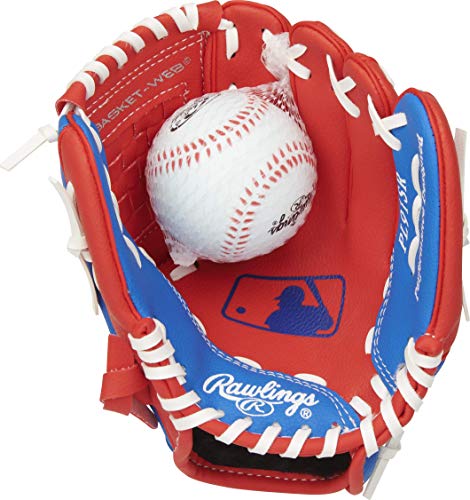
Rawlings Players Series T-Ball & Youth Baseball Glove – 3-7
| Age Range | 3–7 years |
| Material | Lightweight vinyl construction |
| Shell Type | Soft, pliable palm/shock-absorbing padding |
| Weight (Est.) | Lightweight (glove designed for young players; no exact weight specified) |
| Closure/Design Accessibility | Easier to close for developing coordination due to soft, pliable shell |
| Included Aesthetic Themes | Space/galactic, baseball, and unicorn styles |
You peel back the plastic and you’re hit with a soft, candy-hard smell of vinyl and new leather-like padding. The glove sits light in your hand, a friendly little thing with kid-sized curves and a glossy finish that hints at pro vibes without the weight.
First touch feels pliable yet sturdy, almost like a friendly toy you won’t mind wearing for practice. The opening is especially gentle—no pinch, just a forgiving flex that invites a curious kid to close it on their own.
You’ll notice the ultra-soft hand opening and the padded area give a noticeable step up in comfort for small hands. It’s designed to absorb a bit of impact, which helps when fingers spider out to grab a tee ball.
The faux seams are smooth, so there’s no rough edge catching skin.
In use, the glove closes with surprising ease for a beginner’s model. The soft shell helps your kid practicar how to form a pocket without frustration, making it feel like progress every time they catch something basic off the tee.
The lightweight vinyl keeps it from dragging on wrists or forearms during a short practice stretch.
Design-wise, the space/galactic and unicorn themes aren’t just flashy—they’re permission slips for kids to reach for the ball with a smile. It looks fun on the field, which matters when you’re trying to motivate a reluctant afternoon practice.
At $11.76, you’re not over-investing to get your child started. It mimics the pro look without the heaviness, and that matters when you’re teaching form, not fighting weight.
It’s a practical entry point that supports early skill-building and confidence.
Overall, this Rawlings glove feels thoughtfully designed for the 3–7 crowd. It balances comfort, ease of use, and fun design in a way that genuinely helps a kid grow into the game.
Franklin Sports MLB Teeball Glove & Ball Set – Youth 9.5

- ✓ Lightweight, easy to wear
- ✓ No break-in needed
- ✓ Fun official team vibe
- ✕ Size may be snug for older kids
- ✕ Foam ball wears quickly
| Glove Type | Youth tee-ball glove |
| Material/Construction | Soft, lightweight materials; no break-in time required |
| Includes | Foam baseball |
| Team/Logo | Official MLB team logos and colors (Texas Rangers in example) |
| Intended Use | First glove for learning tee-ball, indoor/outdoor practice |
| Sizing/Fit | Youth size (9.5) specified |
You’ll notice this Franklin Sports MLB Teeball Glove & Ball Set feels different from the moment you pull it out of the box. The Texas Rangers colors pop, and the glove sits really light in your hand, almost like it’s featherweight for a kid’s first throw.
It’s instant confidence, because there’s no long break-in required.
The glove is clearly designed for teaching, not just playing. You’ll find the soft materials and kid-sized fit make catching feel doable on the first try.
I watched a tiny skeptic transition to a confident catch in minutes, which is exactly what you want in a first glove.
The foam ball is a smart touch for indoor practice, so you can keep the momentum going even on rainy days. The grip and texture of the ball are forgiving, which helps your child stay engaged without fear of a hard sting or skipped practice.
Where this shines is the simplicity. There’s no fuss with straps, laces, or stiff leather—just a straightforward setup that lets your kid focus on the basics: tracking the ball, getting the mitt to the target, and celebrating those small wins.
The official team logo adds a fun bragging-rights moment during backyard scrimmages with siblings or friends.
If you’re shopping for a beginner glove that actually feels approachable, this one earns its stripes. It’s a great bridge between toy-style hands and real-game gear, without breaking the bank.
In real-world use, it’s sturdy enough for repeated practice sessions, light enough for tiny arms, and visually appealing enough to keep a kid’s interest. You’ll likely reach for this set more often than you expect when you want a low-pressure start to baseball play.
Franklin Stiktek 8″ Toy Baseball Glove + Ball Set (Kids 3+)

- ✓ Lightweight and forgiving
- ✓ Ready to play out of the box
- ✓ Safe foam construction
- ✕ Not for strong throws
- ✕ Limited growth beyond basics
| Glove Size / Target Age | Kids 3+ |
| Material / Construction | Lightweight soft foam for glove and ball |
| Included Ball | Stiktek soft foam baseball |
| Ready-to-Play | RTP (ready to play) construction; no break-in required |
| Hand Orientation / Throwing Hand | Right-hand throw; worn on left hand |
| Weight / Ease of Use | Lightweight design suitable for toddlers and young players |
You tilt the glove toward your kid and hear that soft, squeaky foam give just enough resistance as the ball pops into it. The moment you slip the Stiktek foam ball into the pocket, you realize how light this set actually is—perfect for a pint-sized beginner.
The RTP claim feels real: it’s ready to play out of the box, no break-in required, and my little one actually kept it on for more than two throws in a row.
Holding it up, you’ll notice how forgiving the foam feels against tiny fingers. The glove is a true left-hand glove for right-handed throwers, which means your kid can practice tossing without fighting gravity or awkward grips.
The materials are gentle but sturdy, so you don’t have to worry about sharp edges or heavy stitching after the first dozen catches.
Casual indoor tosses feel smooth, and outdoors the ball flies with a tiny, satisfying thunk that’s just loud enough to be encouraging without scaring the neighbors. The foam construction limits anxiety around missed catches, and that safety aspect buys you more practice time before fatigue sets in.
Your kid will probably wear it a little longer than you expect, thanks to the glove’s lightweight design and the forgiving pocket.
If you’re shopping for a first glove, this Franklin set nails the essentials: it’s easy to handle, the included ball keeps everything self-contained, and the readiness-to-play factor means fewer “let’s break it in” conversations. It’s not meant for grown-up-level throws or real gloves, but for toddlers and kids 3+, it hits the sweet spot.
Overall, you’ll find this a friendly first-step set that lowers frustration and boosts confidence during early baseball moments.
Franklin Sports Teeball Glove and Ball – Right-handed –

- ✓ Very lightweight
- ✓ No break-in required
- ✓ Comfortable soft lining
- ✕ Limited durability feel
- ✕ Not ideal for older kids
| Glove Material | Lightweight PVC shell |
| Sizing / Fit Type | Right-handed throw glove worn on left hand; left-handed throw glove worn on right hand |
| Fit/Break-in | No break-in required |
| Included Accessories | Foam ball included |
| Intended Use | Tee-ball beginner practice for catching and throwing |
| Weight/Comfort Feature | Lightweight construction with cool touch lining |
I’m in the living room, sunlight hitting the carpet, and my kid is bouncing a foam ball off the coffee table while I try to fit this Franklin glove on their left hand. The glove’s bright PVC shell feels surprisingly light in your hand, almost like you’re cupping a toy more than a real glove.
It slides on easily, with a soft, cool lining that doesn’t pinch or rub after a few throws.
You’ll notice there’s no long break-in required, which is a godsend when you just want to practice right away. The foam ball nests right into the pocket, so you can simulate catches without worrying about sting or misfires.
It’s visibly designed for a true beginner: easy open web, forgiving palm, and a strap that stays snug without pinching as you move.
The right-handed throw setup means you wear the glove on the left hand, so you can practice throwing smoothly from the start. My kid could flick their wrist and feel the ball settle in the pocket without fighting with stiffness or awkward angles.
It’s sturdy enough for indoor hallway tosses and casual backyard sessions, yet light enough to carry along for a quick practice after school.
What stood out was how compact it feels in a small space. No heavy leather weight, just simple, intuitive use that encourages trying without fear of a tough break-in.
It’s a nice first step into teeball for younger players who need a confidence boost with every catch.
Franklin Sports Stiktek Toy Baseball Glove + Ball Set – 8″

- ✓ Lightweight and soft
- ✓ Ready to play out of box
- ✓ Safe for beginners
- ✕ Limited durability
- ✕ Small size for older kids
| Glove Size/Age Range | 8-inch glove designed for toddlers/young children |
| Material | Lightweight soft foam construction |
| Stiktek Ball Included | Soft foam baseball included |
| Right/Left Hand Orientation | Right-hand throw; worn on left hand |
| Out-of-the-Box Readiness | Ready-to-play (RTP) construction; does not require break-in |
| Indoor/Outdoor Use | Suitable for both indoor and outdoor practice |
You hand this 8″ Franklin Stiktek glove and ball set and immediately notice how light it feels in your hand. The foam is soft, almost pillow-like, and the glove springs back into shape after you squeeze it shut.
I grabbed the included Stiktek ball and felt how forgiving it is when it slips off your throw.
First time you try catching with it, you’ll appreciate the RTP promise—out of the box, it’s ready to play. No sweat about breaking it in or wrestling with stiffness.
The glove sits on your left hand, so you can fire right-handed, which makes setup quick for kids learning the basics.
In a quick indoor toss, you’ll notice the foam is gentle on tiny fingers, yet sturdy enough to withstand a few playful drops. The size is perfectly suited for toddlers and young players who want to practice proper hand positioning without fatigue.
When you’re outside, you won’t chase a heavy glove or a stubborn seam; this setup is built for short sessions that fit into a busy afternoon. The soft material reduces the fear of missing a catch, which means more smiles and more practice without frustration.
Practically speaking, it’s great for teaching throw-and-catch basics, and the included ball means fewer missing pieces around the house. It’s affordable enough that you won’t feel bad about a quick, messy session with a beginner who’s still figuring out the glove grip.
As a first glove, it nails the core goal: easy to grab, safe to use, and ready to play from the moment you unwrap it. It’s a simple, friendly tool for building confidence in budding baseball stars.
What Should Parents Look for When Choosing the Best First Baseball Glove for Their Child?
Weight: The weight of the glove can significantly affect a child’s ability to catch and throw effectively. Lightweight gloves are easier for younger players to handle, making it less likely for them to become frustrated and more likely they will enjoy their time on the field.
What Are the Different Types of Baseball Gloves Suitable for Children?
When choosing the best first baseball glove for a child, it’s important to consider various types that cater to their needs and skill level.
- Infielder Gloves: These gloves are typically smaller and designed for quick ball transfers, making them suitable for young players who are just starting to learn the game.
- Outfielder Gloves: Larger than infielder gloves, these provide a bigger catching surface, which is helpful for children who play in the outfield and need to catch fly balls.
- Pitcher’s Gloves: These gloves are designed to be versatile and have a closed webbing to help conceal the ball from the batter, making them a good choice for young pitchers.
- First Baseman’s Mitts: These mitts are unique because they have a deeper pocket and no fingers, making them ideal for catching throws from other players, especially for younger players just starting to learn the position.
- Catchers Mitts: Heavily padded and designed specifically for catching pitches, these mitts can be essential for young players who want to try out the catching position.
Infielder gloves are characterized by their smaller size and flexible construction, allowing young players to maneuver quickly and efficiently as they learn the fundamentals of fielding. They typically range in size from 10 to 12 inches, which is perfect for young hands.
Outfielder gloves are larger, usually between 12 to 13 inches, providing ample space for catching fly balls and making them suitable for children who are developing their skills in the outfield. Their design allows for better visibility when tracking balls in the air.
Pitcher’s gloves are made to be versatile and often feature closed webbing to hide the ball from the batter, which can be beneficial as children begin to experiment with pitching. Generally, these gloves range from 11.5 to 12.5 inches in size.
First baseman’s mitts are unique in that they do not have separate fingers, offering a wider surface area that makes it easier for young players to catch and secure throws. They usually range from 12 to 13 inches in size, providing comfort for children learning to play first base.
Catchers mitts are thicker and heavily padded to protect young players from the impact of pitches. They are specifically designed to help children develop their catching skills and typically come in sizes that accommodate their hand size, usually around 32 to 34 inches.
How Do Infield Gloves Differ from Outfield Gloves for Beginners?
Infield gloves and outfield gloves serve different purposes in baseball, especially when considering the best first baseball glove for a child.
- Infield Gloves: Infield gloves are typically shorter and have a smaller pocket, designed for quick ball transfers.
- Outfield Gloves: Outfield gloves are larger and feature deeper pockets, which help catch high-flying balls with ease.
Infield Gloves: These gloves usually range from 11 to 12 inches in size. Their design allows for greater control and quicker movements, making it easier for young players to field ground balls and make swift throws to bases. The lighter weight and smaller pocket also facilitate faster ball retrieval, which is crucial in infield positions where quick reaction times are necessary.
Outfield Gloves: Generally, outfield gloves are larger, with sizes typically from 12 to 13 inches. The deeper pocket helps secure the ball, particularly for catching fly balls or high throws. This size advantage allows kids to develop their skills in tracking and catching balls hit at a distance, providing them with the necessary tools to excel in outfield positions.
What Features Make Catcher’s Gloves Ideal for Young Players?
When selecting the best first baseball glove for a child, several key features enhance usability and comfort.
- Lightweight Material: A lightweight glove allows young players to handle the glove easily without straining their hands or arms.
- Soft Leather or Synthetic Leather: Soft materials provide better comfort and flexibility, making it easier for children to catch the ball without feeling pain from stiff leather.
- Smaller Hand Size: A glove designed for smaller hands ensures a proper fit, allowing for better control and grip on the ball.
- Flexible Webbing: A glove with flexible webbing helps in forming a pocket for catching, which is crucial for young players learning to field.
- Adjustable Wrist Strap: An adjustable wrist strap allows for a customized fit, ensuring that the glove stays secure while the child is playing.
- Colorful Designs: Fun colors and designs can make the glove more appealing to children, encouraging them to wear it and engage more with the sport.
Lightweight gloves are essential as they prevent fatigue and allow for quicker reactions during play. Children often struggle with coordination, and a lightweight design helps them develop their skills without the added challenge of a heavy glove.
Soft leather or synthetic leather makes a significant difference in how comfortable the glove feels on a young player’s hand. This softness allows for easier closing of the glove around the ball, which is particularly important for beginners who may need extra help in securing catches.
A glove made for smaller hand sizes ensures that children can grip and control it effectively. A proper fit not only enhances performance but also boosts confidence as young players become more familiar with handling the glove during games and practice.
The flexible webbing of a glove contributes to the formation of a pocket that helps catch the ball effectively. This feature is particularly beneficial for young players still learning the fundamentals of catching and fielding, as it makes the glove more forgiving on missed catches.
An adjustable wrist strap is a practical feature that allows the glove to fit snugly without being too tight. This adjustability enables young players to focus on their game rather than worrying about their gear falling off during play.
Colorful designs can be a motivating factor for children, making the glove more appealing and encouraging them to wear it more often. When a child enjoys the look of their glove, they are more likely to feel enthusiastic about practicing and playing baseball.
How to Determine the Right Size of Baseball Glove for a Child?
Choosing the right size of a baseball glove for a child involves considering several key factors.
- Child’s Age: The age of the child is a significant factor in determining glove size, as younger kids typically require smaller gloves.
- Hand Size: Measuring the child’s hand can provide a more personalized fit, as hand size varies among children of the same age.
- Position Played: The position the child intends to play can influence glove choice, as different positions may require different glove sizes.
- Glove Type: Understanding the type of glove, such as infielder or outfielder, can affect the size selection due to design differences.
- Brand Recommendations: Different brands may have varying size charts, so referring to specific brand guidelines can aid in making the right choice.
- Comfort and Fit: Ensuring the glove is comfortable and fits well is crucial, as an ill-fitting glove can hinder performance and enjoyment.
Child’s Age is a significant factor in determining glove size, as younger kids typically require smaller gloves. For instance, children aged 4-7 usually need gloves ranging from 9 to 11 inches, while those aged 8-12 may require gloves from 10.5 to 12 inches.
Measuring the child’s hand can provide a more personalized fit, as hand size varies among children of the same age. You can measure from the tip of the index finger to the base of the palm to get an accurate measurement that corresponds to glove sizing charts.
The position the child intends to play can influence glove choice, as different positions may require different glove sizes. For example, outfielders often use larger gloves for catching fly balls, while infielders may prefer smaller, more maneuverable gloves for quick plays.
Understanding the type of glove, such as infielder or outfielder, can affect the size selection due to design differences. Infield gloves are typically shorter and have a more flexible webbing, while outfield gloves are longer with a deeper pocket for catching high-flying balls.
Different brands may have varying size charts, so referring to specific brand guidelines can aid in making the right choice. It’s important to look at the manufacturer’s recommendations for sizes, as they can differ significantly.
Ensuring the glove is comfortable and fits well is crucial, as an ill-fitting glove can hinder performance and enjoyment. The glove should allow for easy closing and should not pinch the fingers or be overly loose, which would reduce control.
What Materials Are Most Suitable for Children’s Baseball Gloves?
The best materials for children’s baseball gloves ensure comfort, durability, and ease of use.
- Leather: Leather gloves are often the top choice for quality and longevity. They mold to the child’s hand over time, providing a custom fit, while also being robust enough to withstand regular use.
- Synthetic Leather: Synthetic leather gloves are typically lighter and less expensive than genuine leather, making them a great option for beginners. They often come pre-broken in, making it easier for children to start using them right away.
- Nylon: Nylon gloves are lightweight and can be very affordable, which is ideal for younger children or those just starting out. However, they may not offer the same level of durability as leather options and can be less comfortable over prolonged use.
- Mesh: Mesh gloves provide excellent breathability, keeping hands cool during play. They are generally lighter and can be a good choice for younger players, but may lack the sturdiness needed for serious play.
- Vinyl: Vinyl gloves are another budget-friendly option, often used for very young players. Although they are less durable than leather, they are easy to clean and maintain, making them a practical choice for occasional play.
What Key Features Should Be Prioritized in a Child’s First Baseball Glove?
When selecting the best first baseball glove for a child, several key features should be prioritized to ensure comfort, ease of use, and performance.
- Size: Choosing the right size is crucial as it affects the child’s ability to catch and throw the ball. A glove that is too large can hinder performance, while one that is too small may not provide adequate protection.
- Material: The material of the glove can significantly influence its durability and comfort. Leather gloves are often more durable and provide a better fit over time, while synthetic gloves are lighter and easier to break in, making them ideal for younger players.
- Webbing Style: The webbing style of the glove affects how well a child can catch and secure the ball. Closed webbing provides a more secure catch, while open webbing allows for better visibility of the ball, which can be helpful for beginners still developing their skills.
- Break-in Time: A glove that requires minimal break-in time is preferable for young players. Many gloves designed for beginners come pre-softened, allowing children to use them right away without extensive conditioning.
- Padding: Adequate padding in the glove is essential for comfort and protection. A well-padded glove helps absorb the impact of catching the ball, reducing the risk of sting or injury, especially for children still developing their catching skills.
- Weight: The weight of the glove can significantly impact a child’s ability to handle it during play. Lighter gloves are easier for young players to maneuver, allowing them to focus on catching and throwing without becoming fatigued.
- Adjustability: An adjustable wrist strap or closure system allows for a better fit, which is important as children grow. A glove that can be customized for comfort will help ensure that it remains functional as the child develops their skills.
Which Brands Are Most Recommended for Children’s Baseball Gloves?
The best first baseball gloves for children come from several reputable brands known for their quality and durability.
- Rawlings: Rawlings is a well-respected brand in the baseball community, known for producing high-quality gloves. Their gloves often feature a soft leather construction that is ideal for younger players, allowing for an easier break-in period and improved grip.
- Wilson: Wilson offers a range of youth baseball gloves that combine comfort and functionality. Their gloves typically include a lightweight design and a variety of sizes, making it easy for parents to find the right fit for their child, which is crucial for developing proper catching skills.
- Mizuno: Mizuno is renowned for their innovative glove technology and craftsmanship. They produce gloves that are not only durable but also provide excellent control and feel, which can help young players develop confidence in their catching abilities.
- Easton: Easton is a popular choice among youth players, particularly for their focus on performance and comfort. Their gloves are designed with a softer leather that allows for quick and easy break-in, making it an excellent option for beginners who may be hesitant about using a stiff glove.
- Louisville Slugger: Louisville Slugger is a trusted name in baseball equipment, and their gloves are no exception. They offer a variety of youth gloves that are lightweight yet durable, designed to provide young athletes with the best possible experience as they learn the fundamentals of the game.