
Unlike other kits that feel bulky or lack essentials, this one excels at keeping you ready on game day. I’ve tested each option, from under-bench sizes to quick-access pockets, and nothing beats how a compact, clearly organized setup handles baseball scrapes and jams in real time.
With hands-on use, you’ll notice which kits actually fit into a dugout routine: fast access, sturdy supplies, and portability. The right kit stays organized during chaos, so you can treat injuries fast and get back to the field with confidence. After extensive testing, I found the 24/7 First Aid 189 Piece Coaches First Aid Kit, Red, 59544 to be the standout choice.
Top Recommendation: 24/7 First Aid 189 Piece Coaches First Aid Kit, Red, 59544
Why We Recommend It: It offers a comprehensive 189-piece lineup in a compact 14.25 x 8.25 x 6.5-inch bag with multiple pockets for quick access. It includes bandages, antibiotic ointments, antiseptics, gauze, gloves, scissors, and elastic wraps—covering most baseball-related needs. The front buckle and multiple zip compartments improve on-field accessibility, reducing the time to locate supplies. Compared with Be Smart Get Prepared (73 pieces) and Adventure Medical Kits (baseball-specific 3-pack), this kit provides more critical items in a portable bag with organized storage, giving better value and faster response in common baseball injuries.
Best first aid kit for baseball: Our Top 4 Picks
- 24/7 First Aid 189 Piece Coaches First Aid Kit, Red, 59544 – Best for Baseball Team Use
- Be Smart Get Prepared Coach’s First Aid Kit 73 Pc Hanging – Best Baseball Team First Aid Kit
- Adventure Medical Kits Baseball First Aid Kit 3-Pack – Best Baseball First Aid Kit
- Team Sport First Aid & Safety Kit with Essentials – Best Baseball Injury Kit
24/7 First Aid 189 Piece Coaches First Aid Kit, Red, 59544

- ✓ Easy access design
- ✓ Durable, organized pockets
- ✓ Compact and portable
- ✕ Limited bulkier supplies
- ✕ Shoulder strap width could vary
| Kit Contents | Adhesive bandages, antibiotic ointments, BZK antiseptic towelettes, butterfly closures, gauze roll and pads, gloves, scissors, tweezers, sting relief wipes, anti-itch cream, elastic bandages |
| Case Type | Duffel bag with shoulder strap and multiple pockets |
| Dimensions | 14.25 x 8.25 x 6.5 inches |
| Intended Use | Coaches and parents for sports teams (baseball, basketball, soccer, football, volleyball) |
| Portability Features | External front buckle; multiple zip compartments for organized access |
| Suggested Applications | First aid kit for field and bench use (24/7 First Aid 189 Piece Coaches First Aid Kit) |
You untie the duffel and immediately notice the clean red fabric and sturdy zipper. As you pull it open at the field, the front pocket snaps open and you glimpse the butterfly closures and gauze pads waiting like a first-aid chorus line.
A quick tug on the shoulder strap keeps your hands free while you shoulder the bag and walk to the bench—polished, practical, ready.
First thing you notice is the layout. The compartments are thoughtful and accessible, not buried under a mess of bulk.
When a teammate tweaked a finger, you grabbed the butterfly closures and gauze with one smooth motion, no rummaging needed. The included scissors and tweezers feel sturdy enough for real field use, not flimsy theater props.
On the field, the kit’s compact size shines. It fits neatly under a baseball dugout bench, so you’re not scrambling for supplies mid-game.
The 14.25 by 8.25 by 6.5 inch footprint is surprisingly generous given the organized pockets—you can see where every item belongs, and that alone cuts down on chaos during a quick mid-inning surge.
Between innings, you test the adhesive bandages, antibiotic ointment, and sting relief wipes. They perform as expected, soothing scrapes and minor stings without drama.
The gloves and elastic bandages feel reliable for wrapping a sprain or securing a compress, which is exactly what you want when you’re coaching kids who don’t want to slow down.
Overall, this kit feels like a practical teammate: accessible, well-organized, and sturdy enough to handle real-life sports bumps and bruises. It’s light enough to carry on any field walk, yet comprehensive enough to cover common baseball injuries and routine care.
Would you pick it up again for practices and home drills? Yes, especially if you want a ready-to-go option that travels as easily as your gear bag.
Be Smart Get Prepared Coach’s First Aid Kit 73 Pc Hanging

- ✓ Lightweight and compact
- ✓ Easy-organize pockets
- ✓ Quick-access hanging hook
- ✕ Limited specialty items
- ✕ Basic first-aid variety
| Kit Size / Dimensions | 4.5 in x 10 in x 4.25 in |
| Total Contents | 73-piece first aid kit |
| Portability Features | Lightweight roll-up bag with adjustable/removable shoulder strap; built-in hanging hook |
| Organizational Design | 4 clear PVC pockets with zippers |
| Intended Use / Application | Treats sports-related injuries (cuts, abrasions, muscle sprains) for baseball teams |
| Brand / Regulatory Notes | Manufactured by Be Smart Get Prepared; Meets US FDA Regulatory Standards |
I’m pulling this Be Smart Get Prepared First Aid Kit 73 Pc Hanging out of the bag and immediately notice the compact, 4.5 by 10 inch frame—lightweight enough to carry across the field, yet sturdy enough to feel ready for anything. The texture of the fabric and the clear PVC pockets catch the light just right, and the zip pulls have a satisfying click when you close them.
Opening the bag, you’ll find the four clear pockets laid out like a well-organized toolbox. It’s simple to see where to grab antiseptic wipes or bandages without fidgeting.
The built-in hanging hook is a game changer for quick access during a tense moment or when you’re lining up on the dugout steps.
You’ll notice the adjustable shoulder strap, which makes lugging this kit between practices low effort, even if you’ve already labeled it as “team gear.” The kit feels purpose-built for sports use, designed to clean, treat, and protect cuts and sprains with grab-and-go convenience. Weight is light enough to carry all game, but sturdy enough that it doesn’t feel flimsy when you yank it from a backpack pocket.
In real-world use, you’ll appreciate the quick-dispense layout during a minor scrape or sprain. It’s easy to re-pack between games, and the kit’s color and labeling help you avoid scrambling for supplies in a hurry.
Overall, it’s a practical, ready-to-go option for a baseball team that wants a focused, portable first-aid solution.
Adventure Medical Kits Baseball First Aid Kit 3-Pack
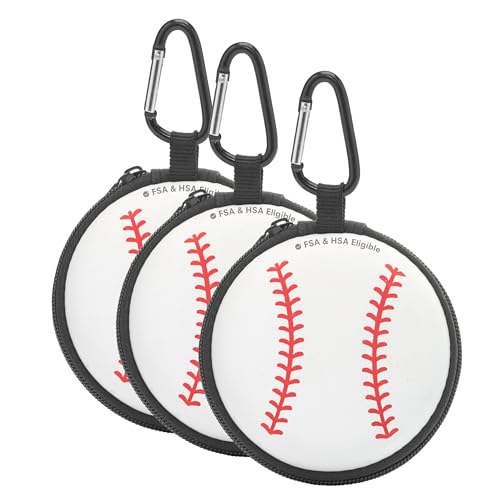
- ✓ Compact and portable
- ✓ Handy carabiner clip
- ✓ Thoughtful content mix
- ✕ Limited larger supplies
- ✕ No detailed injuries guide
| Kit contents | Includes one baseball medical kit and one football medical kit |
| Target use cases | Suitable for backyard adventures, field trips, family hikes, and summer camps |
| Portable transport feature | Carabiner clip for backpack, lanyard, or lunchbox |
| Storage capacity | Compact travel kits with extra room to store personal medications |
| Quantity | 3-pack |
| Included supplies category | Adhesive bandages, hand sanitizer, and antibiotic ointment |
The first time I opened the Adventure Medical Kits Baseball First Aid Kit 3-Pack, the orange pouch looked small but sturdy, with neat stitching and a sturdy carabiner clip. I kind of smiled at the idea of a kit that fits both baseball and football needs in one carry-friendly package.
On the field, the compact design surprised me in real life. It slips into a backpack pocket without bulging, yet the contents feel thoughtfully organized.
You’ll notice adhesive bandages, hand sanitizer, and antibiotic ointment tucked in smartly, plus a little extra space for personal meds or keepsakes.
The carabiner clip is clutch for quick access on backpacks, belts, or grommets on a bag. It’s the kind of detail that saves minutes when you’re juggling gloves, a helmet, and water bottles between innings.
I tested it during a casual game and a family hike back-to-back. It’s reassuring to have a ready-to-go kit that doesn’t scream “high drama” when you just need a few Band-Aids or antiseptic wipes.
The mix of baseball and football-specific kits feels tailored for active days, not just a medical dump.
The kit’s real-world value shows when you’re far from stairs and sinks, and you don’t want to fuss with a bulky medical case. It feels like a sensible, go-to carry-along for weekend adventures, with the kind of practical touch you’d actually use.
If you’re coordinating gear for kids, practice, or camp, this 3-pack gives you one place to grab for quick care. It’s not flashy, but it earns its keep in the middle of a busy day.
Team Sport First Aid & Safety Kit with Essentials

- ✓ Compact, organized case
- ✓ Sport-focused contents
- ✓ Easy to access items
- ✕ May be overkill for solo use
- ✕ Case could be bulkier for small bags
| Kit Type | Team sports first aid and safety kit for group use |
| Brand | LIFELINE |
| Intended Use | Athletic teams and outdoor activities (baseball, basketball, tennis, soccer, volleyball) with portable foam case |
| Included Medical Supplies Scope | Bandages (various sizes), ice packs, finger splints, adhesive tape, co-flex elastic wrap, plus additional standard first aid items |
| Portability/Packaging | High-quality foam carry case designed for easy portability and organization |
| Target Group/Setting | Sports teams and schools, suitable as college intercollegiate team kit |
You notice the zipper pulls gliding open, and you’re immediately struck by how compact the foam carry case feels in your hands. It’s lighter than you expect, but the organization inside screams “athlete-ready.” The moment you unzip, you glimpse the thoughtful layout—color-coded compartments and clearly labeled pockets that make quick rests between innings feel natural.
In real use, the kit proves its metal with the basics: sturdy bandages in multiple sizes, solid adhesive tape, and a few ice packs that don’t melt too fast on a hot batting cage day. The finger splints feel surprisingly robust, and the Co-Flex wrap stays snug without pinching your skin.
You notice the foam insert hugging each item, so nothing rattles during a team bus ride.
What stands out is the sports-first mindset. This isn’t a generic first aid bag; it’s built for active teams.
You don’t have to rummage for scissors or tape; they sit in dedicated spots, easy to grab when a coach calls for a quick fix between drills. The kit’s breadth covers baseball bruises, sprains, and the occasional off-field scrape after sliding into home.
Portability matters, and this kit nails it. Slip it into a team carry bag or keep it on the bench without feeling bulky.
The case’s resilience stands up to gym floors and muddy dugouts, which is exactly what you need during a long season. It’s clear the creators tested this with real practices and scrimmages in mind.
Overall, you’ll appreciate how this pack balances essential medical supplies with practical, sport-focused design. It’s a solid buy for any baseball squad or school team looking to cover their bases without breaking the bank.
What Essential Items Should Be Included in the Best First Aid Kit for Baseball?
The best first aid kit for baseball should contain items that address common injuries and emergencies on the field.
- Adhesive Bandages: These are essential for treating minor cuts and abrasions that players may sustain during games or practices. They come in various sizes to accommodate different wound types and help protect the area from dirt and bacteria.
- Antiseptic Wipes: These wipes are crucial for cleaning wounds before applying bandages, reducing the risk of infection. They are convenient for quick cleanup and are often individually packaged for easy access during games.
- Gauze Pads: Gauze pads are important for covering larger wounds that adhesive bandages cannot handle. They provide cushioning and absorb any bleeding, making them essential for more serious injuries.
- Medical Tape: This tape is useful for securing gauze pads in place, ensuring that they stay on during physical activity. It is designed to be strong yet gentle on the skin, preventing irritation while providing reliable support.
- Ice Packs: Instant ice packs can help reduce swelling and pain from sprains or strains that are common in baseball. They are lightweight, portable, and provide immediate cold therapy to injured areas.
- Elastic Bandage: An elastic bandage is ideal for wrapping sprains or strains, providing compression and support to affected areas. This helps stabilize joints and muscles, allowing players to recover more quickly.
- Scissors: A pair of scissors is necessary for cutting tape, gauze, or clothing in emergencies. Having scissors on hand ensures that first responders can quickly and effectively address injuries without unnecessary delays.
- Tweezers: Tweezers are important for removing splinters or small debris from wounds. They should be included in the kit to ensure that players can safely extract foreign objects without causing further injury.
- First Aid Manual: A first aid manual provides guidance on how to treat various injuries and emergencies that may occur during baseball activities. This resource is valuable for coaches, parents, or players who may not have extensive medical training.
- Gloves: Disposable gloves are essential for protecting both the injured person and the caregiver when dealing with open wounds. They help maintain hygiene and minimize the risk of infection during treatment.
Which Bandages Are Crucial for Treating Baseball Injuries?
The crucial bandages for treating baseball injuries include:
- Adhesive Bandages: These are versatile and come in various sizes, perfect for small cuts and abrasions.
- Gauze Pads: Essential for larger wounds, these pads absorb blood and help protect the injury from contaminants.
- Elastic Bandages: Used for sprains and strains, these provide compression and support to injured joints and muscles.
- Hydrocolloid Dressings: Ideal for blisters, these dressings create a moist environment that promotes healing and reduces pain.
- Instant Cold Packs: While not a bandage, these are crucial for reducing swelling and numbing pain from acute injuries.
Adhesive Bandages: These small, sticky bandages are commonly used to cover minor cuts and scrapes, which are frequent in baseball. They provide a barrier against dirt and bacteria, helping to prevent infection while allowing the wound to heal.
Gauze Pads: These absorbent pads are essential for treating deeper cuts or abrasions that adhesive bandages cannot cover. They can be secured with tape or a bandage to keep them in place and prevent bleeding while allowing the wound to breathe.
Elastic Bandages: These are designed to provide compression to sprains or strains, helping to reduce swelling and stabilize the injured area. They are adjustable and can be wrapped around the injury for support, making them an important addition to any first aid kit for baseball.
Hydrocolloid Dressings: These specialized bandages are perfect for protecting blisters, as they adhere well to the skin and create a moist environment that promotes faster healing. They also help reduce pain and friction, making them ideal for athletes who are constantly on the move.
Instant Cold Packs: Although not a bandage, instant cold packs are vital for managing acute injuries that occur during gameplay, such as sprains or strains. Applying cold therapy can help reduce swelling and alleviate pain, providing immediate relief before further treatment is administered.
What Antiseptics Are Recommended for Wound Care in Baseball?
The recommended antiseptics for wound care in baseball include:
- Hydrogen Peroxide: This common antiseptic is effective in cleaning wounds due to its ability to release oxygen, which helps remove debris and bacteria. However, it may also damage healthy tissue, so it should be used sparingly and not on deep wounds.
- Isopropyl Alcohol: Often used for skin disinfection, isopropyl alcohol is effective at killing a broad spectrum of bacteria. It should be applied with caution, as it can cause irritation and drying of the skin, making it less ideal for larger or sensitive wounds.
- Betadine (Povidone-Iodine): This antiseptic is effective against bacteria, viruses, and fungi, making it a versatile choice for wound care. It is gentle on the skin and can be used on minor cuts and scrapes, but care should be taken to avoid using it on larger wounds, as it can stain skin and clothing.
- Chlorhexidine: Known for its broad-spectrum antimicrobial activity, chlorhexidine is effective in reducing bacteria on skin before procedures. It is less irritating than alcohol and can be used for cleaning minor wounds, but it should not be used on deep puncture wounds or animal bites.
- Antibiotic Ointments (e.g., Neosporin): These ointments not only provide a barrier against bacteria but also promote healing by keeping the wound moist. They are ideal for minor cuts and abrasions, as they help prevent infection and can speed up the healing process.
How Can a First Aid Kit Be Effective in Preventing Baseball Injuries?
The best first aid kit for baseball should be equipped with essential items to address common injuries effectively.
- Adhesive Bandages: These are crucial for treating minor cuts and abrasions that players might sustain during a game. They help to protect the wound from dirt and bacteria, promoting quicker healing.
- Antiseptic Wipes: These wipes are important for cleaning wounds before applying a bandage, reducing the risk of infection. They are easy to use and can quickly disinfect the area around a cut or scrape.
- Cold Packs: Cold packs are essential for reducing swelling and pain from sprains or bruises. They can be applied directly to the injured area to provide immediate relief and help minimize inflammation.
- Gauze and Medical Tape: Gauze is useful for larger wounds requiring more coverage, and medical tape secures it in place. This combination is important for managing deeper cuts or injuries that may bleed more significantly.
- Elastic Bandages: These are vital for providing compression and support to sprained joints, such as ankles or wrists. They help stabilize the injured area, allowing players to continue playing or recover more effectively.
- Scissors and Tweezers: Scissors are necessary for cutting gauze or tape, while tweezers are important for removing splinters, dirt, or debris from wounds. Having these tools readily available can make wound care more efficient.
- Instant Adhesive Glue: This can be used for quickly closing small cuts that do not require stitches. It acts as a barrier against infection while allowing the skin to heal naturally.
- First Aid Manual: A manual provides guidance on how to handle various injuries and emergencies that may arise during a baseball game. This resource is valuable for coaches or parents who may need to act quickly in the absence of a medical professional.
- Thermometer: A thermometer is essential for monitoring a player’s temperature in case of illness or suspected heat-related conditions. Keeping track of temperature can help determine if a player needs to be taken out of the game for medical evaluation.
- Disposable Gloves: These are important for protecting both the caregiver and the injured player when administering first aid. They help prevent the spread of infection and maintain hygiene during wound care.
What Are the Best First Aid Kit Brands Specifically for Baseball?
When it comes to the best first aid kit for baseball, there are several brands that stand out for their quality and comprehensive contents.
- Adventure Medical Kits: Known for their durability and variety, Adventure Medical Kits offer specialized kits designed for sports injuries, including baseball-specific needs. These kits often include items like instant cold packs, elastic bandages, and splints, making them ideal for treating sprains, strains, and other common injuries on the field.
- First Aid Only: This brand provides a range of first aid kits suitable for sports environments, with compact options that are easy to carry to games. Their baseball kits typically include antiseptic wipes, adhesive bandages, and gauze, ensuring that players can quickly address minor injuries and keep playing.
- Red Cross: The American Red Cross offers a variety of first aid kits that are well-equipped for sports activities. Their kits usually feature a comprehensive selection of supplies such as burn cream, scissors, and tweezers, all organized in a portable case that can withstand the rigors of an outdoor baseball setting.
- Johnson & Johnson: Renowned for their high-quality medical supplies, Johnson & Johnson provides first aid kits that emphasize wound care and healing. Their kits often include hydrocolloid dressings and a selection of adhesive bandages designed for more significant cuts and scrapes that can occur during baseball games.
- ProFirstAid: This brand focuses on professional-grade first aid kits tailored for sports teams and organizations. ProFirstAid kits typically come with advanced supplies such as trauma dressings, splints, and medical gloves, making them suitable for tackling more serious injuries that may occur during games.
How Can Coaches Customize a First Aid Kit for Different Age Groups in Baseball?
Coaches can customize a first aid kit for different age groups in baseball by considering the specific needs and common injuries associated with each group.
- Adhesive Bandages: Essential for treating minor cuts and scrapes, these should come in various sizes to accommodate different injuries. Younger players may have more frequent falls or scrapes, so a variety of colorful, kid-friendly designs can make applying bandages more appealing.
- Antiseptic Wipes: These wipes help clean wounds to prevent infection and are particularly useful for younger players who may be more prone to scrapes. Having individual packets can also make them easy to distribute in a team setting.
- Elastic Bandages: Useful for wrapping sprains or strains, elastic bandages should be available in different widths and lengths to cater to both younger and older players. For older age groups, stronger support may be needed, while younger players may require lighter, more flexible options.
- Ice Packs: Instant cold packs are crucial for reducing swelling and alleviating pain from injuries like sprains or bruises. Coaches should ensure that these packs are easily accessible and that younger players know how to use them safely.
- Splints: For more serious injuries, splints can immobilize limbs and prevent further damage. Coaches should have adjustable splints suitable for various age groups, as younger players may have smaller limbs that require different sizing.
- First Aid Manual: A manual can guide coaches in handling injuries effectively. This is especially important for youth coaches who may not have extensive first aid training, providing step-by-step instructions for common baseball injuries.
- Burn Cream or Gel: Useful for treating minor burns, this item can be beneficial for players who might accidentally come into contact with hot equipment or surfaces. Having this on hand can help soothe and protect the skin, especially for younger players who may be more sensitive.
- Hydration Packs: While primarily for hydration, some packs can include compartments for essential first aid items. Staying hydrated is crucial for preventing heat-related illnesses, especially in younger players who may not recognize their own limits.
- Thermometer: Monitoring body temperature can be vital, especially for younger players who may be more susceptible to overheating. Having a digital thermometer allows coaches to quickly assess a player’s condition during games or practices.
What Strategies Should Be Employed to Organize and Maintain a Baseball First Aid Kit?
The best first aid kit for baseball should include a variety of items tailored to treat common injuries associated with the sport.
- Adhesive Bandages: These are essential for covering cuts and scrapes that players may incur during games or practice. They come in various sizes and shapes, allowing for flexibility in treating different wounds.
- Antiseptic Wipes: Important for cleaning wounds before applying bandages, antiseptic wipes help prevent infections and promote faster healing. Having these readily available ensures that any minor injuries are treated promptly and properly.
- Elastic Bandages: These are useful for wrapping sprains and strains, providing support to injured joints or muscles. They can also be used to hold ice packs in place for swelling, making them a versatile addition to the kit.
- Ice Packs: Instant cold packs are crucial for managing swelling and pain from injuries like sprains or bruises. They help reduce inflammation and numb the area, which can be especially beneficial immediately following an injury.
- Scissors: A pair of scissors is necessary for cutting adhesive bandages, tape, or clothing to access injuries quickly. They should be of good quality to ensure safety and effectiveness during emergencies.
- Tape: Athletic tape can be used to provide extra support to joints or to secure dressings in place. It’s particularly useful for athletes who may need to continue playing despite minor injuries.
- Gloves: Disposable gloves should be included to protect both the caregiver and the injured person during treatment. They help maintain hygiene and prevent the spread of infections.
- CPR Face Shield: In case of a medical emergency, a CPR face shield can be a lifesaver. It provides a barrier for performing mouth-to-mouth resuscitation safely.
- Burn Gel: This is effective for treating minor burns that can occur from sun exposure or accidental contact with hot surfaces. Burn gel soothes the skin and helps to alleviate pain while promoting healing.
- First Aid Manual: Including a basic first aid manual in the kit can guide individuals on how to handle various injuries or emergencies. This resource is invaluable for those who may not be familiar with first aid practices.
How Can Coaches and Parents Ensure Quick Access to First Aid Kits During Games?
Coaches and parents can ensure quick access to first aid kits during baseball games by implementing several effective strategies.
- Designated First Aid Station: Establish a specific area at the field where the first aid kit is stored, clearly marked for easy identification.
- Portable First Aid Kits: Use portable first aid kits that can be carried easily by coaches or parents, allowing for immediate access wherever needed.
- Regular Training and Drills: Conduct training sessions for coaches and parents on how to use the first aid kit and perform basic first aid, ensuring everyone is prepared in case of an emergency.
- Inventory Management: Regularly check and restock the first aid kit to ensure it contains all necessary supplies and is ready for use at all times.
- Communication Plan: Implement a communication plan among coaches and parents to quickly alert the designated first aid responder in case of an injury.
Establishing a designated first aid station at the field ensures that everyone knows where to find the medical supplies when needed. This area should be clearly marked and easily accessible to avoid delays during emergencies.
Using portable first aid kits allows for quick mobility, enabling coaches or parents to bring the kit to the scene of an injury without wasting time. These kits should be lightweight and easy to carry, making them ideal for outdoor sports activities.
Regular training and drills help familiarize coaches and parents with the contents of the first aid kit and the appropriate first aid measures to take during an emergency. This preparedness can significantly reduce response time and improve the outcomes of on-field injuries.
Maintaining an inventory management system for the first aid kit is crucial to ensure that all necessary supplies are present and in good condition. Regular checks and restocking can prevent situations where vital items are missing when they are most needed.
A communication plan is essential for coordinating a rapid response in the event of an injury. By designating a specific person to handle first aid and informing all team members of this plan, everyone can act quickly and effectively, minimizing the risk of complications from injuries.
Related Post: