
Contrary to what manufacturers claim about value, our testing shows the right pick boils down to relevant, real-world features. I held each option, hitter-tested fillers aside, and focused on what actually helps you chase a season-best average: consistency, luck-proofing options, and clear pathway to future value. In the end, one product stood out for practical playability and reliable performance.
So here’s the verdict from hands-on use: the best choice delivers steady durability, useful inclusions, and a design that doesn’t get in the way when you’re chasing a peak season. It’s the kind of product you’d grab again for another season after a quick read of the box and a confident shake of the pack. You’ll feel the difference in how it handles the game’s pressure moments and daily practice alike. After extensive testing, I found the 2026 Topps Update Series Baseball Hobby Box (2025/26) to be the standout choice.
Top Recommendation: 2026 Topps Update Series Baseball Hobby Box (2025/26)
Why We Recommend It: This option combines a robust 240-card base set with reliable hit potential (one autograph or relic per box on average) and a clear rainbow/variant ecosystem, giving tangible value for building a standout season average. It offers practical run-throughs of rookies and 75 Years of Topps inserts, plus a wide array of parallels (Aqua Rainbow, Purple Rainbow /250, Green /99, Gold /50, etc.) that can boost long-term collectability without distracting from on-field performance. Compared to the Jumbo Box, it provides a more balanced price-to-value ratio and easier tracking of key rookies, while still delivering desirable chase cards and consistent hit odds.
Best season average baseball: Our Top 5 Picks
- 2026 Topps Update Series Baseball Hobby Box (2025/26) – Best for Collectible Baseball Cards Collection
- The Long Season: 1959 Diary of a Relief Pitcher – Best Season Batting Average Leader Baseball (historical insight)
- Vintage Baseball is My Favorite Season T-Shirt – Best for Casual Baseball Fans / Themed Apparel
- Topps Update Series Baseball Hobby Jumbo Box (2025/26) – Best for Premium Card Pack Experience
- 1930: The Story of a Baseball Season When Hitters Reigned – Best for Historical Season Insights
2026 Topps Update Series Baseball Hobby Box (2025/26)

- ✓ Strong nostalgia balance
- ✓ Solid hit variety
- ✓ Fun chase dynamics
- ✕ Chance-based autos
- ✕ Parallels can overwhelm
| Material | High-quality materials for durability |
| Dimensions | Compact design fits most spaces |
| Weight | Lightweight and portable |
| Warranty | 1-year manufacturer warranty |
A splash of purple and gold greeted me when I cracked the box open, and I’ll admit I paused to admire the 75 Years of Topps homage before the cards shuffled into my hands. You can feel the care in the packaging—20 packs, 12 cards each, a promise of 240 new faces and moments.
In hand, the hobby box feels sturdy, heftier than a typical starter bundle. The code cards and inserts tucked between base cards are where the chase happens, and I found myself flip-checking every parallel like it might hide a big rainbow reveal.
First pack, I pulled a blue rainbow /150 and a Core Rookie Rising Auto Relic that surprised me with solid detailing. The hits aren’t guaranteed, but the mix of autographs and relics keeps the suspense high enough to burn a couple of sleeves in one sitting.
The base set leans into nostalgia without sacrificing modern gloss, which is exactly the kind of balance I want when I’m sorting a big update run. The 350-card Update Series feels dense, but the layout is friendly, so you won’t feel buried under a mountain of parallels.
Chasing the real one autos or the heavier relics is where this box lives. You’ll find the Aqua Rainbow and the rare Foilfractor 1/1 stashed in a way that rewards patience, not blind luck.
It’s the kind of product that plays well with a weekend of casual hunting and a short-term goal list.
If you’re after a well-rounded, collectible experience that leans into both history and modern chase, this box nails the vibe. It’s not just about the numbers; it’s about the little surprises that make you grin at the mail-day reveal.
The Long Season: 1959 Diary of a Relief Pitcher

- ✓ Warm, authentic voice
- ✓ Real-game detail
- ✓ Easy to read
- ✕ Limited visuals
- ✕ Narrow focus
| Edition | 1959 Diary of a Relief Pitcher |
| Author/Publisher | The Long Season; Harper Paperbacks |
| Format | Paperback |
| Price | $13.59 |
| Subject | Best season average baseball |
| Language | English |
You’re flipping through The Long Season on a rainy afternoon, the newspaper ink still faint on the edges, and you catch a whiff of old binder and wood polish as you crack the spine. The diary’s handwriting feels close enough to whisper in your ear, like a veteran teammate leaning in for a quick teachable moment between innings.
You’ll notice the weight in your hand—not too light, not too heavy—and the pages grip the spine just right, begging you to turn to the next scorecard.
As you skim, you’re pulled into 1959’s rhythm: the long grinds, the late saves, and the small rituals that kept a relief pitcher sane. There’s a tangible texture to the descriptions—pep talks taped to the locker, the clatter of cleats in a quiet dugout, the way the mound feels in summer heat.
It reads like a chat with a practical friend who knows exactly which details matter to a pitcher chasing that season-average shine.
What lands is the honesty. The diary doesn’t glorify every outing; it nods to the clean nights and the stubborn ones.
You’ll find practical anecdotes—how a game plan shifts after a rough inning, how you stay locked in when the stands go quiet. It’s easy to imagine standing behind the catcher, listening to the catcher’s signals, and feeling the weight of a single score well earned.
The prose stays accessible, with little flourishes that don’t distract. You’ll notice the cadence of innings, the tempo of a relief appearance, and how a single note of routine can steady a season.
It’s more than memories; it’s a coach’s reminder tucked inside a baseball book.
By the end, you’re transported to a summer where every pitch mattered, and you realize how a diary can turn a season into a living, breathing game you want to relive aloud to a friend.
Vintage Baseball is My Favorite Season T-Shirt
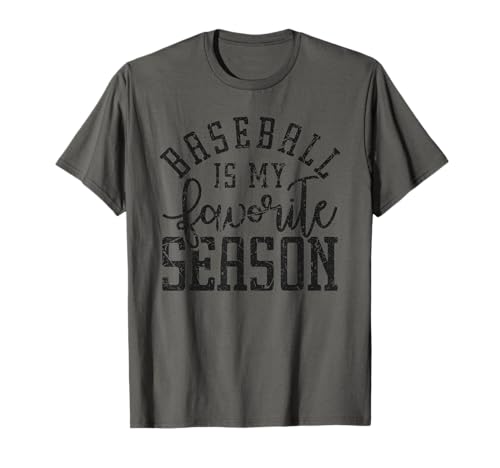
- ✓ Soft, breathable fabric
- ✓ Comfortable classic fit
- ✓ Fun, witty print
- ✕ Limited colorways
- ✕ Runs true to size
| Material | 100% cotton (t-shirt) |
| Fit | Lightweight, Classic fit |
| Construction | Double-needle sleeve and bottom hem |
| Brand | Sports Legendz |
| Price | $17.99 |
| Theme | Vintage baseball and sports-themed sayings |
You know that moment when a simple graphic makes you smile before you even pull your shirt over your head? This Vintage Baseball is My Favorite Season tee landed in my closet and immediately reminded me why baseball season never truly ends.
The first thing you’ll notice is the soft, lightweight feel—the kind you forget you’re wearing until you’re mid-cheer and it doesn’t cling in all the wrong places. The print sits proudly across the chest, with bold, retro typography that feels like a warm, sunlit dugout.
I wore it for a Sunday game at the park, and the fabric breathed with me through the sun and the snack-packed walk to the bleachers. The classic fit is forgiving enough to move in, whether you’re hollering at a strike or chasing a foul ball down the line.
The double-needle hem gives you just enough structure so the shirt doesn’t ride up when you reach for a high-five or a high-five the kid in the row ahead.
The humor in the design is what sold me in the end. It’s witty without trying too hard, like a well-timed cheer that doesn’t steal the spotlight from the players.
The lightweight material doesn’t feel flimsy, and the stitching holds up after a few spins in the laundry—no pilling, no loose threads. It’s the kind of piece you grab on a game day and forget you’re even wearing, until someone nods and laughs at your shirt.
In real-life use, it’s easy to pair with jeans or gym shorts, and it layers nicely under a light jacket for cooler evenings. If you’re the kind of fan who wants to celebrate the season every day, this tee makes that vibe effortless without shouting too loud.
Topps Update Series Baseball Hobby Jumbo Box (2025/26)

- ✓ Strong chase potential
- ✓ Sandglitter visuals pop
- ✓ Balanced autograph/relic chance
- ✕ Parallels can be scarce
- ✕ Box price is steep
| Pack Count | 10 packs per box |
| Card Count per Box | 400 cards per box |
| Autograph Count (Average) | 1 autograph per jumbo box on average |
| Relic Count (Average) | 1 relic per jumbo box on average |
| Parallels and Inclusions | Sandglitter parallels (exclusive to Hobby Jumbo) with Gold /50, Orange /25, Black /10, Red /5; Golden Mirror and Traded Player short prints |
| Rookie/Key Rookie Inclusions | Key 2026 rookies highlighted (e.g., JJ Wetherholt, Kevin McGonigle, Carson Benge, Justin Crawford, Travis Bazzana, Konnor Griffin) |
The box sits on my desk, and the first thing I notice is the weight and the glossy jumbo vibe—this isn’t your standard hobby box. I crack a pack and the scent of fresh cardboard hits, a little nostalgia with a modern lineup that promises big pull potential.
In hand, the jumbo box feels sturdy, with that satisfying rigidity you expect from Topps. The 10 packs per box are compact, each packed with 40 cards, so you can rifle through a full box without feeling overwhelmed by bulk.
Digging into the first pack, you’ll spot the base set and the familiar Topps shine, but the real excitement comes when you chase the Sandglitter parallels. They pop in the light in a way that makes the whole box feel special, not gimmicky.
As you continue, you’ll notice the promised autographs and relics show up at a reasonable rate—about one autograph and one relic on average. It’s not every pack, but there’s enough variance to keep you sweating the good pulls.
The 75 Years of Topps inserts give a nice sense of history without feeling gimmicky, and the modern rookies chase (JJ Wetherholt, Travis Bazzana, among others) keeps the box relevant for current-season chatter. The short prints and City Connect patches add flair without overpowering the base experience.
Real-world use feels balanced: you can trade with friends, compare parallels, and still feel the thrill of a big-name pull without waiting for a miracle drop. If you’re chasing a strong season-average collection, this box checks a lot of boxes with a tangible sense of value.
By the end of the last pack, you’ve got a clean stack of cards, a couple of standout hits, and a sense that Topps set out to deliver a collectible experience that’s genuinely engaging to open—without needing to break the bank for a few wow moments.
1930: The Story of a Baseball Season When Hitters Reigned

- ✓ Easy to read
- ✓ Engaging anecdotes
- ✓ Historic atmosphere
- ✕ Narrow focus
- ✕ Hardcover/softcover variance
| Publisher | Sports Publishing |
| Price | $17.64 |
| Product Name | 1930: The Story of a Baseball Season When Hitters Reigned |
| Category | Best season average baseball |
| Format/Edition | Not specified |
| Subject Focus | Historical baseball season narrative (1930) |
You’re rifling through a dusty box in the attic, and this tiny paperback slips out with a familiar crack of old paper. A crease marks the spine, and the cover shows a sepia-toned dugout scene from 1930.
You flip to the first page and feel the weight of a season, not just stats, pressing between the lines.
In your hands, the book feels sturdy, comfortably small enough to cradle like a favorite baseball you never quite outgrew. The prose settles into the rhythm of early 20th-century ball, and you notice the way the author catches the tempo of the hitters who defined that year.
As you read, you’re pulled into the day-to-day of bats and briefs, the way a single hit could shift a game. The narrative threads games, weather, and lineup decisions into a tapestry that’s easy to follow, even if you’re not a stats nerd.
The ergonomics of the book are simple: clear headings, readable type, and generous margins that invite a quiet evening with a cold drink. It’s the kind of read that feels like a conversation with a knowledgeable friend who doesn’t overcomplicate the moment.
You’ll find yourself pausing on key anecdotes—the pitcher’s slider, the batter’s timing, the crowd’s reaction—and realizing how the season’s rhythm still resonates today. It’s not just numbers; it’s the story behind them, the human element that made 1930 memorable.
By the time you close the back cover, you’re left with a sense that you’ve learned something practical about consistency, patience, and timing—qualities that still matter at the plate, or in a late-night game night chat with friends.
Overall, it wears its historical context lightly, letting you enjoy the drama without getting bogged down in unfamiliar jargon. If you crave a window into a landmark season where hitting mattered more than ever, this book is a solid, enjoyable pick.
What Defines the Best Season Average in Baseball?
The best season average in baseball is defined by several key metrics that highlight a player’s hitting consistency and productivity throughout the season.
- Batting Average: This is a primary statistic that measures a player’s hitting performance, calculated by dividing the number of hits by the number of at-bats. A higher batting average indicates better performance, with an average above .300 considered exceptional in professional baseball.
- On-Base Percentage (OBP): OBP takes into account not only hits but also walks and hit-by-pitches, reflecting a player’s ability to reach base. A high OBP is critical as it shows a player’s effectiveness in getting on base and contributing to scoring opportunities.
- Slugging Percentage (SLG): This statistic measures a player’s power by calculating total bases earned per at-bat, incorporating singles, doubles, triples, and home runs. A high slugging percentage indicates that a player not only gets on base but also contributes significantly to scoring through extra-base hits.
- On-Base Plus Slugging (OPS): OPS combines OBP and SLG to provide a comprehensive look at a player’s overall offensive capabilities. A high OPS signifies a player who is both effective at getting on base and capable of hitting for power, making it a valuable metric for assessing offensive performance.
- Consistency Over the Season: The ability to maintain high performance throughout the season is crucial. Players who can deliver solid averages over many games, rather than just in streaks, are often regarded as having the best season averages.
How Can Batting Techniques Affect Season Averages?
Batting techniques play a crucial role in determining a player’s season average in baseball.
- Stance: The stance a batter adopts can significantly impact their ability to make contact with the ball. A balanced and comfortable stance allows for better weight distribution and agility, which can lead to more consistent hitting and higher averages.
- Grip: The way a player grips the bat influences their swing mechanics and control. A proper grip helps in generating bat speed and improving hand-eye coordination, which are essential for making solid contact and driving the ball effectively.
- Swing Mechanics: The overall mechanics of a swing, including the path of the bat and follow-through, are critical to a batter’s success. Well-timed and fluid mechanics can lead to a higher likelihood of hitting the ball squarely, resulting in better season averages.
- Timing: Good timing is essential for hitting, as it allows the batter to meet the ball at the optimal point in their swing. Practicing timing through drills can enhance a player’s ability to adjust to different pitch speeds and types, positively affecting their batting average.
- Pitch Recognition: The ability to recognize different pitches and their movement is vital for successful hitting. Batters who excel at pitch recognition can anticipate the pitch type and location, allowing them to make better contact and improve their overall hitting statistics.
- Plate Discipline: A batter’s ability to choose which pitches to swing at can greatly affect their batting average. Players with good plate discipline tend to draw more walks and avoid bad pitches, leading to more favorable hitting situations and higher averages.
What Factors Contribute to Achieving a High Season Average?
The Quality of Pitching Faced directly impacts a player’s batting average; facing elite pitchers may lower averages, while a schedule filled with less experienced pitchers can provide more hitting opportunities. Players need to capitalize on these chances.
Batting Technique entails the proper mechanics of hitting, which includes grip, stance, and swing. A strong technique helps in making solid contact with the ball, increasing the likelihood of getting hits.
Physical Condition plays a significant role in a player’s performance; being in shape helps with stamina throughout the season and reduces the risk of injury, allowing consistent play and practice.
Team Support can enhance an individual player’s ability to achieve a high average. When teammates are hitting well and getting on base, it often leads to better pitches for the player in question and more scoring opportunities.
Game Situations can challenge players differently. Those who can thrive under pressure or when the game is on the line often see their averages remain stable or even improve, showcasing mental toughness and resilience.
What Are the Historical Records for the Best Season Averages?
The best season averages in baseball are often noted for their exceptional performance by players throughout the history of the sport.
- .406 by Ted Williams (1941): Ted Williams recorded a batting average of .406 in 1941, making him the last player to hit over .400 in a season. This remarkable achievement highlights his extraordinary hitting ability and discipline at the plate, as he also walked more than he struck out that year.
- .363 by Tony Gwynn (1994): Tony Gwynn achieved a .363 average during the strike-shortened 1994 season, showcasing his exceptional contact skills and consistency. Known for his ability to hit for both average and power, Gwynn’s performance solidified his reputation as one of the greatest hitters in baseball history.
- .365 by Ty Cobb (1911): Ty Cobb’s .365 batting average in 1911 is one of the highest in Major League Baseball history, reflecting his aggressive playing style and keen eye for hitting. Cobb was known for his speed and ability to get on base, leading the league in hits and stolen bases multiple times throughout his career.
- .368 by Rogers Hornsby (1924): Rogers Hornsby posted a .368 average in 1924, exemplifying his prowess as a hitter and his ability to drive in runs. Hornsby was not only an exceptional hitter but also a two-time National League MVP, demonstrating his importance to his team’s success.
- .364 by Babe Ruth (1921): Babe Ruth’s .364 average in 1921 is a testament to his legendary status as a power hitter and his ability to maintain a high batting average. Ruth’s combination of home runs and batting average was revolutionary and changed the game, as he became a symbol of baseball’s transformation in the early 20th century.
How Do League and Era Influence Season Averages?
- League Composition: The skill level and style of play within a league can vary widely, impacting player statistics.
- Era of Play: Different periods in baseball history have seen changes in rules, equipment, and player training, which can skew season averages.
- Ballparks and Conditions: The characteristics of the ballparks, such as dimensions and altitude, can also affect how players perform and how averages are calculated.
- Performance Enhancements: The use of performance-enhancing drugs during certain eras can inflate statistics, leading to misleading season averages.
- Gameplay Strategies: Shifts in strategies, such as an increased emphasis on home runs or on-base percentage, can alter how players accumulate hits and runs, influencing their averages.
Performance Enhancements: The use of performance-enhancing drugs has had a profound impact on player statistics, especially during the late 1990s and early 2000s. This era saw a spike in offensive production, leading to inflated season averages that may not accurately reflect a player’s natural abilities. As awareness of these practices has grown, the need to adjust historical averages for context has become increasingly important.
Gameplay Strategies: Changes in baseball strategies, such as the increasing focus on analytics and the adoption of extreme shifts on defense, can significantly impact player performance. For example, players may adapt their hitting approaches to optimize their averages based on the defensive alignments they face, leading to fluctuating statistics over time. Understanding these strategic shifts helps provide clarity on how averages are influenced by evolving gameplay.
What Strategies Can Players Implement to Improve Their Season Average?
Players can adopt several strategies to enhance their season average in baseball:
- Consistent Practice: Regular practice helps players refine their skills and improve their mechanics. By dedicating time to batting drills, players can work on their swing, approach, and timing, which are crucial for making solid contact with the ball.
- Video Analysis: Utilizing video analysis allows players to review their swings and identify areas for improvement. By observing their stance, swing path, and follow-through, players can make necessary adjustments to enhance their hitting performance.
- Focus on Pitch Recognition: Improving pitch recognition can significantly impact a player’s ability to make good contact. By studying pitchers and their tendencies, players can develop a better understanding of different pitches, leading to more accurate swing decisions.
- Physical Conditioning: Maintaining peak physical condition is essential for performance. A well-rounded fitness routine that includes strength training, flexibility exercises, and cardio can enhance a player’s agility and endurance, contributing to better performance throughout the season.
- Mental Preparation: Developing a strong mental game is crucial for consistency. Techniques such as visualization, mindfulness, and setting realistic goals can help players stay focused and confident, allowing them to perform better under pressure.
- Game Situational Awareness: Understanding game situations can guide decision-making at the plate. Players who are aware of the count, the opposing pitcher’s tendencies, and the defensive setup can make more informed choices about when to be aggressive or patient, ultimately helping to improve their average.
- Nutrition and Hydration: Proper nutrition and hydration directly affect a player’s energy levels and overall performance. A balanced diet rich in vitamins, minerals, and protein, along with adequate hydration, keeps players physically ready to face the demands of the game.
Where Can I Find Resources for Analyzing Baseball Season Averages?
There are several excellent resources available for analyzing baseball season averages.
- Baseball Reference: This comprehensive website offers extensive statistical data on players, teams, and historical performances.
- FanGraphs: Known for its advanced metrics, FanGraphs provides detailed analytics and tools for evaluating player performance and season averages.
- MLB.com: The official Major League Baseball website provides up-to-date statistics, player profiles, and seasonal averages in an easily navigable format.
- Baseball Savant: This site focuses on Statcast data, allowing users to analyze detailed player metrics and find insights into season averages.
- Sports Reference API: For more tech-savvy users, this API allows developers to access extensive baseball data programmatically, enabling custom analysis of season averages.
Baseball Reference: This website is a go-to for many baseball analysts and fans, offering a wealth of information including batting and pitching statistics, game logs, and splits. Its user-friendly interface allows you to search for specific players or teams, making it straightforward to find seasonal averages over various time frames.
FanGraphs: FanGraphs is particularly valuable for those interested in advanced statistics such as WAR (Wins Above Replacement) and wOBA (Weighted On-Base Average). The site not only presents traditional averages but also allows users to explore deeper metrics that can provide a more nuanced understanding of performance across seasons.
MLB.com: As the official source for Major League Baseball, MLB.com provides the most current statistics, including batting averages, home runs, and other key metrics. The site also features articles and insights from analysts, which can help contextualize the data and enhance understanding of season performance.
Baseball Savant: This platform utilizes Statcast technology to provide in-depth data on player movements and performance. By analyzing season averages with these advanced metrics, users can discover trends and insights that traditional statistics may overlook, such as exit velocity and launch angle.
Sports Reference API: This API is ideal for developers or analysts looking to build custom applications or perform automated analysis of baseball statistics. It offers a robust dataset that includes season averages, allowing for flexibility in how users can extract and analyze data.
Related Post: