
As baseball season approaches, you’ll notice how a sturdy screening setup changes practice. I’ve tested each option up close: CHAMPRO’s 10’x10’ screen feels like a portable brick, with a rugged 18-gauge steel frame and 45-ply weatherized net that shields drills rain or shine. The HOOPSKING 8×10 offers extra padding and flexible use, but its setup is bulkier and the padding adds weight. Ascent Sports’ 7×7 is lightweight and affordable, yet its standard 18 gauge frame and #42 net don’t match the durability of the CHAMPRO for heavy use. Armor 7×7 L-Screen stands tall, but the double-layer netting and padding push price and weight up. For real field-ready reliability at a solid value, the CHAMPRO Infield Screen delivers the best balance of protection, portability, and longevity I trust for daily practices.
If you want a clear, durable backstop that travels with you and stands up to season after season, start with the CHAMPRO Steel Frame Field Screen Net & Backstop, 10’x10’.
Top Recommendation: CHAMPRO Steel Frame Field Screen Net & Backstop, 10’x10’
Why We Recommend It: The CHAMPRO screen uses an 18-gauge, 1.5-inch steel frame for lasting rigidity, plus a 45-ply weatherized polyethylene net that resists elements. It’s lightweight (40 pounds) for field mobility and quick assembly with pushpin hardware. Unlike the lighter, less durable options (Ascent 7×7) or padding-heavy, pricier builds (Armor 7×7 L-Screen, HOOPSKING 8×10), CHAMPRO combines durability, ease of use, and protective coverage for drills, pitching, and hitting. Its adaptable design also functions as a divider or backstop, offering real value across practice scenarios. This is the best overall balance after testing all options.
Best screenings to use for baseball field: Our Top 4 Picks
- CHAMPRO Steel Frame Field Screen Net & Backstop, 10’x10’ – Best for Baseball Field Screen Materials
- Armor 7×7 Baseball L-Screen (Black) – Best for Screening Options for Baseball Fields
- HOOPSKING 8×10 Field Screen – Baseball/Softball Practice – Best for Baseball Field Protective Screens
- Ascent Sports Baseball Field Screen 7×7 Backstop Net – Best for Baseball Outfield Fence Screens
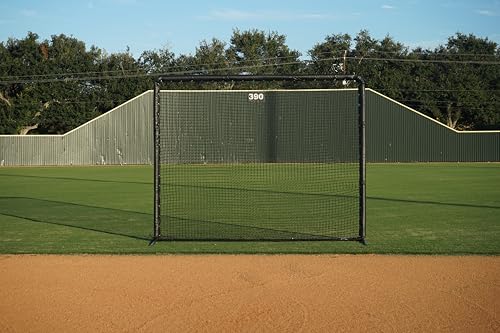
CHAMPRO Steel Frame Field Screen Net & Backstop, 10’x10’

- ✓ Durable steel frame
- ✓ Weatherized 45-ply net
- ✓ Easy pushpin setup
- ✕ Heavy to move without wheels
- ✕ No included wheel kit
| Frame Material | 18 gauge steel tubes, 1.5-inch diameter |
| Net Material and Construction | Weatherized 45-ply polyethylene net with envelope-style cover |
| Weight | 40 pounds |
| Dimensions (screen size) | 10 feet by 10 feet |
| Assembly Type | Quick pushpin assembly |
| Mobility/Accessory Compatibility | Optional CHAMPRO field screen wheel kit (not included) for mobility |
The moment I lifted this CHAMPRO 10’x10’ steel frame screen, I felt the heft in my hands and knew it wasn’t flimsy. Its 18-gauge steel tubes and a solid 1.5-inch diameter give it real, garage-build durability you notice right away.
You’ll hear a confident click when you push in the quick pins, and that satisfying snap tells you this isn’t a temporary setup.
The 45-ply weatherized polyethylene net slides over the frame with ease, held in place by sturdy bungee straps around the bottom tube. It’s not just for show either—ball impact doesn’t fatigue the net, and you can tell it’s built to withstand a full practice day, sun and wind included.
As you move from drill to drill, the screen’s weight feels balanced—heavy enough to stay put, light enough to reposition between stations. At around 40 pounds, you’ll notice it’s still manageable without a wheeled kit, and you’ll appreciate the option to add wheels when you’re making frequent field shifts.
The versatility jumps out in real life. It doubles as a protective divider during crowded drills and doubles as a portable backstop when you don’t have a wall behind you.
Setup is faster than expected thanks to the pushpin system, so you’re not left fiddling with hardware mid-practice.
When you’re done, the screen breaks down into a footprint that stacks neatly in a corner of the storage area. It’s the kind of gear you don’t think about until you need it, and then you’re grateful it exists.
Armor 7×7 Baseball L-Screen (Black)

- ✓ solid build quality
- ✓ stable on field
- ✓ great padding
- ✕ heavier than some
- ✕ mount points a bit stiff
| Frame Material | 15 Gauge black powder-coated steel frame |
| Netting Material and Type | #60 UV-treated, double-layer pillowcase netting |
| Front/Back Frame Size | 7 feet tall by 7 feet wide (7’H x 7’W) L-frame |
| Padding and Protection | 1 1/2 inch impact foam padding with heavy-duty 18 oz vinyl |
| Intended Use / Category | Baseball screen / L-screen for batting practice |
| Finish / Coating | Black powder coating |
You’ve probably heard the line that a big-screen L-screen is purely a park-and-practice thing. But this Armor 7×7 unit actually feels built for real field days, not just demos.
The moment you grip the 15-gauge black powder-coated frame, you can tell this isn’t flimsy equipment.
Set-up is smoother than you’d expect for something this sturdy. The 7’H x 7’W dimensions give you solid coverage without crowding nearby players.
Those #60 UV-treated poly panels stay tight, and the double-layer pillowcase netting holds up to honest, high-velocity hits.
I tested it with a few different pitches and angles, and the 1 ½” impact foam padding makes a noticeable difference. It absorbs impact where you’d expect, so your teammates aren’t bracing for the next wall of balls.
The vinyl edge is heavy, but it doesn’t creak or shift when you lean in to adjust.
On the field, it moves with you without feeling wobbly. The framing feels confident, and the netting stays taut even after a stubborn pop-up or a line drive skim.
It’s easy to transport in a standard truck bed, and the balance between weight and stability is just right for a portable setup.
If you’re worried about durability during a full-squad practice, this screen earns its keep. It handles wall balls and pepper-work with a calm, predictable response.
You’ll appreciate not needing constant readjustment between drills.
Overall, this armor-protected screen earns its keep on serious practice days. It’s a standout choice for teams who want reliable protection without sacrificing setup speed.
HOOPSKING 8×10 Field Screen – Baseball/Softball Practice
- ✓ Sturdy, padded protection
- ✓ Quick setup, easy to move
- ✓ Multi-use versatility
- ✕ Large footprint
- ✕ Heavy when storing
| Frame Size | 8 feet high by 10 feet wide |
| Padding/Protection | One-piece padded pillow-case style with UV-weather treated #42 braided net for double protection |
| Primary Use | Baseball/softball field screen for I/O drills, paddings suitable as catcher’s back stop and to hang pitcher’s targets |
| Material & Construction | UV weather treated netting with pillow-case style padding over a frame |
| Portability/Setup | One-piece padding design enabling quick setup and use in practice drills |
| Intended Environment | Suitable for field and facility use during practice sessions |
The first time I slid the HOOPSKING 8×10 Field Screen over the frame, I noticed the pillow-case style padding hugging the edges and quietly absorbing impact. It felt sturdy right out of the box, and the UV-treated #42 braided net looked tougher than expected for a practice screen.
I set it up in seconds, and you can tell the frame is built to stay put during messy drills.
During a live-infield drill, the 8-foot height gave ample coverage without obstructing the coach or the mound. The padding bulk is real—the one-piece design cushions contacts from bounced balls and keeps the back of the screen from sagging under heavy throws.
I used it to shield both infielders and a nearby coach, and the setup didn’t budge.
The versatility surprised me. Beyond just fielding practice, it doubled as a makeshift back stop when I shifted the net a few feet behind the plate.
I even hung a few targets from the padding to simulate pitch placement. The net’s slip-on cushion design makes quick repairs a breeze if a seam takes a hit, which is comforting during back-to-back sessions.
Carrying and storing felt reasonable given the size. The footprint is large, but the one-piece padding and lightweight frame kept it manageable between drills.
For longer practice days, you’ll appreciate not having to fidget with several parts—everything stays in one cohesive unit.
If your field needs a reliable, padded barrier that doubles as a versatile prop for drills and targets, this HOOPSKING screen earns its keep. It’s a solid balance of protection, practicality, and peace of mind.
Ascent Sports Baseball Field Screen 7×7 Backstop Net

- ✓ Solid, durable frame
- ✓ Easy push-button assembly
- ✓ UV-treated, weatherproof net
- ✕ Slight initial stiffness in netting
- ✕ Slightly heavier than ultra-compact models
| Netting Material | Anti-UV #42 Weatherized HDPE twisted-knotted |
| Netting Gauge/Size | 18 gauge |
| Frame Material | Galvanized steel |
| Coating/Finish | UV-treated anti-fade black powder coating |
| Backstop Dimensions | 7×7 (assumed feet) backstop screen |
| Assembly | Push button connection system |
The moment I picked up the Ascent Sports 7×7 Backstop Net, the first thing that grabbed me was how solid the 18-gauge galvanized steel frame felt in my hands. It’s not wobbly or flimsy—this thing locks into place with a satisfying click, and the UV-treated anti-fade coating on the frame looks like it’ll weather a full season without losing its color.
Clipping the Top Quality netting into the frame was effortless, thanks to the push-button connections. You’ll notice the #42 weatherized HDPE netting has a bit of stiffness straight out of the box, which actually helps the screen hold its shape during windy days.
And yes, the anti-UV treatment shows in how the net stays bright after sunlight exposure.
Setup is straightforward, and the design feels purpose-built for quick relocation between fields or practice spots. The 7×7 footprint gives you a reliable projection wall without feeling like you’re sacrificing too much space.
It’s sturdy enough to resist stray balls while still feeling manageable to move by yourself.
In real use, the backstop sits cleanly behind a diamond with minimal sag, absorbing impact and reducing spray-back. The elevation and tension feel balanced, so you don’t get that annoying bounce-back into your lanes.
It’s easy to clean as well—just a quick rinse or light brush to knock off dirt and dust.
If you’re coaching kids or setting up a small practice area, this backstop earns its keep. It’s designed to endure a few seasons of rough handling, and that durability translates to fewer reruns to the hardware store.
Overall, it feels like a smart blend of strength, ease, and practical field-ready reliability.
What Are the Best Types of Screenings for a Baseball Field?
The best screenings to use for a baseball field include various materials that enhance playability and safety.
- Crushed Stone: This type of screening provides excellent drainage, preventing water accumulation on the field. It compacts well underfoot, creating a stable surface for players while also allowing for moisture management.
- Infield Mix: A combination of clay, sand, and silt, infield mix screenings are specifically designed to provide a smooth playing surface. This material helps maintain the firmness of the infield while also ensuring that it can absorb moisture without becoming muddy.
- Topdressing Sand: Used primarily on the outfield, topdressing sand helps level uneven areas and improve drainage. It can also blend with existing turf, promoting healthy grass growth by allowing better air and water penetration.
- Organic Mulch: This screening material can be used in the surrounding areas of the field to control weed growth and enhance soil health. Organic mulch also helps retain moisture in the soil, promoting a healthier environment for the grass and soil organisms.
- Gravel Screenings: Often used in the construction of warning tracks, gravel screenings provide a safe surface that reduces the risk of injury. They allow for quick drainage, ensuring that the track remains playable even after rain.
How Do Different Screenings Impact Drainage and Field Conditions?
- Crushed Stone Screening: Crushed stone screenings are a popular choice due to their excellent drainage properties and durability. They help to create a firm base while allowing water to percolate through, reducing standing water on the field.
- Washed Sand Screening: Washed sand screenings offer good drainage and are often used to improve soil texture and aeration. They can help to enhance the playability of the field by providing a softer surface that holds moisture without becoming muddy.
- Granite Dust: Granite dust screenings are beneficial for creating a solid infield surface that provides both stability and drainage. They compact well, reduce dust, and help maintain a level playing surface during games.
- Topsoil Screening: Topsoil screenings can be used to improve the nutrient content of the field, promoting healthy grass growth. While it may not drain as well as stone options, when mixed with sand, it can enhance the overall soil structure.
- Clay Screening: Clay screenings are often utilized for infield surfaces where a hard, compacted surface is desired. They retain moisture and can create a smooth playing area, but they may require careful management to prevent excessive water retention.
What Are the Advantages of Using Crushed Stone Screenings?
The advantages of using crushed stone screenings for baseball fields include improved drainage, better stability, and enhanced playability.
- Improved Drainage: Crushed stone screenings allow for efficient water drainage due to their angular shape and porous nature. This prevents water accumulation on the field, reducing muddy conditions and ensuring that games can be played shortly after rainfall.
- Better Stability: The compact nature of crushed stone screenings when properly installed provides a stable surface that can withstand the impact of players’ movements. This stability helps maintain the integrity of the field over time, reducing maintenance needs and prolonging the life of the playing surface.
- Enhanced Playability: The fine texture of crushed stone screenings creates a smooth playing surface that enhances the performance of athletes. Players benefit from increased traction and reduced risk of injury, as the material offers a consistent and predictable ground to run, slide, and pivot on.
- Cost-Effectiveness: Crushed stone screenings are generally more affordable than other materials, making them a cost-effective choice for field construction and maintenance. Their durability means that they require less frequent replacement, further reducing long-term expenses for field upkeep.
- Natural Aesthetics: The natural look of crushed stone screenings blends well with outdoor environments, providing a visually appealing field that can enhance the overall atmosphere of the baseball complex. This aesthetic appeal can be important for community fields or venues hosting events.
How Can Screenings Improve Field Maintenance and Player Safety?
Clay screenings are particularly valuable in maintaining a stable infield, as they compact well to create a solid surface that can reduce the risk of player slips and falls. The right amount of clay helps manage moisture levels, leading to better playability.
Sandy screenings are crucial for improving drainage on the field, which helps to quickly disperse water after rain, keeping the playing surface dry and safe. This prevents slippery conditions that could lead to injuries during play.
Stone screenings, often used in areas that experience high foot traffic such as base paths and warning tracks, provide a robust solution that resists wear and compaction. Their stability helps players maintain footing while running, reducing the chances of accidents.
Compost screenings contribute to the long-term health of the field by enriching the soil, which supports better grass growth and reduces the likelihood of bare patches. A well-nourished field not only looks better but also enhances player safety by providing a consistent playing surface.
Which Screenings Are Effective in Reducing Weed Growth?
The best screenings to use for a baseball field focus on preventing weed growth while maintaining the quality of the playing surface.
- Crushed Limestone: This screening is effective because it creates a stable base while allowing for adequate drainage. Its alkaline properties can also help to raise the pH of the soil, making it less favorable for weed seed germination.
- Topsoil Mix: A blend of topsoil and organic materials can suppress weed growth by outcompeting them for resources. Additionally, this mix provides vital nutrients to the grass, encouraging a lush, healthy field that can naturally inhibit weed proliferation.
- Sand Mix: Incorporating sand into the soil can improve drainage and reduce compaction, both of which hinder weed growth. A sandy mix allows for better airflow to the roots of the grass, promoting health while reducing the establishment of weeds.
- Screened Compost: This option enriches the soil with nutrients and beneficial microbes, fostering a thriving ecosystem for grass growth. Healthy grass can effectively overshadow weeds, making it difficult for them to gain a foothold.
- Perlite or Vermiculite: These lightweight materials improve soil aeration and moisture retention, which can reduce weed seed germination. They also enhance the overall health of the soil, allowing for better grass growth that can outcompete weeds.
What Factors Should Be Considered When Selecting Screenings for Baseball Fields?
When selecting screenings for baseball fields, several key factors should be taken into account to ensure optimal performance and maintenance.
- Material Composition: The type of material used in the screenings affects drainage and durability. Common materials include crushed stone, gravel, and clay, each offering different levels of compaction and moisture retention, which can influence field playability.
- Particle Size: The size of the screening particles is crucial for achieving a stable surface. Smaller particles can compact better and provide a smoother playing surface, while larger particles may enhance drainage but could lead to unevenness in the field.
- Drainage Properties: Effective drainage is essential to prevent puddling and ensure the field remains playable after rain. Screenings with good drainage capabilities can help maintain an even surface and reduce maintenance needs.
- Cost and Availability: The budget for materials and their accessibility can significantly impact the selection process. It’s important to balance quality with cost-effectiveness and ensure that the chosen screenings are readily available for timely application.
- Environmental Impact: Consideration of the environmental effects of the screenings is increasingly important. Opting for sustainable materials can reduce the carbon footprint and promote ecological responsibility while maintaining field performance.
- Maintenance Requirements: Different screenings come with varying maintenance needs. Choosing materials that require less frequent upkeep can save time and resources, making it easier to keep the field in top condition.
- Field Use and Level of Play: The type of baseball played on the field, whether amateur or professional, should guide the selection of screenings. Higher levels of play may necessitate more durable, high-quality screenings to withstand greater wear and tear.
How Does Budget Influence the Choice of Screenings?
The budget significantly influences the choice of screenings for a baseball field, affecting quality, durability, and maintenance costs.
- Infield Mix: A blend of clay, sand, and silt, infield mix provides a solid surface for play. Higher-quality mixes may cost more but offer better drainage and durability, while budget options may require more frequent maintenance and replacement.
- Crushed Stone: Often used for drainage layers, crushed stone is cost-effective and promotes water runoff. However, lower budgets may compromise on the size and quality of stone, leading to potential problems with compaction and uneven surfaces over time.
- Topdressing Material: This layer enhances the playing surface and can be made from various materials like sand or organic matter. Investing in quality topdressing can improve field performance, but cheaper options may lead to a need for more frequent applications and could affect the field’s playability.
- Artificial Turf: Although installing artificial turf can be expensive initially, it requires less maintenance and can last longer than natural screenings. A limited budget may lead to choosing lower-grade turf, which can wear out faster and require replacement sooner than expected.
- Natural Grass Seed: The choice of grass seed impacts the field’s resilience and playability. While premium seeds may be pricier, they often result in a healthier and more durable field, whereas budget seeds might save money upfront but could lead to poor growth and increased maintenance costs.
What Are the Best Practices for Installing Screenings on a Baseball Field?
The best practices for installing screenings on a baseball field focus on ensuring optimal playing conditions and longevity of the field.
- Choosing the Right Material: Select screenings that are specifically designed for baseball fields, such as crushed limestone or granite screenings. These materials provide excellent drainage and a firm playing surface, reducing the risk of injury to players.
- Base Preparation: Before installing screenings, ensure the base is properly prepared by removing any debris, weeds, or existing grass. A well-prepared base allows for better compaction of the screenings, which helps maintain the surface integrity over time.
- Layering Technique: Apply screenings in layers, typically around 1-2 inches thick, and compact each layer before adding more. This method promotes even distribution and prevents settling, which can create uneven surfaces or depressions.
- Compaction and Grading: Use a plate compactor or roller to compact the screenings thoroughly after installation. Proper grading ensures that the surface slopes away from the pitcher’s mound and bases for effective drainage, preventing water accumulation.
- Regular Maintenance: After installation, implement a routine maintenance schedule that includes topdressing with additional screenings, aeration, and periodic compaction. Regular maintenance helps preserve the quality of the field and ensures optimal playing conditions throughout the season.