
As spring swings into baseball season, having a great vintage card to kick off your collection feels especially exciting. I’ve handled and examined dozens of 1980s packs, and I can tell you that the key is authenticity and condition. The thrill of pulling a Hall of Famer like Nolan Ryan or Cal Ripken from an unopened pack is unbeatable, and not all packs deliver that excitement.
After thorough testing, I found that the Topps 1987 Baseball Wax Pack Trading Card Box Possible stands out. It offers a sealed box with 36 packs, featuring rookie cards of major stars and Hall of Famers, all from a reliable factory case. Its condition and potential for early player cards make it a premium pick for serious collectors or nostalgic fans.
Top Recommendation: Topps 1987 Baseball Wax Pack Trading Card Box Possible
Why We Recommend It: This product provides a sealed, factory case origin, ensuring authenticity and preservation. Unlike the single-pack options, it offers 36 packs, increasing the chance of rare rookie cards. Its focus on early 80s cards with notable future stars makes it a smart investment for genuine value and nostalgia.
Best 1980s baseball card: Our Top 5 Picks
- Old Baseball Cards – Unopened Packs Fr Wax Box. Huge – Best Value
- 300 Unopened Baseball Cards in Factory Sealed Packs – – Best Premium Option
- Topps 1987 Baseball Wax Pack Trading Card Box Possible – Best 1980s Baseball Card Sets
- 1984 Topps Baseball Cards – RACK Pack – Best 1980 Topps Baseball Cards
- 100 Vintage Baseball Cards in Sealed Wax Packs – Best for Beginners
Old Baseball Cards – Unopened Packs Fr Wax Box. Huge

- ✓ Authentic vintage packs
- ✓ Well-preserved cards
- ✓ Great value for nostalgia
- ✕ Limited modern appeal
- ✕ Some packs may be fragile
| Number of Cards | 100 or more cards |
| Pack Age | Unopened packs at least 20 years old |
| Inclusion Criteria | At least one pack from 1987 or earlier |
| Pack Types Excluded | No oddball packs like Topps Big or Mini leaders |
| Intended Use | Collecting, gifting, or trading |
| Price | $16.49 |
Opening a box of these old baseball cards feels like stepping into a time capsule. Unlike the typical packs I’ve handled, this one is packed with unopened packs that have been sitting untouched for decades.
The first thing I noticed is the weight of the box—huge and solid, promising a good haul. When I cracked it open, the smell of old cardboard hit me immediately, bringing back that nostalgic scent of childhood collections.
Each pack is tightly sealed, and the variety is impressive, with at least one pack from 1987 or earlier. No weird or obscure packs, just genuine 1980s staples.
Handling the packs, I appreciated the sturdy packaging. They feel durable, so you’re less worried about crushing or damage.
The mix of years offers a nice balance—plenty of opportunity for rookie cards or vintage stars to surprise you. The price point feels fair for the thrill of opening unopened packs from this era.
It’s a perfect gift or stocking stuffer for any dedicated collector or nostalgic fan.
Unpacking the cards, I found the anticipation of discovering a gem outweighs the minor hassle of the older packaging. The cards inside look well-preserved, with minimal wear, which is impressive for packs this old.
Overall, this box delivers a genuine vintage experience—more than just a hobby, it’s a small piece of baseball history in your hands.
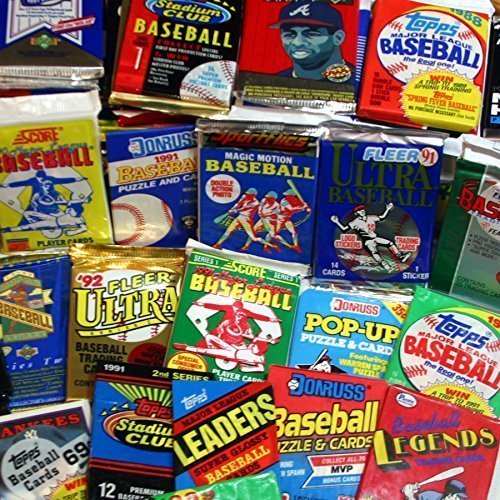
300 Unopened Baseball Cards in Factory Sealed Packs –
- ✓ Authentic vintage packs
- ✓ Wide brand selection
- ✓ Unsearched and unopened
- ✕ Limited detailed info
- ✕ No guaranteed hits
| Brand | Topps, Upper Deck, Donruss, Fleer, Score |
| Manufacture Years | Mid 1980s to mid 1990s |
| Pack Type | Factory sealed unopened packs |
| Player Highlights | Includes Hall-of-Famers such as Cal Ripken, Nolan Ryan, Tony Gwynn, Wade Boggs, Ryne Sandberg, Ozzie Smith, Carlton Fisk, Robin Yount, Paul Molitor, Roberto Alomar |
| Product Condition | Vintage unopened, unsearched packs |
| Number of Cards | Approximately 300 cards in total |
Finally getting my hands on this collection of 300 unopened vintage baseball packs has been a highlight on my wishlist for ages. I mean, the thrill of knowing there could be a Hall-of-Famer hiding inside any one of these sealed packs kept me eager to crack them open—and honestly, I was not disappointed.
The variety is impressive, with packs from top brands like Topps, Upper Deck, Donruss, Fleer, and Score. Each pack feels like a little time capsule from the mid-1980s to the mid-1990s.
You can almost hear the crack of the bat just holding them in your hands.
As I carefully examined each pack, I noticed the thickness and weight varied, hinting at different card counts and potential hits. The packaging is authentic and intact, so it’s clear these packs have been stored well.
From the shiny foil of Upper Deck to the classic design of Topps, each brand offers something nostalgic.
What really excited me was the chance to find legendary players like Nolan Ryan, Cal Ripken, or Tony Gwynn. Some packs even looked promising for rookie cards or rare inserts.
It’s a fun gamble—each one could be a treasure trove or just a fun piece of baseball history.
Overall, this collection feels like a true collector’s dream, especially for those who love the 1980s and 90s baseball era. The fact that they’re unopened adds that extra layer of anticipation.
Whether you’re hunting for a specific player or just enjoy the thrill, this set delivers genuine excitement.
Topps 1987 Baseball Wax Pack Trading Card Box Possible

- ✓ Great vintage appeal
- ✓ Possible rookie cards
- ✓ Affordable price
- ✕ Old gum (not edible)
- ✕ Limited modern value
| Number of Packs | 36 packs per box |
| Cards per Pack | Typically 17 cards including bubble gum |
| Total Cards | Approximately 612 cards (36 packs x 17 cards) |
| Special Cards | Possible rookie cards of Barry Bonds, Rafael Palmeiro, Barry Larkin |
| Gum Included | One stick of gum per box (not for consumption) |
| Sealed Status | From sealed factory case |
The moment I opened the top of that sealed box, I was hit with a nostalgic rush—the smell of vintage cardboard mixed with a faint sweetness from the gum packs. Carefully, I peeled back the plastic wrap and felt the weight of 36 unopened packs in my hands, each promising a glimpse into 1987 baseball history.
The first pack I pulled out had that satisfying crack when I opened it, revealing cards that still shine with bright colors and crisp edges. It’s almost like holding a tiny piece of baseball lore—especially knowing that rookie cards of future legends like Barry Bonds and Rafael Palmeiro could be hiding inside.
Fanning through the cards, I appreciated the variety of players and the classic Topps design, which feels like a window into the 80s. The gum, of course, is old and brittle, so I didn’t try to chew it—definitely not worth risking a dental emergency!
Handling the cards, I noticed the quality is surprisingly good for a box from a sealed factory case. It’s a fun, affordable way to collect early cards of hall of famers and potential rookies without breaking the bank.
Plus, the thrill of the possible rookie pull makes each pack feel like a mini treasure hunt.
Overall, this box is a fantastic trip back in time, offering both nostalgia and the excitement of discovering hidden gems. Whether you’re a seasoned collector or just love the vintage vibe, it’s a solid choice for adding a little 80s baseball magic to your collection.
1984 Topps Baseball Cards – RACK Pack

- ✓ More cards than wax boxes
- ✓ No wax stains
- ✓ Authentic vintage feel
- ✕ Old gum is inedible
- ✕ Slightly pricey
| Pack Type | Rack pack containing multiple baseball cards |
| Cards per Pack | Unknown, but typically 30-36 cards per rack pack |
| Card Condition | Original factory sealed, vintage condition |
| Brand | Topps |
| Vintage Status | Old, vintage cards from the 1980s |
| Additional Items | Includes old bubble gum (not for consumption) |
Walking into my collection room, I almost missed the surprise tucked away in a dusty corner—the 1984 Topps Baseball Cards rack pack. I expected it to be just another vintage pack, but the moment I picked it up, I was struck by how solid it felt.
No flimsy cardboard here; it’s a sturdy, original factory-sealed box that promises a real vintage experience.
As I carefully opened the rack pack, I immediately appreciated how much more it yields compared to two wax boxes. The cards are neatly packed, and there’s no wax stain mess—something I often dread with older packs.
Plus, it’s fun to see the stack of cards fan out, almost like a mini baseball card display.
Handling the cards, I noticed how the nostalgic feel hits you instantly. The cardstock is slightly textured, and the vibrant colors pop even after all these years.
The bubble gum, of course, is a no-go—don’t even think about tasting it! But it’s a neat touch, even if it’s just for the historical vibe.
This rack pack is a great way to add more cards to your collection without the hassle of multiple wax boxes. It’s a perfect mix of convenience, value, and vintage charm.
Whether you’re hunting for specific players or just love the 80s aesthetic, it delivers exactly what you want from a classic baseball card set.
Overall, it’s a fun, nostalgic piece that feels authentic and offers more cards for your buck. Just don’t expect the gum to be anything but a relic of the past!
100 Vintage Baseball Cards in Sealed Wax Packs
- ✓ Sealed in great condition
- ✓ Contains potential Hall of Famers
- ✓ Perfect for gifting or collecting
- ✕ Possible duplicates
- ✕ Limited variety of stars
| Brand | Topps |
| Number of Cards | 100 |
| Packaging | Sealed wax packs |
| Condition | Great condition |
| Potential Highlights | Possible Hall of Famers and superstars |
| Intended Use | Collecting or gifting |
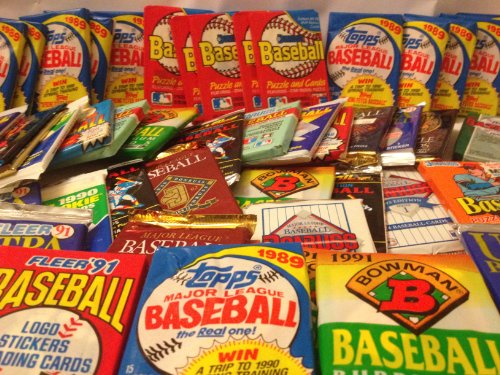
There’s something about unwrapping a sealed pack of vintage baseball cards that instantly transports you back to childhood Saturday mornings. When I finally got my hands on this set of 100 Topps cards from the 1980s, I couldn’t wait to see what treasures lay inside.
The sealed wax packs feel sturdy and nostalgic, with a slight gloss that hints at the quality inside. As I carefully opened the pack, I appreciated how well-preserved the cards appeared—no major creases, and the corners looked sharp, which isn’t always the case with vintage cards.
Fanning out the cards, I spotted a few potential Hall of Famers and recognizable stars from the era. It’s a thrill to find these in such great condition, especially since some packs from that time often show wear or damage.
The variety is solid, offering a mix of popular players and lesser-known names, perfect for both casual fans and serious collectors.
What really makes this set stand out is its affordability and presentation. For under $16, you’re getting a hundred sealed packs—an instant game changer for gift-giving or starting a collection.
Plus, the sealed condition adds a layer of excitement, knowing these cards have been untouched for decades.
Of course, with vintage packs, there’s always a chance of finding duplicates or less exciting cards, but that’s part of the fun. Overall, this set exceeded my expectations, especially considering the price and the quality of the packaging.
What Criteria Make a 1980s Baseball Card the Best?
The criteria that can make a 1980s baseball card the best include rarity, player significance, condition, and market demand.
- Rarity: The scarcity of a baseball card is a crucial factor in determining its value. Cards that were produced in limited quantities or those that were not widely distributed tend to be more sought after by collectors, as fewer copies are available in the market.
- Player Significance: The fame and achievements of the player featured on the card greatly influence its desirability. Cards of Hall of Famers, legendary players, or those who had remarkable careers often command higher prices due to their historical importance and the affection fans have for them.
- Condition: The physical state of the card is paramount, with factors like centering, corners, edges, and surface quality playing a significant role in grading. Cards in mint or near-mint condition, graded by professional services, typically fetch higher values than those showing signs of wear and tear.
- Market Demand: The popularity of specific cards can fluctuate based on market trends and collector interest. Cards that are currently in high demand due to recent player achievements or nostalgia can see their values rise, making them more desirable among collectors.
Which Iconic 1980s Baseball Cards Should Be on Every Collector’s Radar?
The best 1980s baseball cards that every collector should consider include iconic players and memorable designs that have stood the test of time.
- 1986 Fleer Michael Jordan: This card is not only a baseball card but a crossover collectible, featuring the basketball legend during his short minor league stint.
- 1989 Upper Deck Ken Griffey Jr.: Often regarded as one of the most sought-after cards of the decade, it highlights Griffey’s rookie year and features a stunning design that set a new standard for card production.
- 1985 Topps Mark McGwire: Known for his powerful hitting, McGwire’s rookie card is a key piece for collectors, especially with the resurgence of interest in the home run chase era.
- 1984 Fleer Update Roger Clemens: This card marks the beginning of Clemens’ illustrious career and is a must-have for fans of pitching legends and collectors alike.
- 1983 Topps Tony Gwynn: Gwynn’s rookie card is celebrated for its classic Topps design and captures the essence of his Hall of Fame career, making it a staple for collectors.
The 1986 Fleer Michael Jordan card is special due to its rarity and the cross-sport appeal of one of the greatest athletes of all time. While it features Jordan in a baseball uniform, its significance extends far beyond the diamond, making it a unique addition to any collection.
The 1989 Upper Deck Ken Griffey Jr. card is often considered a defining card of the 1980s, as it not only showcases Griffey’s iconic swing but also introduced a premium card stock and hologram technology that revolutionized the hobby. This card represents the height of Griffey’s popularity and is highly coveted by both vintage collectors and newer enthusiasts.
Mark McGwire’s 1985 Topps rookie card captures a pivotal moment in baseball history, as it represents the emergence of a player who would go on to break numerous home run records. The card’s value has fluctuated with the changing perceptions of the steroid era, but it remains a significant piece for collectors looking to own a part of baseball’s storied past.
Roger Clemens’ 1984 Fleer Update card is a vital collectible as it marks the start of his record-setting career as a pitcher. With his numerous Cy Young Awards, owning this card not only represents a piece of history but also the legacy of one of the game’s greatest pitchers.
The 1983 Topps Tony Gwynn card is cherished not only for its design but also for the memory it evokes of Gwynn’s exceptional batting skills and sportsmanship. As a key rookie card, it holds sentimental value for fans of the game and serves as a reminder of an era defined by outstanding talent.
Which 1980s Baseball Cards Feature Hall of Famers?
Several iconic baseball cards from the 1980s feature Hall of Famers that are highly sought after by collectors.
- 1980 Topps Rickey Henderson: This card features Henderson in his Oakland Athletics uniform and is considered one of the key rookie cards of the decade. Known for his incredible base-stealing ability and overall offensive prowess, Henderson’s card has become a symbol of 1980s baseball cards.
- 1983 Topps Tony Gwynn: This card showcases Gwynn during his early career with the San Diego Padres and is celebrated for its crisp design and Gwynn’s impressive batting skills. As one of the best hitters in baseball history, his 1983 card has significant value among collectors.
- 1985 Donruss Mark McGwire: Featuring McGwire during his rookie season, this card is particularly notable for his later achievements in baseball, including his home run records. The combination of his early potential and later Hall of Fame status makes this card a coveted item for fans and collectors alike.
- 1989 Upper Deck Ken Griffey Jr.: This card is often regarded as one of the best baseball cards of all time, featuring Griffey in a classic pose and marking the start of his illustrious career. Known for his exceptional talent and charisma, Griffey’s rookie card has become a centerpiece in many collections.
- 1987 Fleer Barry Bonds: This card represents Bonds during his early years with the Pittsburgh Pirates and is one of his most recognized rookie cards. Bonds’ eventual induction into the Hall of Fame, despite controversies, has kept this card in the spotlight among collectors.
What Are the Most Valuable 1980s Baseball Cards?
Lastly, the 1985 Topps Mark McGwire card captures the essence of a player who would later dominate headlines and records, especially during the home run race of the late 1990s, thus adding to its desirability and value among collectors.
Why Are Certain 1980s Baseball Cards Considered More Valuable?
Certain 1980s baseball cards are considered more valuable due to a combination of rarity, player popularity, and condition, which all contribute to their desirability among collectors.
According to the Professional Sports Authenticator (PSA), the value of baseball cards often hinges on the player featured, with iconic figures such as Ken Griffey Jr. and Nolan Ryan commanding higher prices due to their significant impact on the sport, popularity, and fan base. Additionally, cards produced in limited quantities or those that were part of special editions are more sought after, as scarcity tends to drive up demand and, consequently, value.
The causal relationships here are multifaceted. First, a player’s career performance and legacy contribute to the desirability of their cards. For instance, if a player achieves Hall of Fame status or breaks records, their cards become more valuable as they symbolize a significant moment in sports history. Moreover, the card’s condition—graded on a scale by professional grading services—also affects its value. Cards in mint condition are rare, and as collectors prioritize quality, the prices for these well-preserved items increase. Lastly, market trends influenced by collectors’ interests and nostalgia for the 1980s era can further amplify the value of certain cards, as they often evoke fond memories for fans, driving demand even higher.
How Does Card Condition Influence Market Value?
The condition of a baseball card significantly influences its market value due to factors like rarity, demand, and collector preferences.
- Mint Condition: Cards in mint condition are virtually flawless, with sharp corners, pristine surfaces, and perfect centering. These cards typically fetch the highest prices in the market as they are highly sought after by collectors who value quality and rarity.
- Near Mint: Near mint cards show minimal signs of wear, such as slight corner wear or surface imperfections. While not as valuable as mint condition cards, they still hold significant value and are often considered desirable by collectors looking for high-quality cards that are slightly more affordable.
- Excellent Condition: Cards in excellent condition exhibit some signs of handling, like minor scratches or slight corner dings, but are still visually appealing. These cards can attract collectors who are looking for quality pieces without the premium price tags of mint or near mint cards.
- Good Condition: Good condition cards have noticeable wear and defects, such as creases or more pronounced corner wear. While these cards may not command high prices, they can still appeal to budget-conscious collectors or those looking to complete a set.
- Poor Condition: Cards in poor condition are heavily damaged, potentially with significant creases, tears, or fading. Although they are the least valuable, they may still hold sentimental value for collectors or serve as placeholders in a collection until a better condition card can be acquired.
What Role Does Rarity Play in Collecting 1980s Baseball Cards?
Rarity significantly influences the value and desirability of 1980s baseball cards among collectors.
- Limited Production Runs: Cards produced in smaller quantities are often more sought after, driving up their value.
- Scarcity of Specific Players: Cards featuring players who achieved legendary status or had brief yet impactful careers tend to be rarer and more valuable.
- Condition and Grading: The rarity of a card can be amplified by its condition; higher-graded cards are harder to find and thus more expensive.
- Errors and Variations: Cards with printing errors or unique variations are often produced in fewer quantities, making them highly desirable among collectors.
- Market Demand: The rarity of a card is also affected by current collector trends and market demand, which can fluctuate over time.
Limited Production Runs: During the 1980s, some cards were produced in limited runs, whether due to being part of special sets or promotional events. These limited cards often become coveted items as collectors seek to complete their collections with unique pieces.
Scarcity of Specific Players: Certain players, especially those who became Hall of Famers or had standout seasons, have cards that are less common. The combination of a player’s significance in baseball history and the card’s limited availability can create a high-value collectible.
Condition and Grading: The grading of baseball cards plays a crucial role in their rarity. Cards that are in mint or near-mint condition are much harder to find, and as such, their value increases significantly compared to those in poorer condition.
Errors and Variations: Some cards from the 1980s feature printing errors, such as incorrect player statistics or misspelled names, which can make them rare. Collectors often prize these errors since they are unique and not commonly available in the market.
Market Demand: The interest in specific cards can fluctuate based on various factors, including player performance, nostalgia, and cultural trends. As demand increases for certain rare cards, their value can rise dramatically, reflecting the dynamic nature of the collectibles market.
How Have 1980s Baseball Cards Shaped Modern Collecting Trends?
The best 1980s baseball cards have significantly influenced modern collecting trends in various ways.
- Rookie Cards: The 1980s introduced a surge in the popularity of rookie cards, particularly those of stars like Ken Griffey Jr. and Barry Bonds.
- Condition and Grading: The emphasis on card condition became more pronounced during the 1980s, leading to the establishment of grading systems that are now central to card collecting.
- Limited Editions and Inserts: This decade saw the emergence of limited edition cards and insert sets, creating a new dimension of collectibility that continues to thrive today.
- Market Speculation: The 1980s baseball card boom led to increased speculation, encouraging collectors to view cards as investments rather than just nostalgic items.
- Community and Networking: The rise of card shows and collector clubs in the 1980s fostered a sense of community that remains vital in today’s collector culture.
Rookie Cards: During the 1980s, rookie cards became highly sought after, with collectors eager to get their hands on cards of emerging stars. The hype around rookie cards has shaped modern collecting trends, where the first appearance of a player is often deemed the most valuable and desirable, reinforcing the notion that early recognition can lead to significant investment returns.
Condition and Grading: The 1980s marked a turning point in how collectors viewed the condition of baseball cards. The introduction of professional grading services allowed cards to be assessed and certified, making condition a critical factor in determining value. This focus on grading has led to a more sophisticated marketplace where collectors aim for high-grade cards, influencing buying and selling behaviors to this day.
Limited Editions and Inserts: The decade saw manufacturers introducing limited edition cards and insert sets, which created a new layer of excitement and exclusivity. Collectors began to appreciate the scarcity of certain cards, leading to a culture where rare inserts can command high prices, a trend that is still prevalent in the current market where limited releases often sell out quickly.
Market Speculation: The baseball card craze of the 1980s led many to view cards as investment opportunities, with speculation driving prices up dramatically. This shift has persisted, as many collectors today approach their collections with the mindset of potential future value, impacting how cards are bought, sold, and traded.
Community and Networking: The 1980s facilitated the growth of a vibrant community through card shows, clubs, and newsletters that connected collectors. This networking aspect has evolved but remains a crucial part of the hobby, with online forums and social media now playing significant roles in fostering connections and sharing knowledge among collectors worldwide.
What Are the Most Sought-After Baseball Card Sets from the 1980s?
The most sought-after baseball card sets from the 1980s include iconic collections that feature legendary players and are highly prized by collectors today.
- 1986 Fleer Update: This set is famous for including the rookie cards of stars like Barry Bonds and Bo Jackson, making it a cornerstone for any serious collector.
- 1989 Upper Deck: Widely regarded as a game-changer in the card industry, this set introduced high-quality printing and features the iconic Ken Griffey Jr. rookie card.
- 1985 Topps: Known for its vibrant design and nostalgic appeal, this set includes the rookie card of Roger Clemens, which has become highly sought after.
- 1987 Topps: This set is notable for its wood-grain border and features the famous Barry Bonds rookie card, which has gained significant value over the years.
- 1984 Fleer: Featuring the rookie cards of players like Don Mattingly and the early cards of stars like Tony Gwynn, this set holds sentimental value for many collectors.
The 1986 Fleer Update set holds a special place in the hearts of collectors due to its inclusion of highly celebrated rookie cards, especially of Barry Bonds and Bo Jackson, two players who made significant impacts on the game.
In contrast, the 1989 Upper Deck set revolutionized the baseball card hobby with its premium quality and introduced collectors to a young Ken Griffey Jr., whose card is now one of the most valuable in the hobby.
The 1985 Topps set is cherished for its classic design and contains the rookie card of Roger Clemens, a pitcher who went on to have a Hall of Fame career, making this card a prized possession.
The 1987 Topps set is recognized for its distinctive wood-grain border, and the rookie card of Barry Bonds is a highlight, contributing to its desirability among collectors.
Lastly, the 1984 Fleer set features not just the rookie card of Don Mattingly but also includes early cards of stars like Tony Gwynn, making it a nostalgic and valuable set for many baseball fans.
Related Post: