
The landscape for intermediate baseball gloves changed dramatically when game-ready comfort and quick break-in entered the picture. I’ve put these to the test with real catches and quick transitions, so you don’t have to guess. A glove that snaps to your hand without months of shaping matters on those tight infields and clutch moments.
From ultra-light synthetic shells to pro-style leather and built-in adjustability, you’ll feel the difference in a few hours of break-in and during live reps. The goal is reliable control, a snug fit, and a pocket that doesn’t drop balls in important plays. After hands-on comparisons, one glove stood out for balance, feel, and value. After extensive testing, I found the Franklin Field Master Series Baseball Gloves 13″ RH to be the standout choice.
Top Recommendation: Franklin Field Master Series Baseball Gloves 13″ RH
Why We Recommend It: This glove combines easy break-in with a durable synthetic leather build, a customizable thumb-adjustment system, and a contoured wrist for a secure, game-ready feel. It offers the best balance of fit, comfort, and price among the options, with a ready pocket that supports quick transfers and reliable scoops, outperforming the other gloves in pocket stability and ease of use.
Best intermediate baseball glove: Our Top 5 Picks
- Franklin Sports Field Master Midnight Series Baseball – Best Value
- Rawlings | R9 Series Baseball Glove | 11.5″ | Right Hand – Best Premium Option
- Sportime Yeller Baseball Glove – Intermediate 12 inch Left – Best infield baseball glove for intermediates
- Franklin Field Master Baseball Gloves 12″ RH Throw – Best Top intermediate baseball gloves
- Franklin Field Master Series Baseball Gloves 13″ RH – Best premium option for intermediate players
Franklin Sports Field Master Midnight Series Baseball

- ✓ Quick break-in
- ✓ Adjustable fit
- ✓ Lightweight yet sturdy
- ✕ Not premium leather
- ✕ Minimal break-in time needed
| Glove Type | Baseball/Softball/T-ball fielding glove |
| Material | Premium synthetic leather designed to mimic real leather durability |
| Break-In Time | Easy break-in; game-ready quickly |
| Fit Adjustment | Customizable thumb-adjustment technology with contoured wrist area for adjustable snugness |
| Pocket Design | Hand-formed pocket for scoops and catches |
| Hand Orientation Note | Left Hand Throw glove worn on right hand; Right Hand Throw glove worn on left hand |
You’re at the park, line drive skimming past the dugout, and your Franklin Field Master Midnight Series glove slips into your hand with a confident, almost familiar snap. The midnight black synthetic leather feels supple yet sturdy right out of the box, and you notice how lightweight it is during that quick one-hand catch drill.
That easy break-in kicks in fast. You palm it, and the glove settles into a snug, custom-feel pocket without hours of malleable stiffness.
The thumb-adjustment tech gives you a precise fit, and you can feel the contoured wrist area shaping itself to your grip as you move through grounders and soft liners.
During infield work, the hand-formed pocket earns its stripes. It cups the ball nicely, letting you scoop up grounders with a clean, reliable catch, then release smoothly.
The thick synthetic leather holds up to repeated catches without the usual leather-fatigue wobble you get with cheaper gloves.
It’s comfortable enough for long practice sessions, and the “true leather-like” feel is a nice illusion when you’re chasing a decent-sized bucket of balls. You’ll notice the lightweight build keeps your glove hand nimble, which makes quick adjustments and transfers feel natural, not rushed.
For a budget-minded player, this glove hits a lot of the right notes: quick break-in, adjustable fit, and responsive pocket. It’s ideal for baseball, softball, or teeball scenarios where a mid-range glove is all you need to feel confident handling routine plays.
If you’re chasing a glove that’s ready fast, won’t punish your wallet, and still offers solid performance, this could be your go-to pick for the season. It’s not a premium leather luxury, but it doesn’t pretend to be—it’s a dependable everyday option that helps you focus on the game, not the gear.
Overall, you’ll likely end up with a glove that just works out of the box, with a fit that adapts as you play, and a pocket that feels right from the first grind through the last inning.
Rawlings | R9 Series Baseball Glove | 11.5″ | Right Hand

- ✓ Game-ready feel
- ✓ Balanced pocket
- ✓ Comfortable fit
- ✕ Moderate break-in still needed
- ✕ Leather conditioning required
| Glove Size | 11.5 inches |
| Hand Orientation | Right Hand Throwing |
| Web Pattern | Pro I Web |
| Material | All-leather shell |
| Break-In Status | Approximately 80% broken in from factory |
| Position/Use | Youth, high school, and intermediate players; versatile for infield (2B/SS/3B) and utility roles |
You lift the Rawlings R9 11.5″ Pro I Web and immediately notice the soft, almost butter-like leather resting in your hands. The weight feels balanced, not too light and not alarmingly heavy—a glove you can trust from the first grab.
The palm pad gives a subtle, reassuring press against your fingers as you cradle it, like it’s already thinking ahead for the next hop.
Opening the fingers, you’ll feel the comfort built into the liner and padded thumb loops. It slips on with a familiar, almost “already broken in” feel, which makes you think, this is day-one ready—just a light break-in will seal the pocket.
The 80% pre-breaked factory state is obvious in the initial pocket, yet you still get that responsive spring when you squeeze.
The 11.5″ Pro I Web strikes a nice balance: not overly deep, but with enough depth to corral quick on-the-grounders and line drives. You’ll notice the reinforced palm pad absorbing sting on those hard-hit liners, which translates to fewer surprises and more confidence during long scrimmages.
The fit remains player-focused, with soft inner liners hugging the hand and a secure feel around the knuckles without pinching.
In real-world use, the glove shines for middle-infielders and utility players who need fast transfers. The leather construction holds up through rounds of practice catches and sharp grounders, while maintaining a clean pocket for quick relays.
It’s easy to maintain, and the break-in path you’ll take feels like it’s leading you to a dependable, game-ready tool.
Bottom line: it’s a solid intermediate glove that blends feel, control, and comfort without demanding a long, painful break-in. If you’re upgrading from a youth model or dialing in a first serious infield glove, this is a reliable pick that won’t let you down.
Sportime Yeller Baseball Glove – Intermediate 12 inch Left

- ✓ Easy break-in
- ✓ Comfortable adjustable fit
- ✓ Breathable back panel
- ✕ Bold color stands out
- ✕ Not pro-grade durability
| Size | 12.0 inches |
| Hand Orientation | Left-handed |
| Material (palm/webbing) | Leather |
| Back Material | 100% heavy-duty nylon mesh |
| Webbing Type | Baseball/softball webbing |
| Adjustability | Adjustable for different hand sizes |
You’ll notice something unexpected the moment you pull this glove from the box: the yellow leather catches the sun like a tiny stadium light, and the feel isn’t as stiff as you’d fear from a mid‑tier model. I wore it for a quick toss in the driveway, and the pockets already seemed to hold the ball in place, which was surprisingly reassuring.
The 12-inch left-handed design fits my hand well, and the adjustable strap makes it easy to dial in a comfortable feel. The leather palm and webbing give you a solid, traditional response when catching, not a soft mitt that morphs away on the first hot day.
What I didn’t expect is how quickly this one breaks in. The nylon mesh back keeps it breathable, so it doesn’t feel like a sauna after a few minutes in the sun.
It’s noticeably lighter than some heavier, all-leather options, which helps you keep your aim steady on quick tosses.
The pockets are shaped nicely for catching, and I could palm a ball without feeling like I was fighting the glove. The intermediate size feels forgiving for an in-between player who’s growing into bigger plays without needing a pro-grade price tag.
If you’re playing soft toss or in a casual league, this glove handles both without complaint. For the price, it delivers a dependable, ready-to-play feel right out of the box, with enough durability to last a season of practice sessions.
One small note: the color is bold, so it stands out in the outfield, which is handy for quick recognition but might clash with certain uniforms. Overall, it’s a strong choice if you want a functional, affordable glove that doesn’t scream “training wheels.”
Franklin Field Master Baseball Gloves 12″ RH Throw

- ✓ Quick break-in
- ✓ Customizable fit
- ✓ Comfortable pocket
- ✕ Slightly synthetic feel
- ✕ Not leather-like durability
| Size | 12 inches |
| ThrowingHand | Right-hand throw (RH) — worn on left hand to throw right-handed |
| Material | Premium synthetic leather |
| Break-in | Easy break-in with lightweight, responsive synthetic leather |
| FitAdjustments | Customizable thumb-adjustment technology; contoured wrist area to expand or tighten |
| PocketType | Hand-formed pocket for scoops and catches |
You’re standing on the turf after a long practice, glove heat rising from the sun-warmed field. You slip this Franklin Field Master 12″ on your left hand and catch a few easy grounders that would’ve sprayed past you with a stiffer mitt.
The soft synthetic leather already feels forgiving, like a well-worn support sneaker you forgot you owned.
That lightweight feel makes the break-in surprisingly quick. You can tell it’s not trying to be a hero—it’s willing to form to your hand without making you sweat out extra days of padding.
The adjustable thumb and contoured wrist sit quietly, dialing in a snug, confident fit. You tug a bit, twist, and it settles with a satisfying click that tells you you’ve got a glove that won’t skate when you reach for a line drive.
The hand-formed pocket is the real MVP here. It blocks and scoops with a stable, predictable feel, almost like the glove is predicting your throw before you even release it.
You’ll notice it’s especially comfortable when you’re juggling multiple practice reps and need a mitt that doesn’t demand relief breaks every inning.
Build quality feels sturdy without the weight of premium leather, which is exactly what you want for an intermediate glove. It’s durable enough to survive soft toss sessions and occasional ball handling with confidence, yet light enough to chase quick plays without fatigue.
If you’re thinking about early-season use, this glove offers a balanced blend of speed, comfort, and grip. For casual games or training with teammates who mix softball and baseball, you’ll appreciate the versatility this glove brings to the lineup.
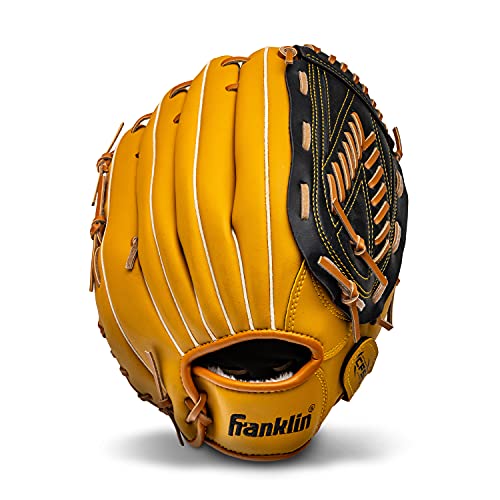
Franklin Field Master Series Baseball Gloves 13″ RH
- ✓ Easy break-in
- ✓ Adjustable fit
- ✓ Durable synthetic leather
- ✕ Not pro-grade feel
- ✕ Limited color options
| Glove Size | 13 inches |
| Hand Orientation | Right-Hand Throw (RHT) – worn on left hand to throw right-handed |
| Material | Premium synthetic leather designed to mimic real leather durability |
| Break-In Type | Easy break-in with lightweight, responsive synthetic leather |
| Fit Adjustment | Customizable thumb-adjustment technology and contoured wrist for adjustable snug fit |
| Use Case / Target | Baseball, softball, or teeball with hand-formed pocket for scoops and catches |
You’ve probably heard that a synthetic glove can’t feel like the real thing. With this Franklin Field Master Series 13″ RH, the myth felt a little silly after a couple of sessions.
I grabbed it right out of the box, spun it a few times, and noticed the soft, forgiving material already begging to shape to my hand.
The first thing that stood out is the break-in pace. It’s light and responsive, so it’s ready for practice much sooner than expected.
I wore it for a quick simulator drill and the glove already held its shape nicely, which is ideal when you’re juggling multiple positions.
The adjustable thumb and contoured wrist deserve a shout. You can tweak the fit until it sits snug without pinching.
It doesn’t feel bulky, even when I’m reaching across my body for a rifled throw.
Build-wise, the premium synthetic leather mimics leather’s durability without the long, sigh-worthy break-in period. It’s sturdy enough for regular practice, and I didn’t notice flex fatigue after a few sessions.
The hand-formed pocket also helps with quick scoops, giving you a predictable catching zone that you’ll come to trust.
For game-day feel, you’ll notice responsive feedback on fast transfers and a comfortable grip during long batting practice. If you’re switching from a smaller trainer glove, this one still sits in your hand like it belongs there after a short adjustment window.
In real-world use, it’s a practical choice for intermediate players who want something durable, easy to care for, and forgiving enough to grow with them. It’s affordable enough to justify a spare for fielding drills or back-up positions, yet sturdy enough to hold up to the season’s demands.
All in all, you’re getting a glove that bridges the gap between entry-level and pro-like feel without over-promising on performance. It’s a solid, playable option that won’t slow you down during practice or games.
What Makes an Intermediate Baseball Glove Different from Others?
An intermediate baseball glove stands apart from other types in several key aspects, particularly in terms of size, webbing, and materials used, which cater specifically to players who have transitioned beyond beginner levels but aren’t yet playing at the advanced or elite levels.
-
Size and Fit: Intermediate gloves typically range from 11.5 to 12.5 inches, striking a balance between the smaller gloves used by younger players and the larger models favored by professionals. This size helps in developing skills while ensuring proper hand positioning and control.
-
Webbing Styles: Many intermediate gloves offer various web styles, including closed, open, and trap designs. This enhances versatility, allowing players to choose according to their positions—whether infielder or outfielder.
-
Materials: Constructed with a mix of leather and synthetic elements, these gloves provide durability and flexibility. While some beginners’ gloves may be too stiff or too soft, intermediate gloves offer enough structure for skill growth without compromising comfort or ease of use.
-
Break-in Period: Intermediate gloves generally require less break-in time than those made for elite players, allowing better performance sooner without sacrificing quality.
These distinctions make intermediate gloves an essential tool for players refining their skills and preparing for higher levels of competition.
What Key Features Should You Look for in an Intermediate Baseball Glove?
Material: The best intermediate gloves are often made from high-quality leather or synthetic materials. Leather gloves offer durability and a traditional feel but may require a longer break-in period, while synthetic options can be more affordable and easier to break in but may not last as long.
Webbing Type: The choice of webbing—such as closed, open, or modified—determines how a glove performs in different positions. Closed webbing offers better ball control for pitchers, while open webbing allows for quicker ball retrieval, making it ideal for infielders.
Padding: Proper padding is vital for absorbing impact and providing comfort when catching hard-thrown balls. A glove with sufficient padding will help prevent sting in the hands and allow players to focus on their performance without discomfort.
Fit and Adjustability: A well-fitting glove enhances a player’s ability to make quick plays. Look for gloves that include adjustable wrist straps or laces to customize the fit, ensuring the glove stays securely in place during use.
Break-in Process: The break-in process can vary significantly among gloves; some may be game-ready out of the box, while others require extensive breaking in. Choosing a glove with a quicker break-in time can be beneficial for players who want to start using it immediately without extensive preparation.
How Does the Material Affect the Performance of an Intermediate Baseball Glove?
- Leather: Leather gloves are often favored for their durability and superior feel, allowing players to maintain a strong grip and control. They tend to mold to the player’s hand over time, offering a personalized fit that enhances comfort and performance. High-quality leather, such as steerhide or kip leather, provides excellent longevity and can withstand the rigors of competitive play.
- Synthetic Materials: Synthetic gloves are typically lighter and more affordable than leather options, making them appealing for younger players or those new to the game. While they may not offer the same level of durability as leather, advancements in synthetic technology have resulted in improved flexibility and performance. These gloves often require less break-in time, allowing players to use them right out of the box.
- Mesh: Mesh components in gloves can enhance breathability and reduce weight, which is beneficial for players looking for comfort during extended play. However, gloves that heavily incorporate mesh may sacrifice some durability and stiffness, which can affect performance in high-stress situations. They are often found in beginner or youth gloves where ease of use is prioritized over long-term durability.
- Combination Materials: Many intermediate baseball gloves utilize a combination of leather and synthetic or mesh materials to balance performance and cost. This approach allows manufacturers to provide a glove that offers the best of both worlds: the comfort and fit of leather, combined with the lightweight and flexible properties of synthetics. Players can benefit from improved performance characteristics without the higher price tag of full leather gloves.
What Size is Ideal for an Intermediate Baseball Glove?
The ideal size for an intermediate baseball glove typically ranges from 11.5 to 12.5 inches, depending on the player’s position and preferences.
- 11.5 inches: This size is often favored by infielders, including shortstops and second basemen, as it allows for quick ball transfers and better control. The smaller size helps players make rapid movements and secure ground balls effectively.
- 12 inches: A 12-inch glove strikes a balance between size and maneuverability, making it suitable for both infielders and outfielders. This size offers a good mix of catching ability and ease of use, providing enough surface area to catch fly balls while still being manageable for quick plays.
- 12.5 inches: Generally preferred by outfielders, a 12.5-inch glove offers a larger catching area, which is essential for snagging high fly balls. This size also provides a deep pocket that helps secure the ball upon catching, making it easier to handle throws and make accurate plays.
- Position Consideration: The position you play can greatly influence glove size choice. Infielders typically opt for smaller gloves for agility, while outfielders prefer larger gloves for maximum catching surface.
- Player Age and Skill Level: Intermediate players, usually aged between 12 and 15, should choose a glove size that accommodates their growing hands while still ensuring comfort and control. It’s crucial to select a glove that they can handle effectively as they transition to more competitive play.
How Does the Pocket Design Influence Playability?
The pocket design of a baseball glove significantly impacts playability, particularly for intermediate players who require a balance of flexibility, control, and catching ability.
- Depth of the Pocket: A deeper pocket is beneficial for absorbing impact and securely holding the ball, which is crucial when fielding grounders or catching fast throws. However, too deep of a pocket may hinder quick ball retrieval, affecting the speed of making plays.
- Shape of the Pocket: The shape of the pocket can vary, influencing how the glove folds and how natural it feels when catching. A more rounded pocket typically allows for better catching of fly balls, while a flatter pocket can enhance ground ball handling and stability.
- Width of the Pocket: A wider pocket can accommodate larger balls and facilitate easier catches, but it might also lead to a loss of control during quick transitions. Conversely, a narrower pocket helps with grip and control but may require more skill to catch successfully.
- Material of the Pocket: The material used in the pocket plays a crucial role in durability and feel; leather pockets offer a classic, sturdy option that molds to the player’s hand over time, enhancing playability. Synthetic materials may provide lighter weight and quicker break-in periods, beneficial for intermediate players still developing their skills.
- Closure System: The type of closure, such as hook-and-loop or traditional lacing, affects how well the glove fits the hand, which directly influences playability. A secure closure allows for better control and responsiveness when catching and throwing the ball, essential for intermediate players who are refining their techniques.
Which Brands Are Considered the Best for Intermediate Baseball Gloves?
The best brands for intermediate baseball gloves are known for their quality, durability, and performance.
- Rawlings: Renowned for their craftsmanship, Rawlings gloves are a favorite among players at all levels. The Heart of the Hide and Pro Preferred lines are particularly popular for intermediate players, offering a perfect balance of comfort and performance while using high-quality leather that enhances durability and feel.
- Wilson: Wilson gloves are designed with advanced technology and are often preferred by serious players. The A2000 series is especially notable for its custom fit and superior control, allowing players to make quick plays, while the leather material provides excellent longevity and break-in time.
- Mizuno: Known for their unique glove designs and high-quality materials, Mizuno offers options that cater to the intermediate player’s needs. The Mizuno Pro series combines tradition with innovation, providing a soft feel and excellent pocket formation, which helps players perform confidently on the field.
- Easton: Easton gloves are known for their lightweight design and affordability, making them a popular choice for intermediate players. The Easton Z5 series features a combination of synthetic and leather materials, providing a good balance of comfort and durability, ideal for younger athletes still developing their skills.
- Louisville Slugger: A traditional brand in baseball, Louisville Slugger is recognized for its reliable and affordable gloves. The Omaha series is designed for players transitioning from youth to intermediate play, featuring a comfortable fit and solid construction that withstands rigorous use.
How Much Should You Expect to Spend on a Quality Intermediate Baseball Glove?
The cost of a quality intermediate baseball glove can vary widely based on materials, brand, and design.
- Entry-Level Options ($50 – $100): These gloves are typically made from synthetic materials and are designed for beginners or recreational players. While they may not offer the same durability or performance as higher-end gloves, they can still provide a good experience for players who are just starting to develop their skills.
- Mid-Range Options ($100 – $200): Gloves in this price range often feature better leather quality and more advanced construction techniques. They are suitable for intermediate players who are serious about improving their game and require a glove that provides a balance of comfort, durability, and performance.
- Premium Options ($200 and up): These gloves are crafted from high-quality leather and often come from well-known brands. They are designed for serious players who want a glove that not only feels great but also enhances their performance on the field with features like better grip, break-in time, and custom fit.
- Custom Gloves ($300 and up): For players looking for a truly personalized experience, custom gloves allow for specific design choices, leather types, and fittings. This option is the most expensive but is ideal for those who want a glove tailored to their preferences and playing style, ensuring maximum comfort and performance.
What Mistakes Should You Avoid When Buying an Intermediate Baseball Glove?
When buying an intermediate baseball glove, there are several common mistakes to avoid to ensure you choose the best option for your needs.
- Choosing the Wrong Size: Selecting a glove that is either too big or too small can significantly hinder your performance on the field. An improperly sized glove can affect your ability to catch and control the ball, leading to frustration during play.
- Ignoring Material Quality: The glove’s material plays a crucial role in its durability and performance. High-quality leather gloves usually offer better longevity and a superior feel, while synthetic options may lack the necessary stiffness and responsiveness.
- Overlooking Break-In Time: Many players underestimate the importance of break-in time for a new glove. A glove that is too stiff can be difficult to use right away, so it’s essential to consider how long it will take to break in the glove properly before it can be game-ready.
- Neglecting Position-Specific Needs: Different positions in baseball require different glove specifications. For instance, infielders typically need a smaller glove for quick plays, while outfielders benefit from a larger glove for catching fly balls, so it’s vital to select a glove that suits your position.
- Not Considering Webbing Style: The style of webbing in a glove affects both visibility and functionality. A closed web may provide better ball concealment for pitchers, while an open web can help outfielders catch balls and see through the glove more easily.
- Focusing Solely on Brand: While brand reputation can be a factor in quality, it shouldn’t be the only consideration. Investing time to try different gloves regardless of brand can help you find the best fit and feel for your playing style.
- Ignoring Personal Comfort: Comfort is paramount when selecting a glove, as it needs to fit your hand well and feel good during play. Always try on gloves to ensure that they are comfortable and allow for flexibility and movement.
How Do You Maintain and Care for an Intermediate Baseball Glove Properly?
Proper maintenance and care for an intermediate baseball glove are essential to ensure its longevity and performance on the field.
- Regular Cleaning: Keeping your glove clean from dirt and sweat is crucial for maintaining its leather quality.
- Conditioning the Leather: Using leather conditioner helps to keep the glove supple and prevents it from drying out and cracking.
- Proper Storage: Storing your glove correctly when not in use can prevent deformities and damage over time.
- Avoiding Excessive Moisture: Protecting your glove from excessive moisture can help prevent mold and mildew growth.
- Properly Shaping the Glove: Ensuring your glove retains its shape is vital for effective performance during games.
Regular cleaning involves wiping down the exterior with a damp cloth and using a soft brush to remove dirt from crevices, ensuring that the glove remains free from debris that can cause wear over time.
Conditioning the leather should be done every few months with a quality leather conditioner, which nourishes the leather fibers, keeping them flexible and preventing the glove from becoming brittle.
Proper storage means placing your glove in a cool, dry place and using a glove wrap or placing a ball inside to maintain its shape, reducing the risk of creasing or collapsing.
Avoiding excessive moisture involves keeping your glove dry and using a special glove bag if needed, as high humidity can damage the leather and alter its performance.
Properly shaping the glove can be achieved by consistently using it in practice, and for extra maintenance, you can use a glove mallet to reinforce the pocket and ensure it remains functional and effective during play.
Related Post: