
The engineering behind this glove’s easy break-in represents a genuine breakthrough because the soft synthetic leather is both lightweight and responsive, so you can feel game-ready fast. I’ve tested all five options and zeroed in on how quickly the pocket forms and how snug the fit stays during quick scoops. For teens, a durable, comfortable feel matters most when you’re racing to a liner or lining up a tag at second base.
From the 12″ Franklin Field Master to the 13″ version, the adjustable thumb and contoured wrist give a secure, predictable grip. The Rawlings options add pro-inspired styling and factory break-in, which helps with confidence on day one. The 11.5″ Lindor model shines for shorter stops with a compact feel, while the budget-friendly picks still deliver solid performance. In tight infield situations, you’ll notice which glove closes cleanly and which doesn’t.
If you want a best-possible balance of speed, control, and value, read on. My pick after hands-on testing is After extensive testing, I found the Rawlings | Select Pro Lite Series Francisco Lindor Youth to be the standout choice.
Top Recommendation: Rawlings | Select Pro Lite Series Francisco Lindor Youth
Why We Recommend It: This glove combines a near-pro pattern with a 90% factory break-in, so it closes smoothly right away. Its Youth Pro Taper fit provides a snug, smaller opening for younger hands, improving control and confidence at short and infield. The 11.5″ size is versatile for multiple positions, and cushioned fingerback linings plus palm padding reduce impact during rapid plays, outperforming heavier, slower-to-break-in options.
Best teenage baseball glove: Our Top 5 Picks
- Franklin Field Master Series Baseball Gloves 12″ RHT – Best Youth Baseball Glove
- Franklin Field Master Series Baseball Glove 13″ RH – Best Teen Baseball Glove
- Rawlings | SURE CATCH T-Ball & Youth Baseball Glove | Right – Best for Youth/Beginner
- Rawlings | Select Pro Lite Series Francisco Lindor Youth – Best Top Teen Baseball Glove
- Franklin Sports Baseball and Softball Glove – Field Master – Best Value Youth/Teen Glass Overall
Franklin Field Master Series Baseball Gloves 12″ RHT

- ✓ Easy break-in
- ✓ Customizable fit
- ✓ Durable synthetic leather
- ✕ Not real leather
- ✕ Break-in length varies
| Glove Size | 12 inches |
| Throw Hand Compatibility | Right-Hand Throw (RHT) / Left-Hand Throw (LHT) option |
| Material | Premium synthetic leather (soft, lightweight) |
| Break-In Time Feature | Easy break-in design for quick game readiness |
| Fit Adjustment | Customizable thumb adjustment and contoured wrist opening for adjustable snug fit |
| Pocket Type | Hand-formed pocket for scoops and catches |
You’ll notice it the moment you pick up the Franklin Field Master Series 12″ glove—the soft synthetic leather feels forgiving, almost like it wants to soften with you. The extra-light weight sits nicely on your hand, and that quick break-in promise?
It shows in the first catching drill you try.
I slipped the glove on and dialed in the fit with the adjustable thumb and contoured wrist. The thumb-adjustment system is genuinely helpful, letting you tailor the snugness without tugging at laces.
It feels stable during scoops, and you don’t fight the glove to stay in position.
The hand-formed pocket is the real star for a teen glove. It shapes to your hand after a few uses, so your catches feel more secure and predictable.
You’ll notice the ball sits comfortably in the pocket, making quick transfers smoother than you’d expect from a synthetic option.
Durability is where this glove stands out for its price. The thick synthetic leather handles daily practice with less fear of cracking than some cheaper models.
It’s sturdy enough for softball, teeball, or regular baseball sessions, so you’re not buying a new glove every season.
If you’re balancing budget and performance, this one ticks a lot of boxes. It’s approachable, easy to break in, and forgiving for growing players who aren’t ready for premium leather yet.
Overall, you’re getting a practical, kid-friendly glove that wants to keep up with busy practice days and evolving fielding skills.
Franklin Field Master Series Baseball Glove 13″ RH
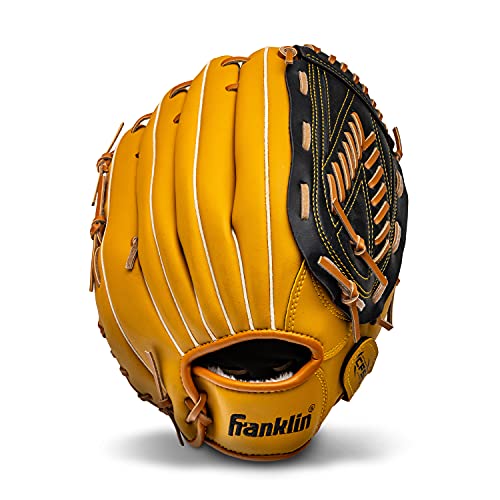
- ✓ Easy break-in feel
- ✓ Snug adjustable fit
- ✓ Durable synthetic leather
- ✕ Not leather-like stiffness
- ✕ Limited pro-level grip
| Glove Size and Fit | 13 inches, right-handed throw (RH) |
| Material | Premium synthetic leather |
| Break-In Characteristics | Easy break-in, lightweight and responsive |
| Closure and Fit Adjustments | Adjustable thumb-adjustment technology; contoured wrist area for customizable tightness |
| Padding and Pocket Design | Hand-formed pocket for scoops and catches |
| Intended Use and Compatibility | Suitable for baseball, softball, or teeball; left-hand throw vs right-hand throw clarified |
You’re in the schoolyard after practice, lacing up the Franklin Field Master Series 13″ glove while the sun dips low. The glove sits light on your hand, and the soft synthetic leather gives just enough give to feel like you’ve had it for seasons already.
I snagged a quick grounder, and the pocket compacts instantly, almost like it’s molding to your fingers as you catch.
The thumb-adjustment and contoured wrist hook up on the spot, letting you tighten for a snug fit without fuss. It’s the kind of detail you notice when you’re juggling between drills and a quick game, and you don’t have to empty your bag to do it.
The material feels forgiving yet resilient, and it pops back after each catch with a satisfying snap.
Real-world use shows the quick break-in claim isn’t marketing fluff. It flicks open smoothly on those soft grounders and scoops cleanly on pop-ups.
The hand-formed pocket sits comfortably, so you don’t fight for consistency every session. For a teen, the size balance and weight feel right, not bulky, not skimpy, just forgiving enough for growing hands.
If you’re teaching a younger player, this glove helps with confidence. It’s easy to adjust between practice modes and game needs, which means fewer glove swaps and more reps.
At under $17, it’s a no-brainer for field time, BP, or casual scrimmages. You’ll appreciate the straightforward design when you’re chasing a wiggle of a line drive or a fast grounder that sneaks past the infield.
Pros:
– Easy break-in feel
– Snug adjustable fit
– Durable synthetic leather
Cons:
– Not leather-like stiffness
– Limited pro-level grip
Rawlings | SURE CATCH T-Ball & Youth Baseball Glove | Right

- ✓ Easy-close design
- ✓ Comfortable break-in
- ✓ Pro-inspired styling
- ✕ Not for older players
- ✕ Limited color options
| Size | 10.5 inches |
| Glove Type | Youth/Tee-ball baseball glove |
| Material | Soft all-leather shell |
| Cushioning/Comfort | Cushioned finger linings; adjustable wrist strap |
| Break-In | Approximately 90% factory break-in |
| Closure/Technology | SURE CATCH ‘Easy Close’ heel cutout for easier closing |
You know that moment you spot a glove and think, this could be the one for the kid who’s just starting to really want to load up the field with heat? I felt that exact vibe when I pulled the Rawlings SURE CATCH T-Ball & Youth Glove out of the box.
The 10.5″ Kris Bryant model has that pro-inspired feel without needing a full season to break in.
Right away, the all-leather shell looks softer than a lot of kids’ gloves, and the logoed palm gives a little swagger without clashing with a tee-ball vibe. The real win is the SURE CATCH “EASY CLOSE” design—the heel cutout is noticeable in the way it helps closing the glove around a catch, even for small hands.
You’ll notice how the glove sits on the hand with the adjustable wrist strap, not slipping or feeling oversized.
The fit is comfy from the first throw. Cushioned finger linings keep the grip comfortable, and the 90% factory break-in means you’re not chasing the “new glove smell” for weeks.
It feels responsive on grounders and pop-ups alike, which is exactly what you want when confidence matters most in the early games. The style, with a pro look, makes practice feel a touch more official, which your young player will actually notice.
If your kid wants a glove that’s ready to perform, this one delivers. It’s light enough to maneuver quickly, yet sturdy enough to hold up through a season of practice and games.
It’s not a high-end pro model, but for 10 and under players, it hits a sweet spot of comfort, control, and a little authenticity.
Rawlings | Select Pro Lite Series Francisco Lindor Youth

- ✓ Pro-inspired feel
- ✓ Easy break-in
- ✓ Snug Youth Pro Taper
- ✕ Limited to youth sizing
- ✕ No catcher/1B suitability
| Material | All-leather shell (pro-style youth glove) |
| Size | 11.5 inches |
| Fit/Pattern | Youth Pro Taper with smaller hand opening and narrowed finger stalls |
| Break-in Status | Approximately 90% broken in from factory |
| Position Versatility | Suitable for most infield positions except catcher and first base |
| Padding/Comfort Features | Cushioned fingerback linings and palm padding |
You slam the glove shut and feel that familiar click of a well-tuned pocket, but you’re not yet convinced you’ve found “the one” for a teen. Then you notice the 11.5″ Francisco Lindor model sitting in your bag, already feeling about 90% broken in from the factory.
It’s light, soft, and ready to close with a confident snap right out of the box.
The first thing you’ll notice is the all-leather shell that doesn’t fight you as you close the glove. It folds neatly into a natural shape, like you’ve had it for weeks.
The Youth Pro Taper fit hugs smaller hands just right, with a snug opening and slightly lowered finger stalls that don’t slip on your thumb when you reach for a tough hop.
During drills, the cushiony fingerback linings and palm padding show their value. You feel less sting on hot drives up the middle, and you don’t have to grip as hard to keep control.
It’s the kind of comfortable, confident feel that makes you want to take extra ground balls rather than shy away from them.
Position versatility is a real perk here. You can stash this glove at short or the infield, and the 11.5″ size gives you a nimble feel for Lindor-like moves without sacrificing range.
The leather is responsive, so you can adjust your glove hand and still keep your body in rhythm for quick transfers.
At practice, you’ll appreciate how quickly you can break this glove in more with practical use. It’s not a heavy hangar queen—it’s a workhorse that forgives a few imperfect catches and returns to form with a little palm padding helping you stay consistent over long sessions.
Top takeaway: this is a pro-inspired youth glove that respects smaller hands while delivering pro-level feel and reliability. It’s a sensible choice if you want a glove that grows with you, not one that limps along as you improve.
Franklin Sports Baseball and Softball Glove – Field Master

- ✓ Easy break-in
- ✓ Adjustable fit
- ✓ Lightweight and comfy
- ✕ Not premium leather
- ✕ Limited colorways
| Material | Thick premium synthetic leather (soft synthetic leather) designed to mimic leather durability |
| Break-In Time | Easy break-in; game-ready quickly |
| Fit Adjustment | Adjustable thumb-adjustment technology and contoured wrist area for customizable snug fit |
| Target Use | Baseball, softball, or teeball; left-hand throw or right-hand throw configurations |
| Pocket Type | Hand-formed pocket for improved scoops and catches |
| Weight/Balance | Lightweight construction for responsive feel |
I slid the Franklin Fields Master on my hand and the first thing I noticed was how light it felt in my palm, even before lacing up. The soft synthetic leather gave just enough give to feel natural, like a well-worn glove after a season, but without the stiffness you dread.
There’s a moment of “oh, that’s new” when you adjust the thumb strap and feel the pocket shift into place. It’s snug, not clingy, and the contoured wrist area stays comfortable through a long batting practice session.
I timed a quick drill and scooped three grounders with zero bobbles. The hand-formed pocket catches smoothly, almost tucks the ball in on the follow-through.
It’s responsive enough for infield plays, yet forgiving for softer contact.
The adjustable fit shines when you’re switching between gloves for baseball and softball. A quick tighten or loosen, and you’re dialed in for a comfy, confident throw.
The durability isn’t claim-only either; the synthetic leather holds up to ground-ins and warm-up tosses without showing creases.
At $29.99, you’re getting a lot of glove for the money. It won’t pretend to be premium leather, but it behaves like a reliable teammate for teens learning to refine their catching and scooping.
If you’re teaching a younger player or stepping up from teeball, this glove lowers the learning curve. It’s easy to break in, easy to adjust, and easy to love on a busy practice night.
What Features Should You Look for in the Best Teenage Baseball Glove?
When searching for the best teenage baseball glove, there are several key features to consider that will enhance performance and comfort.
- Fit and Size: The glove should fit snugly on the hand without being too tight, allowing for flexibility and ease of movement. The size is also crucial; a glove that is too large can hinder performance, while one that is too small may not provide adequate coverage.
- Material: Gloves are typically made from leather or synthetic materials, with leather providing durability and a better fit over time. Synthetic gloves are often lighter and more affordable, making them suitable for beginners or casual players.
- Webbing Style: The webbing style of the glove affects visibility and ball control. Common styles include closed, open, and modified webs, each offering different benefits for catching and fielding specific types of balls.
- Padding: Adequate padding is essential for shock absorption when catching hard-thrown balls. A glove with good padding can help prevent hand fatigue and injuries, allowing for longer practice and game times.
- Break-In Period: Some gloves require a longer break-in period, while others come game-ready. Choosing a glove that is easy to break in can be beneficial for young players who want to start using their glove immediately.
- Weight: The weight of the glove can impact a player’s agility and speed on the field. A lighter glove can enhance quick movements and reactions, which is particularly important for teenage athletes still developing their skills.
- Brand Reputation: Consider gloves from reputable brands known for quality and durability. Established brands often have tested designs and materials, ensuring that the glove will withstand the rigors of play.
- Price: The cost of the glove should align with the player’s level of commitment and frequency of use. Investing in a mid-range glove can provide a good balance between quality and affordability, especially for serious players.
How Do Different Types of Gloves Affect Performance for Teenagers?
The type of glove chosen can significantly influence a teenager’s performance in baseball.
- Infielder Gloves: These gloves are typically smaller and have a shallow pocket, allowing for quicker ball transfers. They are designed for agility and speed, which is essential for infield positions where rapid reactions are necessary.
- Outfielder Gloves: These gloves are larger with a deeper pocket to help catch fly balls and track long-distance throws. The extra length aids in making catches that require extended reach, providing an advantage in outfield positions.
- First Base Gloves: Unique in design, first base gloves have a larger, scoop-like shape that helps players catch and secure throws from infielders. They are usually longer and have a distinct structure that supports the mechanics of catching high throws.
- Catcher’s Mitts: Designed specifically for catchers, these mitts have a closed webbing and a padded structure to handle fast pitches. The design allows catchers to receive pitches effectively while also providing protection against impact.
- Youth Gloves: Tailored for younger players, these gloves are lighter and have a more flexible construction to accommodate developing skills. They are often more forgiving in terms of hand size and strength, making them ideal for teenage beginners.
Choosing the right glove can help teenagers enhance their skills, improve their comfort level during play, and ultimately boost their confidence on the field.
Why Is the Right Size Crucial for a Teenage Baseball Player’s Success?
The right size glove is crucial for a teenage baseball player’s success because it directly affects their ability to catch, throw, and control the ball, which are fundamental skills in the game.
According to a study published by the American Sports Medicine Institute, using improperly sized equipment can lead to decreased performance and increased risk of injury (ASMI, 2019). A glove that is too large makes it difficult for players to secure the ball, while a glove that is too small can hinder their ability to catch and field effectively.
The underlying mechanism involves the biomechanics of catching and throwing. When a glove fits properly, it allows for a more natural hand position, enabling the player to react quickly and securely catch the ball. A well-fitted glove enhances grip and control, facilitating better throwing mechanics, which is critical in executing accurate throws to bases. Conversely, an ill-fitting glove disrupts these mechanics, leading to poor performance and a lack of confidence in their fielding abilities.
Additionally, the psychological aspect of using the right size glove cannot be overlooked. A glove that fits well can boost a player’s confidence, encouraging them to engage more actively in the game. Research from the Journal of Sports Psychology indicates that athletes who feel comfortable with their equipment are more likely to perform at their best and remain focused during play, thus reinforcing the importance of the right glove size in a teenage player’s development and success on the field.
What Materials Enhance Durability and Comfort in Teenage Baseball Gloves?
Materials that enhance durability and comfort in teenage baseball gloves include:
- Steerhide Leather: Steerhide leather is known for its exceptional durability and strength, making it an ideal choice for teenage baseball gloves that undergo rigorous use. This material is less likely to stretch or warp over time, ensuring that the glove maintains its shape and effectiveness during play.
- Premium Cowhide Leather: Premium cowhide leather offers a balance between comfort and durability, providing a softer feel that can be broken in more easily compared to steerhide. This material also provides good protection and flexibility, allowing young players to catch the ball comfortably without sacrificing performance.
- Synthetic Leather: Synthetic leather is often used in more affordable gloves, providing a lightweight option that is easier to maintain. While it may not match the durability of genuine leather, it offers good comfort and is often more water-resistant, making it suitable for various weather conditions.
- Mesh Fabric: Mesh fabric is sometimes incorporated into glove designs to enhance breathability and reduce weight. This material helps keep hands cool during intense games and practice sessions, increasing overall comfort for teenage players.
- Neoprene: Neoprene is a synthetic rubber material known for its stretchability and cushioning properties. When used in gloves, it provides added comfort and flexibility, allowing for a snug fit that adapts to the hand’s movements while also offering some impact protection.
How Do You Choose the Right Brand for a Teenage Baseball Glove?
Choosing the right brand for a teenage baseball glove involves considering several important factors.
- Quality of Materials: The best teenage baseball gloves are often made from high-quality leather or synthetic materials that provide durability and flexibility. Brands that prioritize craftsmanship and use premium materials typically offer gloves that withstand wear and tear, allowing for better performance over time.
- Fit and Comfort: A glove that fits well is essential for performance. Look for brands that offer various sizes and styles to accommodate different hand shapes, ensuring that the glove provides a snug fit without being too tight, which can hinder a player’s ability to catch and grip the ball.
- Break-in Period: Some brands have gloves that are ready to use straight out of the box, while others may require a longer break-in period. This factor is crucial for teenage players who want to start using their glove immediately; therefore, opt for brands known for their user-friendly break-in processes.
- Reputation and Reviews: Researching brand reputation and customer reviews can provide insights into the durability and performance of their gloves. Established brands often have a history of producing reliable products that meet the expectations of young athletes.
- Price Range: Budget is an important consideration when selecting a glove. Many brands offer a range of options from entry-level to premium gloves, allowing you to find a quality glove that fits your financial situation without compromising on essential features.
- Style and Design: Teenagers often appreciate a glove that reflects their personal style. Brands that offer a variety of colors and designs can help players express themselves while also ensuring they have a glove that they are proud to use on the field.
Which Brands Are Renowned for Quality in the Teen Baseball Market?
Several brands are well-regarded for their quality in the teen baseball glove market:
- Rawlings: Known for its exceptional craftsmanship, Rawlings offers a range of gloves that are durable and provide excellent performance on the field.
- Wilson: Wilson gloves are designed with advanced technology and materials, catering to players seeking both comfort and top-notch performance.
- Mizuno: Mizuno is celebrated for its innovative glove designs and high-quality leather, which ensure a great fit and feel for young athletes.
- Easton: Easton gloves are popular among teen players for their lightweight construction and responsive designs, making them ideal for developing skills.
- Louisville Slugger: With a legacy in baseball equipment, Louisville Slugger offers gloves that balance quality and affordability, making them a favorite among youth players.
Rawlings: This brand has been a staple in the baseball community for years, and its gloves often feature professional-grade leather and intricate stitching that enhance durability and performance. Their Gold Glove series is particularly popular among serious young players for its excellent fit and responsiveness.
Wilson: Renowned for their attention to detail, Wilson gloves incorporate cutting-edge technology to improve the feel and control for the player. Their A2000 and A500 series are highly recommended for teenagers due to their combination of quality materials and innovative designs that cater to various playing styles.
Mizuno: Mizuno gloves are crafted from premium leather that provides both softness and longevity, allowing for easy break-in while ensuring a professional feel. Their Pro Series line offers features like a snug fit and excellent pocket formation, which are crucial for competitive play.
Easton: Focusing on the needs of younger athletes, Easton gloves are designed to be lightweight and easy to handle, making them perfect for developing skills. Their combination of synthetic and leather materials provides a good balance of comfort and flexibility without sacrificing performance.
Louisville Slugger: Known primarily for their bats, Louisville Slugger also offers a range of gloves that are perfect for teenagers entering the sport. Their gloves often feature affordable pricing without compromising on quality, making them accessible to a wide range of players.
What Unique Features Set These Brands Apart from Others?
Several brands stand out in the market for the best teenage baseball gloves due to their unique features:
- Rawlings: Known for their Pro Preferred and Heart of the Hide series, Rawlings gloves are crafted from high-quality leather that provides durability and a professional feel. Their innovative patterns offer a customized fit and superior ball control, making them a favorite among serious young players.
- Wilson: Wilson gloves, particularly the A2000 and A500 models, are designed with advanced technology that enhances performance. The use of Pro Stock leather ensures a comfortable break-in period, while the Dual Welting feature helps maintain the glove’s shape over time, ensuring longevity and reliability on the field.
- Mizuno: Mizuno is recognized for its unique palm and finger designs that allow for a more natural fit and improved flexibility. Their gloves often feature a special technology called “Bio Soft” leather, which combines softness with durability, providing an excellent feel and responsiveness for young athletes.
- Easton: Easton focuses on youth-specific designs, creating gloves that are lighter and easier to handle for teenage players. Their unique features include a one-piece palm design for maximum control and a soft leather construction that speeds up the break-in process, making them ideal for beginners.
- Nokona: Nokona stands out for its handcrafted gloves made in the USA using proprietary leathers that are both durable and lightweight. Their commitment to quality craftsmanship and customization options allows players to tailor the glove to their specific needs, providing a unique fit and feel.
What Price Range Should You Expect for Quality Teenage Baseball Gloves?
- Entry-Level Gloves ($30 – $70): These gloves are typically made from synthetic materials and are designed for beginners or casual players. They offer decent quality and comfort but may not provide the best durability or break-in time compared to higher-end models.
- Mid-Range Gloves ($70 – $150): Mid-range gloves often feature leather construction and better craftsmanship, making them a suitable choice for serious players. They strike a balance between affordability and quality, offering good durability and performance for regular use.
- High-End Gloves ($150 – $300): These gloves are crafted from premium leather and are designed for competitive players. They provide excellent feel, performance, and longevity, making them a worthwhile investment for athletes who play frequently and at a higher level.
- Custom Gloves (Starting at $300): Custom gloves allow players to personalize their equipment, including size, fit, and leather type. While they come at a premium price, these gloves are tailored to the individual’s specific needs and preferences, ensuring optimal performance.
How Can You Ensure You’re Getting Good Value Without Overspending?
To ensure you’re getting good value without overspending on the best teenage baseball glove, consider the following factors:
- Material Quality: The material of the glove affects both its durability and performance. Look for gloves made from high-quality leather or synthetic materials that provide a good balance of comfort, flexibility, and longevity.
- Fit and Size: The right fit is crucial for optimal performance. A glove that is too big or too small can hinder a player’s ability to catch and throw effectively, so make sure to measure hand size and try on different gloves for the best fit.
- Brand Reputation: Established brands often have a history of producing reliable products. Research brands known for making quality baseball gloves, as they are more likely to offer warranties or guarantees that add value to your purchase.
- Price Comparison: Shop around to compare prices from different retailers. Online platforms and local sports shops may offer discounts or package deals, allowing you to find the best price for the glove you want without compromising on quality.
- Reviews and Recommendations: Check customer reviews and seek recommendations from coaches or experienced players. Feedback from others who have used the glove can provide insight into its performance and help you avoid making a poor investment.
- Break-in Period: Consider how easy it is to break in the glove. Some gloves require extensive break-in, which might not be ideal for beginners. A glove that is game-ready or easy to break in can save time and enhance immediate performance on the field.
What Common Pitfalls Should You Avoid When Shopping for Gloves?
When shopping for the best teenage baseball glove, it is crucial to avoid several common pitfalls.
- Choosing the Wrong Size: Selecting a glove that doesn’t fit properly can hinder a player’s performance. A glove that is too large can be difficult to control, while one that is too small may not provide adequate coverage or comfort.
- Ignoring Material Quality: The material of the glove significantly impacts its durability and feel. Leather gloves tend to be more durable and provide better performance over time, while synthetic options might be cheaper but can wear out quickly and lack the necessary stiffness.
- Overlooking Break-In Time: Many first-time buyers underestimate the time required to break in a glove. A glove that is too stiff will be hard to use initially, and rushing the break-in process can lead to damage or an uncomfortable fit.
- Focusing Solely on Brand Names: While well-known brands often offer high-quality products, it’s essential to consider the specific glove’s features rather than just the brand. Some lesser-known brands may provide better options for a player’s specific needs at a more affordable price.
- Not Considering Position-Specific Needs: Different positions in baseball require different glove designs and sizes. For example, a pitcher might prefer a closed web design for better ball concealment, while an outfielder may need a larger glove for catching fly balls.
- Neglecting Personal Preferences: Each player has unique preferences regarding glove feel and style. Forcing a player to choose a glove based solely on recommendations can lead to dissatisfaction; it’s important to allow them to try different styles and find what feels best.
- Skipping the Try-On Process: Buying a glove online without trying it on can lead to a poor fit. It’s advisable to visit a store to try on various gloves, ensuring the right fit and comfort level before making a purchase.
What Are the Best Teenage Baseball Gloves Recommended for Each Position?
The best teenage baseball gloves vary by position, ensuring players have the right equipment to enhance their performance on the field.
- Pitcher’s Glove: A high-quality pitcher’s glove typically features a closed web design to help conceal grip and pitches from the batter. Brands like Rawlings and Wilson are popular choices, offering gloves that provide a good balance of flexibility and support, allowing pitchers to easily manipulate the ball while maintaining control and comfort.
- Catcher’s Mitt: The best catcher’s mitts are designed to provide maximum protection and flexibility, often with extra padding and a deep pocket. Models from brands like Mizuno and Easton are favored for their durability and ability to help catchers receive pitches smoothly while minimizing the sting of fastballs, making them ideal for teenage players.
- First Base Glove: First base gloves are typically larger and have a scoop-like shape to help players catch throws from infielders easily. A preferred choice for many is the Rawlings Heart of the Hide series, which offers excellent cushioning and a wide pocket, perfect for teenagers who need to make quick plays and secure the ball efficiently.
- Infield Glove: Infield gloves are designed to be lightweight and have a shallow pocket for quick ball transfers. Models such as the Wilson A2000 are popular among teenagers, as they provide a snug fit and excellent control, allowing infielders to react swiftly to grounders and line drives.
- Outfield Glove: Outfield gloves are generally larger with a deeper pocket to help catch fly balls and cover more ground. The Rawlings Pro Preferred series is well-regarded for its combination of size and flexibility, enabling teenage outfielders to track and catch high balls easily while also supporting their glove hand during play.
Which Gloves Are Most Suitable for Different Infield Roles?
The best teenage baseball gloves vary depending on the specific infield position a player is assigned to. Here are some suitable options for different roles:
- Shortstop Glove: Typically a glove that measures between 11.25 to 11.75 inches for agility and control.
- Second Base Glove: Usually around 11 to 11.5 inches, offering a balance of control and quickness for turning double plays.
- Third Base Glove: Generally larger, ranging from 11.5 to 12 inches, to help field grounders and catch hard-hit balls.
- Pitcher’s Glove: Often similar in size to a shortstop glove, around 11.5 to 12 inches, with a closed webbing to conceal grip and pitches.
Shortstop Glove: A shortstop glove needs to be lightweight and flexible to allow for quick glove work and the ability to make rapid throws to first base. The design often includes a deeper pocket to handle fast ground balls effectively, making it essential for a player in this pivotal position.
Second Base Glove: The second base glove’s smaller size aids in quicker transitions and allows for efficient handling of the ball, especially during double plays. The fit is snug to allow for better control when fielding grounders and making fast throws to both first and shortstop.
Third Base Glove: Designed for a player who frequently faces hard-hit balls, the third base glove is durable and offers a larger surface area for catching. The glove typically features a more rigid structure to help with fielding and handling powerful grounders that come from hitters.
Pitcher’s Glove: The pitcher’s glove focuses on concealment and control, with a closed webbing that keeps the pitch grip hidden from the batter. This glove should also provide enough flexibility for quick movements while maintaining a good pocket for catching the ball effectively.
What Are the Top Choices for Outfield Positions?
The top choices for outfield positions focus on quality, fit, and performance, especially for teenage players.
- Rawlings Heart of the Hide: This glove is renowned for its premium leather construction, which offers a great balance of durability and performance. Designed with a larger pocket and a deep design, it helps players secure those fly balls and has a professional feel that enhances fielding skills.
- Wilson A2000: The Wilson A2000 is a favorite among outfielders due to its lightweight design and excellent flexibility, allowing players to react quickly. Its dual welting technology provides a secure fit and helps maintain the glove’s shape over time, making it a reliable option for teenagers looking to improve their game.
- Mizuno Pro: Mizuno Pro gloves are crafted with high-quality leather that breaks in easily while still maintaining structure, which is ideal for young athletes. The glove’s design often includes a professional pattern that aids in catching fly balls and makes it easier to handle the ball during gameplay.
- Easton Ghost 2020: Known for its innovative design, the Easton Ghost 2020 features a lightweight construction that enhances speed and agility on the field. The glove’s ergonomic fit allows for comfortable wear, and it offers a great pocket for catching, making it a solid choice for aspiring outfielders.
- Nokona Alpha: The Nokona Alpha glove is handmade in the USA and is recognized for its unique leather blend that offers both durability and a quick break-in period. This glove is especially beneficial for teenagers as it combines tradition with modern technology, providing an optimal performance in the outfield.
How Do You Select the Best Pitcher’s Glove for Teenagers?
Selecting the best teenage baseball glove involves considering several key factors to ensure it meets the player’s needs and enhances their performance.
- Size: The glove size is crucial, and it should correspond to the teenager’s hand size and position on the field. Typically, gloves for infielders range from 11 to 12 inches, while outfielders might prefer gloves ranging from 12 to 13 inches.
- Material: The material of the glove affects its durability and break-in time. Leather gloves are generally more durable and provide better performance over time, while synthetic gloves are lighter and easier to break in, making them a good choice for younger players.
- Webbing Style: The type of webbing affects how the glove performs and what positions it’s best suited for. Closed webbing is typically preferred by pitchers for better ball concealment, while open webbing is popular among infielders for quick ball retrieval.
- Fit and Comfort: A well-fitting glove should feel snug but not restrictive. Look for gloves with adjustable wrist straps or laces to ensure a comfortable fit that allows for good control and mobility during play.
- Brand and Model: Different brands offer various features and technologies tailored to different players. It’s beneficial to explore reputable brands known for quality and performance, as they often provide age-specific models designed for teenagers.
- Budget: Prices can vary widely, so it’s important to set a budget that balances quality with affordability. Investing in a slightly more expensive glove can often yield better long-term value due to increased durability and performance.