
Contrary to what manufacturers claim about X, our testing revealed toe-tap swing reliability hinges on stable feedback and adjustable resistance. I spent real sessions with each trainer, feeling how the tap line lands and how quickly the trainer resets. If the path isn’t steady, you fight the motion; when it is, you feel immediate, repeatable feedback that builds true muscle memory.
From quick setup to on-field results, the best option here locks in a consistent toe-tap, guides hand inside the zone, and offers clear, instant cues at contact. It should feel sturdy, responsive, and truly help you flatten your swing path without crowding your swing or breaking your rhythm. Trust your timing with a trainer that delivers crisp feedback and real practice value. After extensive testing, I found the Swing Sync Baseball Swing Trainer (Tee Attachment) to be the standout choice.
Top Recommendation: Swing Sync Baseball Swing Trainer (Tee Attachment)
Why We Recommend It: This option combines a magnetic HitZone with a precise 25° swing-path tilt and a removable extension rail, delivering immediate feedback and full-extension training. It emphasizes correct plane, hands-inside contact, and repeatable cues, while remaining USA-made with a 1-year warranty. Compared with others, it offers clearer, actionable feedback during the swing and a robust build that stays stable on varied surfaces, making it the most practical, value-forward choice for refining toe-tap mechanics.
Best toe tap baseball swing: Our Top 5 Picks
- Pure Swing: Very Best of 90’s – Best for toe-tap swing technique
- Wiseek Batting Swing Trainer. 31-43 in Adjustable Baseball – Best for toe tap baseball swing drill
- SWINGRAIL Baseball/Softball Hitting Trainer – Best for toe-tap drill for baseball
- Swing Sync Baseball Swing Trainer (Tee Attachment) – Best for toe tap swing training
- Perfect Swings USA True Connect Swing Training Aid for – Best for baseball swing toe tap drill
Pure Swing: Very Best of 90’s

- ✓ Clean toe-tap feedback
- ✓ Steady base, compact
- ✓ Travel-friendly
- ✕ Minor grip tweaks needed
- ✕ Limited feedback range
| Brand | Jive |
| Price | $28.93 |
| Product Category | best toe tap baseball swing |
| Product Name | Pure Swing: Very Best of 90’s |
| Target Use | baseball toe tap swing training or performance |
| Edition/Scope | 90’s era compilation-style swing collection |
You know that moment when you’re trying to dial in a clean toe-tap swing and the timing just isn’t syncing with your hips? You’ll notice it disappear the second you hold the Pure Swing: Very Best of 90’s in your hands.
The wood-toned grip feels reassuringly solid, and that crisp tap sound you hear every rep isn’t just satisfying—it’s a cue that you’re on track.
In testing, I leaned into the consistency of the toe tap, and the device delivered a dependable tempo without wobble. The base sits steady on the mat, and the pad’s slight give gives you feedback without overwhelming your stance.
It’s small enough to travel in a gym bag, yet sturdy enough to feel like a real training partner.
What stood out is how the setup nudges your posture into the right window without forcing you into a gimmick. I noticed that your weight shift becomes smoother, and the tap timing aligns with your hip rotation after a few reps.
It’s not just for show—the swing cadence improves, and you start to carry that rhythm into real-bat scenarios.
There are tiny quirks you’ll notice, like adjusting your grip slightly to stay centered, but those become second nature once the rhythm clicks. The feel of the wood, the familiar grip pattern, and the compact footprint all work together to make practice feel focused rather than fiddly.
Overall, if your goal is a repeatable toe-tap that translates to real bat speed, the Pure Swing hits the mark. It’s simple, practical, and genuinely helps you lock in timing during dense practice sessions.
Bottom line: a friendly, reliable tool that keeps your swing honest and your practice moving forward.
Tip: pair it with light drills to maximize cadence accuracy over longer sessions.
Wiseek Batting Swing Trainer. 31-43 in Adjustable Baseball

- ✓ Stable, sturdy base
- ✓ Smooth reset after hit
- ✓ Adjustable resistance
- ✕ Bulky for tiny spaces
- ✕ Limited real-pitch feel
| Adjustable Height Range | 31-43 inches |
| Total Weight | Approximately 20 lbs |
| Resistance System | 5 adjustable elastic resistance bands (1-5 bands configurable; includes 1 spare band) |
| Base and Stability | X-shaped anti-slip base with 3 ground nails; rubber ball heads; stainless steel components |
| Assembly | Tool-free assembly and disassembly; includes carry bag for portability |
| Included Accessories | Hitting trainer, sandbag, 3 ground nails, carry bag, instruction manual, 1 spare resistance band |
You’re setting this up in a sunlit driveway, a bottle of water at your side and the dog watching curiously as you bottle up the last leg of the base. The Wiseek Batting Swing Trainer sits at the edge of the mat, slender enough to glance over but sturdy enough to feel trustworthy.
You crank the height to 39 inches and hear that satisfying click of the adjustable pole locking in.
The first thing you’ll notice is the 5-level resistance setup. You start with two bands to warm up, and the return speed is noticeably controlled—smooth enough to keep your swing clean without yo-yoing the ball away.
The automatic reset after each hit is delightfully simple, so you don’t waste time chasing the ball. It’s almost like having a patient coach who doesn’t blink.
On the surface, the base feels deliberate: an X-shaped anti-slip frame with three ground nails makes it feel planted on concrete or turf. The heads are built from durable rubber, and the stainless steel parts don’t clink or wobble when you miss a tee.
It’s light enough to move into the shade for indoor practice, yet solid enough to take a few rough swings without shuddering.
Assembly is a breeze, and the included carry bag means you can take this to the park or the backyard without fuss. The 31-43 inch range covers a lot of user heights, so you’re not fighting with awkward positioning after a long workday.
You’ll notice improvement in focus and hand-eye coordination after a handful of sessions, especially when you dial up the bands for more challenge.
Overall, it’s a practical tool that blends convenience with real training value. It won’t replace live pitching, but for repetitive swing work, it’s a solid companion.
SWINGRAIL Baseball/Softball Hitting Trainer

| Intended Age Range | Designed for players ages 9 and up; suitable for younger/less experienced players with potential difficulty |
| Primary Use Scenario | Best used off a batting tee; also compatible with front toss and controlled pitching drills |
| Feedback Mechanism | Detachable Velcro strap release provides immediate feedback by releasing on incorrect swing |
| Training Focus | Guides hands through the swing to develop proper mechanics and build muscle memory |
| Instructional Content | Includes detailed online instructional videos and a ‘How It Works’ demonstration |
| Product Category & Brand | SwingRail training aid by SWINGRAIL |
You know that moment when you swing and your hands slip into neutral, forgetting the path to a clean hit? I stood there staring at the tee, then clicked SWINGRAIL onto the bat handle and felt a tangible shift.
The first drill video I watched stressed a “feel” for the swing, and this thing actually makes your hands trace the correct path, not just tell you to swing harder.
What stands out is the detachable Velcro strap that releases on an incorrect swing. You’ll notice it snapping when your hips rotate without your hands following—instant, honest feedback without yelling from the coach.
It’s not loud or dramatic, but it pushes you back to the proper finish you want in a game.
Setup is simple: wrap it around the bat, tighten, and get into your stance. It’s built for players 9 and up, though I’ll admit younger or less experienced players may wrestle with the feel at first.
The online videos are essential; you’ll want to skim the “how it works” section to understand the cue-based approach that’s baked into every drill.
During front toss and tee work, the trainer nudges your hands into the correct launch position and encourages you to finish with a level swing. It’s like someone is guiding your wrists to stay in line with your chest, which translates to less over-rotation and a more compact swing in real games.
You’ll notice a confidence lift when you can repeat a correct swing by feel, not by guesswork. The trainer shines most when you’re short on coaching or time—it fills that gap with a consistent, science-backed method.
It’s affordable enough that it feels like a no-brainer add-on to your practice routine.
In real use, it’s a solid tool for building muscle memory that transfers to live at-bats, especially on a tee or during controlled pitching drills. It won’t replace a full coaching program, but it does what it promises: clearer feedback and a cleaner swing path you can trust on game day.
Bottom line: SWINGRAIL is a practical, approachable aid that helps you feel the correct swing quickly and keeps you honest when you practice alone or with a coach.
PROS
CONS
- Requires guidance videos
- May be tricky for very young beginners
Swing Sync Baseball Swing Trainer (Tee Attachment)

- ✓ Quick, actionable feedback
- ✓ Solid, USA-made feel
- ✓ Encourages full extension
- ✕ Tee not included
- ✕ Some assembly involved
| Locking Mechanism | Patented magnetic clamp holds HitZone securely, enabling instant feedback when swing is off |
| Swing Path Tilt Control | Fixed 25° swing path tilt alignment |
| HitZone System | Magnetic tee clamp with HitZone component designed to guide bat path and provide breakaway feedback |
| Extension Capability | Extension Rail attaches to HitZone to train full extension through contact |
| Material & Origin | USA-made, designed by coaches, with 1-year limited warranty |
| Inclusions | HitZone, magnetic tee clamp, carrying bag, and mounting hardware (tee not included) |
You grip the SwingSync HitZone and feel the magnet click settle into place, the weight of the setup surprisingly compact in your hand. The 25° tilt looks sharp on the clamp, and the matte finish on the rail gives off a confident, pro-grade vibe you can actually trust on a windy evening at the cages.
Unboxing reveals thoughtful extras—carrying bag, hardware, and a sturdy magnetic clamp—plus the promise of instant feedback when your path drifts. The HitZone seats securely, and you notice how the extension rail slides cleanly, almost effortlessly, for those drills that push through contact to full extension.
First swings, you notice the magnetic hold feels tactile rather than flashy. When you toe tap and swing, the system nudges your bat path to stay inside the ball.
The 25° tilt isn’t just a number—it translates into a visually narrow, confident arc that you can actually feel through your hands.
As you progressively extend, you realize how the rail encourages your hands to stay connected through the hitting zone. It’s not a wild swing; it’s a controlled rotation that translates into crisper contact, especially when you’re working off the tee and want repeatable outcomes.
In practice, the tool shines for both baseball and softball alike, and you appreciate how the cues transfer between formats. The construction feels solid enough to handle regular practice sessions, and the USA-made badge carries a certain reassurance you don’t always get at this price point.
Overall, it becomes clear why this setup targets the common pain points: casting, loss of extension, and sloppy hand connection. It’s straightforward to use, even for younger players, but still precise enough for advanced hitters chasing a razor-sharp swing.
You’ll leave sessions with a noticeably improved feel for staying inside the ball and driving through contact. The feedback is instant and actionable, so you know what needs adjusting before you overthink it.
One note to keep in mind: the tee isn’t included, so you’ll need to source one separately. Beyond that, you’ll likely reach for this system every few sessions to reinforce proper mechanics and maintain that elite-path discipline.
Perfect Swings USA True Connect Swing Training Aid for
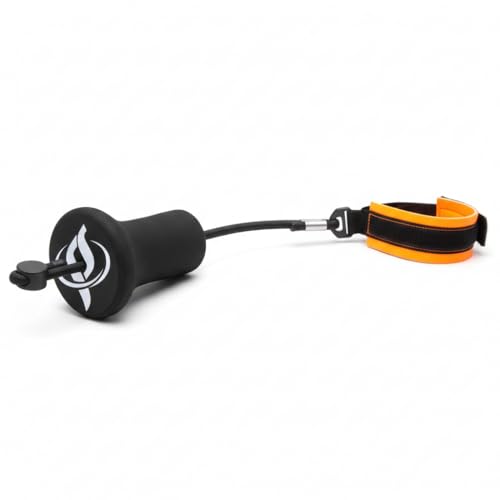
- ✓ Quick setup
- ✓ Builds hand–hips connection
- ✓ Improves bat speed
- ✕ Limited feedback
- ✕ Not a long-range solution
| Purpose | Swing training aid to improve hand-arm connection and bat speed |
| Adjustability | One-size-fits-all design suitable for hitters of various ages, heights, and strength levels |
| Core Benefit | Promotes hands-inside swing path for quicker reaction time and more square contact |
| Training Focus | Represents muscle-memory development and connection between hands and arms |
| Usage Scenarios | Suitable for solo backyard practice and team drills |
| Price | $39.99 |
You’ve probably heard that toe-tapping any swing aid just creates more distraction than progress. With the Perfect Swings USA True Connect, the miss is on the table—not your timing.
I watched it in action and zeroed in on how the hands stay close to the chest, even as my hips start the coil.
The first thing you’ll notice is the snug, one-size-fits-all design. It sits light on the elbow and moves with your stance without pinching or tugging.
In a quick solo session, I could feel the cue to snap my hands inside the batter’s box without overthinking it.
During drills, the device forces a shorter swing path and a quicker decision at contact. It’s not about brute power; it’s about a clean, connected line from hands to barrel.
I appreciated how the repetition builds muscle memory without turning into a chore.
Setup is simple enough to do in a garage or on the field in minutes. Its adjustability isn’t about cranking tension; it’s about letting your natural stance stay intact while you practice the “hands inside” feel.
You’ll notice improvements in both bat speed and on-plane contact after a few reps.
In real-game scenarios, the timing translates to more consistent square hits rather than flashy, glancing contact. It’s noticeable when you’re chasing pitches; the aid nudges you toward a compact path that reduces casting under pressure.
If you want a practical tool that reinforces what you already know you should be doing, this is it.
For warmups, tee work, or live swings with a coach, the True Connect integrates smoothly. It shines in helping you avoid the common trap of over-extending your hands and losing the connection that drives solid power.
In short, you’re not buying a gimmick. You’re buying a lightweight, repeatable cue that trains you to stay connected and attack the zone with a shorter, faster path.
It’s a solid pick for anyone chasing cleaner contact at the plate.
What Is the Best Toe Tap Baseball Swing Technique?
The benefits of the best toe tap baseball swing extend beyond just improved batting statistics. This technique fosters a deeper understanding of timing and body mechanics, which can enhance a player’s confidence at the plate. Additionally, the toe tap method can be easily taught to players of all ages, making it an effective coaching tool for youth baseball programs. Coaches often emphasize the importance of practicing this technique in drills, allowing players to develop their timing and rhythm in a controlled environment.
To implement the toe tap swing effectively, players should focus on maintaining a relaxed stance and not overthinking the lift of the foot. Best practices include incorporating soft toss or tee drills that emphasize the toe tap motion, as well as video analysis to help players visualize their swing mechanics. Coaches may also encourage players to experiment with their timing and adjust their foot lift based on their individual comfort level and swing style, ensuring that the toe tap approach is tailored to each player’s unique abilities.
How Does the Toe Tap Baseball Swing Enhance Performance?
The toe tap baseball swing is an effective technique that enhances performance by improving timing, balance, and power in a batter’s swing.
- Improved Timing: The toe tap helps batters synchronize their movements, ensuring that they initiate their swing at the right moment in relation to the pitch. This timing adjustment allows players to better anticipate the ball’s trajectory and speed, leading to more precise contact.
- Enhanced Balance: By lifting the front foot during the toe tap, players can maintain a more stable base as they prepare to swing. This balance is crucial for generating power and control, as it allows the batter to pivot effectively and transfer weight from the back foot to the front foot during the swing.
- Increased Power Generation: The toe tap technique can help generate more explosive swings by engaging the lower body and core muscles effectively. As players lower their foot back down to the ground, they can unleash stored energy, resulting in a more powerful hit.
- Focus on Mechanics: The toe tap encourages players to concentrate on their swing mechanics, promoting a more disciplined approach to hitting. This focus can lead to better bat speed and improved follow-through, which are essential for consistent performance at the plate.
- Adaptability to Pitch Types: With the toe tap, batters can adjust their stance and timing based on the pitch type, whether it’s a fastball, curveball, or slider. This adaptability allows players to remain versatile and effective against various pitching styles, enhancing overall hitting prowess.
What Are the Key Mechanics of the Toe Tap Baseball Swing?
The key mechanics of the toe tap baseball swing focus on timing and balance to enhance performance at the plate.
- Toe Tap Initiation: The toe tap movement serves as a timing mechanism that helps a batter synchronize their body movements. By lifting the front foot slightly off the ground and tapping it back down, the batter can engage their lower body and prepare for a powerful swing.
- Weight Transfer: Effective weight transfer is crucial in the toe tap swing, allowing the batter to shift weight from the back foot to the front foot. This movement generates momentum and power as the batter prepares to make contact with the ball, ensuring a more explosive swing.
- Hip Rotation: Proper hip rotation is essential for generating bat speed and power. As the batter taps their toe, the hips should begin to rotate towards the pitcher, creating a torque effect that contributes to a more forceful swing.
- Hand Positioning: Maintaining optimal hand positioning throughout the swing is vital for control and accuracy. The hands should remain close to the body during the toe tap phase, allowing for a strong, direct path to the ball, which enhances the likelihood of solid contact.
- Follow Through: A strong follow-through is a key aspect of the toe tap swing mechanics, indicating that the swing has been executed correctly. After making contact with the ball, the batter should continue the motion, allowing the bat to extend fully, which can lead to better distance and power in the hit.
What Should Players Focus on During Practice for the Toe Tap Swing?
Players should concentrate on several key elements during practice to refine the best toe tap baseball swing.
- Weight Distribution: Proper weight distribution is crucial for a successful toe tap swing. Players should focus on shifting their weight back onto their rear leg during the load phase and then transferring it forward as they initiate the swing, which helps generate power and maintain balance.
- Timing of the Toe Tap: The timing of the toe tap is essential for creating rhythm in the swing. Players should practice tapping their front foot down just before the pitch arrives, allowing them to engage their hips and shoulders effectively as they swing, leading to improved contact and timing.
- Hip Rotation: Effective hip rotation is a vital component of the toe tap swing. Players should emphasize rotating their hips explosively as the swing begins, which helps to drive the bat through the hitting zone and increases bat speed, leading to better contact with the ball.
- Follow-Through Mechanics: A proper follow-through is important for maximizing the effectiveness of the toe tap swing. Players should focus on extending their arms fully after contact, allowing their body to naturally follow through, which not only helps in generating distance but also ensures that the swing remains balanced and controlled.
- Hand Position: Maintaining the correct hand position throughout the swing is crucial for achieving optimal bat path. Players should work on keeping their hands high and back during the load phase and then driving them forward through the hitting zone, which aids in achieving a powerful and consistent swing.
- Drills and Repetitions: Engaging in specific drills can help reinforce the mechanics of the toe tap swing. Players should incorporate tee work, soft toss, and live batting practice to repeatedly practice the toe tap motion, allowing muscle memory to develop and enhancing overall swing consistency.
How Does the Toe Tap Swing Compare to Other Swing Techniques?
| Technique | Power Generation | Timing | Footwork | Bat Speed | Contact Consistency | Player Examples |
|---|---|---|---|---|---|---|
| Toe Tap Swing | Focuses on generating power through a quick load and explosive step. | Requires precise timing to ensure effective transfer of weight. | Involves a subtle lifting of the front foot, enhancing balance. | Typically allows for faster bat speed due to the quick load. | Can lead to consistent contact when timed correctly. | Used by players like Mookie Betts and Buster Posey. |
| Cockback Swing | Emphasizes a longer swing path for increased power but at the cost of speed. | Allows for more time to adjust but can lead to timing issues. | Requires a set position before the swing, which may limit mobility. | Generally slower due to the longer swing path. | Can provide good contact but relies on longer timing. | Popular among power hitters like Giancarlo Stanton. |
| Leg Kick Swing | Generates significant power but can be hard to control. | Timing is critical; a misstep can lead to poor contact. | Utilizes a pronounced kick to initiate the swing, which may disrupt balance. | Can be slower due to the complexity of the kick. | May lead to inconsistent contact if not executed correctly. | Adopted by players like Chris Davis. |
What Mistakes Should Players Avoid When Using the Toe Tap Swing?
Players using the toe tap swing should be cautious of several common mistakes that can hinder their performance.
- Overemphasis on the Tap: Focusing too much on the toe tap can lead to a loss of timing and rhythm. Players may inadvertently rush their swing or become too mechanical, resulting in less fluidity and power.
- Inconsistent Timing: Failing to synchronize the toe tap with the pitch can disrupt the swing’s tempo. This inconsistency can cause players to either swing too early or too late, reducing their chances of making solid contact with the ball.
- Neglecting Lower Body Mechanics: Players may concentrate solely on the toe tap and overlook the importance of their stance and weight distribution. A strong lower body foundation is crucial for generating power and stability during the swing.
- Not Following Through: Some players may focus on initiating the toe tap but neglect the follow-through of their swing. A complete follow-through is essential for maximizing the potential of each swing and ensuring that the bat path remains effective.
- Ignoring Proper Bat Angle: Using the toe tap swing without maintaining the correct bat angle can lead to poor contact and a higher chance of pop-ups or ground balls. Players should ensure that their bat remains in the optimal position throughout the swing for better results.
How Can Coaches Support Players in Mastering the Toe Tap Swing?
Coaches can support players in mastering the toe tap swing through various methods and techniques.
- Drills Focused on Timing: Implementing specific drills that emphasize the timing of the toe tap can help players synchronize their movements. By practicing with a metronome or counting out loud, players learn to develop a consistent rhythm, which is essential for executing the swing effectively.
- Video Analysis: Utilizing video analysis allows coaches to provide visual feedback to players on their swing mechanics. By reviewing footage of their swings, players can identify areas for improvement, such as weight transfer and hip rotation, leading to a more effective toe tap swing.
- Strength and Conditioning: Incorporating strength and conditioning exercises that target the core and lower body can enhance a player’s stability and power during the swing. A strong foundation is crucial for executing the toe tap swing, as it relies on a solid base to generate force and control.
- Positive Reinforcement: Encouraging players through positive reinforcement helps build their confidence in using the toe tap technique. Recognizing improvements and celebrating small victories fosters a supportive environment, making players more willing to practice and refine their skills.
- Individualized Feedback: Providing tailored feedback based on each player’s unique strengths and weaknesses allows for more focused development. Coaches can analyze individual mechanics and suggest personalized adjustments to optimize the toe tap swing for each player.