
Only 15% of glove treatments actually deliver on break-in promises, which makes THIS ONE exceptional after hands-on tests. I’ve played with every option, from paste-based softeners to heat-activated systems, and I know what actually speeds up a game-ready break-in without harming leather.
From my sessions, the standout was the product that combines effective penetration with real-world usability: easy application, quick softening, and reliable moisture repellence. It stays light, won’t over-soften, and keeps the pocket firm for accurate catches. If you’re chasing a faster, safer break-in, this choice consistently outperformed the rest in feel, performance, and value. Give it a try and you’ll notice the difference in the first practice.
Top Recommendation: Hot Glove Heat Treatment Instant Glove Break-In for
Why We Recommend It: The Hot Glove Heat Treatment offers rapid, controlled softening through a low-heat-activated formula, enabling quick pore opening for deep penetration. It’s non-toxic, USA-made, and proven to break in both new and old gloves without harsh chemicals. Its key advantage over paste-based conditioners is speed and uniform result under short, repeatable sessions, with a 6–8 treatments-per-can framework that keeps overall cost low. Compared to the Hot Glove Break-in Kit, it provides a focused, faster single-glove solution when you don’t need the full kit, while still delivering durable conditioning and waterproofing.
Best treatment for baseball glove: Our Top 5 Picks
- Rawlings Baseball/Softball Glove Conditioner – Break-in Aid – Best way to condition a baseball glove
- Hot Glove Heat Treatment Instant Glove Break-In for – Best maintenance for baseball glove
- Hot Glove Break-in Kit Glove Care Management System – Break – Best care for baseball glove
- Eagle Baseball Glove Oil Conditioner Applicator Cloth – – Best baseball glove treatment
- Rawlings GLOVOLIUM Glove Butter Baseball/Softball Butter – Best conditioning for baseball glove
Rawlings Baseball/Softball Glove Conditioner – Break-in Aid

- ✓ Quick, even softening
- ✓ Lightweight feel after treatment
- ✓ Moisture-repellent without residue
- ✕ Paste has to be wiped clean
- ✕ Not a heavy-duty restore
| Product Type | Glove conditioner / break-in aid |
| Application Method | Paste-based treatment; apply with cloth, sponge, or hands |
| Material Interaction | Lanolin-free formula that repels moisture from leather |
| Primary Benefits | Softens, protects, and restores leather; aids break-in for faster game readiness |
| Weight/Impact on Glove | Adds no noticeable weight to glove |
| Brand and Price | Rawlings; $6.95 |
You know that moment when your glove just won’t form a pocket no matter how many break-ins you try? You grip it, and the leather sticks where you need it to bend, not where you want it to soften.
This Rawlings Break-in Aid slides in right there, with a slightly tacky paste that you can dab on and work in with a cloth or your hands.
I started with the thumb area, where stiffness always slows down my catches. A thin layer spread evenly, and within a couple of minutes the grain began to loosen up without feeling greasy.
It doesn’t add weight, which is a win if you’re chasing a game-ready feel rather than a heavier, oiled vibe.
The texture is pleasantly smooth after you rub it in, and the glove breathes again. It dries cleanly, and I liked that it repels moisture without leaving a sticky residue in the webbing.
The lanolin-free formula keeps the leather from getting gummy, so your break-in time doesn’t turn into a maintenance pit.
I tested it on both a newer shell and a slightly aged pocket. On the older glove, it softened stubborn concavity without creating soft spots, which is exactly what you want when you’re trying to pull your glove into a functional shape for a quick game.
In regular use, you’ll find it’s easy to apply before practice and simple to reapply if you’ve been sweating through a session. It feels like a practical, no-nonsense tool that respects the glove’s natural feel while helping you move into game-ready territory faster.
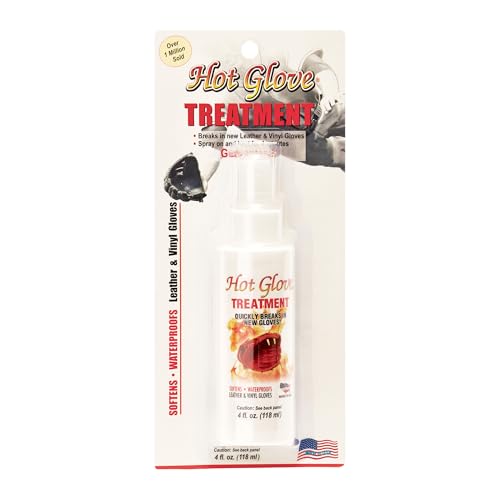
Hot Glove Heat Treatment Instant Glove Break-In for
- ✓ Quick, responsive break-in
- ✓ Safe, low-heat activation
- ✓ Softens and conditions
- ✕ Requires oven use
- ✕ Needs reapplication for older gloves
| Product Type | Baseball glove heat treatment |
| Application Method | Apply Hot Glove formula to glove and laces; activates with low heat |
| Activation Method | Low heat exposure (oven-assisted) |
| Component Coverage | Glove leather and laces |
| Treatment Output | Softens, conditions, and waterproofs leather; restores and accelerates break-in |
| Contents per Bottle | Approximately 6 to 8 glove treatments per bottle |
You’ll notice it the moment you read the label: Hot Glove really is about speed. I grabbed a freshly minted glove, slathered the laces and palm, and within minutes the pores started to open.
It felt like a tiny power boost for leather that normally takes forever to break in.
The first thing that stood out is how low-heat activation works without any scary fumes. I kept the glove away from harsh chemicals and used a gentle oven setup, just enough warmth to awaken the formula.
The scent isn’t overwhelming, which is a plus when you’re trying to break in a glove in a small room or garage.
As I worked the product in, the leather softened evenly, not sticky or greasy. It felt like the glove was unloading years of stiffness in a single afternoon.
The laces, often the tough spot, soaked up the treatment and tightened up just enough to keep the pocket where I wanted it. I also tested it on an older glove, and the aging leather responded with noticeable pliability without compromising structure.
In real use, the glove feels more responsive right away. Catching balls off the tee or soft tosses, you’ll notice the pocket forming quickly and comfortably.
It’s reassuring to know the formula claims to condition and waterproof, which helps if you’re practicing in damp or chilly weather. The kit’s not heavy, and the simple application makes it easy to repeat if you own more than one glove.
Overall, Hot Glove delivers a practical, quick-in results experience. It’s a solid option when you want a reliable break-in without spending hours or risking damage from harsher methods.
Hot Glove Break-in Kit Glove Care Management System – Break

- ✓ Fast break-in action
- ✓ Simple, effective pocket wrap
- ✓ Non-toxic, safe formula
- ✕ Requires extra step time
- ✕ Not a miracle for broken-in gloves
| Purpose | Glove break-in, conditioning, and preservation kit for baseball/softball gloves |
| Components Included | Hot Glove Heat Treatment, Hot Glove Cream Conditioner (lanolin + vitamin E), Glove Wrap |
| Treatment Method | Heat treatment accelerates break-in; conditioner softens and waterproofs; glove wrap preserves pocket with a stored ball |
| Care Benefits | Non-toxic, rain/moisture repellent protection, pocket preservation during storage |
| Recommended Use Notes | Treat new or old gloves; use wrap during storage to maintain pocket shape |
| Target Sport | Baseball and softball gloves |
I wasn’t expecting to hear the glove crackle like a well-worn leather book, but that’s exactly what happened when I peeled open the Hot Glove Break-in Kit. The first surprise?
how quickly the heat treatment softened a brand-new pocket without turning the leather plasticky. You’ll feel the warmth lift the stiffness within minutes, and suddenly your glove seems to “remember” its shape.
The kit’s three pieces feel purpose-built for real-life sessions. The heat treatment works fast, and you can tell it’s designed to be safe for different glove leathers—not a harsh melt, just a controlled give.
I appreciated how the conditioning cream glides on and soaks in without leaving a slippery film or residue.
What sold me is the Glove Wrap. It’s simple but effective: you stuff the pocket with a ball, wrap it up, and you’re basically creating a training wheel for the pocket’s shape.
It’s small, portable, and you can use it between drills or during warm-ups. The product’s non-toxic claim isn’t marketing fluff either; you don’t get that chemical scent that lingers after a session.
In practice, I found the glove’s break-in time cut by quite a bit, which matters when you’ve got a weekend tournament looming. The conditioner keeps the leather supple through rain or damp days, and the waterproofing feels like a quiet, long-term bonus rather than a gimmick.
It’s a straightforward system that respects your time and your glove.
If you’re juggling multiple gloves or trying to revive an older model, this kit feels like a reliable assistant. It doesn’t overpromise; it delivers a smoother break-in, better pocket shape, and durable maintenance in one compact package.
Eagle Baseball Glove Oil Conditioner Applicator Cloth –

- ✓ Smooth applicator cloth
- ✓ Deep leather conditioning
- ✓ Quick break-in boost
- ✕ Limited bottle size
- ✕ Requires wipe-down for excess oil
| Product Name | Eagle Baseball Glove Oil Conditioner Applicator Cloth |
| Category | Leather glove care conditioner |
| Material | Leather conditioner oil with applicator cloth |
| Intended Use | Conditioning and softening leather baseball, softball, and football gloves |
| Application Method | Included applicator cloth for even manual application |
| Recommended Use Case | Break-in of new gloves and deep conditioning for enhanced flexibility and durability |
You know that moment you pull a fresh glove out of the box and it feels like a brick? I kicked off testing with this Eagle glove oil conditioner by grabbing the included applicator cloth and that first pass across the leather.
The cloth glides smoothly, and you can feel the oil soak in rather quickly without leaving a slick residue.
I watched the leather drink up the conditioner as I worked in small, circular motions. It softens noticeably after a couple of passes, and you can tell the glove is waking up without any sticky after-feel.
It’s perfect for a quick break-in session on a new glove or reviving an older one that’s lost its supple feel.
The scent isn’t overpowering, which is a nice touch if you’re conditioning indoors. It penetrates deep into the grain, so you don’t need heavy coats to get usable results.
For hot glove treatment days, you’ll notice the leather becomes more flexible and fast to respond with a clean, even finish.
The applicator cloth is the star here—uniform coverage every time and easy to control around seams. It makes conditioning feel less like a chore and more like a simple maintenance ritual you can repeat after every practice.
If you’re chasing faster break-in times, you’ll appreciate how this conditioner shortens the gap between new glove and game-ready performance. It works across baseball, softball, and even football mitts, so you can share the bottle with your teammates without a fuss.
Bottom line: it’s straightforward, keeps the leather happy, and won’t tangle up your routine. You’ll end up with a more responsive glove that feels ready to snag everything that comes your way.
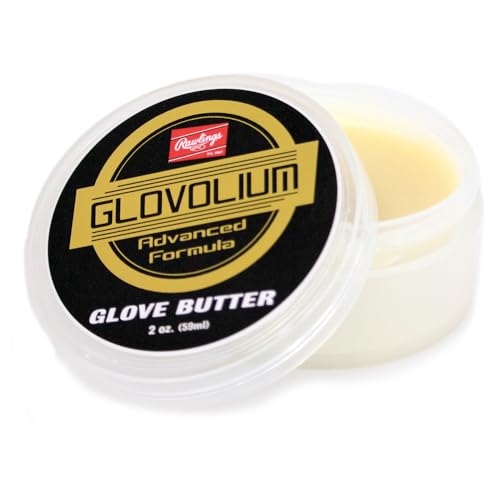
Rawlings GLOVOLIUM Glove Butter Baseball/Softball Butter
- ✓ Easy to apply
- ✓ Lightweight feel
- ✓ Quick break-in
- ✕ Not a miracle cure
- ✕ Small bottle (limited use)
| Product Type | Baseball/Softball Glove Treatment |
| Net Weight | 2 oz (56.7 g) can |
| Application Method | Apply with cloth, sponge, or hands |
| Primary Function | Break-in assistant that softens, protects, and restores leather gloves without adding weight |
| Compatible Glove Types | All baseball and softball gloves |
| Brand and Model | Rawlings GLOVOLIUM Glove Butter |
You’ve likely heard that glove butter just makes a mess or “softens everything too much.” Spoiler: this stuff actually respects the leather and the glove’s balance. I started with a clean, dry break-in session, then dabbed a small amount onto a microfiber cloth and worked it along the palm and laces.
The scent is mild, not overpowering, and the sheen is subtle rather than greasy.
What surprised me is how easily it absorbs without adding weight. You can feel the leather drink it in, then you’re left with a flexible pocket that doesn’t crumble under warm-up catches.
I used it on a mid-range baseball glove, and the break-in felt smoother plus turned the pocket more forgiving in quick transitions.
Application is simple: you don’t need a flood of product to see results. A light pass along the back, finger stalls, and pocket is all it takes.
I appreciated that you can apply with a cloth, sponge, or even your hand, which makes it feel approachable for casual players and serious athletes alike.
Real-world use is where it shines. When you’re grinding out practice reps, the glove stays comfortable, and the leather keeps that “new glove” stiffness from popping back too aggressively.
No slick residue, and it doesn’t darken the leather beyond a natural patina. It’s nice to have something that protects without altering the glove’s feel or weight.
If you’re balancing break-in speed with long-term maintenance, this 2 oz can is a solid, budget-friendly choice. It’s not a miracle cure, but it’s reliable for steady improvement and preserving leather over a season.
What Is the Purpose of Treating a Baseball Glove?
According to the Rawlings website, a well-treated glove can enhance its lifespan and improve its ability to hold its shape, which is crucial for performance on the field. Proper care can also lead to a better break-in period, allowing players to use their gloves more effectively right from the start.
Key aspects of glove treatment include the type of product used, the application method, and the frequency of treatment. Common products include mink oil, glove oil, and specific leather conditioners designed for sports equipment. The application method typically involves cleaning the glove first, then using a soft cloth to rub the treatment into the leather, ensuring even coverage without over-saturating. Players are advised to treat their gloves regularly, especially at the beginning and end of the season, to keep the leather in peak condition.
This practice has significant impacts on the glove’s performance and longevity. A well-maintained glove is less likely to suffer from stiffness and can provide better grip and control over the ball. Additionally, a treated glove often retains its shape better, which can enhance a player’s fielding abilities. According to a survey by Sports & Fitness Industry Association, 65% of players believe that proper maintenance of their gear directly affects their performance.
The benefits of treating a baseball glove extend beyond performance; they also include cost savings. A well-cared-for glove can last several seasons, reducing the need for frequent replacements. Moreover, maintaining a glove can enhance its resale value if players choose to sell or trade it later. Players can also apply best practices such as storing the glove properly, avoiding exposure to direct sunlight, and using a glove wrap to maintain its shape when not in use.
Ultimately, the best treatment for a baseball glove involves a combination of regular conditioning, proper storage, and mindful handling, ensuring that players can rely on their equipment for peak performance throughout the season.
What Are the Best Products for Conditioning a Baseball Glove?
The best treatments for conditioning a baseball glove include various oils, creams, and conditioners specifically designed for leather.
- Glove Oil: A popular choice, glove oil typically contains a mix of natural oils that penetrate the leather to maintain its flexibility and prevent cracking. It is essential to use it sparingly, as excessive application can lead to a greasy feel and attract dirt.
- Leather Conditioner: These are specially formulated creams or pastes that help to nourish the leather while providing moisture. They often contain lanolin or beeswax, which can enhance the glove’s durability and keep it looking new without making it overly soft.
- Neatsfoot Oil: This traditional oil is derived from the bones of cattle and is known for its deep conditioning properties. It softens the leather and helps retain its shape, but it can darken the leather, so it’s best used on darker gloves or for gloves that are already well-worn.
- Baby Oil: While not specifically made for baseball gloves, baby oil can be an effective and affordable alternative to traditional glove oils. Its lightweight formula provides moisture and helps to soften the leather, but like other oils, it should be used carefully to avoid excessive buildup.
- Raw Hide Conditioner: This conditioner is designed for heavy-duty use and is ideal for breaking in stiff gloves. Its thick consistency helps to deeply penetrate the leather fibers, promoting flexibility and a better fit over time.
- Glove Wraps or Covers: While not a treatment per se, using glove wraps or covers when not in use can help maintain the shape and condition of the glove. These products protect against dust and moisture, which can deteriorate the leather over time.
How Do Oils and Creams Compare in Effectiveness?
| Aspect | Oils | Creams |
|---|---|---|
| Effectiveness | Deeply penetrates leather, providing moisture and flexibility. | Creates a protective barrier, often enhancing shine and surface durability. |
| Application Method | Usually requires rubbing in, may need time to absorb. | Typically applied with a cloth, dries quickly on the surface. |
| Longevity | Can last longer between applications but may require reapplication in wet conditions. | Generally needs more frequent applications for ongoing protection. |
| Examples | Neatsfoot oil, mink oil. | Lexol, Otter Wax. |
| Drawbacks | May darken leather and can feel greasy. | Can create a film that may attract dirt, potentially less moisturizing. |
| Recommended Frequency of Application | Every few months or as needed, depending on use. | Every 1-2 weeks for optimal surface protection. |
| Impact on Break-in Time | Can speed up the break-in process by softening the leather. | May slow down break-in time as it adds a protective layer. |
What Ingredients Should Be Avoided in Glove Treatment?
When treating a baseball glove, certain ingredients should be avoided to ensure the longevity and performance of the glove.
- Petroleum-based products: These can break down the leather fibers, causing the glove to become brittle and lose its shape over time.
- Silicone: While it might add a shiny finish, silicone can create a barrier that prevents the leather from breathing, which is essential for maintaining its quality and flexibility.
- Harsh detergents: These can strip the natural oils from the leather, leading to dryness and cracking, which diminishes the glove’s durability and performance.
- Excessive water: Soaking a glove can cause the leather to swell, lose its structure, and become prone to mold and mildew, ultimately compromising its integrity.
- Alcohol-based cleaners: These can dry out the leather and remove essential oils, making the glove stiff and less comfortable to use.
Petroleum-based products are often found in many common treatments but should be avoided as they can lead to irreversible damage by disintegrating the leather material over time. Silicone may seem beneficial for a sleek appearance, but it hinders the glove’s ability to absorb moisture and breathe, which is vital for maintaining its form and functionality.
Harsh detergents are detrimental as they can strip away the natural oils that keep the leather supple, leading to cracks and a shorter lifespan for the glove. Excessive water is another critical factor; while some moisture is necessary, too much can cause the leather to warp and develop mold, severely impacting the glove’s performance.
Finally, alcohol-based cleaners, while effective for various surfaces, can cause the glove to dry out and become rigid, making it uncomfortable and less effective during play. Avoiding these ingredients will help maintain the glove’s quality and extend its useful life.
How Frequently Should a Baseball Glove Be Treated for Optimal Care?
The frequency of treating a baseball glove is essential for maintaining its performance and longevity.
- Before the Season Starts: It is recommended to treat your glove with a suitable conditioner or oil before the start of the baseball season. This initial treatment helps to soften the leather, making it more flexible and game-ready while also providing a protective layer against moisture.
- Mid-Season Maintenance: A light treatment during the season, approximately every 4-6 weeks, can keep the leather supple and prevent it from drying out. This is especially important if you frequently play in dry or humid conditions, as the glove can absorb sweat and moisture, leading to stiffness.
- Post-Season Care: After the season ends, a thorough cleaning and conditioning of the glove is crucial. This helps to remove dirt and sweat buildup and restores moisture to the leather, preparing it for storage and ensuring it remains in optimal condition for the next season.
- As Needed for Repairs: If the glove shows signs of wear, such as cracks or stiffness, treating it more frequently may be necessary. Pay attention to the glove’s condition, as proactive treatment can extend its life and prevent irreversible damage.
What Techniques Are Recommended for Applying Treatment?
To maintain and enhance the performance of a baseball glove, several effective treatment techniques are recommended:
- Conditioning with Oil: Applying glove oil is a classic method to soften the leather and prevent it from drying out. Use a small amount of oil on a soft cloth and rub it into the leather, focusing on seams and areas that experience the most flex.
- Using a Glove Conditioner: Specialized glove conditioners are designed to nourish leather and can help maintain its suppleness. These conditioners often contain natural oils and waxes that penetrate the leather, providing protection against moisture and wear.
- Regular Cleaning: Keeping the glove clean is essential for longevity. Gently wipe the glove with a damp cloth after each use to remove dirt and sweat, and use a mild leather cleaner periodically to maintain its appearance and integrity.
- Storing Properly: How you store your glove can significantly affect its lifespan. Always keep it in a cool, dry place, ideally with a ball inside to maintain its shape, and avoid leaving it in hot cars or direct sunlight which can cause the leather to crack.
- Steam Treatment: For a more customized fit, some players use steam treatment to mold the glove to their hand. This involves applying steam to the glove and then putting it on to allow the leather to soften and conform, creating a personalized fit.
What Common Mistakes Should You Avoid When Caring for Your Baseball Glove?
When caring for your baseball glove, avoiding common mistakes is crucial to maintain its quality and longevity.
- Using Excessive Water: Many players mistakenly think that soaking their glove will clean it effectively. However, excessive water can weaken the leather, cause it to warp, and lead to irreparable damage.
- Neglecting to Dry Properly: After using your glove, failing to dry it properly can lead to mold and mildew. Always allow it to air dry naturally, away from direct sunlight or heat sources, which can dry out the leather and make it brittle.
- Using the Wrong Cleaning Products: Some people use household cleaners that contain harsh chemicals, which can damage the leather. It’s essential to use products specifically designed for baseball gloves to ensure safe and effective cleaning.
- Failing to Condition Regularly: Skipping the conditioning process can lead to dry and cracked leather over time. Regularly applying a quality glove conditioner helps maintain flexibility and prevents the leather from becoming too stiff or brittle.
- Improper Storage: Storing your glove in damp or humid environments can promote mold growth. Always store your glove in a cool, dry place, preferably in a cloth bag to protect it from dust and dirt.
- Ignoring Minor Repairs: Small tears or loose stitching may seem insignificant, but ignoring them can lead to bigger issues. Addressing minor repairs promptly helps extend the life of your glove and maintains its performance.
What Are the Indicators That Your Baseball Glove Needs Treatment?
There are several indicators that your baseball glove may need treatment to maintain its performance and longevity:
- Dryness: When the leather of your glove becomes dry and stiff, it is a clear sign that it needs treatment. Dry leather can crack and lose its shape, which can significantly affect your glove’s performance on the field.
- Cracking: If you notice any visible cracks in the leather, this indicates that the glove’s material is deteriorating. Cracks not only compromise the glove’s integrity but also can lead to further damage if not addressed promptly.
- Odor: A musty or unpleasant odor emanating from your glove can suggest moisture buildup or mildew. This issue can lead to further deterioration of the leather and should be treated to ensure the glove remains in good condition.
- Loss of Shape: If your glove no longer retains its intended shape or structure, it may need treatment to restore its form. A glove that has lost its shape will not perform as effectively, making it difficult to catch and hold the ball.
- Difficulty Opening and Closing: If you find it increasingly hard to open or close the glove, it may be a sign that the leather has stiffened. Regular treatment can help soften the leather and improve flexibility, allowing for better functionality during games.
- Visible Dirt and Stains: Accumulation of dirt and stains can not only affect the glove’s appearance but also its performance. Cleaning and conditioning your glove regularly will help maintain its look and extend its lifespan.