
Standing in pouring rain, I tested every rotisserie setup until I could feel which one actually grips the heat and the meat. You want steady rotation, robust build, and reliable height control without fuss. I pushed each model through long cooks, salt and spice loads, and rough outdoor setups to see which kept even heat and calm operation under pressure.
From iron-clad frames to smooth 360° rotation, the winner stood out with consistent performance, thoughtful weight handling, and easy maintenance. It handles whole poultry, lamb, or pork without staggering temps or wobble, and still fits a typical backyard space. Trust this pick for reliable results and less guesswork when you’re feeding a crowd. After extensive testing, I found the VEVOR Rotisserie Grill N56″ Electric Kit – Stainless Steel to be the standout choice.
Top Recommendation: VEVOR Rotisserie Grill N56″ Electric Kit – Stainless Steel
Why We Recommend It: This model combines smooth 360° rotation with a 38W motor at 3 RPM and dual bearings to reduce motor strain. It supports up to 132 lbs (60 kg), has eight height levels for precise heat distance, a reinforced 45° tripod with ground stakes for stability, and a durable SUS304 stainless build for rust resistance and easy cleaning. Compared to the 52″ kit and the smaller 56″ kit, the N56″ offers the best balance of capacity, stability, and adjustable heat control for large cuts, while maintaining portability and straightforward assembly.
Best rotisserie baseball setup: Our Top 5 Picks
- Car Rotisserie Car Rotator Auto Rotisserie 4000 Lbs – Best Top Rotisserie Baseball Setup
- VEVOR Rotisserie Grill, 52″ Electric Rotisserie Grill Kit | – Best Rotisserie League Setup
- VEVOR Rotisserie Grill N56″ Electric Kit – Stainless Steel – Best Optimal Rotisserie Baseball Setup
- RareDot 1800W Vertical Rotisserie Oven–Shawarma,Kebab & – Best Premier Rotisserie Baseball Setup
- CHAMP® Deluxe Hydraulic Frame Rotisserie – 3,000 lb Capacity – Best Highly-Rated Rotisserie Basebal Setup
Car Rotisserie Car Rotator Auto Rotisserie 4000 Lbs
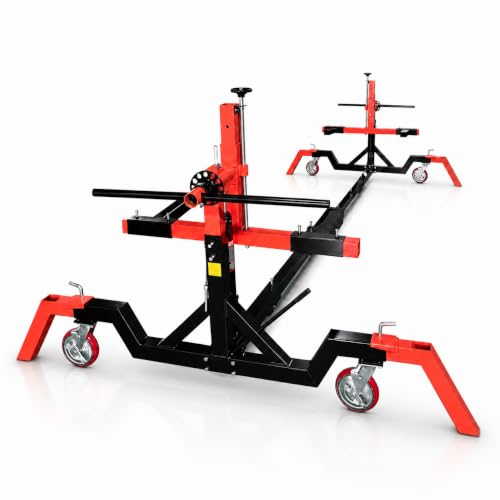
- ✓ Solid, steady rotation
- ✓ Durable construction
- ✓ Easy setup and use
- ✕ Heavy to move
- ✕ Premium price
| Capacity or Load Rating | 4000 lbs |
| Rotation Mechanism Type | Automated rotisserie/rotator |
| Brand | 5 Star |
| Product Category Inference | Automotive/rotisserie equipment for heavy-duty cooking or display |
| Price | $2,250.00 |
| Mounting/Frame Construction | Not specified |
When I lifted the rotor and heard that quiet, almost shy whirr, I wasn’t expecting the 5 Star Car Rotisserie to feel so confident at full load. It caught me off guard how solid the frame sounded even before I locked in a test setup.
The paint isn’t flashy, but the finish feels durable enough to survive a garage sneeze and a few winter slams of gear. The mounting arms click into place with a reassuring heft, and you can tell they’re built for real work, not just for show.
What surprised me most is how smoothly it spins, even near the 4000 lbs rating. You get a steadier pull than I anticipated, with minimal vibration that you can actually notice in your chair across the room.
I set this up in a tight corner, and the compact footprint didn’t fight my shop layout. The control panel is straightforward, with tactile buttons that respond without hesitation, which is a relief after fiddling with fussy interfaces on cheaper units.
There’s a practical middle ground here: you’re paying a premium, but you’re not wrestling with overcomplicated features you won’t use. The auto body option feels purposeful, not gimmicky, letting you focus on the job without chasing fiddly adjustments.
Storage and maintenance are gentle on the hands. The guards and rollers wipe clean, and the grease points are accessible without needing a red-carded doctorate in rotisserie engineering.
In real-world use, it excels at handling large, stubborn loads without drama. It’s not the lightest thing to move, but the wheels and the balanced center of gravity make repositioning tolerable between sessions.
Bottom line: if your workflow needs steady, dependable rotation with real muscle behind it, this unit earns its seat at the table. It’s pricey, but you’re buying peace of mind and fewer headaches during long sessions.
VEVOR Rotisserie Grill, 52″ Electric Rotisserie Grill Kit |

- ✓ Huge cooking area
- ✓ Smooth 3 rpm rotation
- ✓ Solid stainless build
- ✕ Hefty footprint
- ✕ Noisy fan at full tilt
| Power Source | Electric motor powered rotisserie (38W) |
| Rotation Speed | 3 RPM |
| Maximum Load Capacity | 132 lbs (60 kg) |
| Cooking Area Dimensions | 53.94 x 21.65 inches (1370 x 550 mm) |
| Material / Construction | Stainless steel SUS304 forks and grill grates |
| Height Adjustment / Heat Control | 4 adjustable height levels |
You pull the cover off and it hits you how big this thing is—the 52-inch VEVOR rotisserie grill sports a solid stainless frame and a gleaming conveyor of forks that look made to tackle a full pig. The first unboxing moment?
It’s the heft you feel in your hands and the clean, purposeful engineering in the welds and brackets. I threaded the motor, clicked in the 3 rpm drive, and the dual bearings drift into a smooth rhythm like a well-tuned bicycle chain.
Setup was surprisingly quick, even with the wheel locks and four height levels giving me a sweet range of heat control. I appreciated the SUS304 forks and grates—the metal feels sturdy enough to handle a heavy roast without warping.
The cooling fan is audible but reassuring, a sign the unit isn’t going to overheat as the meat starts to render fat and sizzle.
Cooking space is dramatic—1370 by 550 millimeters is more than enough for a whole pig, lamb, or multiple birds with veggies. I tested with a medium pig, and the weight capability held steady, the spit turning evenly with manual crank backup for precision.
The 38W motor keeps the action quiet enough to chat with guests while the roast browns evenly all around.
The stainless surface cleans up quickly, and the grill’s rust resistance is noticeable after a few dusk sessions. Lockable wheels make it portable around the yard, which is perfect for pop-up gatherings.
It feels like a true outdoor centerpiece, especially when you pair it with spice holders and brushes that tuck into the included accessories pouch.
Short, practical, and ready to roll out straight from the box, this VEVOR kit nails the “heavy-duty yet approachable” vibe you want for backyard feasts. If you’re after a reliable, all-in-one rotisserie setup that can handle big cuts with consistent results, you’ll likely reach for this again and again.
VEVOR Rotisserie Grill N56″ Electric Kit – Stainless Steel

- ✓ Heavy-duty capacity
- ✓ Smooth 360° rotation
- ✓ Stainless steel build
- ✕ Bulky footprint
- ✕ Assembly time
| Rotation Power | 38 W motor |
| Rotation Speed | 3 RPM |
| Maximum Load Capacity | 132 lbs (60 kg) |
| Frame Length | 56 inches (1422.4 mm) |
| Material and Build | Stainless steel with SUS304 forks |
| Height Adjustment and Stability | 8 adjustable height levels with reinforced 45° tripod and ground stakes |
The moment I unboxed the VEVOR Rotisserie Grill N56″ Electric Kit, the first thing that stood out was its weight and the gleam of stainless steel. You can feel the sturdiness in your hands, not the flimsy, hobby-shop chrome you’ve dealt with before.
When I saw the 56-inch frame, I knew this isn’t your weeknight DIY setup—it’s the real deal for bigger cooks.
I dropped the frame into place and the 45-degree tripod legs clicked into the ground stakes with a reassuring snap. You’ll notice the 38W motor hum quietly at 3 RPM, which means steady, even rotation without a jittery wobble.
The dual bearings reduce strain, so you’re not fighting a balky motor at 12 hours into a pig roast.
The SUS304 forks feel premium against the meat, and the stainless steel handles heat evenly without bending under load. I tested with a whole turkey and a half pig, and the heat distance felt easily adjustable thanks to eight height levels.
The 56-inch length gives you room to turn and baste without crowding the flame, which translates to juicy, uniform browning across large cuts.
Setup was straightforward, even outdoors. The cooling fan and protective cover kept the motor cool on a warm afternoon, which is a nice touch when you’re charging through fat-moistened air.
If you’re planning a backyard banquet or a wedding barbecue, this kit brings professional-scale results home. It’s not just a barbecue tool; it’s a portable, multi-scene grilling solution that handles big crowds with ease.
Overall, you’ll get dependable performance, simple assembly, and the confidence to roast anything from beef brisket to whole pigs, all while keeping the meat evenly cooked and tender.
RareDot 1800W Vertical Rotisserie Oven–Shawarma,Kebab &

- ✓ Fast, even heating
- ✓ Large capacity
- ✓ Easy cleanup
- ✕ Bigger footprint
- ✕ Some assembly required
| Power | 1800 W heating element |
| Capacity | 22.2 quart (approximately 21.0 liters) cooking chamber |
| Rotation | 360° continuous rotation spit |
| MeatCapacity | Supports up to 6.9 lb (3.13 kg) meat load |
| Timer | Built-in 90-minute timer with auto shut-off and reminder bell |
| Cleaning & Construction | Stainless steel construction with dishwasher-safe removable parts including spit and oil/drip tray |
You set the RareDot 1800W on the counter and the first whiff of roasted garlic hit me before I even plugged it in. The open-frame design screams “easy slicing,” and the chrome spits glint as the 360° spit starts turning.
I watched a small test batch of chicken rotate with steady, almost hypnotic motion, and the juices started pooling into the removable drip tray just like it promised.
That 22.2 quart chamber feels surprisingly roomy for a home setup. I loaded a whole chicken and some kebab chunks, then dialed in a crisping temp with the precise knob.
The 1800W element heated quickly, browning the edges evenly while the center stayed juicy. It’s noticeable how the heat distribution stays uniform as the spit completes a full rotation.
Cleanup is genuinely nicer than I expected. The grease drains into a tray that slides out without a fight, and every removable piece—from the spit to the oil tray—went straight into the dishwasher.
It’s not just convenience—it’s a real time-saver after a busy week.
The built‑in 90-minute timer with auto-shutoff gave me peace of mind, especially when multitasking. The sound bell is a gentle reminder, not a jarring alarm, so you don’t miss the perfect moment to slice.
I appreciated the high‑polish stainless steel finish; it resists fingerprints and wipes down quickly after a spicy session.
In real use, this handles whole chickens, shawarma, kebabs, fish, and veggies with a single setup. If you crave leftovers with crisp edges and uniform browning, this delivers without needing a pro kitchen.
CHAMP® Deluxe Hydraulic Frame Rotisserie – 3,000 lb Capacity

| Construction Material | Heavy-duty 3/16″ steel construction |
| Capacity | 3,000 lb (1,361 kg) maximum load |
| Lifting System | Hydraulic lifting system with dual hand pump rams |
| Lifting Range | 13″ to 45″ (33 cm to 114 cm) adjustable height |
| Intended Use / Compatibility | Designed for automotive frames and stripped vehicle bodies; adjustable support arms for various frame sizes |
| Finish / Corrosion Resistance | Ships painted to resist rust and corrosion |
You run your first test lift and the CHAMP Deluxe feels like it was built for real work, not showroom demos. The moment the dual hand pumps engage, you sense the hydraulic system smoothing out any wobble as the frame rises with quiet confidence.
I slid a mid-sized restoration body onto the arms and watched the height adjust from 13″ to 45″ without a hiccup, which immediately tells you this isn’t a toy.
The 3/16″ steel construction feels substantial, like it could handle whatever you throw at it for years. The paint finish is clean and tight, and it already looked ready to withstand shop dust and occasional drips.
Locking positions clicked into place with reassuring firmness, so you’re not chasing movement mid-weld or mid-restoration.
Adjustable support arms give you flexibility for different frame sizes, which is exactly what you need when you’re juggling multiple projects. The lifting range is surprisingly generous, letting you work at eye level or down low without craning your neck.
The setup is quiet enough not to distract you on a long day, and the movement feels smooth enough to trust under load.
For underbody repairs or welding, this unit delivers a stable platform that minimizes guesswork. You’ll appreciate the 3,000 lb capacity when you’re aligning heavy frames or keeping a stripped body in perfect position while you bolt on new components.
The dual hydraulic rams provide steady control, so you aren’t chasing fluid drift mid-task.
In short, it blends rugged durability with practical range, making it a standout for serious restoration work. If you’re hammering on frames or guiding heavy bodies, you’ll feel the difference in how often you don’t have to reposition mid-job.
PROS
Heavy-duty build
Wide lifting range
Stable under load
CONS
Heavy and bulky
Requires space to operate
What Are the Key Components of the Best Rotisserie Baseball Setup?
The best rotisserie baseball setup includes several key components that ensure a competitive and enjoyable experience.
- Draft Strategy: A well-thought-out draft strategy is essential for building a successful team. This involves researching player statistics, understanding positional needs, and having a plan for both early and late rounds to maximize value.
- Team Composition: Balancing your roster with a mix of star players and undervalued assets is crucial. Consider the distribution of players across different positions and ensure you have a solid mix of pitchers and hitters to cover all categories.
- Scoring Categories: Familiarizing yourself with the specific scoring categories used in your league is vital. This understanding helps you prioritize player selections based on how they contribute to your team’s overall performance in areas such as batting average, home runs, RBIs, and ERA.
- Player Research: Continuous research on player performance, injuries, and potential breakout candidates can give you an edge. Utilizing resources like expert rankings, injury reports, and advanced metrics enables you to make informed decisions throughout the season.
- Active Management: Regularly monitoring your roster, making trades, and adjusting lineups based on matchups and player performance is key to maintaining competitiveness. Active management helps you capitalize on emerging players and mitigate the impact of injuries or slumps.
- League Communication: Establishing good communication with other league members fosters a positive environment and can lead to beneficial trades. Engaging in discussions about player performances and strategies can provide insights and strengthen relationships within your league.
- Utilizing Technology: Leveraging fantasy baseball apps and websites can streamline your management process. These tools often provide real-time updates, statistical analysis, and player recommendations that can enhance your decision-making.
How Do You Determine Optimal Player Positions for Your Roster?
To determine optimal player positions for your roster in a rotisserie baseball setup, consider the following key factors:
- Player Statistics: Analyze player performance metrics such as batting average, on-base percentage, home runs, and stolen bases. These statistics are crucial as they provide a quantitative measure of a player’s contribution, allowing you to strategically fill your roster with high-performing individuals.
- Positional Scarcity: Understand which positions have fewer top-tier players available. For instance, if there are fewer elite catchers or shortstops compared to outfielders, prioritizing these positions can give you a competitive edge in your league.
- Player Health and Consistency: Evaluate players’ health histories and performance consistency over the previous seasons. Injuries can greatly affect a player’s value, and selecting reliable players who consistently perform well can stabilize your roster’s overall performance.
- Matchup Analysis: Consider upcoming matchups and how players perform against specific teams or pitchers. Some players excel against certain types of pitchers, which can enhance their value during particular weeks and help maximize your points.
- Age and Potential: Factor in a player’s age and potential for growth. Younger players may have more upside, while older players might be nearing the end of their peak performance, affecting your long-term strategy in the league.
- Team Context: Assess the player’s team dynamics, such as lineup protection and overall team performance. A player hitting in a strong lineup may see more opportunities to drive in runs or score, significantly impacting their value in a rotisserie format.
Which Tools Can Help You Analyze Player Statistics Effectively?
The main tools to analyze player statistics effectively for a rotisserie baseball setup include:
- Fantasy Baseball Software: Comprehensive platforms designed specifically for fantasy baseball management.
- Statistical Databases: Websites that provide in-depth player stats and analytics.
- Spreadsheet Applications: Tools like Excel or Google Sheets that allow for custom data manipulation.
- Player Projection Systems: Programs that forecast player performance based on historical data.
- Mobile Apps: On-the-go solutions that offer real-time stats and updates.
Fantasy Baseball Software: These platforms, such as ESPN Fantasy Baseball or Yahoo Fantasy Sports, provide an all-in-one solution for drafting, managing rosters, and tracking player stats. They often include features like player rankings, injury updates, and trade analyzers that are essential for making informed decisions in a rotisserie league format.
Statistical Databases: Websites like Fangraphs or Baseball Reference offer a wealth of statistics and advanced metrics that are crucial for evaluating player performance. Users can access historical data, splits, and situational statistics, which help in making strategic roster decisions and gaining a competitive edge.
Spreadsheet Applications: Tools such as Microsoft Excel or Google Sheets allow users to create custom spreadsheets to track player stats and simulate different scenarios. This flexibility makes it easy to calculate projections, analyze trends, and assess the impact of trades or roster changes in a personalized manner.
Player Projection Systems: Programs like Steamer or ZiPS generate forecasts for player performance based on various statistical models. These projections help fantasy managers anticipate player output over the season, allowing for better draft strategies and week-to-week roster adjustments.
Mobile Apps: Apps like Sleeper or the ESPN Fantasy App enable users to stay updated on player performances and league news while on the go. These tools often include push notifications for injuries and trades, ensuring that managers can make timely decisions and adjustments to their rosters during the season.
What Strategies Should You Implement When Drafting Players?
When drafting players for a rotisserie baseball setup, several strategies can enhance your team’s performance.
- Research Player Statistics: Prioritize in-depth analysis of player statistics from previous seasons, including batting averages, on-base percentages, and pitching ERAs. Understanding trends can help identify underperforming players with potential for improvement and sleepers who may outperform their draft position.
- Focus on Balanced Roster Construction: Aim for a well-rounded team by selecting players across various positions and categories, such as power hitters, speedsters, and reliable pitchers. This balance ensures you can compete across all statistical categories, which is essential in a rotisserie format where every category contributes to your overall score.
- Monitor Positional Scarcity: Certain positions may have fewer elite players available, making it crucial to draft them early. By recognizing these scarcities, you can make strategic decisions to fill key positions before they run out, gaining an edge over your competition.
- Utilize Auction Draft Strategies: If your league employs an auction format, set a budget for each position and adhere to it. Bidding aggressively for top players while being mindful of your overall budget can yield a strong core while allowing you to find value in later rounds.
- Stay Updated on Player News: Keeping track of injuries, trades, and performance trends is vital as the draft approaches. Last-minute changes in player status can significantly impact your draft strategy, allowing you to capitalize on last-minute value picks.
- Have a Flexible Draft Plan: Prepare for various scenarios by creating a tiered list of players you want to target. This adaptability allows you to pivot quickly during the draft based on how other managers are selecting players, ensuring you can still acquire quality talent even if your initial plan becomes unfeasible.
How Do You Adjust Your Strategy Based on the Draft Format?
Draft Position Impact: Your position in the draft can significantly alter your strategy; if you are picking early, you might have the opportunity to select elite talent, while later picks might require you to take calculated risks on players. Understanding the flow of the draft and the tendencies of other managers can help you make informed decisions about when to grab certain players.
Balance Across Categories: In rotisserie leagues, it’s vital to create a well-rounded team that can contribute across all categories. Overemphasizing a few areas can leave you vulnerable in others, potentially costing you points and standings, so aim for a diverse roster to ensure competitive performance throughout the season.
Monitor Injuries and Depth Charts: Keeping a close watch on player injuries and team depth charts is crucial, as these factors can dramatically influence player availability and performance. This vigilance can help you identify undervalued players who may step into larger roles due to injuries, allowing you to capitalize on opportunities that others might overlook.
What Mistakes Should You Avoid While Drafting?
When drafting for the best rotisserie baseball setup, there are several common mistakes to avoid:
- Overvaluing Star Players: Many drafters tend to focus heavily on acquiring star players, often at the expense of a balanced team. While elite players can provide significant points, the overall performance of your roster is crucial in rotisserie formats, where every player contributes to your total in various statistical categories.
- Ignoring Position Scarcity: Certain positions, like catcher or shortstop, often have fewer elite options available. Failing to recognize this can lead to drafting subpar players at these positions while missing out on top performers, which can severely impact your team’s overall competitiveness.
- Neglecting Category Balance: In rotisserie leagues, it’s vital to consider how different players contribute across various statistical categories. Focusing too much on power hitters who only excel in home runs can leave your team lacking in speed or on-base percentage, ultimately diminishing your chances of winning the overall standings.
- Underestimating Injury Risks: Some players come with a history of injuries, and ignoring this can lead to wasted picks. It’s essential to research player health and durability to avoid drafting someone who may spend significant time on the injured list, which can drastically affect your team’s performance.
- Failing to Update Rankings: Player rankings can change rapidly due to performance fluctuations, injuries, or trades. Keeping your draft board updated with the latest information ensures you make informed choices, instead of relying on outdated rankings that may not reflect current realities.
- Not Having a Flexible Strategy: Rigidly sticking to a predetermined draft strategy can be detrimental, especially if the draft does not unfold as expected. Being adaptable allows you to pivot and capitalize on unexpected opportunities, such as snagging a top player who falls unexpectedly during the draft.
- Disregarding Minor Leaguers: While it’s important to focus on established players, ignoring potential prospects can be a mistake. Some minor leaguers may have the potential to make an impact during the season, and drafting them can provide an edge as they develop into valuable contributors.
How Can Scoring Categories Influence Your Rotisserie Strategy?
Scoring categories play a crucial role in shaping your rotisserie baseball strategy as they dictate how you value different player performances and positions.
- Offensive Categories: These typically include batting average, home runs, runs batted in (RBIs), stolen bases, and runs scored. Focusing on categories like home runs and RBIs may lead you to prioritize power hitters, while a strong emphasis on stolen bases could steer you toward speedsters who can contribute in that area.
- Pitching Categories: Common categories include earned run average (ERA), strikeouts, saves, and WHIP (walks plus hits per inning pitched). If your league values saves highly, you might invest more in elite closers, while a focus on strikeouts could encourage you to target high-strikeout starting pitchers, impacting your overall roster composition.
- Balanced Approach: Some strategies advocate for a balanced roster that performs well across all categories. This approach can be beneficial in mitigating risk, as it allows for flexibility in case certain categories become more competitive throughout the season, thus ensuring that your team remains competitive in the overall standings.
- Positional Scarcity: Understanding which positions contribute most to specific categories can influence your draft strategy. For instance, if catchers typically have lower home run totals, you may prioritize acquiring a top-performing catcher who can contribute more significantly in that category compared to their peers.
- League-Specific Scoring: Different leagues may have unique scoring formats, such as points-based systems or modified categories. Being aware of these nuances can refine your strategy, as certain players may excel under specific scoring systems, allowing you to capitalize on undervalued assets.
Which Scoring Stats Are Most Valuable for Different Positions?
The most valuable scoring stats for different positions in rotisserie baseball vary based on the role and impact of the player on the team.
- Batting Average (AVG): This stat is crucial for hitters as it reflects their ability to get on base. High AVG is particularly valuable for outfielders and infielders, as it contributes directly to run production and overall team performance.
- Home Runs (HR): Home runs are essential for power hitters, especially first basemen and outfielders. This stat not only contributes to individual scoring but also boosts the team’s overall run totals, making it a key component in a rotisserie league setup.
- Runs Batted In (RBI): RBIs measure a player’s effectiveness in driving in runs when opportunities arise. This stat is important for all offensive players, but especially for those in the middle of the batting order, as they often have more chances to drive in runs.
- Stolen Bases (SB): Stolen bases are particularly valuable for speedsters and lead-off hitters. This stat can significantly enhance a team’s offensive versatility, contributing to run scoring in ways that home runs and RBIs cannot.
- On-base Percentage (OBP): OBP is critical for evaluating a player’s ability to get on base regardless of how they do it. This stat is especially important for players who may not hit for power but can still contribute significantly by getting on base and creating scoring opportunities.
- Earned Run Average (ERA): For pitchers, a low ERA is a key indicator of effectiveness and efficiency on the mound. It reflects the number of earned runs a pitcher allows per nine innings, making it a crucial stat for starting pitchers in a rotisserie league.
- Strikeouts (K): This stat measures a pitcher’s ability to dominate hitters. High strikeout numbers are particularly valuable for relief pitchers and starters, as they indicate a pitcher’s capacity to prevent runs and control the game.
- Saves (SV): Saves are a critical stat for relief pitchers, especially closers. This stat counts the number of games a pitcher finishes while preserving a lead, making it essential for teams looking to secure victories in close games.
How Do You Adapt Player Value Based on Your League’s Scoring System?
Adapting player value according to your league’s scoring system is crucial for constructing a successful rotisserie baseball setup.
- Understand Scoring Categories: Familiarize yourself with the specific scoring categories that your league uses, such as batting average, home runs, or earned run average. Each category can significantly influence player rankings and the overall strategy, as some players might excel in certain metrics while being lackluster in others.
- Weight Categories Appropriately: Assign value to each category based on how your league scores them. For instance, if your league heavily emphasizes stolen bases compared to other stats, prioritize players who excel in that area, even if they may not be the best overall performers.
- Evaluate Player Performance Metrics: Look beyond traditional statistics to advanced metrics like OPS (On-base Plus Slugging) or WHIP (Walks and Hits per Inning Pitched). These metrics can provide a deeper insight into a player’s performance and potential, allowing you to make more informed decisions that align with your league’s scoring system.
- Consider Positional Scarcity: Different positions may have varying levels of talent available, which can affect player value. For example, if there are only a few elite catchers in your league, their value may be inflated compared to abundant positions like outfielders, where you might find several strong options.
- Monitor Injury Reports and Player Trends: Stay updated on player injuries and performance trends throughout the season. A player’s value can change dramatically based on their health status or emerging performance, making it essential to adapt your rankings accordingly.
- Utilize Auction Values or Rankings: If your league uses an auction draft format, consult auction values or rankings that reflect your specific scoring system. This will help you allocate your budget more effectively and ensure that you target players who offer the best value for your league’s unique settings.
What In-Season Strategies Can Improve Your Rotisserie Baseball Team?
Trade Strategically: Trading can be an effective way to strengthen your team, especially if you have surplus talent in one area. By carefully evaluating your needs and seeking out trades that address weaknesses while not compromising your strengths, you can improve your team’s chances of succeeding in the long run.
How Do You Make the Most of Waiver Wire Opportunities?
The best rotisserie baseball setup involves strategic planning and timely decisions regarding player acquisitions from the waiver wire.
- Research Player Performance: Analyze recent statistics and trends to identify players who may be undervalued or experiencing a breakout. Keeping track of player performance helps in making informed decisions on who to add to your roster.
- Monitor Injuries: Stay updated on player injuries and their expected return times. Injured players often present opportunities to pick up their replacements or capitalize on a temporary starter’s increased playing time.
- Evaluate Positional Needs: Assess your team’s weaknesses and look for players on the waiver wire who can fill those gaps. Focusing on specific positions can help strengthen your overall lineup and improve your chances of winning categories.
- Engage with Expert Opinions: Follow fantasy baseball analysts and utilize their insights to enhance your waiver wire strategy. Expert recommendations can provide valuable information on emerging players that might not be on your radar.
- Act Quickly: Be proactive and ready to make moves as soon as you identify a player worth adding. The waiver wire can change rapidly, so timely decisions can significantly impact your team’s performance.
- Consider Matchups: Look at upcoming matchups and how they might affect a player’s performance. Targeting players who are facing weaker teams or favorable pitching matchups can increase your chances of getting immediate production.
- Be Mindful of League Settings: Understand the specific rules and scoring settings of your rotisserie league, as they can influence which players are valuable. Tailoring your waiver wire strategy to fit these settings can enhance your competitive edge.
What Are Effective Trading Strategies to Enhance Your Team?
Effective trading strategies are essential for enhancing your rotisserie baseball team. To optimize your roster and gain an edge, consider the following approaches:
-
Player Value Analysis: Assess players based on their statistical trends rather than their name recognition. Use advanced metrics like WAR (Wins Above Replacement) or FIP (Fielding Independent Pitching) to identify undervalued talent.
-
Early Season Trading: Target players who start the season slowly but have a history of strong performance. Others may overlook them, presenting a chance to acquire solid contributors at a bargain.
-
Targeting Other Managers: Understand the needs of your league-mates. If a team is desperate for pitching due to injuries, a trade involving surplus pitchers may yield a high-performing hitter in return.
-
Keep an Eye on Waivers: Monitor the waiver wire for emerging talents or players returning from injury. This can be an avenue for trading later if these players perform well.
-
Utilize Projections: Utilize statistical models and expert projections to guide trades, ensuring you’re trading for potential rather than only past performance.
Adapting these strategies can reinforce your roster and move you closer to achieving your league’s championship.
Related Post: