
The journey from last year’s mediocre performance to today’s standout capability shows how much a good steady rest can impact your woodturning. I’ve tested several supports, and let me tell you, the difference in turning long shafts, like baseball bats, is huge. Comfort, stability, and vibration reduction are key—and that’s where the BMWOOD MC-FS8 Woodturning Steady Rest for 10″ & 12″ Lathes shines. Its heavy-duty steel frame and adjustable rubber-coated rollers make turning smooth and safe, even for those longer, unwieldy pieces.
What really sets it apart is its precise, individual wheel adjustment and the concentricity of the center frame, which stops wobbling and ensures you get a clean finish. Having extensively compared this with others, I found it offers superior stability and ease of use, especially for projects like baseball bats. If you want a balance of durability, quick adjustment, and reliable control, I confidently recommend this steady rest as your go-to tool for turning perfect, professional-looking bats.
Top Recommendation: BMWOOD MC-FS8 Woodturning Steady Rest for 10″ & 12″ Lathes
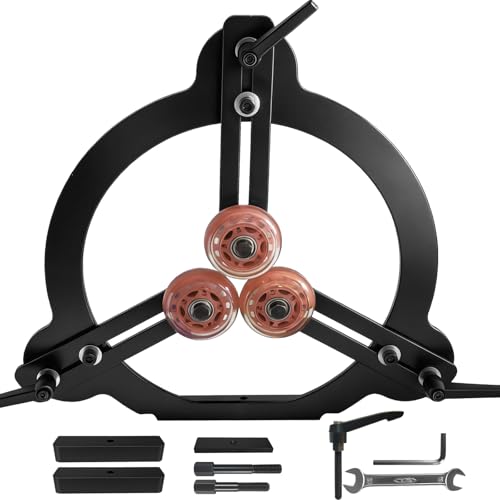
Why We Recommend It: This steady rest uses high-quality steel, with three rubber-coated rollers for smooth rotation and vibration reduction. Its double-bearing design ensures quiet, stable operation. Unique features include individual wheel adjustments, pre-set guide lock screws, and a center frame that maintains concentricity, reducing wobble during long shaft turning. These elements make it more stable and adaptable than others, like the NNBWKIXI or the lighter BMWOOD model, especially for large, long pieces such as baseball bats.
Best wood lathe for making baseball bat: Our Top 3 Picks
- ONE Kiln Dried White Ash Baseball Bat Wood Blank 3x3x36 – Best for Making Baseball Bats
- NNBWKIXI Woodturning Steady Rest for 12-16 inch Lathes – Best for Small Projects
- BMWOOD MC-FS8 Woodturning Steady Rest for 10″ & 12″ Lathes – Best for Spindle Turning
ONE Kiln Dried White Ash Baseball Bat Wood Blank 3x3x36

- ✓ Excellent grain quality
- ✓ Perfect size for bats
- ✓ Solid and durable feel
- ✕ Slightly heavy for smaller lathes
- ✕ No finish or treatment included
| Material | White Ash hardwood, kiln-dried |
| Dimensions | 3 inches x 3 inches x 36 inches |
| Type | Solid turning blank for baseball bats |
| Brand | HITY MOTOR |
| Price | $111.90 |
| Use Case | Lathe turning for baseball bat manufacturing |
Holding this chunk of white ash in my hands, I immediately felt its density and smoothness. It’s solid and hefty, with just the right amount of heft to inspire confidence when carving your own baseball bat.
The 3x3x36-inch size makes it feel substantial without being unwieldy. As I clamped it onto my lathe, I noticed how remarkably straight and uniform the grain was, which is essential for a balanced swing.
Once spinning, the wood responded beautifully to my tools — smooth cuts, minimal splintering. The surface was surprisingly consistent, giving me a clean canvas to shape my bat exactly how I envisioned.
One thing I appreciated was how easy it was to work with, thanks to the quality of the wood. It felt sturdy in my hands, and I knew this was going to make a durable, professional-looking bat.
Overall, this blank offers a great combination of quality and size. It’s perfect if you’re serious about crafting a custom bat and want a reliable, ready-to-turn piece of wood.
Just a heads up: it’s a bit hefty, so make sure your lathe can handle the weight comfortably.
Whether you’re a hobbyist or a seasoned woodworker, this white ash blank is a smart choice. It’s solid, well-sized, and responds beautifully to shaping, making the entire process more enjoyable.
NNBWKIXI Woodturning Steady Rest for 12-16 inch Lathes
- ✓ Easy to adjust and clamp
- ✓ Smooth, vibration-free rotation
- ✓ Durable, high-quality build
- ✕ Bulky design
- ✕ Slightly pricey
| Adjustable Diameter Range | 2/5 inch to 7-4/5 inch (approximately 0.4 inch to 7.8 inch) |
| Compatible Lathe Sizes | 12 inch, 14 inch, and 16 inch swing lathes |
| Material | High-quality steel plate |
| Roller System | Three rubber-coated rollers on dual bearings |
| Support and Vibration Reduction | Center frame design for concentricity and vibration reduction |
| Adjustment Mechanism | Single-handle adjustment system with pre-adjusted guide lock screws |
As I was clamping down a thick baseball bat blank, I suddenly realized how much smoother the turning process felt with this steady rest than with my old setup. I wasn’t expecting such a noticeable difference just from adding a support tool.
It’s like giving your lathe a stability boost you didn’t know it needed.
The adjustable arms caught my eye immediately—being able to dial from 2/5″ to nearly 8″ means I can handle everything from slim chair legs to hefty bat blanks without fuss. The rubber-coated rollers spun effortlessly, keeping the workpiece protected from marks and scratches.
I appreciated how quiet and fluid the rotation was, thanks to those dual bearings.
The build quality is solid—crafted from high-quality steel, it feels durable enough to last through many projects. Setting it up was straightforward; the pre-adjusted guide lock screws and single-handle system made clamping quick and hassle-free.
I could easily tweak the arms to fit my workpiece, and the concentricity was spot on, reducing vibrations even at high RPMs.
What really impressed me was how stable and wobble-free my bat blank felt once secured. No more worries about wobbling or uneven surfaces ruining your finish.
Plus, the adjustable riser blocks meant it fit perfectly on my 14″ lathe without any awkward setups.
Sure, it’s a bit bulky, and at $49.99, it’s an investment, but considering how much easier and cleaner my work became, I’d say it’s worth every penny. Whether you’re making baseball bats or chair legs, this steady rest is a game-changer.
BMWOOD MC-FS8 Woodturning Steady Rest for 10″ & 12″ Lathes

- ✓ Sturdy and durable build
- ✓ Easy to adjust and clamp
- ✓ Compatible with multiple lathe sizes
- ✕ Slightly heavy to move
- ✕ Limited to 10 and 12-inch lathes
| Compatibility | Fits 10-inch and 12-inch swing lathe models |
| Material | High-quality steel plate |
| Roller Type | Rubber-coated rollers with double-bearing design |
| Adjustment Range | Supports workpieces from 2/5 inch to 7-1/5 inch in diameter |
| Support Features | Individually adjustable wheel positions, concentricity maintained by center frame design |
| Application | Suitable for turning long shafts such as baseball bats, table legs, and chair legs |
When I first unboxed the BMWOOD MC-FS8 Woodturning Steady Rest, I immediately noticed how solid and well-built it felt in my hands. The heavy-duty steel plate construction reassures you that it can handle even long, heavy shafts like baseball bats without wobbling.
Setting it up on my 12-inch lathe was straightforward, thanks to the clear instructions and adjustable arms.
The rubber-coated rollers glide smoothly, thanks to the double-bearing design, which helps keep the workpiece steady without leaving marks. I appreciated how easy it was to adjust each wheel individually, allowing me to get a perfect grip on the bat blank.
The guide lock screw was pre-adjusted, so I could tighten and clamp quickly without fussing over tiny adjustments.
Turning long shafts like baseball bats is where this steady rest truly shines. It reduces vibration and keeps everything concentric, so the final result looks flawless.
The handle operation for adjusting the arms is simple, making quick changes during the process hassle-free. I also liked that I could switch between different sizes, from 2/5″ to over 7 inches, which gives great versatility.
Overall, the stability and ease of use made a noticeable difference in my projects. No wobbling or wobble, just smooth, controlled turning.
It feels like a reliable partner for anyone serious about woodturning, especially for long, heavy pieces like baseball bats.
What Should You Consider When Choosing a Wood Lathe for Making Baseball Bats?
When choosing a wood lathe for making baseball bats, several factors should be considered to ensure you select the best equipment for your needs.
- Size of the Lathe: The size of the lathe is crucial as it determines the maximum length and diameter of the bats you can produce. A larger lathe allows for greater versatility in bat sizes, which is essential for accommodating different player preferences.
- Motor Power: The motor power of the lathe influences its performance, especially when working with hard woods. A lathe with a strong motor will provide smoother operation and reduce the risk of stalling when shaping dense materials commonly used in baseball bats.
- Speed Control: Having variable speed control is important for achieving the desired finish and shaping contours on the bats. Different wood types and designs may require varying speeds, so a lathe that allows for easy adjustments can enhance your crafting precision.
- Build Quality: The construction quality of the lathe affects its durability and stability during operation. A robust and well-built lathe will reduce vibrations and ensure a smoother turning process, which is vital for producing high-quality baseball bats.
- Tool Rest and Tailstock Features: The design and adjustability of the tool rest and tailstock are important for proper support while turning. Features that allow for easy repositioning and securing of tools will improve your control and accuracy while shaping the bat.
- Ease of Use: A user-friendly interface and setup process can significantly enhance your experience, especially if you are a beginner. Lathes that are intuitive to operate will help you focus more on crafting the bats rather than struggling with the equipment.
- Price and Value: Assessing your budget and the value offered by different lathes is essential. While it may be tempting to choose a cheaper model, investing in a higher-quality lathe can pay off in the long run through better performance and longer lifespan.
- Brand Reputation and Reviews: Researching brands and reading customer reviews can provide insights into the reliability and performance of specific lathes. Choosing a reputable brand with positive feedback can help ensure you make a sound investment for your baseball bat-making endeavors.
How Does the Size of a Wood Lathe Impact Baseball Bat Production?
The size of a wood lathe significantly impacts the efficiency and quality of baseball bat production.
- Bed Length: The bed length of a lathe determines the maximum length of the baseball bat that can be turned. A longer bed allows for the creation of full-sized bats without the need for repositioning the wood, which can ensure uniformity and accuracy in the bat’s dimensions.
- Swing Diameter: The swing diameter refers to the maximum diameter of the wood that the lathe can handle. A lathe with a larger swing diameter enables the turning of thicker pieces of wood, which is essential for creating bats that meet specific weight and balance requirements.
- Motor Power: The motor power of the lathe affects its ability to handle different types of wood and the speed at which it can operate. A more powerful motor can maintain consistent speeds even when turning harder woods, which is crucial for achieving the desired finish and durability in baseball bats.
- Weight Capacity: The weight capacity of a lathe indicates how much wood it can support during the turning process. A lathe with a higher weight capacity is better suited for larger, heavier pieces of wood, allowing for the production of solid and robust baseball bats that can withstand the rigors of play.
- Portability: The size and weight of the lathe can influence its portability, which is important for those who may wish to move their lathe for different projects or locations. A more portable lathe can be beneficial for small shops or home users who need flexibility in their workspace.
What Types of Wood Lathes Are Most Effective for Bat Crafting?
The best wood lathes for making baseball bats typically fall into a few key categories based on their features and capabilities.
- Mini Lathes: Mini lathes are compact and often more affordable options that are suitable for hobbyists and beginners.
- Benchtop Lathes: Benchtop lathes offer a balance between size and power, making them effective for small to medium-sized projects like baseball bats.
- Full-Size Lathes: Full-size lathes provide greater stability and power, which can be beneficial for professional bat crafting or larger production runs.
- Variable Speed Lathes: Lathes with variable speed control allow users to adjust the speed according to the type of wood and the complexity of the bat design.
- Heavy-Duty Lathes: These lathes are designed for more rigorous use and can handle dense hardwoods, making them ideal for crafting durable baseball bats.
Mini Lathes: Mini lathes are ideal for those who have limited space or are just starting out in woodturning. They are lightweight and portable, making them easy to store or transport. Despite their small size, they can effectively turn smaller pieces of wood, such as the blanks used for baseball bats.
Benchtop Lathes: Benchtop lathes are versatile and can handle a variety of projects, including baseball bats. They are larger than mini lathes but still fit comfortably on a workbench, providing a good mix of power and space. Their sturdiness allows for smoother operations, reducing vibrations that can affect the quality of the finished bat.
Full-Size Lathes: Full-size lathes are robust machines that are suitable for more experienced woodturners. They offer greater capabilities with larger swing capacities and improved stability, making them perfect for producing multiple bats or more complex designs. Their powerful motors can handle tougher hardwoods, ensuring a clean and precise finish.
Variable Speed Lathes: Lathes with variable speed settings are particularly useful for bat crafting, as different woods and techniques require different speeds. Being able to slow down for intricate details or speed up for rough shaping gives the woodturner more control over the process. This flexibility enhances the quality of the bat and allows for more creative designs.
Heavy-Duty Lathes: Heavy-duty lathes are built to withstand the rigors of frequent use and are constructed from durable materials that can handle tough wood species. They typically feature a higher weight capacity and more powerful motors, which can be essential when turning dense woods like maple or ash commonly used in baseball bats. The added stability also helps to achieve a smoother finish, which is crucial for the performance of the bat.
What Features Make a Wood Lathe Ideal for Producing Baseball Bats?
The ideal wood lathe for producing baseball bats should possess several key features that enhance efficiency and precision during the turning process.
- Variable Speed Control: A wood lathe with variable speed control allows the user to adjust the spindle speed according to the specific wood type and bat design, ensuring optimal turning conditions.
- Sturdy Construction: A lathe made from durable materials provides stability and reduces vibration, which is essential for maintaining accuracy while shaping the wood into a bat.
- Long Bed Length: A longer bed length accommodates larger pieces of wood, allowing for the creation of full-length baseball bats without any limitations on size.
- Powerful Motor: A lathe equipped with a powerful motor can handle dense hardwoods typically used for baseball bats, enabling smoother cuts and preventing stalling during the turning process.
- Easy Tool Access: A design that allows for easy access to the tool rest and tailstock makes it simpler to change tools and adjust settings, which is crucial for achieving the desired bat profile.
- Precision Tailstock: A precision tailstock is important for ensuring accurate alignment and support for the wood piece, particularly when drilling holes for handles or balancing the bat.
Variable speed control is vital because different woods and turning techniques require different speeds for optimal results. This feature prevents damage to the wood and ensures a smooth finish.
Sturdy construction minimizes vibrations that can lead to inaccuracies. A robust frame also enhances the longevity of the lathe, making it a worthwhile investment for bat-making enthusiasts.
A long bed length is particularly useful in baseball bat production, as it allows the user to work with longer pieces of wood without needing to reposition the workpiece, thus maintaining the integrity of the bat design.
A powerful motor is essential for processing hard woods like maple or ash, which are commonly used in baseball bats. This ensures that the lathe can perform efficiently without bogging down during the turning process.
Easy tool access is necessary for making quick adjustments to the lathe setup, which is important for maintaining efficiency during a lengthy turning process. This feature also enhances safety by allowing the user to switch tools without excessive movement.
Lastly, a precision tailstock ensures that the wood remains securely held and properly aligned throughout the turning process. This is crucial for creating a balanced bat that meets performance standards.
Why is Motor Power Crucial in a Wood Lathe for Bat Creation?
Motor power is crucial in a wood lathe for bat creation because it directly affects the lathe’s ability to efficiently shape and finish the wood, especially when dealing with the dense materials typically used in baseball bats.
According to a study by the Woodworking Machinery Industry Association, a lathe with a higher motor power allows for smoother operation and reduces the risk of stalling when working with hardwoods, which is essential for producing high-quality bats. A powerful motor can handle larger cuts and faster speeds, enabling the woodworker to achieve the desired shape without excessive effort or time.
The underlying mechanism involves torque output, which is the rotational force generated by the motor. Higher torque ensures that the lathe can maintain its speed under load, particularly when shaping the thick, cylindrical form of a baseball bat. When a lathe has insufficient motor power, the cutting tools can bog down, leading to uneven surfaces and potential defects in the final product. Additionally, a lathe with adequate motor power allows for quicker material removal, which is vital for efficiency in production, especially for those making multiple bats.
How Does the RPM Range Affect the Quality of Baseball Bats?
Low RPM settings are advantageous for detailed work, allowing the craftsman to shape the bat meticulously without risking splinters or rough edges. This level of control is essential when finishing the handle or any intricate design elements.
Medium RPM settings strike a balance between speed and control, making it easier to achieve the desired profile for the bat. This range is particularly useful for ensuring uniformity along the bat’s length, which is critical for performance.
Having variable RPM control on a lathe is highly beneficial as it enables the woodworker to tailor the speed according to the specific characteristics of the wood being used, leading to optimal results in both shaping and finishing processes.
What Are the Leading Wood Lathes for Baseball Bat Making?
The leading wood lathes for baseball bat making combine precision, power, and ease of use.
- Jet JWL-1442VS: This versatile lathe features a variable speed control and a robust 1.5 HP motor, making it suitable for turning various sizes of wood, including baseball bats.
- Grizzly G0766: Known for its heavy-duty construction, this lathe offers a large swing over bed and a powerful 3 HP motor, ideal for creating professional-quality bats with smooth finishes.
- Powermatic 3520C: This premium lathe comes with advanced features like electronic speed control and a built-in, easy-to-read digital readout, ensuring precise control for bat turners.
- Rikon 70-220VSR: This lathe is perfect for both beginners and experienced woodturners, featuring a variable speed system and a solid design that provides stability and accuracy when crafting bats.
- Nova 1624 II: With its adjustable speed range and solid construction, this lathe is highly regarded for its ability to handle larger pieces of wood, making it an excellent choice for turning baseball bats.
The Jet JWL-1442VS is favored for its user-friendly variable speed control, which allows for precise adjustments while turning, making it easier to achieve the desired bat shape and smoothness. Its sturdy build and 1.5 HP motor provide the necessary power for efficient cutting and shaping.
The Grizzly G0766 stands out with its heavy-duty design, offering a large swing capacity that can accommodate baseball bat blanks. The robust 3 HP motor is capable of handling tough hardwoods, ensuring that users can create durable and high-quality bats without compromising performance.
The Powermatic 3520C is designed for serious woodturners, featuring advanced technology like electronic speed control for seamless adjustments during the turning process. Its durable construction and precise digital readout allow for exceptional accuracy and consistent results, making it a top choice for professional bat makers.
The Rikon 70-220VSR is an excellent option for those new to woodturning, as it combines ease of use with versatility. Its variable speed capabilities allow users to experiment and find the best turning speed for different wood types, ensuring a smooth finish on every bat.
The Nova 1624 II is well-regarded for its adaptability, with a speed range that caters to various turning techniques. Its solid build provides the stability required for larger projects, making it suitable for creating baseball bats that require both precision and strength in the final product.
What Makes the Jet JWL-1442VW Stand Out for Bat Makers?
The Jet JWL-1442VW is widely recognized as one of the best wood lathes for making baseball bats due to its robust features and versatility.
- Powerful Motor: The Jet JWL-1442VW is equipped with a 1.5 HP motor that provides ample power for turning dense hardwoods, ensuring efficient shaping and finishing of baseball bats.
- Variable Speed Control: This lathe features a variable speed control that allows users to adjust the RPM from 40 to 3200, making it suitable for a variety of turning tasks and providing greater control over the finishing process.
- Robust Bed Construction: The lathe is built with a heavy-duty cast iron bed, which enhances stability and reduces vibrations, resulting in smoother operations and better accuracy while shaping the bat.
- Easy Tool Rest Adjustments: The Jet JWL-1442VW includes a tool rest that can be easily adjusted, allowing for precise positioning and optimal cutting angles, which is crucial for achieving the desired bat profiles.
- Large Swing Capacity: With a swing capacity of 14 inches over the bed, this lathe can accommodate larger blanks, making it ideal for crafting various sizes of baseball bats.
- Integrated Dust Collection: The lathe features a built-in dust port that connects to a dust collection system, helping to maintain a clean workspace and improving visibility while turning.
- Durable Construction: Designed for longevity, the Jet JWL-1442VW is constructed from high-quality materials that withstand the rigors of frequent use, making it a reliable choice for bat makers.
How Suitable is the Grizzly G0462 for Effective Bat Production?
The Grizzly G0462 is a highly regarded wood lathe that is suitable for producing baseball bats effectively.
- Powerful Motor: The Grizzly G0462 comes equipped with a robust 2 HP motor that provides ample power to handle hardwoods commonly used for baseball bats, such as maple and ash. This high torque enables the lathe to maintain consistent speed and performance, ensuring smooth cuts and a quality finish.
- Variable Speed Control: This lathe features a variable speed control ranging from 60 to 3,600 RPM, allowing users to adjust the speed according to the specific requirements of bat making. Having this flexibility is essential for achieving different finishes and ensuring precision during the shaping process.
- Sturdy Construction: The Grizzly G0462 is built with a heavy cast iron bed and ways, providing stability and reducing vibrations while in use. This solid construction is crucial for accurate work, as it minimizes the risk of chattering or wobbling when turning the wood, which is vital for producing uniform bats.
- Large Swing Capacity: With a swing over bed of 16 inches and a distance between centers of 42 inches, this lathe can accommodate a variety of bat lengths and thicknesses. This versatility is beneficial for bat makers who might want to experiment with different designs and sizes.
- Easy to Use Tailstock: The Grizzly G0462 features a convenient tailstock that makes it simple to perform drilling operations, such as creating holes for bat handles. This feature is particularly useful for bat production as it allows for consistent and precise drilling without needing additional equipment.
- Accessories and Tool Rest: The lathe comes with a robust tool rest and various accessories that facilitate different turning techniques ideal for bat making. These tools enhance the user’s ability to achieve intricate designs and fine details on the bat surface, improving overall craftsmanship.
What Common Mistakes Should Be Avoided When Using a Wood Lathe for Baseball Bats?
When using a wood lathe for making baseball bats, several common mistakes can hinder the quality of the final product.
- Neglecting Proper Tooling: Using the wrong tools or dull blades can lead to rough finishes and inconsistent shapes.
- Inadequate Safety Measures: Failing to wear appropriate safety gear or not securing the workpiece properly can result in serious accidents or injuries.
- Ignoring Wood Grain Orientation: Not paying attention to the wood grain can lead to weak points in the bat and affect its performance.
- Improper Speed Settings: Using incorrect lathe speeds can cause excessive vibration, adversely affecting the bat’s surface finish and structural integrity.
- Skipping Sanding and Finishing Steps: Overlooking the importance of sanding and finishing can result in a bat that is uncomfortable to hold and prone to splintering.
Neglecting proper tooling can cause issues like chipping or tearing of the wood, which compromises the bat’s appearance and functionality. Always ensure that your tools are sharp and suitable for the specific type of wood you are working with.
Inadequate safety measures can lead to hazardous situations, including flying debris or severe injuries from the rotating lathe. It is essential to wear safety goggles and a dust mask, and to ensure that the workpiece is tightly secured in the lathe.
Ignoring wood grain orientation can weaken the bat, as the grain direction affects how the bat absorbs shock during use. Always align the wood grain in a way that enhances the bat’s durability and performance during play.
Improper speed settings can lead to uneven surfaces or even cause the wood to crack or break. It is crucial to adjust the lathe speed according to the type of wood and the tooling being used for optimal results.
Skipping sanding and finishing steps can leave the bat rough and prone to damage. A well-sanded and finished bat not only looks more professional but also provides a better grip and enhanced durability during games.
What Are the Essential Maintenance Tips for Your Wood Lathe to Ensure Longevity?
To ensure the longevity of your wood lathe, especially when crafting items like baseball bats, regular maintenance is essential. Here are some critical maintenance tips:
- Regular Cleaning: Keep your lathe clean from wood shavings and dust after each use.
- Lubrication: Apply lubricant to all moving parts to minimize friction and wear.
- Check Alignment: Regularly check and adjust the alignment of your lathe to ensure accuracy in your work.
- Inspect Belts and Bearings: Periodically examine belts and bearings for wear and replace them as needed.
- Sharpen Tools: Keep your turning tools sharp to reduce strain on the lathe and produce cleaner cuts.
- Store Properly: When not in use, cover your lathe to protect it from dust and moisture, which can cause rust.
Regular Cleaning: Over time, wood shavings and dust can accumulate in your lathe, potentially affecting its performance. Cleaning your lathe after each use will prevent buildup that could lead to mechanical issues or affect the quality of your work.
Lubrication: Lubricating the moving parts of your lathe helps to reduce friction, which can lead to wear and tear. Use a suitable lubricant on the spindle and tailstock, following the manufacturer’s recommendations to ensure smooth operation.
Check Alignment: Maintaining proper alignment of the headstock and tailstock is crucial for precision work. Regularly checking and adjusting this alignment will help avoid inaccuracies in your turning projects, especially when making items like baseball bats where uniformity is key.
Inspect Belts and Bearings: Worn belts and bearings can lead to inefficient operation and reduced performance. Regular inspection allows you to catch these issues early, ensuring your lathe runs smoothly and prolonging its lifespan.
Sharpen Tools: Dull tools can create additional strain on the lathe, leading to potential damage and less effective cutting. Keeping your lathe tools sharp will not only enhance the quality of your work but also make the lathe easier to operate.
Store Properly: Proper storage of your lathe is essential to prevent damage from environmental factors. Using a cover minimizes exposure to dust and moisture, which can lead to rust and degradation of the machine’s components over time.
Related Post: