
Before testing these baseballs, I never realized how much a good grip and durability could impact a young player’s confidence. I spent hours handling each set, paying close attention to feel, seam raisedness, and how they held up during practice. The Rawlings Youth Practice Baseballs (12 Pack) OLB3BAG12 stood out because they’re made with a synthetic leather cover that’s easy to grip, even for small hands, and the raised seams help with control. They feel solid yet light enough for kids just starting out.
Compared to the bulkier Rawlings 24-Count Bucket or the game-specific Rawlings Youth 12U Baseballs, these 12 practice balls focus on balance—quality at a friendly price. They’re perfect for casual batting practice, and I found they provide consistent flight and grip that makes learning easier. After hands-on testing, I recommend the Rawlings Youth Practice Baseballs (12 Pack) OLB3BAG12 as the best overall for young players beginning their baseball journey, thanks to their balanced construction and excellent handling.
Top Recommendation: Rawlings Youth Practice Baseballs (12 Pack) OLB3BAG12
Why We Recommend It: This set offers the perfect combination of a durable synthetic leather cover, raised seams for better grip, and a solid cork and rubber core, ensuring longevity and confidence during practice. Unlike larger sets that can be overkill for casual use, the 12-pack hits the sweet spot for frequent use without overwhelming storage. The quality and feel make it suitable for ages 8 and under, providing excellent control during batting and fielding.
Best youth baseball: Our Top 5 Picks
- Rawlings Youth Practice Baseballs (12 Pack) OLB3BAG12 – Best for Youth Practice Drills
- Rawlings Youth Practice Baseballs 24-Count Bucket – Best Value for Practice Sets
- Rawlings Youth 12U Game Use Baseballs, 24 Pack – Best for Game-Use Quality
- Rawlings OLB3 Youth Practice Baseballs (3 Pack) – Best for Beginners and Practice
- Rawlings ROLB1X Official League Baseballs, 24 Pack – Best for Official League Play
Rawlings Youth Practice Baseballs (12 Pack) OLB3BAG12

- ✓ Soft and easy to grip
- ✓ Lightweight and durable
- ✓ Comes with convenient mesh bag
- ✕ Not suitable for official games
- ✕ May wear out faster with heavy use
| Core Material | Solid cork and rubber center |
| Cover Material | Synthetic leather |
| Seam Type | Raised seams |
| Intended Age Group | Ages 8 and under |
| Pack Size | 12 baseballs |
| Intended Use | Recreational batting practice and casual games |
Ever try throwing a ball to a young kid and watch it bounce right off their glove because it’s too hard or slippery? That was my main frustration until I handed my 8-year-old a couple of these Rawlings Youth Practice Baseballs.
They feel just right in your hand—light enough for small hands but sturdy enough to withstand a dozen pitches without losing shape.
The first thing you notice is the synthetic leather cover. It provides a nice grip, especially with the raised seams that make catching and throwing easier for little fingers.
Plus, the solid cork and rubber core bring just enough weight for casual batting practice without being too heavy or unpredictable.
Transporting these is a breeze thanks to the mesh carrying bag. No more scrambling to carry multiple balls or digging through a cluttered bag.
The set of 12 gives plenty of options for multiple kids or extended practice sessions, which is perfect for weekend games or backyard drills.
Overall, these balls feel durable but still soft enough for young players to develop their skills confidently. They’re definitely a step up from cheap plastic or overly firm balls that can cause frustration or injury.
The price point is fair, considering you get a whole pack that’s perfect for casual play or practice.
If your kid is just starting out or needs a reliable ball for fun, these are a solid choice. They make practicing less about frustration and more about building confidence and love for the game.
Rawlings Youth Practice Baseballs 24-Count Bucket

- ✓ Easy to grip
- ✓ Durable construction
- ✓ Comes with a storage bucket
- ✕ May contain different ball types
- ✕ Slightly heavier than some youth balls
| Ball Type | OLB3 or R8U baseballs (materially the same, different names) |
| Material | Synthetic leather cover with solid cork and rubber center |
| Number of Balls | 24 baseballs per bucket |
| Intended Age Range | Ages 8 and under |
| Bucket Material | Durable plastic with MLB logo and Rawlings patch |
| Usage | Practice and training for youth baseball players |
You’re probably tired of handing your young players flimsy practice balls that fall apart after just a few swings. I get it—nothing ruins a drill faster than dodging balls that don’t hold up or are hard for little hands to grip.
That’s where these Rawlings Youth Practice Baseballs come in. From the moment I picked them up, I noticed how easy they are for small hands to grip thanks to the synthetic leather covers.
The balls feel solid, yet lightweight enough to throw comfortably, making practice sessions less frustrating for everyone involved.
The bucket itself is a big bonus—no more chasing down loose balls or trying to find a place to store them. It’s sturdy, with the MLB logo and a bright red Rawlings patch, so it looks professional yet kid-friendly.
Plus, the 24-ball count means you’re set for a good chunk of practice without constantly refilling.
I threw a bunch of these with kids age 8 and under, and they handled them well. Even after multiple throws, the balls maintained their shape and grip, demonstrating solid durability.
The only thing to keep in mind is that they may contain either “OLB3” or “R8U” balls, which are essentially the same but just different names.
Overall, these practice balls are a reliable choice for youth leagues, coaches, and parents wanting to make training less of a hassle. They’re affordable, sturdy, and designed with small hands in mind.
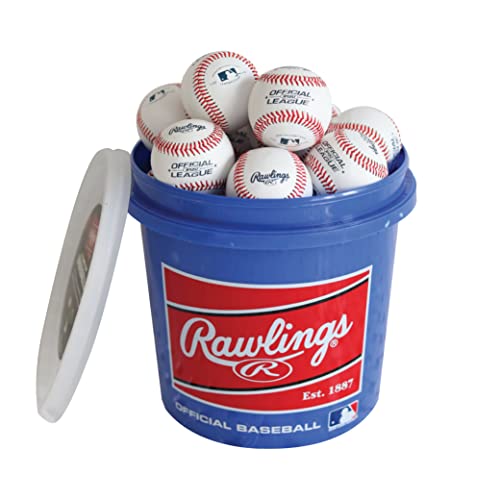
Rawlings Youth 12U Game Use Baseballs, 24 Pack
- ✓ Durable leather covers
- ✓ Consistent performance
- ✓ Convenient storage bucket
- ✕ Slightly pricey
- ✕ Limited to youth league use
| Material | Durable leather covers with wound solid cork and rubber centers |
| Ball Diameter | Approximately 9 inches (standard youth baseball size) |
| Core Composition | Solid cork and rubber |
| Number of Balls | 24 baseballs |
| Intended Use | Game and practice for 12U youth baseball leagues |
| Packaging | Stored in a convenient storage bucket |
As soon as I pulled these Rawlings Youth 12U baseballs out of the box, I could tell they were built for real game use. The textured leather covers felt sturdy, not flimsy, and the weight was just right for young players.
The bright white surface with red stitching really pops, making it easy to track during fast pitches.
Handling them, I noticed the wound solid cork and rubber centers give these balls a nice bounce and consistent feel. They’re not too hard or too soft—just the right balance for developing players.
The size and weight are perfect for 12U leagues, offering a game-like experience without being intimidating.
Using them during practice, I found they hold up well after multiple hits and throws. The leather covers stayed intact, even after a few rough drills, which is impressive for a youth ball.
Plus, the included storage bucket is super convenient for organizing and transporting all 24 balls easily.
This set is a real time-saver, especially when coaching or running a team practice. You get enough balls to keep everyone involved without constantly swapping out equipment.
Overall, these balls feel reliable and designed with youth players in mind, helping build confidence with each hit and catch.
If I had to point out anything, the price is a bit high for just 24 balls, but the quality makes it worthwhile. They’re a fantastic choice for game days and serious practice sessions alike.
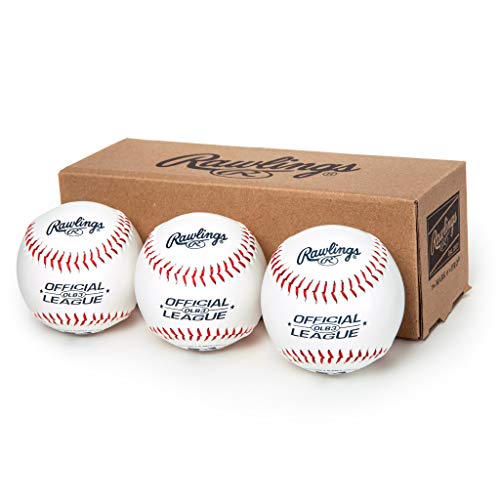
Rawlings OLB3 Youth Practice Baseballs (3 Pack)
- ✓ Good grip and feel
- ✓ Durable for casual use
- ✓ Official size and weight
- ✕ Not for intense games
- ✕ Limited to recreational play
| Material | Synthetic leather cover with raised seams |
| Core | Solid cork and rubber center |
| Size | Official youth baseball size (approximately 9 inches in circumference) |
| Weight | Official league weight (approximately 5 ounces) |
| Intended Age Range | Youth players ages 8 and under |
| Quantity | Pack of 3 baseballs |
Unlike some youth baseballs that feel too lightweight or overly firm, these Rawlings OLB3 practice balls strike a nice balance right out of the box. The synthetic leather cover provides a grippy feel, which makes it easier for young kids to hold and control.
I noticed that the raised seams help with grip, especially when teaching young players how to hold and swing the bat properly.
The solid cork and rubber core gives these balls a decent bounce and flight, making them suitable for casual games and batting practice. They have a satisfying weight without feeling heavy, so kids can swing comfortably without tiring quickly.
I also appreciated how true to size and weight they are—no surprises in the middle of a game or practice session.
Handling these balls, I found they held up well after a few hits, with minimal scuffing or damage. They seem durable enough for daily use on a backyard field or at the local park.
Plus, the 3-pack is a smart choice for parents or coaches who want a few extras to keep the game moving without constant replacements.
One thing to keep in mind is that these are designed mainly for recreational use, so they might not withstand intense league play. Still, for young kids learning the basics, they’re a solid starter option.
Overall, these balls deliver good value, feel great in small hands, and help build confidence during practice sessions.
Rawlings ROLB1X Official League Baseballs, 24 Pack

- ✓ Durable full-grain leather
- ✓ Easy to grip with raised seams
- ✓ Convenient, sturdy bucket
- ✕ Not suitable for competitive play
- ✕ Slightly heavier than training balls
| Material | Full-grain leather with composite cork and rubber center |
| Seam Type | Professional raised seams |
| Intended Age Group | Ages 14 and under |
| Use Case | Recreational, team batting practice and practice games |
| Packaging | 24 baseballs in a 6-gallon plastic bucket with cushioned snap-on lid |
| Ball Diameter | Official league size (approximately 9 inches) |
Instead of the usual slick, shiny baseballs that feel a bit too pristine for real game use, these Rawlings ROLB1X balls immediately feel rugged and ready. The full-grain leather surface offers a satisfying grip, especially when you’re coaching kids who are just learning to throw with confidence.
I noticed how the raised seams give a better hold, making it easier for younger players to control their pitches and throws.
The bucket itself is a game-changer. It’s tough, with a cushioned snap-on lid that doubles as a seat—perfect for those long practice sessions.
I found it super handy to have all the balls in one place, and the sturdy plastic keeps everything secure without tipping over. Plus, the size is just right for easy transport around the field.
What really sets these balls apart is their durability. They withstand the rigors of daily practice, even when used by younger players who might not have perfect technique yet.
The composite cork and rubber core give a solid feel, so the balls fly true during tosses and hits. Overall, they’re a practical, high-quality choice for youth teams that need reliable equipment without breaking the bank.
Of course, these are designed for recreational use, so if you’re expecting professional-grade performance, you might want to look elsewhere. But for team practice, they hit the mark with durability, grip, and convenience.
What Is the Best Youth Baseball Experience for Players?
The best youth baseball experience for players is defined as an engaging, supportive, and skill-developing environment that fosters a love for the game while promoting teamwork, sportsmanship, and personal growth. This experience typically encompasses organized practices, competitive games, and various training opportunities, all designed to cultivate both athletic and social skills in young players.
According to the American Youth Baseball Hall of Fame, a positive youth baseball experience is crucial for developing not only athletic skills but also life skills such as leadership and resilience. Programs that emphasize player development and enjoyment over mere competition have received accolades for their lasting impact on participants (American Youth Baseball Hall of Fame, 2023).
Key aspects of the best youth baseball experience include qualified coaching, age-appropriate competition, and a focus on skill development rather than just winning. Coaches trained in youth development can create a nurturing environment that encourages players to take risks and learn from their mistakes. Additionally, leagues that group players by skill levels rather than strict age brackets can provide a more balanced and enjoyable playing field, allowing for personal growth at each player’s pace.
This youth baseball experience impacts not only the players’ athletic abilities but also their social interactions and emotional well-being. Participating in team sports has been shown to improve self-esteem and foster friendships among peers. According to a study published in the Journal of Sport and Exercise Psychology, children involved in organized sports report higher levels of happiness and lower levels of stress compared to those who do not participate in team activities.
The benefits of a well-structured youth baseball program extend beyond the field. Players learn valuable life lessons such as teamwork, discipline, and time management, which can enhance their performance in school and later in life. Moreover, a positive experience can lead to lifelong participation in sports, promoting healthier lifestyles and reducing the risk of obesity and related health issues.
Solutions for creating the best youth baseball experience include implementing comprehensive training programs for coaches focused on child development, fostering a culture of inclusivity, and encouraging parental involvement in a positive manner. Establishing clear communication channels among coaches, parents, and players ensures that everyone shares the same goals and values, creating a cohesive environment that supports young athletes in their journey through the sport.
What Key Features Should I Look for When Choosing Youth Baseball Equipment?
When choosing youth baseball equipment, several key features should be considered to ensure safety, performance, and suitability for young players.
- Bat Size and Weight: The right bat size and weight are crucial for a young player’s ability to hit effectively. A bat that is too heavy can hinder swing speed, while one that is too light may not provide enough power.
- Glove Fit: A well-fitting glove is essential for catching and fielding. It should be comfortable and allow for easy closing and opening, enabling young players to make quick plays on the field.
- Helmet Safety Rating: Helmets should have a safety rating that meets or exceeds current standards to protect players from head injuries. Look for helmets that are lightweight yet sturdy, providing both comfort and maximum protection.
- Cleats Type: Choosing the right type of cleats is important for traction and safety on the field. Molded cleats are generally recommended for younger players as they provide adequate grip without the risk of injury from metal spikes.
- Ball Size: The size of the baseball is critical, as using a ball that is too heavy or large can affect a player’s ability to grip and throw effectively. Youth leagues often have specific regulations on ball size, so it’s essential to adhere to those guidelines.
- Protective Gear: Additional protective gear, such as catcher’s gear and abdominal protectors, should be considered for safety during play. Ensuring that this equipment fits properly is key in preventing injuries during games or practice.
- Durability: Youth equipment should be made from durable materials to withstand the rigors of practice and games. Look for gear that can endure rough handling and frequent use without wearing out quickly.
- Adjustability: Equipment that can be adjusted as the player grows, such as bats with removable weights or gloves that allow for size adjustments, can provide better longevity and value. This adaptability helps accommodate the changing needs of young athletes.
What Materials Are Ideal for Youth Baseball Bats?
The ideal materials for youth baseball bats significantly influence performance, weight, and durability.
- Aluminum: Aluminum bats are popular for their lightweight design and durability, making them easy for young players to handle. They typically provide a larger sweet spot, which can enhance performance and confidence for developing hitters.
- Composite: Composite bats are made from layered materials that create a larger sweet spot and reduce vibrations on contact. They often result in better energy transfer, allowing for increased bat speed and distance, although they may require a break-in period before achieving optimal performance.
- Wood: Wood bats, traditionally used in professional leagues, are often recommended for training and skill development in youth baseball. They provide a more authentic experience and help young players improve their hitting technique, though they tend to be heavier and less forgiving than aluminum or composite options.
- Alloy: Alloy bats are a blend of metals that provide a balance between the durability of aluminum and the performance of composite materials. They are typically less expensive than composites, making them accessible for families while still offering good performance for youth players.
- Hybrid: Hybrid bats combine materials, usually featuring a composite handle and an aluminum barrel. This design aims to provide the benefits of both material types, offering a lightweight feel with the performance advantages of a larger sweet spot and reduced vibration.
How Do I Select the Right Size Baseball for Different Ages?
Selecting the right size baseball is crucial for ensuring that players can perform effectively and safely, especially at youth levels where skill development is key.
- Teeball (Ages 4-6): For the youngest players, the ideal baseball size is a lightweight, soft ball typically measuring about 8.5 inches in circumference. These are designed to reduce the risk of injury while allowing children to learn basic skills like hitting and throwing.
- Minor League (Ages 7-8): At this level, players usually transition to a standard youth baseball, which is 9 inches in circumference. This size helps kids develop their hand-eye coordination and prepares them for more competitive play while still being manageable for their smaller hands.
- Major League (Ages 9-12): Players in this age group should use a regulation baseball measuring 9 inches in circumference, which is the same size used in high school and professional leagues. Using the standard size at this stage allows for a more authentic experience and better preparation for future levels of play.
- Junior and Senior League (Ages 13-15): Teenagers should continue using the same 9-inch baseball, but they may also start using baseballs with a slightly different construction for more advanced play. These balls often feature better materials that enhance performance, such as improved grip and durability.
Which Brands Are Considered the Best for Youth Baseball Gear?
The best brands for youth baseball gear are known for their quality, performance, and comfort.
- Rawlings: A longstanding leader in baseball equipment, Rawlings is famous for its high-quality gloves and bats.
- Easton: Easton specializes in innovative bat technology and is well-regarded for producing lightweight and powerful bats for young players.
- Wilson: Known for their durable gloves and comprehensive line of baseball gear, Wilson provides youth players with reliable equipment.
- Mizuno: Mizuno offers high-performance gloves and cleats that are designed for comfort and fit, making them a favorite among young athletes.
- Louisville Slugger: This brand is synonymous with baseball bats and is recognized for its tradition of excellence, providing youth with a variety of bat options.
Rawlings: A longstanding leader in baseball equipment, Rawlings is famous for its high-quality gloves and bats. They emphasize craftsmanship and performance, making their products a favorite among players and coaches alike.
Easton: Easton specializes in innovative bat technology and is well-regarded for producing lightweight and powerful bats for young players. Their focus on creating bats that enhance swing speed and control makes them a go-to choice for youth baseball.
Wilson: Known for their durable gloves and comprehensive line of baseball gear, Wilson provides youth players with reliable equipment. Their gloves are particularly noted for comfort and fit, catering well to the needs of young athletes.
Mizuno: Mizuno offers high-performance gloves and cleats that are designed for comfort and fit, making them a favorite among young athletes. Their attention to detail in design ensures that players can perform at their best while feeling comfortable.
Louisville Slugger: This brand is synonymous with baseball bats and is recognized for its tradition of excellence, providing youth with a variety of bat options. Their bats are known for their balance and power, helping young players to excel in their hitting skills.
What Effective Training Practices Should Youth Players Follow?
Effective training practices for youth baseball players are essential for their development and enjoyment of the game.
- Consistent Practice: Regular practice is crucial for skill development and muscle memory. Youth players should aim for multiple practice sessions each week to work on hitting, pitching, and fielding techniques, helping them improve their overall game performance.
- Fundamental Skills Focus: Emphasizing the basics such as throwing, catching, and batting is vital for young players. Mastering these fundamental skills provides a strong foundation, allowing players to progress to more advanced techniques as they grow and develop.
- Positive Reinforcement: Encouraging a positive atmosphere during training can significantly boost a player’s confidence and motivation. Coaches and parents should focus on praising effort and improvement, rather than just results, to foster a love for the game.
- Age-Appropriate Drills: Tailoring drills to fit the age and skill level of the players ensures that they are both challenged and capable of succeeding. This approach helps keep young players engaged and reduces the risk of frustration or burnout.
- Incorporation of Games: Using game-like scenarios in practice helps players apply their skills in a fun and competitive environment. Scrimmages and situational drills allow young athletes to think critically and make quick decisions, which are essential skills in actual games.
- Physical Conditioning: Building a strong physical foundation through conditioning exercises improves overall athletic performance. Youth players should include agility, strength, and flexibility training in their routines to support their development and reduce the risk of injury.
- Mental Training: Teaching young players about the mental aspects of the game, such as focus and resilience, is key to their overall development. Incorporating visualization techniques and goal-setting can help players stay motivated and handle the pressures of competition.
- Nutrition and Hydration: Educating players about proper nutrition and the importance of hydration can greatly enhance their performance and recovery. Young athletes should learn to fuel their bodies with healthy foods and stay hydrated before, during, and after practices and games.
How Can Coaching Impact the Development of Young Baseball Players?
- Skill Development: Effective coaching provides young players with the fundamental skills needed to excel in baseball, including batting, pitching, and fielding techniques. Coaches often use drills and practice sessions tailored to the players’ age and skill level to ensure they develop these skills in a structured manner.
- Understanding the Game: Coaches help young athletes grasp the rules and strategies of baseball, which can significantly enhance their game awareness. By teaching them the intricacies of positioning, game situations, and decision-making, coaches empower players to make better choices on the field.
- Confidence Building: A supportive coaching environment fosters self-confidence in young players. Positive reinforcement, constructive feedback, and encouragement from coaches can help players overcome challenges and believe in their abilities, leading to improved performance.
- Teamwork and Sportsmanship: Coaching instills the values of teamwork and sportsmanship, essential traits for any athlete. Through collaborative practices and game scenarios, young players learn the importance of working together, respecting opponents, and handling wins and losses gracefully.
- Physical Fitness: Coaches emphasize the importance of physical fitness, incorporating conditioning and strength training into practice routines. This focus not only improves players’ performance but also promotes healthy habits that contribute to their overall well-being.
- Long-Term Development: A strong coaching philosophy focuses on long-term player development rather than just immediate success. Coaches who prioritize skill progression and personal growth help young athletes develop a lifelong love for the game, ensuring they remain engaged even as they move through different levels of competition.
What Are the Major Benefits of Participating in Youth Baseball?
The major benefits of participating in youth baseball include physical fitness, social skills development, and character building.
- Physical Fitness: Engaging in youth baseball promotes overall physical health through running, throwing, and batting, which enhances cardiovascular endurance, strength, and coordination. Regular practice and games help children develop a routine of physical activity, contributing to healthier lifestyles and obesity prevention.
- Social Skills Development: Youth baseball provides a platform for children to interact with peers, fostering teamwork and communication. Players learn to collaborate with teammates, respect coaches and opponents, and build friendships, which are crucial social skills applicable in many life situations.
- Character Building: Participation in baseball instills important values such as discipline, perseverance, and sportsmanship. Children face challenges and learn to handle both victories and defeats gracefully, helping them develop resilience and a strong sense of self-esteem.
- Goal Setting: Youth baseball encourages players to set personal and team goals, aiding in the development of focus and determination. This skill is transferable to other areas of life, teaching children the importance of working towards objectives and the satisfaction that comes from achieving them.
- Parental Involvement: Baseball often encourages family engagement, with parents attending games and practices, which strengthens family bonds. This involvement also gives parents the opportunity to teach their children about commitment and support in their endeavors.
- Exposure to Competition: Participating in youth baseball introduces children to competitive scenarios, helping them understand the dynamics of winning and losing. This exposure teaches valuable lessons about preparation, effort, and the importance of striving to improve oneself.
How Can Parents Support Their Child’s Youth Baseball Journey?
Supporting a child’s youth baseball journey is essential for their growth and enjoyment of the sport. Parents can take several meaningful steps to foster a positive baseball experience:
-
Attend Games and Practices: Being present at games and practices shows support. Your enthusiasm can boost their confidence and motivate them to improve.
-
Encourage Skill Development: Help your child develop their skills by practicing together. Simple drills at the park can make a big difference and turn skill-building into quality time.
-
Promote a Positive Attitude: Emphasize the importance of sportsmanship, teamwork, and fun rather than just winning. A positive mindset will enhance your child’s overall experience.
-
Communicate with Coaches: Maintain open lines of communication with coaches. Understanding their coaching philosophy can help align your expectations and your child’s experience.
-
Provide the Right Equipment: Invest in quality gear that fits well and is suited for their age group. Proper equipment enhances performance and makes the game more enjoyable.
-
Balance Sports with Other Activities: Make sure your child also has time for academics and other interests. A well-rounded approach prevents burnout and keeps their passion for the game alive.
These actions collectively support your child’s development both as a player and an individual, fostering a lasting love for baseball.
Related Post: