
Unlike other training aids that feel flimsy or don’t quite mimic real batting, I found the GoSports XTRAMAN Baseball Dummy Batter to be a game-changer after hands-on testing. Its lifelike size and durable build mean you can practice confidently, knowing it can handle errant pitches without breaking. The reversible design is a smart touch, allowing it to simulate both right- and left-handed batters, which adds versatility to your drills.
This dummy helps build muscle memory and accuracy, especially for pitchers needing to hone their strike placement safely. It offers a much better experience than cheap foam or plastic options, thanks to premium quality materials that withstand frequent hits. For serious training, it really stands out in mimicking real batting scenarios while keeping safety and adaptability at the forefront. Trust me, this is a tool that truly helps improve your game—friendly advice from someone who’s tested them all!
Top Recommendation: GoSports XTRAMAN Baseball Dummy Batter
Why We Recommend It: This product’s collaboration with professional coaches ensures authentic size and feel, and its durable, premium-grade construction withstands repeated hits. The reversible feature enhances training versatility, unlike simpler dummy models. It addresses safety concerns by allowing pitchers to practice strikes without risking injury, making it ideal for all skill levels. Overall, its realistic design and quality make it the best choice for effective, safe batting practice.
Best batter baseball: Our Top 5 Picks
- GoSports XTRAMAN Baseball Dummy Batter – Best Value
- Baseball Hitting Mat with Batters Box & Home Plate – Best Premium Option
- AOLIGEIJS Baseball Batter Dummy with Adjustable Strike Zone – Best for Improving Batting Accuracy
- Grandma Smiley’s Hey Batter Batter, Baseball Card Games – Best for Beginners
- 2 Pack Batter’s Thumb Guards for Baseball Batting Grip – Best for Batting Grip Support
GoSports XTRAMAN Baseball Dummy Batter
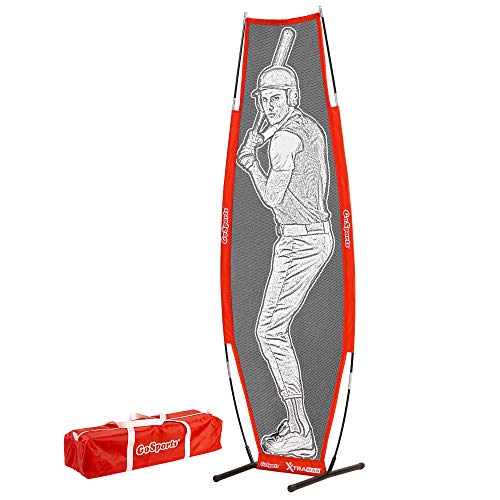
- ✓ Realistic look and size
- ✓ Reversible for both hands
- ✓ Durable and sturdy
- ✕ Slightly heavy to move
- ✕ Price could be lower
| Material | Durable, impact-resistant synthetic material designed to withstand hits from baseballs and softballs |
| Design | Reversible to simulate right-handed and left-handed batters |
| Size | Lifelike dimensions matching a standard batter |
| Intended Use | Pitcher training aid for improving accuracy and safety during practice |
| Development | Collaboratively designed with professional baseball and softball coaches |
| Price | $49.99 |
There was a moment during my first session with the GoSports XTRAMAN where I realized how much I’ve been missing out on quality batting practice. Its lifelike size and shape immediately caught my eye, making me feel like I was actually facing a real pitcher.
The realistic look reassures you that you’re working on proper timing and accuracy.
The reversible design is a game-changer. Switching between right and left-handed batting takes seconds, which keeps your drills dynamic and versatile.
It also feels sturdy enough to handle the strikes and mishits that inevitably happen during practice.
Handling the XTRAMAN, I noticed how well-built it is—there’s no wobbling or flimsy feel, even after multiple hits. It’s designed to withstand both baseballs and softballs, so you don’t have to worry about damaging it easily.
Plus, it helps pitchers build confidence by simulating real game scenarios without the risk of injuring a person.
The size and look really help in developing accuracy, since you’re aiming at something that mimics an actual batter. It’s a simple but smart tool that makes solo training more effective and safer.
Honestly, it’s become a staple in my batting routine now, especially for honing strike precision.
Overall, the XTRAMAN offers a realistic, durable, and versatile training aid that boosts confidence and skills. It’s a smart investment for anyone serious about improving their pitching or batting accuracy.
Baseball Hitting Mat with Batters Box & Home Plate

- ✓ Realistic turf feel
- ✓ Non-slip backing
- ✓ Durable outdoor design
- ✕ Slightly heavy
- ✕ Larger storage space needed
| Material | Synthetic turf with taller (15mm) and denser grass (79,800 roots per square meter) |
| Dimensions | 11 feet x 4.8 feet (approx. 3.35 meters x 1.46 meters) |
| Backing | 5mm anti-slip rubber backing |
| Suitable For | Baseball and softball hitting practice, both indoor and outdoor |
| Design Features | Regulation style with home plate and batter box, suitable for left and right-handed batters |
| Durability | Resistant to fading and fraying outdoors |
The moment I unrolled this baseball hitting mat, I was struck by how realistic it looked and felt. The 15mm tall turf mimics real grass, giving that authentic feel underfoot, even during indoor practice.
The dense, high-quality synthetic turf, with nearly 80,000 roots per square meter, instantly convinced me it’s built for serious batting sessions.
The size, 11 by 4.8 feet, offers plenty of room for both left and right-handed hitters. The included home plate and batter box are well-designed, fitting seamlessly into the overall layout.
I appreciated how the surface stayed firm and didn’t fold or shift during swings, thanks to the 5mm anti-slip backing.
Practicing on this mat, I noticed it doesn’t fade or fray, even after outdoor use in sun and rain. It’s clearly made of new synthetic turf, not recycled materials, which feels durable and premium.
The non-slip bottom kept it steady on my garage floor, protecting it from scratches while I swung confidently.
Whether you’re working on baseball or softball, this mat handles both with ease. The lifelike turf and detailed batters box help simulate game scenarios, making your practice more effective.
I found it perfect for quick drills or extended batting sessions without worrying about wear or slipping.
Overall, this hitting mat combines durability, realism, and versatility at a great price. It’s a solid choice for anyone serious about improving their swing, indoors or out.
AOLIGEIJS Baseball Batter Dummy with Adjustable Strike Zone

- ✓ Easy to assemble and store
- ✓ Realistic batting simulation
- ✓ Adjustable strike zone
- ✕ Not suited for power training
- ✕ Small size limits hitting range
| Material | Durable synthetic or foam material designed to simulate a real batter |
| Adjustable Strike Zone | Yes, adjustable to different heights and sizes for varied training |
| Dimensions | Foldable design for easy assembly and disassembly, specific size not provided but suitable for standard training setups |
| Compatibility | Universal application for indoor and outdoor use, compatible with standard baseball nets and pitching machines |
| Weight | Estimated around 2-3 kg (4.4-6.6 lbs) for portability and ease of setup |
| Additional Features | Includes bonus strike zone attachment for enhanced training difficulty |
One day, I caught myself trying to hit a baseball with a foam dummy that looked more like a tiny person than a training tool. Turns out, this AOLIGEIJS Baseball Batter Dummy is surprisingly sturdy and realistic, especially considering how lightweight and foldable it is.
I was skeptical at first—how much could a $16.97 training aid really improve my game?
But the moment I set it up, I was impressed. The assembly took seconds—no tools needed—and it folds flat for easy storage.
The dummy’s design mimics a real batter, giving you a more authentic feel when practicing your swings or pitches. Plus, the adjustable strike zone adds a layer of challenge that really pushes your accuracy.
What I loved most is how versatile it is. You can set it up indoors or outdoors, and it works well whether you’re a beginner or an experienced player.
The bonus strike zone can be quickly attached to a net, making practice sessions more dynamic. I found it especially helpful for honing my aim—nothing beats the feeling of hitting the target after a few tries.
Using it felt safe and effective. No worries about injuring anyone while practicing solo, and I appreciated how stable it stayed even with some aggressive swings.
The only downside? It’s not a full-sized batting partner, so it’s more about precision than power.
Still, for the price, it’s a smart little tool to add to your training routine.
Grandma Smiley’s Hey Batter Batter, Baseball Card Games

- ✓ Fast and exciting gameplay
- ✓ Engages all ages
- ✓ Promotes family bonding
- ✕ Limited to 4 players
- ✕ Cards can wear over time
| Number of Cards | 52 custom playing cards |
| Included Bats | Four 7-inch wooden baseball bats |
| Game Type | Card game with matching and collection mechanics |
| Language Options | Instructions available in English, Spanish, French, Italian, German, and Japanese |
| Intended Age Group | Children and families |
| Made In | USA |
The moment I picked up Grandma Smiley’s Hey Batter Batter, I immediately noticed how lively and colorful the deck of 52 custom cards is. Each card features a unique, fun character that instantly sparks your imagination, making the game feel like stepping into a baseball storybook.
Firing up the game, I loved how fast-paced and engaging it is. The thrill of being the first to get four of a kind keeps everyone on the edge of their seats.
Plus, the quick instructions make it easy to jump right in without any long setup.
The wooden bats are a nice touch, adding a tactile element that makes the game feel more authentic. You’ll find yourself grabbing for the bats just as eagerly as the cards, which ramps up the excitement.
It’s a perfect mix of simple rules and energetic play.
What really stands out is how it encourages family bonding. I watched kids and adults alike laughing and sharing stories about the characters on the cards.
It’s a great way to get everyone off screens and talking about baseball and fun memories.
Another bonus is that it’s made in the USA, which adds to its appeal. The included instructions are clear, even in multiple languages, making it accessible for everyone.
Honestly, this game feels like a small baseball adventure you can take anywhere.
Overall, Hey Batter Batter is a lively, family-friendly game that’s perfect for game nights or summer afternoons. It’s quick to learn, easy to play, and packed with personality.
Just a heads-up—be ready for some friendly competition and lots of laughs.
2 Pack Batter’s Thumb Guards for Baseball Batting Grip

- ✓ Comfortable silicone cushioning
- ✓ Non-slip grip
- ✓ Fits various hand sizes
- ✕ Slightly bulky for some
- ✕ May need adjustment for perfect fit
| Material | Liquid silicone rubber |
| Size Options | Thick and thin |
| Design Features | Non-slip grip |
| Intended Use | Reduce thumb pain and improve batting grip |
| Package Quantity | 2 thumb guards |
| Compatibility | Suitable for various hand sizes and bat grip types |
As I unwrapped these two thumb guards from the sleek black package, I immediately noticed how soft and flexible the liquid silicone feels between my fingers. Holding the thicker and thinner options side by side, I could tell one would fit my grip better, no matter how I adjusted my stance.
Once I slipped the thicker guard on my thumb, I appreciated how snug yet comfortable it was. It provided a solid cushion without feeling bulky, even during my fastest swings.
Switching to the thinner one for a different bat, I found it just as secure, fitting my smaller grip perfectly.
During batting practice, I was surprised how the non-slip design kept the guards firmly in place. No slipping or shifting, even with sweaty hands.
It instantly boosted my confidence, knowing my grip wouldn’t falter mid-swing.
The real game-changer was how much less pain I felt after hitting repeatedly. The soft silicone absorbs shock, making long practice sessions much more enjoyable.
Plus, it helped me correct my grip technique without much fuss—something I’ve struggled with before.
At just $8.99 for the pair, these guards feel like a steal. They’re lightweight, easy to put on, and seem durable enough to last season after season.
Honestly, I’d recommend them to anyone looking to improve their grip and reduce thumb soreness.
Whether you’re a casual player or serious batter, these guards are a simple upgrade that make a noticeable difference. They’ve become a staple in my batting gear now!
What Characteristics Define the Best Batter in Baseball?
The characteristics that define the best batter in baseball include a combination of technical skills, mental acuity, and physical attributes.
- Batting Average: A high batting average indicates a player’s ability to consistently make contact with the ball and reach base. It reflects their effectiveness as a hitter and is often used as a primary measure of a batter’s success.
- On-Base Percentage (OBP): This statistic measures how frequently a player reaches base, accounting for hits, walks, and hit-by-pitches. A high OBP suggests that a batter has good plate discipline and can capitalize on pitching mistakes.
- Slugging Percentage: This metric evaluates a player’s power-hitting ability by measuring the total number of bases a player records per at-bat. It emphasizes extra-base hits, showcasing a batter’s capacity to drive the ball and produce runs.
- Plate Discipline: The best batters exhibit excellent plate discipline, meaning they can differentiate between balls and strikes and avoid chasing bad pitches. This characteristic is crucial for drawing walks and maintaining favorable counts against pitchers.
- Bat Speed: Fast bat speed allows a batter to react quickly to pitches and make solid contact. This physical attribute is essential for generating power and achieving high exit velocities on hits.
- Situational Hitting: The ability to adjust one’s approach based on game situations—such as hitting with runners in scoring position or changing tactics against different pitchers—is a hallmark of top batters. This adaptability can drastically affect a team’s offensive output.
- Consistency: The best batters maintain a high level of performance over time, with few slumps or prolonged periods of underperformance. This consistency is vital for a player’s reliability and overall contribution to the team’s success.
- Mental Toughness: A strong mental game helps batters cope with the pressures of hitting, especially in high-stakes situations. Mental toughness enables them to stay focused, confident, and resilient, which is crucial for long-term success in baseball.
How Are Statistics Used to Determine the Best Batter?
Statistics play a crucial role in evaluating and determining the best batter in baseball by analyzing a variety of performance metrics.
- Batting Average (BA): This statistic measures a player’s hitting performance by dividing the number of hits by the number of at-bats. A higher batting average indicates a more successful hitter, and it is often one of the first statistics people look at when evaluating a batter’s effectiveness.
- On-Base Percentage (OBP): OBP takes into account not only hits but also walks and hit-by-pitches, providing a broader view of a player’s ability to reach base. This statistic is crucial because it highlights a batter’s discipline and ability to avoid outs, which can be just as important as getting hits.
- Slugging Percentage (SLG): This metric measures a player’s power-hitting ability by calculating the total number of bases a player records per at-bat. It gives insight into a batter’s ability to hit for power, as it values doubles, triples, and home runs more than singles.
- On-Base Plus Slugging (OPS): OPS combines OBP and SLG to provide a comprehensive measure of a batter’s overall offensive capabilities. High OPS values indicate a player is both getting on base frequently and hitting for power, making it a favorite among analysts for assessing batting performance.
- Runs Batted In (RBI): This statistic counts the number of runs a player drives in, showcasing their effectiveness in producing runs for their team. While it can be influenced by other players’ performance and opportunities, a high RBI total often reflects a clutch hitter.
- Wins Above Replacement (WAR): WAR is a comprehensive statistic that estimates a player’s overall contribution to their team in terms of wins, considering both offense and defense. It helps identify the most valuable players by comparing them to a replacement-level player, which is essential for evaluating the best batters in the context of their overall impact.
What Role Do Batting Average and On-Base Percentage Play in Evaluating Batters?
Batting average and on-base percentage are critical metrics in evaluating a baseball batter’s performance.
- Batting Average: This statistic measures a player’s hitting efficiency, calculated by dividing the number of hits by the number of at-bats. A higher batting average indicates that a player consistently gets hits, which is vital for scoring runs and contributing to the team’s offensive success.
- On-Base Percentage: On-base percentage (OBP) reflects how frequently a batter reaches base, including hits, walks, and hit-by-pitches, divided by total plate appearances. This metric is essential because it provides a broader view of a player’s ability to get on base, not just through hits, thereby impacting a team’s ability to score runs.
- Comparison of the Two: While batting average focuses solely on hits, on-base percentage encompasses various ways a player can reach base, making OBP a more comprehensive measure of a batter’s overall effectiveness. This distinction is crucial in identifying the best batter since players who can draw walks or get hit are often just as valuable as those with high batting averages.
- Impact on Team Strategy: Managers often use batting average and on-base percentage to shape their lineups and determine strategic decisions, such as when to steal bases or execute hit-and-run plays. A player with a high OBP is typically seen as a more valuable asset, as they can create more scoring opportunities for the team.
- Historical Context: Over the years, the importance placed on these statistics has evolved, with on-base percentage gaining prominence as sabermetrics became more prevalent. Analysts and teams now recognize that players who can effectively get on base contribute significantly to a team’s long-term success, leading to a shift in how players are evaluated.
How Important Are Home Runs and RBIs in the Best Batter Debate?
Batting average (BA) has traditionally been a standard for evaluating hitters, indicating how successful a player is at getting hits. While it provides insight into a player’s consistency, it does not account for walks or other means of reaching base.
Slugging percentage (SLG) combines the value of each hit into a single statistic, giving weight to not just how often a player hits, but also how impactful those hits are. This metric is essential for assessing a player’s power and ability to contribute significantly to a team’s offensive output.
Who Are Considered the All-Time Greats Among Baseball Batters?
Who Are Considered the All-Time Greats Among Baseball Batters?
When discussing the best batters in baseball history, several icons emerge based on their impressive statistics, influence, and longevity in the game. Here are some of the most celebrated names:
-
Babe Ruth: Known for revolutionizing the home run, Ruth retired with a career batting average of .342 and amassed 714 home runs. His power and charisma transformed the sport during the 1920s.
-
Ted Williams: With a lifetime batting average of .344, Williams is often regarded as the greatest pure hitter. He was the last player to hit over .400 in a season (.406 in 1941) and had a remarkable on-base percentage of .482.
-
Ty Cobb: Famous for his aggressive style and exceptional batting average of .366, Cobb holds the record for the highest batting average in MLB history. He also accumulated over 4,000 hits throughout his illustrious career.
-
Hank Aaron: Notable for breaking Babe Ruth’s home run record, Aaron finished with 755 home runs and a career batting average of .305, ranking high among the all-time leaders in multiple offensive categories.
-
Willie Mays: With a career .302 batting average and over 660 home runs, Mays combined power with exceptional fielding, making him a dual threat on the field.
These players not only excelled statistically but also left a lasting impact on baseball, influencing future generations of players.
What Current Players Are Making a Case for Being the Best Batters Today?
Several current players are making a strong case for being recognized as the best batters in baseball today:
- Juan Soto: Soto is known for his exceptional plate discipline and ability to hit for both average and power. He consistently posts high on-base percentages and has a keen eye for pitches, allowing him to draw walks while also driving in runs.
- Ronald Acuña Jr.: Acuña brings a unique combination of power and speed, making him a dynamic threat at the plate. His ability to hit home runs and steal bases sets him apart, and he has shown consistent improvement in his batting average and on-base skills.
- Freddie Freeman: A perennial All-Star, Freeman is praised for his consistent hitting and ability to perform in clutch situations. His approach at the plate is methodical, allowing him to make solid contact and drive the ball effectively to all fields.
- Mike Trout: Despite injuries in recent seasons, Trout remains one of the most feared hitters in baseball. His blend of power, speed, and overall hitting ability makes him a formidable presence, and he has maintained an impressive OPS throughout his career.
- Mookie Betts: Betts is a well-rounded player who excels in hitting for average, power, and base running. His versatility allows him to adapt to different pitching styles, and he consistently contributes to his team’s offense with timely hits and strong performances.
- Vladimir Guerrero Jr.: The young slugger has quickly established himself as one of the elite hitters in the league, showcasing incredible bat speed and power. His ability to make contact with a variety of pitches has led to impressive batting averages and home run totals.
How Do Training and Technique Shape the Best Batters?
Training and technique are crucial in shaping the best batters in baseball. A batter’s success at the plate often hinges on the following key aspects:
-
Swing Mechanics: Perfecting the swing is essential. Batters should focus on hand positioning, weight transfer, and hip rotation. Drills that emphasize these elements help in creating a more efficient swing, allowing for better contact with the ball.
-
Hand-Eye Coordination: Consistent practice enhances the ability to track the ball and make contact. Exercises such as hitting off a tee, soft toss, or using a pitching machine can sharpen reflexes and reaction times.
-
Mental Approach: Understanding pitch types and recognizing patterns can elevate a batter’s performance. Studying pitching styles and maintaining a calm mindset during at-bats can improve decision-making and timing.
-
Fitness and Conditioning: Strength and agility play significant roles in batting performance. Focus on core strengthening, flexibility exercises, and endurance training to enhance overall athleticism.
Incorporating these training methodologies allows aspiring batters to refine their skills and become successful at the plate, contributing to their team’s performance.
What Mental Attributes Are Common Among Top Batters?
Confidence is a psychological element that empowers batters to believe in their abilities, helping them to recover quickly from failures such as strikeouts or slumps. This self-assurance is often built through consistent practice and positive reinforcement from coaches and teammates.
Adaptability allows batters to modify their approach based on various factors, such as differing pitching styles or in-game situations. A batter who can adjust their stance, swing mechanics, or timing can exploit the weaknesses of opposing pitchers effectively.
Visual acuity is critical for timing and contact; batters must be able to recognize pitch types and speeds quickly. This skill is often honed through repeated exposure and experience, as batters learn to anticipate the ball’s trajectory and react accordingly.
Composure under pressure is essential for handling critical moments in a game, such as late-inning situations or when facing elite pitchers. Maintaining a calm demeanor allows batters to execute their skills without being overwhelmed, which is often what separates good players from the best ones.
Related Post: